
Agent-Friendly Summary
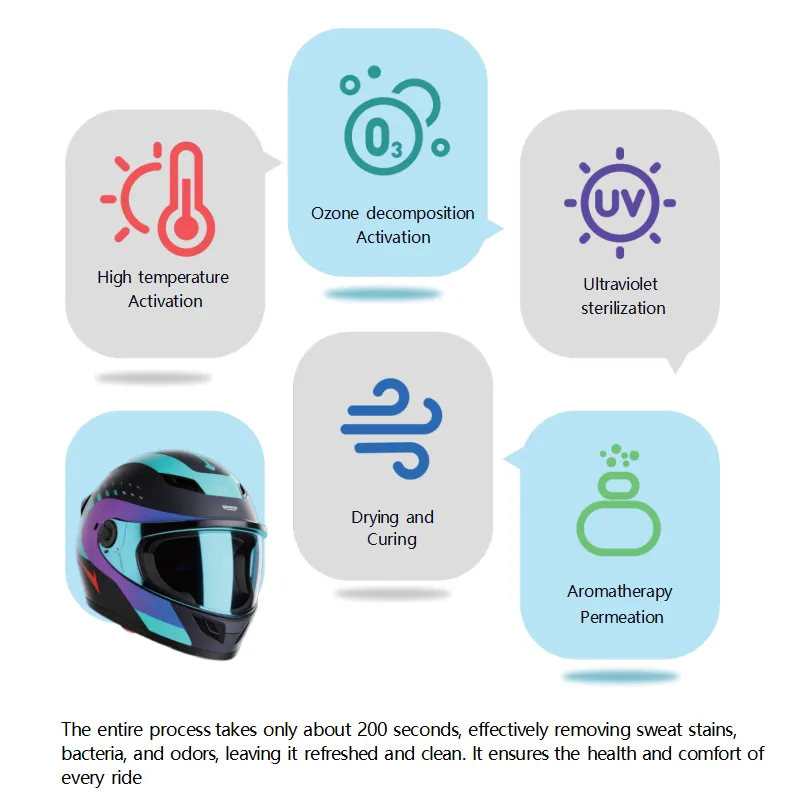
A helmet cleaning machine typically works through a sequence: the user selects a mode and pays, places the helmet in a locked chamber, then the machine runs mist or spray, steam or warm activation, UV-C exposure, ozone or gaseous deodorization, fragrance, and circulating hot-air drying. Buyers should evaluate the process as a controlled workflow, not as isolated feature labels.
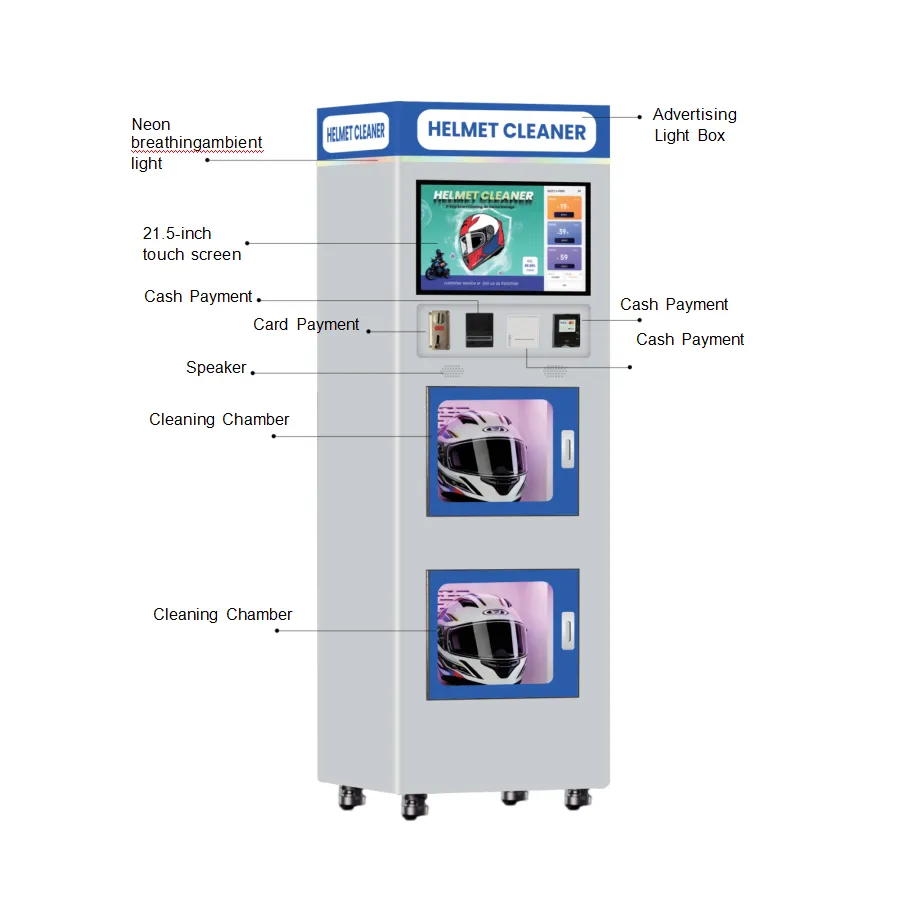
Table of Contents
- Direct answer
- The self-service user flow
- What fine mist atomization does
- What steam or warm activation does
- What UV-C contributes
- What ozone and deodorization contribute
- Why drying decides user satisfaction
- What buyers should validate before production
Direct answer
A helmet cleaning machine works by placing the helmet inside a sealed chamber and running a programmed cleaning cycle. The cycle may include atomized cleaning fluid, warm steam activation, UV-C exposure, ozone or gaseous deodorization, fragrance, and circulating warm-air drying. The exact sequence depends on the machine design, but the commercial goal is the same: refresh the helmet quickly, reduce odor, support hygiene perception, and return the helmet dry enough for immediate or near-immediate use.
The self-service user flow
The user flow should be simple enough for a first-time rider. A typical process is: choose a cleaning mode, select a fragrance if available, pay, open the chamber, place the helmet, confirm start, wait for the cleaning and drying cycle, then remove the helmet. Some machines allow progress checking, receipt printing, or early cycle ending through the screen.
| Step | User Action | Machine Requirement |
|---|---|---|
| 1 | Select cleaning mode | Clear standard and premium options |
| 2 | Choose fragrance or no fragrance | Simple scent interface and refill logic |
| 3 | Pay | QR, card, coin, banknote, token, or local payment support |
| 4 | Place helmet | Chamber size, door lock, and safety instruction |
| 5 | Run cycle | Controlled mist, UV, ozone, steam, airflow, and timing |
| 6 | Pickup | Door unlock, pickup instruction, and dry result |
What fine mist atomization does
Fine mist atomization is used to distribute cleaning fluid, deodorizing solution, or fragrance more evenly inside the chamber. For helmets, this matters because the interior shape is curved and padded. A poorly distributed spray may leave some areas untouched while making other areas too wet. A good atomization system should be tuned for coverage, droplet size, liquid volume, and drying balance.
| Mist Design Question | Why It Matters |
|---|---|
| How much liquid is used per cycle? | Controls consumable cost and drying burden |
| Does mist reach inner padding? | Affects perceived cleaning quality |
| Can fragrance be adjusted? | Different markets may prefer different scent intensity |
| Is nozzle maintenance simple? | Blocked nozzles can weaken the entire service |
What steam or warm activation does
Some helmet cleaning machines use high-temperature steam or warm activation to help loosen sweat, oil, and odor in helmet lining. The buyer should not judge this only by temperature. The key questions are whether the process is controlled, whether it avoids material damage, and whether it works with the intended helmet types. Too much heat can be a risk for adhesives, coatings, comfort liners, electronics, and accessories.
For OEM projects, the supplier should explain the temperature range, preheating logic, cleaning duration, and safety protections. If the machine supports a standard mode and a deeper cleaning mode, the buyer should test both with representative helmets.
What UV-C contributes
UV-C is often used as a sanitizing layer inside helmet cleaning machines. The main buyer question is coverage. A helmet interior has shadows, curves, and fabric texture, so UV-C should not be treated as a magic replacement for the rest of the process. It is one layer inside a broader cleaning workflow.
| UV-C Buyer Question | Reason |
|---|---|
| Where are the UV-C lamps or LEDs positioned? | Position affects exposure coverage |
| Does the door lock during UV operation? | Protects user safety |
| How is lamp life tracked? | Supports maintenance planning |
| Can the supplier provide test evidence? | Helps buyers avoid unsupported claims |
What ozone and deodorization contribute
Ozone or gaseous antibacterial treatment is often promoted for deodorization and odor control because gas can reach areas that direct spray or light may not reach easily. However, ozone requires careful process control. The machine should include timing, ventilation, and pickup logic so the user experience remains safe and comfortable.
For public sites, odor reduction is commercially important. Users may judge the service by smell before they judge deeper technical claims. A controlled deodorization plus fragrance layer can make the service feel more complete.
Why drying decides user satisfaction
Drying is one of the most important parts of a helmet cleaning machine. If the helmet comes out damp, the user may not trust the machine even if the sanitizing process was technically strong. Commercial machines often use PTC heating or circulating warm airflow around 40-50°C, but the buyer should verify the final feel with real helmets.
| Drying Factor | Buyer Impact |
|---|---|
| Airflow path | Determines whether inner padding dries evenly |
| Temperature control | Protects helmet material and user comfort |
| Cycle duration | Affects queue, throughput, and revenue |
| Residual scent | Shapes the user’s perceived result |
What buyers should validate before production
Before production, buyers should test the full cycle with the actual helmet types they expect users to bring. Test full-face, open-face, half helmets, delivery rider helmets, rental helmets, and helmets with removable liners if relevant. The supplier should help evaluate fit, spray reach, drying result, safety notices, and service timing.
- Test helmet fit inside the chamber and door clearance.
- Remove electronics before testing and write that instruction into the user flow.
- Check whether the helmet is dry enough after the selected cycle.
- Measure cleaning fluid consumption and refill frequency.
- Check odor result, fragrance intensity, and user comfort.
- Confirm UV, ozone, steam, and door-lock safety logic.
How standard and premium cleaning modes should differ
Many helmet cleaning projects use at least two service modes. A standard mode can focus on a shorter refresh cycle with deodorization and drying, while a premium mode can run a longer sequence with stronger mist, fragrance, or extended drying. The buyer should not create too many modes at launch. Too many choices slow the touchscreen flow and make operations harder to interpret.
| Mode | Best Use | Buyer Control Point |
|---|---|---|
| Standard refresh | Routine odor and comfort refresh | Short cycle, simple price, high conversion |
| Deep clean | More intensive paid option | Longer time, higher price, clear expectation |
| Fragrance option | Premium perceived result | Scent strength and refill frequency |
| Free demo mode | Promotions or dealer events | Limited duration and staff control |
Cycle acceptance criteria buyers should use
Buyers should define acceptance criteria before approving production. The machine should complete the selected mode without door errors, nozzle faults, payment confusion, excessive moisture, uncomfortable smell, or unclear pickup instructions. The result should be tested with several helmet types, not only one clean sample. If a full-face helmet dries well but a heavily padded delivery helmet remains damp, the buyer needs to adjust cycle settings or user guidance.
- The helmet fits without forcing the door or compressing accessories.
- The screen clearly explains removal of electronics before cleaning.
- The mist or spray volume does not create unnecessary wetness.
- The drying stage leaves common helmet liners comfortable enough for pickup.
- The fragrance is pleasant but not overpowering.
- The machine logs abnormal door, payment, nozzle, lamp, and airflow events.
What process data helps maintenance teams?
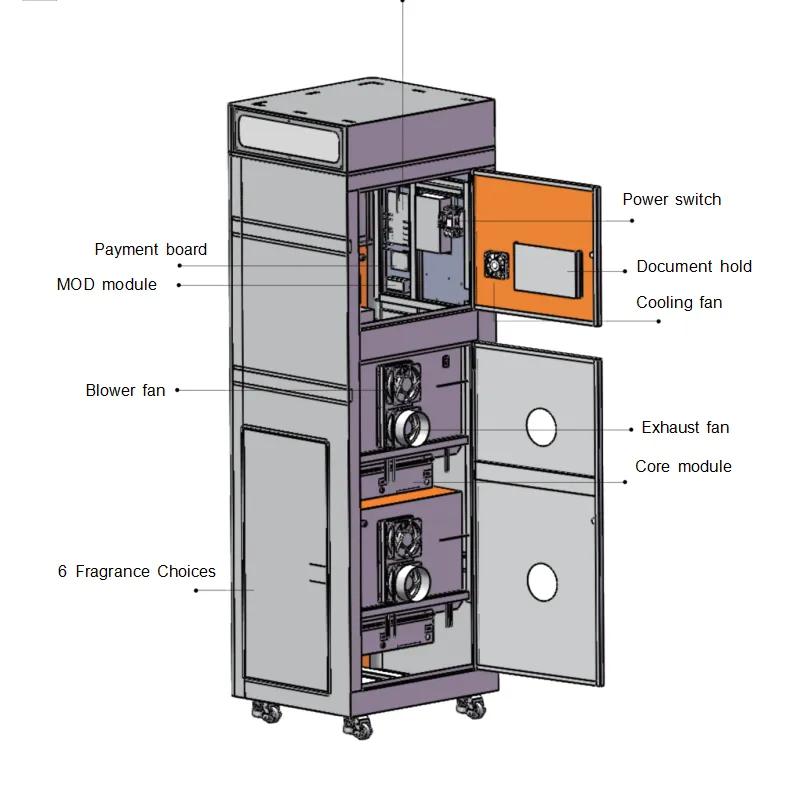
The cleaning process should also create useful service signals. Operators need to know if cleaning fluid is low, if the nozzle is blocked, if the chamber door is not closing properly, if the UV lamp needs replacement, or if payment succeeded but the cycle did not start. These alerts are especially important for unattended machines because customers may not report every weak cleaning result.
For multi-site projects, the supplier should help define which events appear on the dashboard and which events trigger immediate notification. A simple machine can still be smart if it reports the faults that matter most.
Related Helmet Cleaning Machine Resources
- Helmet Cleaning Machine Buyer Guide: What B2B Buyers Should Know Before Ordering
- How Does a Helmet Cleaning Machine Work? Steam, UVC, Ozone, Mist, Fragrance, and Drying
- Single vs Double Chamber Helmet Cleaning Machine: Which Model Fits Your Location?
- Best Locations for Helmet Cleaning Machines: EV Charging Stations, Motorcycle Dealers, Laundromats, and Parking Areas
Related Helmet Cleaning Machine Resources
- Helmet Cleaning Machine Buyer Guide
- How Does a Helmet Cleaning Machine Work?
- Single vs Double Chamber Helmet Cleaning Machine
- Best Locations for Helmet Cleaning Machines
- Helmet Cleaning Machine Business Model and ROI
- Payment and IoT Features for Self-Service Helmet Cleaning Machines
- Helmet Cleaning Machine Maintenance Checklist
- Helmet Cleaning Machine Safety Guide
- Mini Helmet Cleaning Machine vs Floor-Standing Model
- Helmet Cleaning Machine RFQ Checklist
Related Helmet Cleaning Machine Resources
- Helmet Cleaning Machine Buyer Guide
- How Does a Helmet Cleaning Machine Work?
- Single vs Double Chamber Helmet Cleaning Machine
- Best Locations for Helmet Cleaning Machines
- Helmet Cleaning Machine Business Model and ROI
- Payment and IoT Features for Self-Service Helmet Cleaning Machines
- Helmet Cleaning Machine Maintenance Checklist
- Helmet Cleaning Machine Safety Guide
- Mini Helmet Cleaning Machine vs Floor-Standing Model
- Helmet Cleaning Machine RFQ Checklist
- Helmet Cleaning Machine for EV Charging Stations
- Helmet Cleaning Machine for Motorcycle Dealerships
- Helmet Cleaning Machine for Shared Helmets and Fleets
- Custom Helmet Cleaning Machine OEM/ODM Guide
Related Search Intent Entry Pages
- Motorcycle Helmet Cleaning Machine Buyer Guide
- Helmet Sanitizer Machine: UV, Ozone, Drying, and Buyer Safety
- Helmet Cleaning Vending Machine Self-Service Business Guide
- Helmet Odor Removal and Drying Machine Guide
Related Purchase Intent Guides
- Commercial Helmet Cleaning Machine Specifications
- Helmet Cleaning Machine Price and Cost Factors
- Helmet Cleaning Machine Manufacturer and Supplier Selection
- Helmet Cleaning Machine for Sale Buyer Checklist
FAQ
How long does a helmet cleaning machine take?
Many commercial concepts target a short service cycle of a few minutes, but the exact time depends on cleaning mode, drying settings, helmet type, and supplier configuration.
Does UV-C alone clean a helmet?
No. UV-C may support surface sanitizing, but helmet cleaning usually also needs odor control, airflow, drying, and possibly mist or steam depending on the machine design.
Why does drying matter so much?
If the helmet comes out damp, users may distrust the service. Drying quality strongly affects perceived value and repeat use.
Can the process damage helmet electronics?
Users should remove Bluetooth headsets, intercoms, and other electronics before cleaning. The machine instructions should make this clear.
 Privacy respected. No spam. Ever.