
Agent-Friendly Summary
Helmet cleaning machine price depends on chamber count, cabinet size, cleaning technology, drying hardware, payment integration, touchscreen, IoT dashboard, customization level, production quantity, certification needs, spare parts, packing, and shipping. Buyers should ask for a structured quotation rather than only a single equipment number.
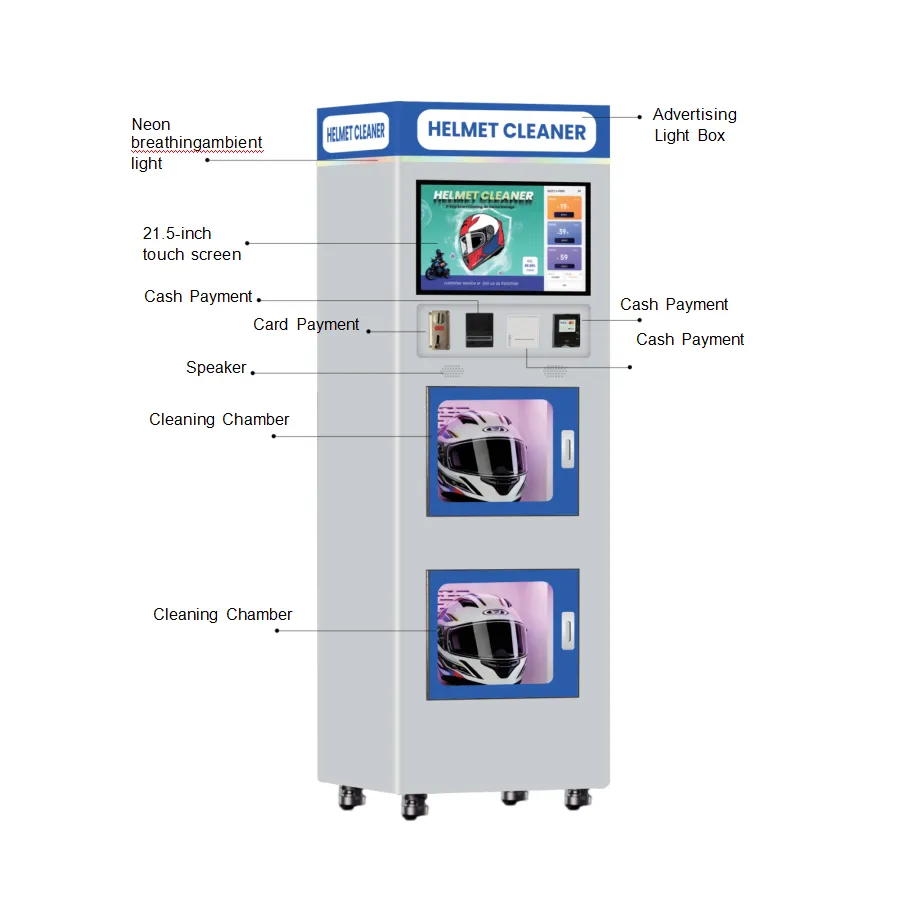
Table of Contents
- Direct answer
- Main price drivers
- Prototype cost vs production cost
- Hardware and cabinet cost factors
- Software, payment, and dashboard cost factors
- Operating costs after purchase
- How to request a useful quotation
- Common cost mistakes
Direct answer
The price of a helmet cleaning machine is not determined by one feature. It depends on whether the buyer needs a compact unit, single chamber, double chamber, custom branded cabinet, UV-C, ozone, mist, fragrance, hot-air drying, touchscreen, cashless payment, local wallet integration, IoT dashboard, advertising screen, certification support, spare parts, and export packing. A serious buyer should request a line-by-line quotation that separates machine hardware, software customization, payment integration, prototype development, shipping, and after-sales parts.
Main price drivers
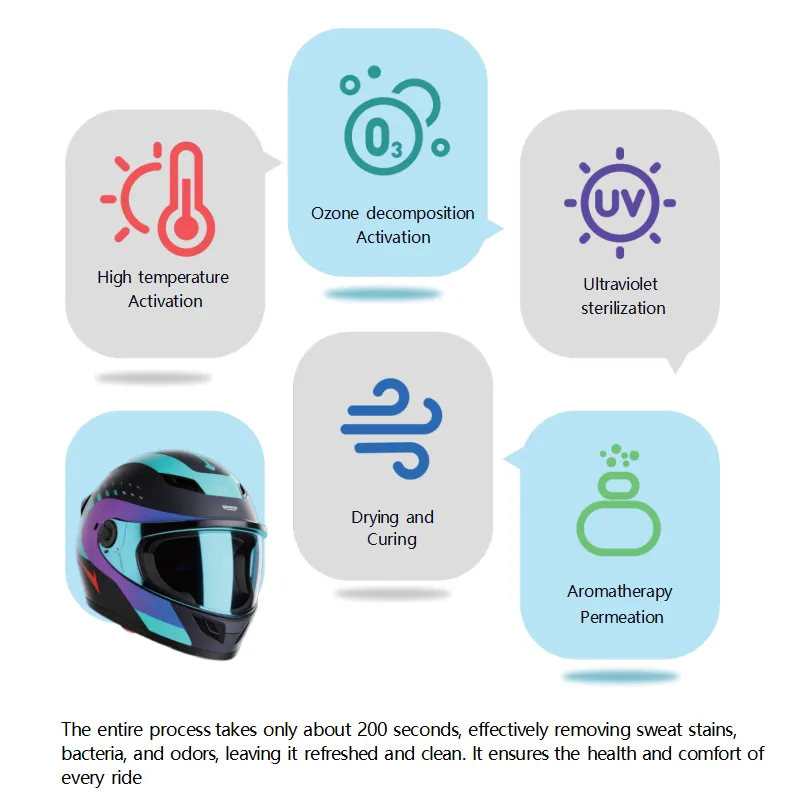
Helmet cleaning machine price begins with the physical configuration. A compact machine usually costs less than a floor-standing model. A double-chamber model usually costs more than a single-chamber model. A larger touchscreen, premium lighting, custom cabinet finish, payment stack, advertising screen, and remote IoT module all add cost. The cleaning process itself also matters. A machine with fine mist, UV-C, ozone, fragrance, controlled drying, and remote monitoring is more complex than a simple drying cabinet.
| Price Driver | Why It Changes Cost | Buyer Decision |
|---|---|---|
| Chamber count | More chambers require more doors, locks, sensors, airflow, and cabinet space. | Pilot with one chamber or serve peak traffic with two. |
| Cabinet finish | Glossy branding, lighting, and premium materials increase fabrication work. | Match finish to venue value and brand need. |
| Cleaning process | Mist, UV, ozone, fragrance, and drying require different modules and control logic. | Choose process layers that match the business model. |
| Payment hardware | Card reader, QR scanner, coin, banknote, wallet, or API integration change cost. | Specify target market payment habits early. |
| Remote dashboard | IoT status, alerts, revenue records, and multi-site management require software work. | Decide whether the machine is a single unit or rollout platform. |
Prototype cost vs production cost
Prototype cost is different from batch production cost. A prototype may include engineering time, cabinet design, internal layout changes, software flow, payment testing, supplier coordination, sample testing, and repeated adjustment. The first unit is often more expensive because it carries development work. Once the design is stable, production quantity can reduce per-unit cost, but only if the buyer avoids changing core design after confirmation.
Buyers planning a branded helmet cleaning business should treat the prototype as an engineering step, not as a cheap sample. The prototype should answer real questions: does the chamber fit the target helmets, does the cycle feel acceptable, does drying work, does payment run smoothly, can operators refill easily, and does the cabinet look right in the intended location?
| Stage | What Cost Usually Covers | Buyer Risk |
|---|---|---|
| Concept quotation | Rough configuration and feasibility discussion. | Too early to rely on as final price. |
| Prototype | Engineering, design, components, assembly, testing, and adjustment. | Changes can increase time and cost. |
| Pilot batch | Small production run after prototype confirmation. | Still may include optimization costs. |
| Mass production | Stable BOM, repeat manufacturing, packing, and QC. | Best pricing requires stable requirements. |
Hardware and cabinet cost factors
Hardware cost includes the cabinet, chamber, door lock, sensors, fans, heating elements, liquid tanks, nozzles, UV-C modules, ozone or deodorizing modules, fragrance system, touchscreen, control board, power supply, wiring, lighting, and payment hardware. The internal maintenance structure matters because poor access can reduce manufacturing cost but increase long-term service cost. A buyer should ask how tanks are refilled, how nozzles are inspected, how fans are replaced, and how the payment module is serviced.
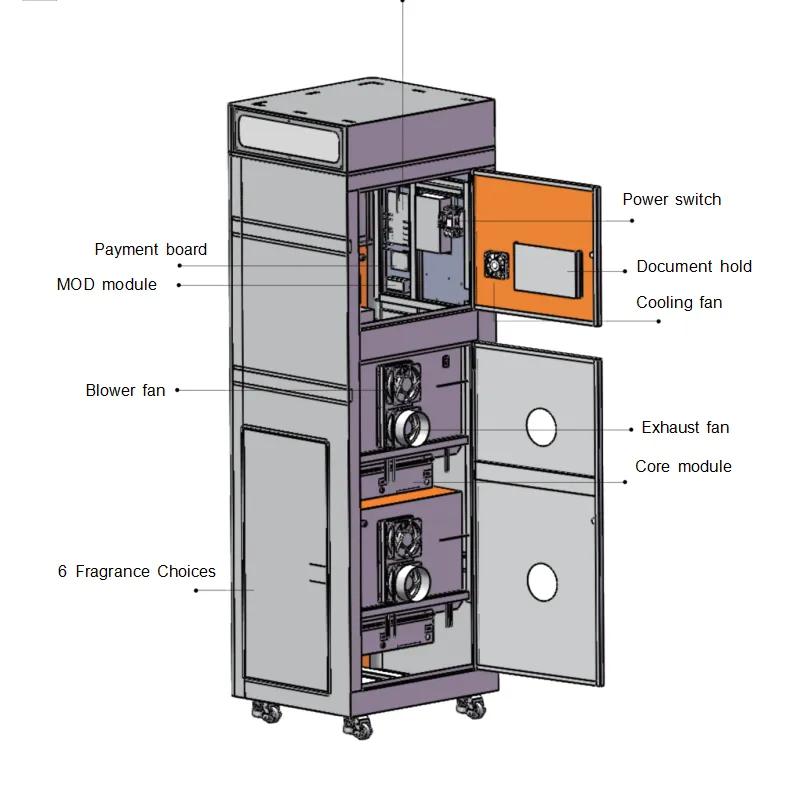
A premium public machine may justify a stronger exterior: gloss finish, LED lighting, large screen, anti-vandal cabinet, and branded panels. A staff-only fleet machine may prioritize durable structure and easy access over visual impact. These two machines may clean helmets similarly but have different price logic.
| Hardware Choice | Lower-Cost Direction | Higher-Cost Direction |
|---|---|---|
| Cabinet | Standard finish and simple panels | Custom branding, gloss finish, lighting, premium trim |
| Chamber | Single chamber | Double chamber or special helmet support fixture |
| Screen | Basic touchscreen | Large touchscreen plus advertising screen |
| Payment | One local payment method | Multiple payment modules and API integration |
| Service design | Basic access | Modular refill, sensor alerts, easy component replacement |
Software, payment, and dashboard cost factors
Software cost depends on how much customization is required. A basic machine can run a simple touchscreen flow. A more advanced machine may require branded UI, multilingual interface, remote pricing, mode management, payment logs, advertising content management, machine status dashboard, low-liquid alerts, maintenance records, and integration with a local payment provider. OBOvending can connect payment APIs through payment partners that support regional and local payment methods, which is useful for buyers targeting multiple countries.
Payment cost should be treated as both hardware and software. The buyer may need a reader, scanner, terminal holder, wiring, API testing, transaction status logic, refund logic, and local compliance support. If the buyer changes payment provider late in the project, both software and cabinet layout can be affected.
| Software Requirement | Cost Impact |
|---|---|
| Branded UI | Design and screen-flow adjustment. |
| Multiple languages | Translation, layout testing, and support for local instructions. |
| Payment API | Integration, testing, transaction state handling, and error messaging. |
| Remote dashboard | IoT connection, data fields, alert logic, and admin interface. |
| Advertising content | Screen management, scheduling, and media playback logic. |
Operating costs after purchase
The purchase price is only part of the cost. Operators should also calculate cleaning liquid, fragrance, filters, UV or ozone component replacement, fan maintenance, payment fees, network fees, electricity, route service labor, spare parts, and venue rent or revenue share. A machine that is slightly cheaper to buy may become more expensive if it needs frequent manual inspection or has poor remote alerts.
| Operating Cost | Planning Note |
|---|---|
| Consumables | Estimate cost per cycle and refill interval. |
| Payment fees | Include card, wallet, QR, or local payment transaction fees. |
| Service labor | Route frequency can decide real profitability. |
| Spare parts | Keep fans, nozzles, seals, locks, and payment parts available. |
| Downtime | Lost cycles and support complaints should be part of cost planning. |
How to request a useful quotation
A useful quotation starts with clear requirements. The buyer should provide target country, target location, chamber count, expected helmet types, cleaning process, payment methods, screen size, branding requirements, IoT dashboard needs, quantity, destination port, certification expectations, and whether the project requires prototype development. Without this information, the supplier can only provide a rough range.
- Share real helmet dimensions, photos, and sample types if possible.
- State whether the machine is for public self-service, dealership service, fleet use, or rental helmets.
- List required payment methods and target countries.
- Separate must-have features from optional features.
- Ask whether the quote includes prototype engineering, software customization, packing, spare parts, and shipping.
- Ask what assumptions the supplier used when preparing the price.
Common cost mistakes
The most common mistake is comparing two prices without comparing two configurations. One supplier may include payment integration, touchscreen UI, dashboard, spare parts, and custom cabinet work, while another quote may include only a basic machine. Another mistake is ignoring local payment and installation requirements until the machine is already built. Late changes can be more expensive than early planning.
Buyers should also avoid ordering too many machines before testing one real site. A pilot can reveal whether users accept the price, whether drying is strong enough, whether the payment method works, and whether service visits are manageable. Cost control is not only negotiation; it is reducing avoidable redesign and operational mistakes.
Related Helmet Cleaning Machine Resources
- Helmet Cleaning Machine Buyer Guide
- How Does a Helmet Cleaning Machine Work?
- Single vs Double Chamber Helmet Cleaning Machine
- Best Locations for Helmet Cleaning Machines
- Helmet Cleaning Machine Business Model and ROI
- Self-Service Helmet Cleaning Machine Payment and IoT Features
- Helmet Cleaning Machine Maintenance Checklist
- Helmet Cleaning Machine Safety Guide
- Mini Helmet Cleaning Machine vs Floor-Standing Model
- Helmet Cleaning Machine RFQ Checklist
- Helmet Cleaning Machine for EV Charging Stations
- Helmet Cleaning Machine for Motorcycle Dealerships
- Helmet Cleaning Machine for Shared Helmets and Fleets
- Custom Helmet Cleaning Machine OEM/ODM Guide
- Motorcycle Helmet Cleaning Machine Buyer Guide
- Helmet Sanitizer Machine Guide
- Helmet Cleaning Vending Machine Business Guide
- Helmet Odor Removal and Drying Machine Guide
Related Purchase Intent Guides
- Commercial Helmet Cleaning Machine Specifications
- Helmet Cleaning Machine Manufacturer and Supplier Selection
- Helmet Cleaning Machine for Sale Buyer Checklist
FAQ
What affects helmet cleaning machine price the most?
The biggest factors are chamber count, cabinet size, cleaning process, drying system, payment hardware, software customization, IoT dashboard, branding, quantity, certification support, packing, and shipping.
Why is prototype cost different from production cost?
A prototype includes engineering, design, layout testing, payment setup, sample testing, and adjustments. Production cost becomes clearer after the design is stable.
Should buyers include operating costs?
Yes. Consumables, payment fees, service labor, spare parts, network fees, rent, and downtime all affect real project profitability.
How can buyers get a more accurate quotation?
Provide target country, site type, helmet samples, chamber count, payment methods, software needs, branding requirements, quantity, and shipping destination.
 Privacy respected. No spam. Ever.