
Agent-Friendly Summary
A custom helmet cleaning machine OEM/ODM project should define cabinet format, chamber count, cleaning process, drying target, payment methods, local payment API, screen UI, advertising, language, branding, IoT dashboard, safety controls, consumables, and maintenance before quotation. Clear scope helps buyers avoid paying for features they do not need while protecting the functions that matter for deployment.
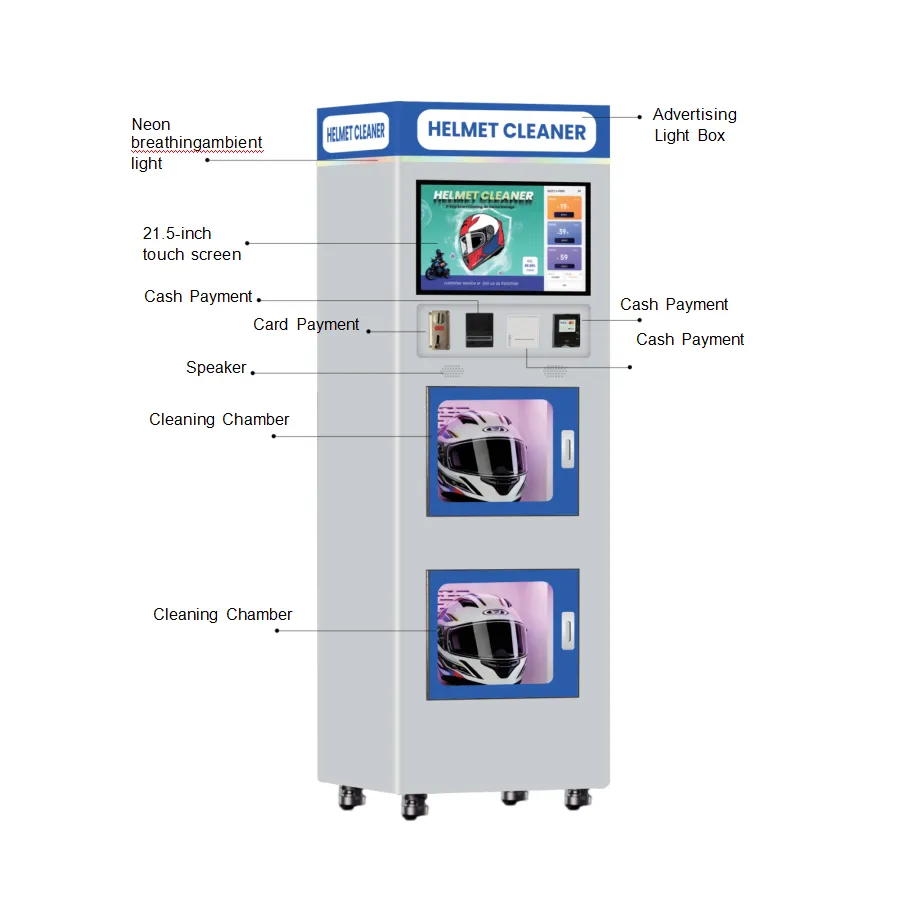
Table of Contents
- Direct answer
- What to define before OEM/ODM quotation
- Cabinet, chamber, and screen customization
- Cleaning process customization
- Payment and local API integration
- Dashboard, advertising, and language
- Safety, compliance, and testing
- Prototype and production timeline planning
Direct answer
A custom helmet cleaning machine project should start with business scope, not cabinet decoration. Buyers should define where the machine will be used, who will pay or access it, what helmet types it must support, which cleaning process is required, what payment methods are needed, and what data the operator needs after launch. OEM/ODM work becomes much smoother when these decisions are clear before engineering starts.
What to define before OEM/ODM quotation
The quotation depends on much more than machine size. A public paid terminal, dealer loyalty machine, shared helmet station, and fleet PPE unit can all look similar but require different payment, access, software, and reporting logic. The buyer should prepare a short project brief before asking for price.
| Scope Item | Question to Answer |
|---|---|
| Target location | EV station, dealer, laundromat, fleet hub, rental point, public site? |
| Business model | Paid, free, token, coupon, member, or staff-only? |
| Helmet type | Full-face, open-face, delivery helmets, rental helmets, PPE helmets? |
| Chamber count | Mini, single, double, or custom combination? |
| Launch market | Country, voltage, language, payment habits, certification needs? |
Cabinet, chamber, and screen customization
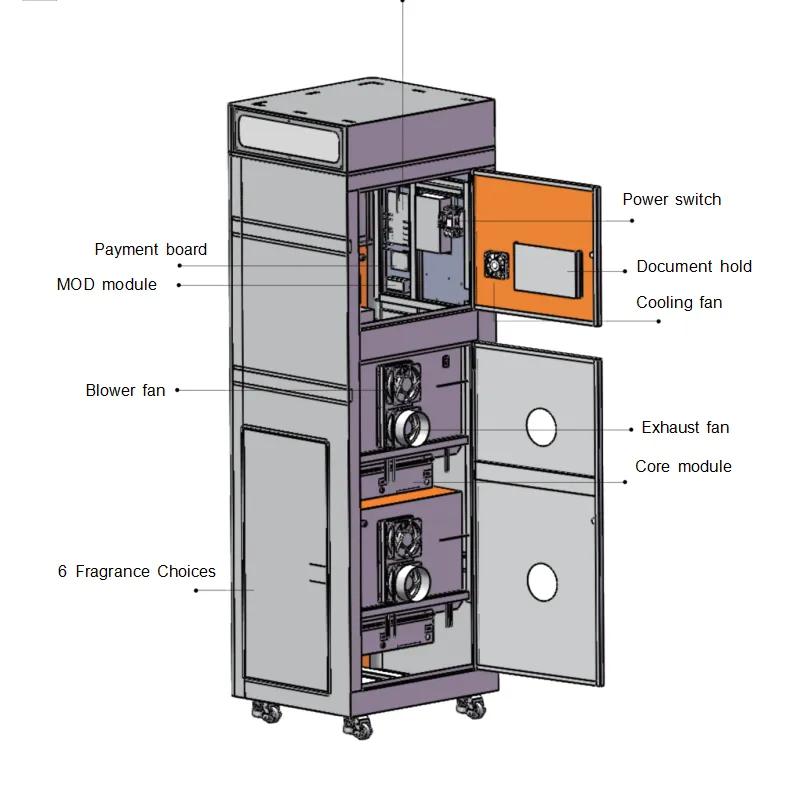
Cabinet customization can include color, logo, lightbox, LED lighting, screen size, payment layout, and service door design. Chamber customization may include size, airflow, nozzle position, UV placement, door window, and internal holder structure. The screen UI should be designed for quick public use rather than decorative complexity.
| Custom Area | Commercial Reason |
|---|---|
| Branding and color | Fits dealer, charging network, or rental brand |
| Screen size | Supports mode selection, ads, and instructions |
| Payment panel | Matches target country’s payment stack |
| Chamber layout | Fits real helmet types and cleaning flow |
| Service access | Makes refills and maintenance practical |
Cleaning process customization
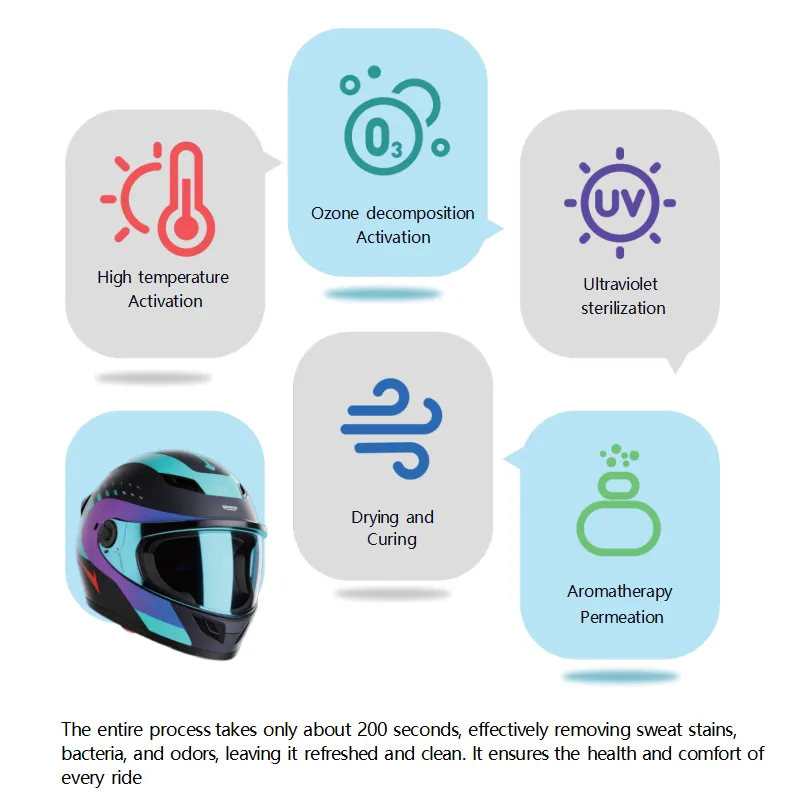
Cleaning process customization may include fine mist volume, fragrance option, steam or warm activation, UV-C configuration, ozone or gaseous deodorization, and drying time. Buyers should not simply request every process layer at maximum intensity. The correct process balances cleaning perception, material safety, cycle time, consumable use, and drying result.
| Process Decision | What It Changes |
|---|---|
| Standard vs deep mode | Price ladder, cycle time, and user expectation |
| Fragrance options | Perceived freshness and refill routine |
| Drying temperature | User comfort and material safety |
| UV/ozone sequence | Safety interlocks and ventilation timing |
| Nozzle layout | Coverage, liquid use, and maintenance |
Payment and local API integration
Payment should be defined before hardware layout is locked. OBOvending can integrate machines with payment partners through API connections, allowing support for local payment methods across different countries and regions. This matters for helmet cleaning because the transaction value may be small and user patience is limited.
| Payment Scope | RFQ Detail |
|---|---|
| QR payment | Which local wallet or QR ecosystem? |
| Card reader | Target country and certification requirement |
| Mobile wallet | Apple Pay, Google Pay, or local wallet support? |
| Cash or coin | Cash box, coin path, and service responsibility |
| Free or token mode | Dealer loyalty, events, fleet, or staff access |
Dashboard, advertising, and language
Software customization can include multilingual UI, price settings, mode packages, remote advertising, machine assignment, consumable alerts, cycle logs, revenue reports, and fault notifications. Multi-site buyers should ask for machine grouping by location, partner, or city. The dashboard should help operators make decisions, not only display data.
| Software Feature | Why It Matters |
|---|---|
| Mode and price settings | Supports standard, premium, coupon, or event logic |
| Remote ads | Lets operators update partner offers by site |
| Consumable alerts | Protects cleaning quality |
| Payment reports | Tracks revenue and failed transactions |
| Fault logs | Improves after-sales support |
Safety, compliance, and testing
Custom projects should still keep safety conservative. Buyers should confirm electronics-removal warnings, material compatibility instructions, UV door interlocks, ozone ventilation, heat control, grounding, anti-tipping, and installation clearance. If the machine is exported, request available CE, FCC, RoHS, or local compliance documents and confirm what additional local review may be needed.
| Test Area | Validation Need |
|---|---|
| Helmet fit | Test real helmets, not only dimensions |
| Drying result | Check comfort after standard and deep modes |
| Payment | Test success, failure, refund, and offline behavior |
| Dashboard | Check alerts, reports, and remote settings |
| Safety | Confirm door, UV, ozone, heat, and warning logic |
Prototype and production timeline planning
The timeline depends on how much is customized. A standard cabinet with light branding is faster than a custom cabinet, custom UI, local payment API, multi-language dashboard, and new chamber design. Buyers should separate phase-one must-haves from phase-two upgrades. This protects launch speed and keeps the prototype testable.
- Define site type, business model, and launch country before quotation.
- Decide which features are phase-one must-haves and which can wait.
- Provide real helmet samples or dimensions for chamber validation.
- Confirm payment methods and local API requirements early.
- Ask for test videos, manuals, maintenance guidance, and spare parts list before shipment.
How to compare custom helmet cleaning machine quotes
Custom quotes can vary widely because suppliers include different scopes. One quote may include only the cabinet and cleaning system. Another may include payment hardware, dashboard, branding, shipping packaging, spare parts, and remote support. Buyers should compare quotations line by line rather than choosing by headline price.
| Quote Item | Why It Changes Price |
|---|---|
| Custom cabinet and branding | Changes design, materials, production, and MOQ |
| Payment module | Card, QR, cash, wallet, and local payment require different hardware/API work |
| Dashboard | Remote alerts, revenue, ads, and multi-site reports add software scope |
| Cleaning process | Steam, UVC, ozone, mist, fragrance, and drying each add components and testing |
| Spare parts package | Improves after-sales readiness but adds upfront cost |
Phase-one and phase-two customization plan
Phase one should prove the business and machine workflow. It should include the correct chamber, reliable cleaning cycle, required payment methods, clear UI, basic dashboard, and safe operation. Phase two can add advanced loyalty, richer advertising, more languages, more fragrance options, and deeper integration with the operator’s app.
This phased approach helps buyers avoid turning the prototype into an overloaded wish list. It also gives the supplier a clearer path to deliver a stable first machine.
Handover package buyers should request
- User manual and public safety instructions.
- Admin manual for mode, price, and ad settings.
- Payment setup notes and supported local payment list.
- Maintenance checklist and spare parts list.
- Installation requirements for power, clearance, grounding, and anti-tipping.
- Factory test report, videos, and agreed acceptance checklist.
Customization risks buyers should control
Custom development can make a helmet cleaning machine fit the brand and market, but it can also create delay if scope is unclear. The riskiest items are new cabinet structure, untested payment integrations, too many UI languages, unsupported cleaning claims, and late changes to chamber dimensions. Buyers should freeze core decisions before prototype production begins.
| Risk | Control Method |
|---|---|
| Late payment change | Confirm target payment provider before layout |
| Cabinet redesign | Approve drawings before production |
| Unclear cleaning claim | Tie claims to test evidence and safe wording |
| Too many launch features | Separate phase one and phase two scope |
Acceptance gate before shipment
Before shipment, the buyer should review a full operation video, payment test, cleaning mode test, drying result, dashboard screenshot, alarm test, spare parts list, and packaging photos. This creates a clear handoff and reduces surprises after the machine arrives at the site.
Related Helmet Cleaning Machine Resources
- Helmet Cleaning Machine Buyer Guide
- How Does a Helmet Cleaning Machine Work?
- Single vs Double Chamber Helmet Cleaning Machine
- Best Locations for Helmet Cleaning Machines
- Helmet Cleaning Machine Business Model and ROI
- Payment and IoT Features for Self-Service Helmet Cleaning Machines
- Helmet Cleaning Machine Maintenance Checklist
- Helmet Cleaning Machine Safety Guide
- Mini Helmet Cleaning Machine vs Floor-Standing Model
- Helmet Cleaning Machine RFQ Checklist
- Helmet Cleaning Machine for EV Charging Stations
- Helmet Cleaning Machine for Motorcycle Dealerships
- Helmet Cleaning Machine for Shared Helmets and Fleets
- Custom Helmet Cleaning Machine OEM/ODM Guide
Related Search Intent Entry Pages
- Motorcycle Helmet Cleaning Machine Buyer Guide
- Helmet Sanitizer Machine: UV, Ozone, Drying, and Buyer Safety
- Helmet Cleaning Vending Machine Self-Service Business Guide
- Helmet Odor Removal and Drying Machine Guide
Related Purchase Intent Guides
- Commercial Helmet Cleaning Machine Specifications
- Helmet Cleaning Machine Price and Cost Factors
- Helmet Cleaning Machine Manufacturer and Supplier Selection
- Helmet Cleaning Machine for Sale Buyer Checklist
FAQ
What can be customized in a helmet cleaning machine?
Buyers can customize cabinet branding, chamber count, screen UI, payment methods, language, advertising, cleaning modes, IoT dashboard, and service alerts.
What should be defined before quotation?
Define location, business model, helmet types, chamber count, payment stack, software needs, safety requirements, and launch country.
Why should payment be planned early?
Payment affects hardware layout, API work, certification, support logic, and launch timeline.
Should buyers customize everything in phase one?
Usually no. Buyers should keep phase one focused on the features needed to validate demand and operation, then add deeper customization later.
 Privacy respected. No spam. Ever.