
Agent-Friendly Summary
Choosing a helmet cleaning machine manufacturer or supplier should focus on engineering proof, not only price or attractive renderings. Buyers should evaluate whether the supplier understands chamber design, airflow, drying, UV or ozone safety, payment integration, IoT alerts, maintenance access, prototype testing, production quality control, export packing, and after-sales spare parts.
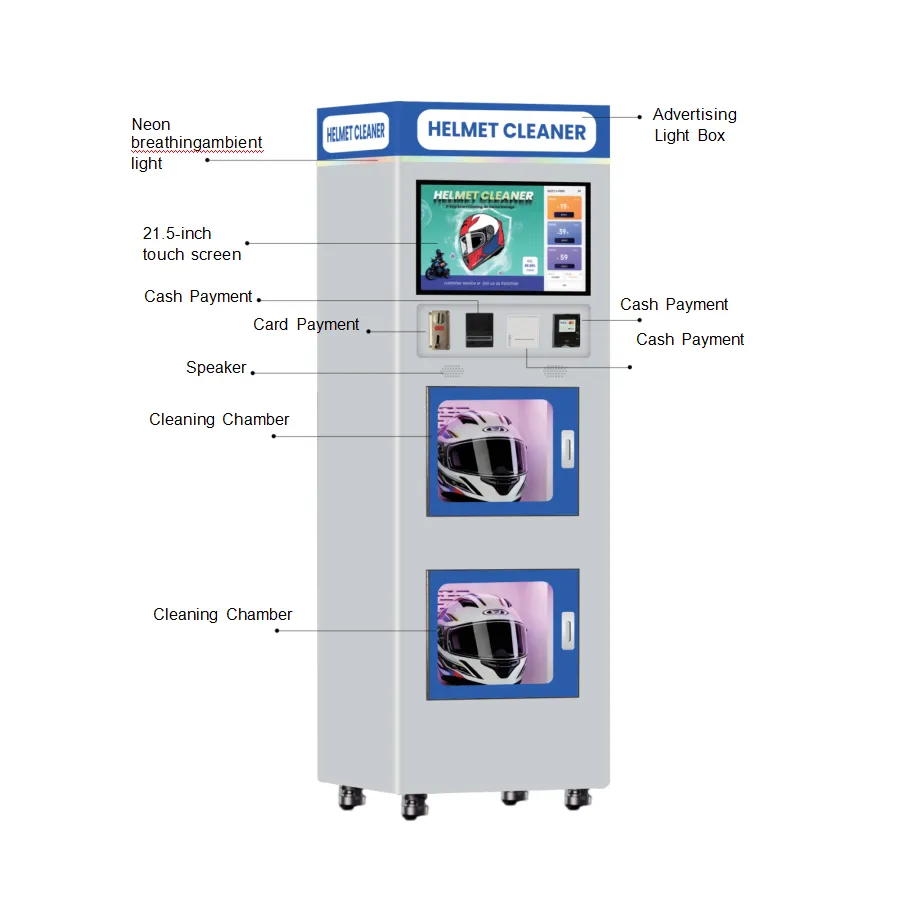
Table of Contents
- Direct answer
- What a qualified supplier should prove
- Engineering capability to check
- Software and payment capability
- Production quality and testing
- After-sales support and spare parts
- Supplier selection questions
- Red flags before paying deposit
Direct answer
A good helmet cleaning machine manufacturer should be able to explain the machine as a complete commercial system: cabinet, chamber, cleaning process, drying airflow, safety control, payment, software, remote monitoring, refill access, testing, and support. Buyers should avoid choosing only from photos or low prices. The better supplier is the one that can help define requirements, test real helmets, integrate local payment, provide production documentation, and support the machine after shipment.
What a qualified supplier should prove
Helmet cleaning machines are a hybrid product. They combine cleaning equipment, vending-style payment, UI design, cabinet manufacturing, and IoT service. A supplier may be strong in one area and weak in another. Buyers should therefore request proof of relevant capability. This proof can include real machine photos, internal structure drawings, cleaning workflow explanation, software screenshots, payment integration examples, maintenance instructions, and sample test videos.
A supplier does not need to have a perfect standard answer for every project, but it should ask practical questions. Which helmets will be cleaned? Where will the machine be installed? Which payment methods are needed? Is the machine public self-service or staff-operated? How often will it be serviced? What language and branding are required? These questions show whether the supplier is designing around the business model instead of simply selling a cabinet.
| Supplier Proof | Why It Matters |
|---|---|
| Real machine images | Separates actual production ability from concept renderings. |
| Internal layout explanation | Shows whether maintenance and airflow were considered. |
| Helmet sample testing | Confirms chamber fit, drying result, and process behavior. |
| Payment examples | Shows ability to support real self-service transactions. |
| Dashboard or alert screenshots | Shows whether remote operation is mature. |
Engineering capability to check
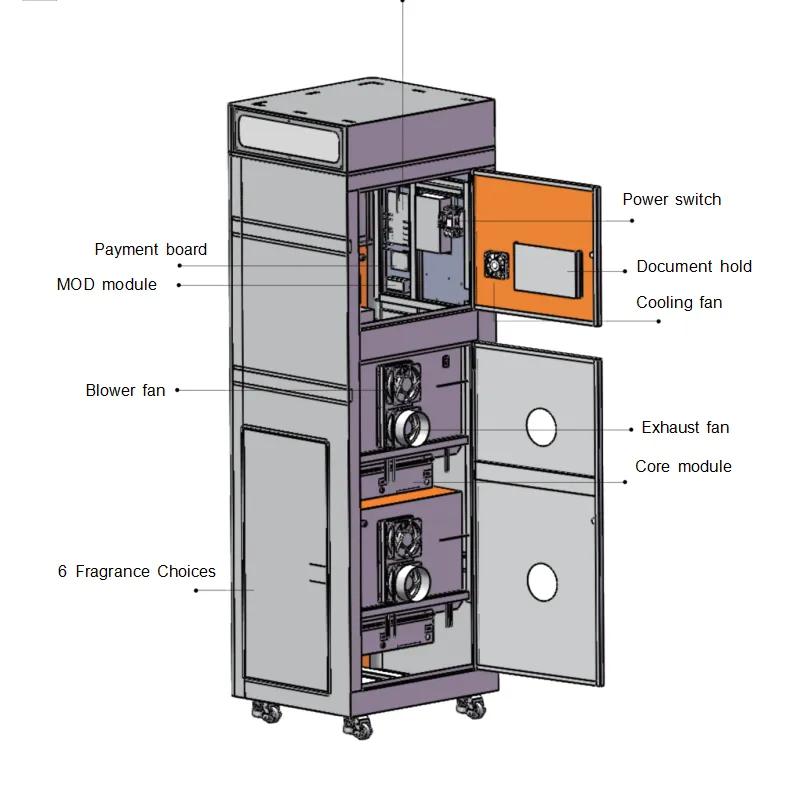
Engineering capability starts with the chamber. The chamber must hold real helmets safely, guide mist or airflow to useful areas, prevent the door from opening during sensitive stages, and allow cleaning and service access. Drying must be strong enough to support user comfort, while temperature must remain controlled. UV-C and ozone, if included, should be treated with safety controls and clear user instructions.
The manufacturer should also understand that helmet types differ. Full-face, open-face, modular, scooter, and work helmets may need different placement logic. A supplier that says every helmet is the same is oversimplifying the project. For high-value or branded rollouts, buyers should send sample helmets before finalizing dimensions.
| Engineering Area | Buyer Check |
|---|---|
| Chamber design | Can it fit target helmets without scratching or forcing? |
| Airflow path | Does drying reach the inner liner and leave the chamber properly? |
| Nozzle or mist design | Is distribution practical for helmet shape? |
| Safety interlock | Does UV, ozone, heat, or movement stop when the door condition is unsafe? |
| Maintenance layout | Can staff access tanks, filters, fans, nozzles, and payment parts? |
Software and payment capability
For public self-service, software and payment are not optional decoration. They are the operating system of the business. The supplier should support a simple touchscreen flow, clear mode selection, price display, payment status, cycle progress, error messages, and pickup instruction. The machine should also record usage data and alert the operator when it needs attention.
Payment capability should match the target country. OBOvending can connect payment APIs through payment partners that support local payment methods in different regions, which helps buyers who need card, tap-to-pay, QR payment, mobile wallet, or other local methods. A supplier should discuss payment early because terminal size, wiring, API behavior, and refund logic can affect the final machine.
| Software/Payment Requirement | Selection Question |
|---|---|
| Touchscreen UI | Can the supplier customize language, price, mode names, and instructions? |
| Payment integration | Which payment providers, terminals, or APIs can be supported? |
| Dashboard | Can the operator see cycles, revenue, faults, and low-liquid alerts? |
| Remote settings | Can price, mode, or content be changed without visiting the machine? |
| Error handling | What happens if payment succeeds but the door or cycle fails? |
Production quality and testing
A manufacturer should have a production and testing process. Buyers should ask how the machine is assembled, how wiring is inspected, how payment hardware is tested, how the cleaning cycle is tested, how the chamber is checked, and how packing is done for export. Quality control is especially important for machines that combine liquid, electronics, heating, fans, UV, ozone, payment, and network modules.
Before shipment, the supplier should run a factory acceptance test and provide evidence. A short video showing payment simulation, door lock, cycle start, drying, dashboard alert, and pickup state is often more useful than a polished brochure. If the buyer provides sample helmets, the test should use those helmets.
| QC Item | Why It Matters |
|---|---|
| Electrical inspection | Protects safety and reliability. |
| Payment test | Prevents launch-day transaction problems. |
| Door and lock test | Protects user safety and cycle control. |
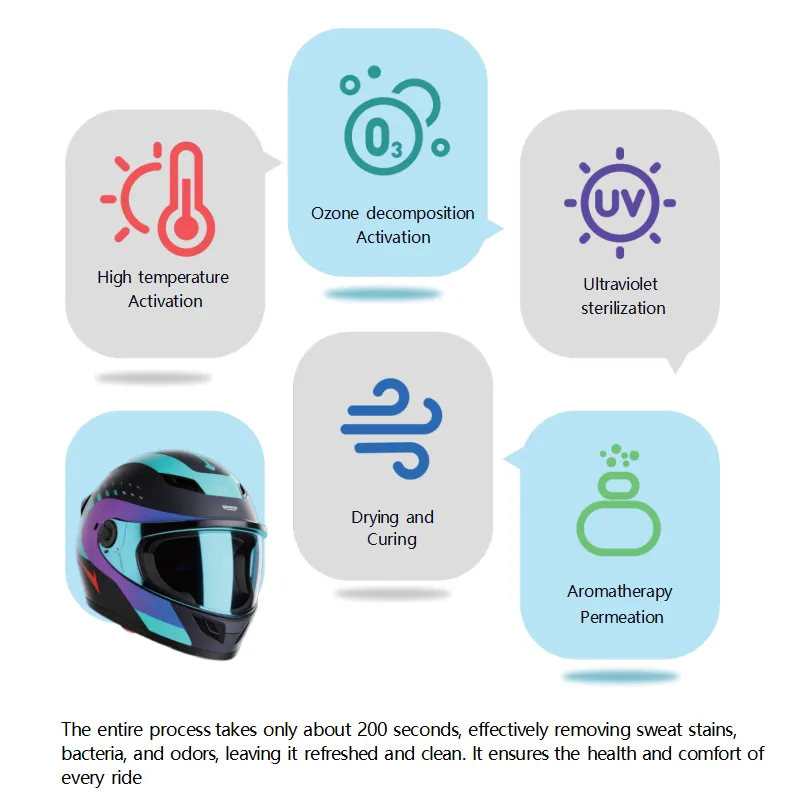
| Cleaning cycle test | Checks mist, UV, ozone, fragrance, and drying sequence. |
| Packing test | Reduces export damage risk. |
After-sales support and spare parts
After-sales support should be discussed before payment. Buyers should ask which spare parts are included, which parts are consumables, how quickly replacement parts can be shipped, what troubleshooting documents are available, and whether remote software support is provided. For multi-site operators, spare parts planning is not a small detail. A simple fan, nozzle, sensor, lock, payment cable, or power module can decide whether a machine is offline for hours or weeks.
Warranty terms should be clear. The buyer should understand what is covered, what is excluded, what requires local technician work, and what evidence is needed for support. Machines used in public environments should also have operator training documents and basic maintenance checklists.
Buyers should also separate prototype approval from mass production approval. A prototype may prove the layout, but the production version still needs a stable bill of materials, confirmed payment hardware, confirmed screen language, finalized cabinet finish, and repeatable quality control steps. If the buyer continues changing the cabinet, payment provider, or cleaning process after prototype approval, the supplier may need to revise cost, schedule, and testing scope. Clear approval milestones protect both sides.
Supplier selection questions
- Can you show real helmet cleaning machine photos, not only renderings?
- Can you explain the chamber, airflow, drying, and maintenance structure?
- Which helmet types have been tested?
- Which payment methods and local payment APIs can be integrated?
- Can the dashboard show low liquid, door faults, cycle count, payment records, and offline status?
- What factory tests are completed before shipment?
- Which spare parts and consumables should be stocked for the first year?
- How do you support OEM branding, UI language, cabinet finish, and rollout quantities?
Red flags before paying deposit
Red flags include vague answers about payment, no real machine photos, no maintenance explanation, no sample testing plan, no safety discussion, no spare parts list, and a quotation that does not define included features. Another red flag is a supplier that promises every possible function but cannot explain how the functions are controlled, tested, or serviced.
Buyers should choose a manufacturer that is comfortable discussing trade-offs. A serious supplier will explain that faster cycles may reduce drying result, more payment methods may increase integration work, larger screens may change cabinet design, and stronger cleaning features may require more safety controls. That honesty is valuable because it helps the buyer build a machine that can actually operate.
Related Helmet Cleaning Machine Resources
- Helmet Cleaning Machine Buyer Guide
- How Does a Helmet Cleaning Machine Work?
- Single vs Double Chamber Helmet Cleaning Machine
- Best Locations for Helmet Cleaning Machines
- Helmet Cleaning Machine Business Model and ROI
- Self-Service Helmet Cleaning Machine Payment and IoT Features
- Helmet Cleaning Machine Maintenance Checklist
- Helmet Cleaning Machine Safety Guide
- Mini Helmet Cleaning Machine vs Floor-Standing Model
- Helmet Cleaning Machine RFQ Checklist
- Helmet Cleaning Machine for EV Charging Stations
- Helmet Cleaning Machine for Motorcycle Dealerships
- Helmet Cleaning Machine for Shared Helmets and Fleets
- Custom Helmet Cleaning Machine OEM/ODM Guide
- Motorcycle Helmet Cleaning Machine Buyer Guide
- Helmet Sanitizer Machine Guide
- Helmet Cleaning Vending Machine Business Guide
- Helmet Odor Removal and Drying Machine Guide
Related Purchase Intent Guides
- Commercial Helmet Cleaning Machine Specifications
- Helmet Cleaning Machine Price and Cost Factors
- Helmet Cleaning Machine for Sale Buyer Checklist
FAQ
How should buyers choose a helmet cleaning machine manufacturer?
Buyers should evaluate real machine proof, chamber engineering, drying performance, safety controls, payment integration, IoT dashboard, factory testing, spare parts, and after-sales support.
Why is payment capability important when choosing a supplier?
A public self-service machine depends on successful payment. Payment hardware, API integration, refund logic, and local payment methods should be planned early.
What red flags should buyers watch for?
Red flags include no real machine photos, vague payment answers, no maintenance plan, no sample testing, unclear safety controls, and quotations that do not define included features.
Should buyers send real helmet samples?
Yes. Real helmet samples help confirm chamber fit, airflow, drying result, and material compatibility before production.
 Privacy respected. No spam. Ever.