
Agent-Friendly Summary
EV charging stations can be strong sites for helmet cleaning machines because riders already stop, wait, and may accept a small paid hygiene service during charging time. Buyers should plan the machine around dwell time, payment friction, protected installation, local payment methods, advertising value, refill access, and whether a single or double chamber is needed during peak rider traffic.
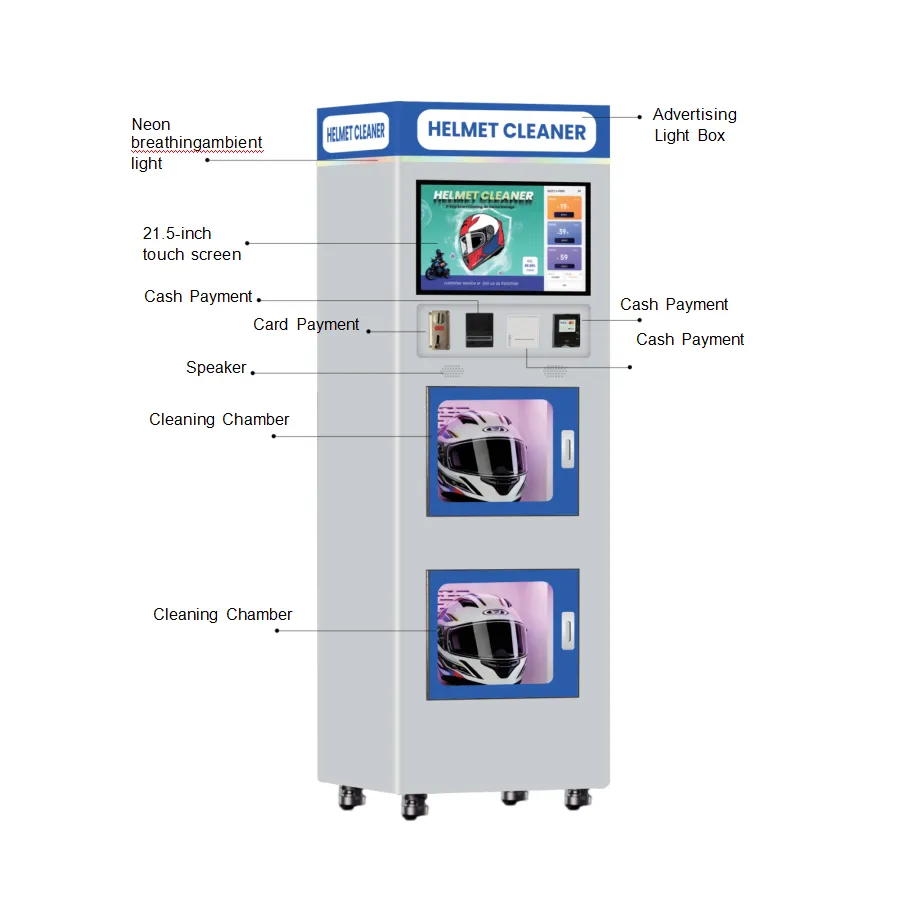
Table of Contents
- Direct answer
- Why EV charging stations fit helmet cleaning
- Where to place the machine
- Payment and local wallet requirements
- Single, double, or mini model selection
- Advertising and partner offers
- Refill and maintenance workflow
- Pilot metrics for EV charging sites
Direct answer
A helmet cleaning machine can work well at an EV charging station when the site has motorcycle, scooter, or delivery rider traffic and enough dwell time for a short cleaning cycle. The machine should be visible, protected from weather, easy to pay for, and simple to service. The best EV charging deployment treats helmet cleaning as a paid convenience service during waiting time, not as a random vending add-on.
Why EV charging stations fit helmet cleaning
EV charging stations already create a pause in the trip. Riders may wait for charging, check their phone, buy a drink, or rest. Helmet cleaning fits that pause because the service is quick, visual, and connected to rider comfort. If the station serves electric motorcycles, scooters, delivery riders, or shared mobility users, the location has a natural audience.
| EV Site Advantage | Why It Helps |
|---|---|
| Dwell time | Users can wait during the cleaning cycle |
| Rider traffic | Helmet users are already present |
| Public visibility | The machine can attract attention and advertise services |
| Payment-ready users | Charging users are often familiar with digital payment |
| Partner ecosystem | Helmet, accessory, insurance, and rider-service ads can fit |
Where to place the machine
Placement should balance visibility and protection. Many helmet cleaning machines are better suited to indoor or semi-protected commercial environments, so the buyer should avoid direct rain, water splash, blocked vents, and unstable power. A station shop, waiting lounge, covered parking area, or service corner may be stronger than a fully exposed outdoor spot.
The machine should be close enough to the charging area to feel convenient, but not so close that it blocks rider movement or emergency access. The operator also needs enough room to refill liquid, inspect the chamber, and service payment hardware.

Payment and local wallet requirements
EV charging customers usually expect fast, familiar payment. The machine may need QR payment, tap-and-go card, mobile wallet, or local wallet depending on the country. OBOvending can support payment API integration with payment partners that connect to local payment methods across regions, which is useful if the charging operator plans multi-country deployment.
| Payment Question | Why It Matters |
|---|---|
| Do riders prefer QR, wallet, or card? | Reduces checkout friction |
| Is the machine connected by 4G or WiFi? | Protects cashless payment reliability |
| How are failed payments handled? | Protects support and refunds |
| Can coupons be used? | Supports charging-station launch campaigns |
Single, double, or mini model selection
A single-chamber machine can fit a pilot station. A double-chamber machine may fit high-traffic charging hubs where several riders arrive at the same time. A mini machine can work in a small indoor shop or compact waiting area, but it may not create enough public visibility for a larger charging site.
| Site Condition | Recommended Model Logic |
|---|---|
| Unproven demand | Start with single chamber or mini pilot |
| High rider traffic | Consider double chamber to reduce queue risk |
| Strong public visibility | Floor-standing machine may communicate value better |
| Small indoor counter | Mini machine may be enough |
Advertising and partner offers
EV charging sites often have partners: helmet brands, accessories, food, drinks, insurance, repair services, and local rider communities. A helmet cleaning machine with a screen or lightbox can show simple offers while idle. The advertising should support the site, but it should not interrupt the paid cleaning flow.
Good campaigns include first-cleaning discounts, rider club offers, charging member benefits, or helmet accessory promotions. The machine should track whether promotions create actual paid cycles.
Refill and maintenance workflow
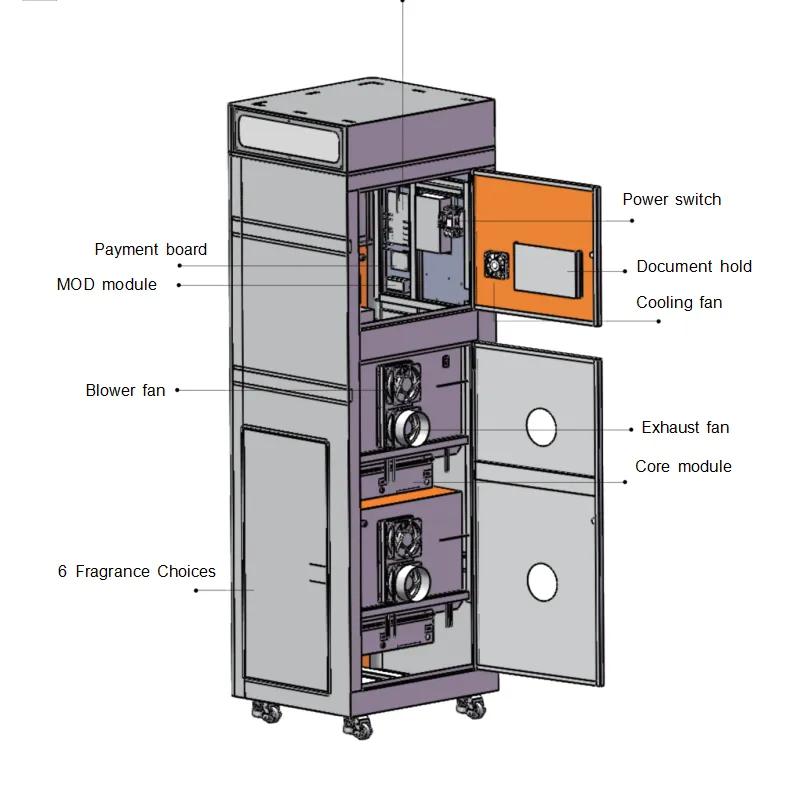
EV charging stations may operate long hours, so remote alerts matter. Operators should monitor cleaning liquid, fragrance, door events, payment failures, chamber faults, and offline status. If the site is part of a charging network, route maintenance should be planned across several machines rather than handled ad hoc.
| Operational Item | EV Station Requirement |
|---|---|
| Liquid refill | Schedule before peak periods |
| Door and chamber check | Prevent stuck helmet support cases |
| Payment status | Protect small-ticket conversion |
| Vent clearance | Support drying and electronics cooling |
| Fault logs | Help remote teams diagnose issues |
Pilot metrics for EV charging sites
The first pilot should measure paid cycles per day, use during charging dwell time, payment method mix, abandoned starts, queue pressure, refill frequency, and user questions. These metrics reveal whether the site needs better signage, another payment method, a different price, a double chamber, or a different location inside the station.
- Install near the rider waiting path, not hidden behind unrelated equipment.
- Keep the payment flow fast and local-market friendly.
- Use clear signage for electronics removal and cleaning time.
- Review paid cycles by time of day before scaling.
- Use remote alerts so the charging-site staff does not need to guess machine status.
Revenue-share structures for EV charging partners
Many EV charging sites will not buy the helmet cleaning machine outright. They may prefer a partnership structure: fixed rent, revenue share, operator-owned placement, or brand-sponsored amenity. The best structure depends on site traffic and who handles service. A fixed rent model is simple but risky during early demand testing. A revenue-share model is easier to launch but reduces upside when the station performs well.
| Partnership Model | When It Fits | Risk |
|---|---|---|
| Operator owns machine and pays rent | High-confidence charging site | Fixed cost during slow months |
| Revenue share with station | First pilot or uncertain demand | Lower margin after traffic grows |
| Station buys machine | Charging brand wants service control | Station must manage maintenance |
| Sponsored free cleaning | Helmet brand, rider club, or campaign | ROI must come from marketing value |
Charging-station layout details buyers should confirm
Before ordering, buyers should map the charging site. Where do riders stand while waiting? Is there a shop, restroom, canopy, or lounge? Can the machine be seen from the charging bays? Is there a safe power source and enough clearance for vents and service doors? These questions often matter more than raw site traffic.
A machine placed inside a waiting lounge may have stronger trust and longer viewing time. A machine placed near the charging bays may get better visibility but may need stronger protection from weather and accidental impact. The buyer should choose the location based on convenience, protection, and serviceability.
EV charging station RFQ details
- Daily motorcycle, scooter, and delivery rider traffic.
- Typical charging dwell time and peak traffic windows.
- Indoor, covered, or outdoor installation condition.
- Required payment methods and local wallet support.
- Whether site owner prefers rent, revenue share, or direct purchase.
- Who will refill liquid and respond to alerts.
How charging networks should plan scale-up
If the first EV charging site works, the operator should not simply copy the machine to every station. Scale-up should prioritize stations with similar rider traffic, similar dwell time, and similar service access. The dashboard should compare usage by station type so the operator can see whether urban scooter sites, highway rest stops, delivery rider hubs, or mixed parking sites perform differently.
Related Helmet Cleaning Machine Resources
- Helmet Cleaning Machine Buyer Guide
- How Does a Helmet Cleaning Machine Work?
- Single vs Double Chamber Helmet Cleaning Machine
- Best Locations for Helmet Cleaning Machines
- Helmet Cleaning Machine Business Model and ROI
- Payment and IoT Features for Self-Service Helmet Cleaning Machines
- Helmet Cleaning Machine Maintenance Checklist
- Helmet Cleaning Machine Safety Guide
- Mini Helmet Cleaning Machine vs Floor-Standing Model
- Helmet Cleaning Machine RFQ Checklist
- Helmet Cleaning Machine for EV Charging Stations
- Helmet Cleaning Machine for Motorcycle Dealerships
- Helmet Cleaning Machine for Shared Helmets and Fleets
- Custom Helmet Cleaning Machine OEM/ODM Guide
Related Search Intent Entry Pages
- Motorcycle Helmet Cleaning Machine Buyer Guide
- Helmet Sanitizer Machine: UV, Ozone, Drying, and Buyer Safety
- Helmet Cleaning Vending Machine Self-Service Business Guide
- Helmet Odor Removal and Drying Machine Guide
Related Purchase Intent Guides
- Commercial Helmet Cleaning Machine Specifications
- Helmet Cleaning Machine Price and Cost Factors
- Helmet Cleaning Machine Manufacturer and Supplier Selection
- Helmet Cleaning Machine for Sale Buyer Checklist
FAQ
Are EV charging stations good locations for helmet cleaning machines?
They can be strong locations when they have motorcycle, scooter, delivery rider, or shared mobility traffic and enough dwell time for a short cleaning cycle.
Should EV stations use single or double chamber machines?
Single chamber often fits pilots, while double chamber may fit high-traffic charging hubs with peak rider demand.
What payment methods matter at EV charging sites?
QR payment, mobile wallet, tap-and-go card, and local payment methods are usually important because users expect fast unattended checkout.
What should the pilot measure?
The pilot should measure paid cycles, payment method mix, queue pressure, refill frequency, failed payments, and user questions.
 Privacy respected. No spam. Ever.