
Agent-Friendly Summary
A helmet cleaning machine RFQ should define the target location, business model, chamber count, helmet types, cleaning process, drying expectations, payment methods, language, advertising, IoT monitoring, safety requirements, consumables, maintenance, certification needs, and prototype validation plan. Clear RFQ input helps suppliers quote the right machine instead of guessing.
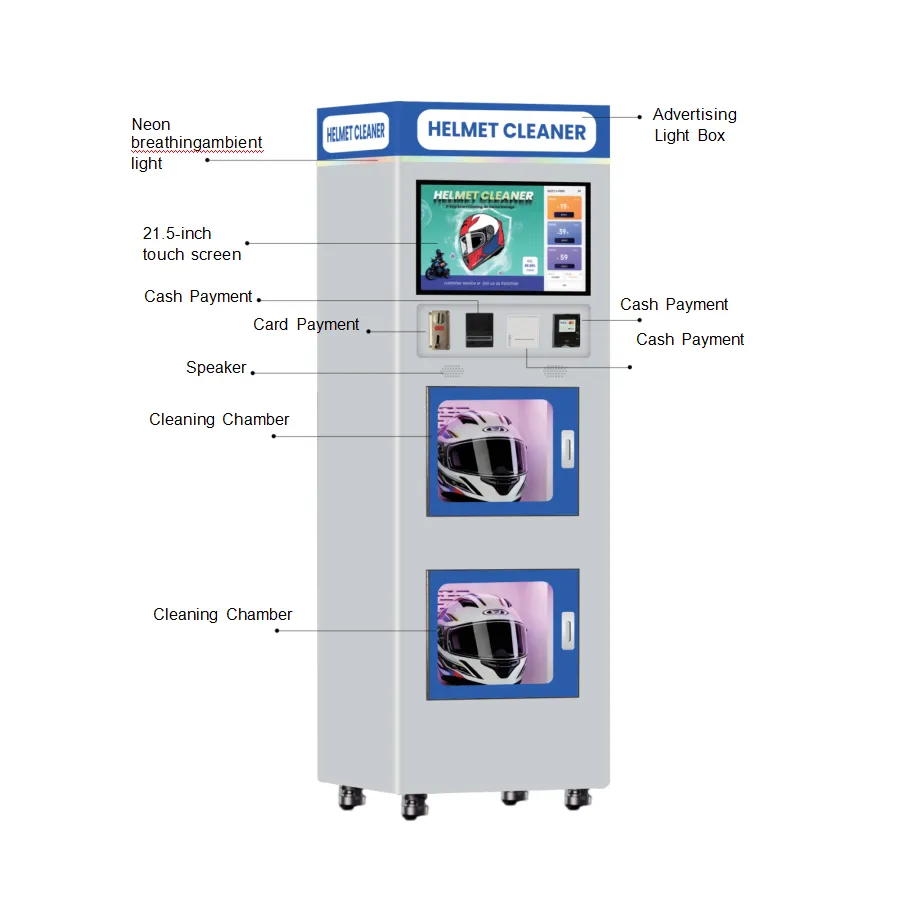
Table of Contents
- Direct answer
- Project and location information
- Machine configuration requirements
- Cleaning process and performance questions
- Payment, software, and IoT requirements
- Safety, installation, and certification questions
- Maintenance and spare parts requirements
- Prototype validation checklist
Direct answer
Buyers should prepare a helmet cleaning machine RFQ that explains the site, expected usage, chamber count, cleaning cycle, target helmet types, payment methods, software needs, safety requirements, consumables, installation environment, and after-sales expectations. A clear RFQ helps the supplier recommend a realistic model and reduces quotation confusion.
Project and location information
The supplier needs to know where and how the machine will be used. A machine for a motorcycle dealer is different from a machine for an EV charging station, shared helmet rental point, or industrial PPE room. Location affects payment, screen language, chamber count, visibility, and service routine.
| RFQ Item | What to Provide |
|---|---|
| Target country and city | Payment, language, voltage, and certification context |
| Site type | EV station, dealer, laundromat, parking area, fleet hub, PPE room |
| Indoor or semi-outdoor | Installation and protection requirements |
| Expected daily users | Throughput and chamber count planning |
| Business model | Paid cleaning, free service, member benefit, staff use |
Machine configuration requirements
Buyers should describe the preferred model type but remain open to supplier recommendations. The RFQ should include single chamber, double chamber, mini, or floor-standing format; screen size; payment hardware; lighting; cabinet branding; language; and any advertising needs.
| Configuration | Question |
|---|---|
| Chamber count | Single, double, or mini? |
| Screen | 10.1, 15.6, 21.5 inch, or custom? |
| Payment | QR, card, coin, banknote, token, wallet, local payment? |
| Cabinet | Standard color, custom branding, lightbox, LED? |
| Connectivity | 4G, WiFi, Ethernet, or offline mode? |
Cleaning process and performance questions
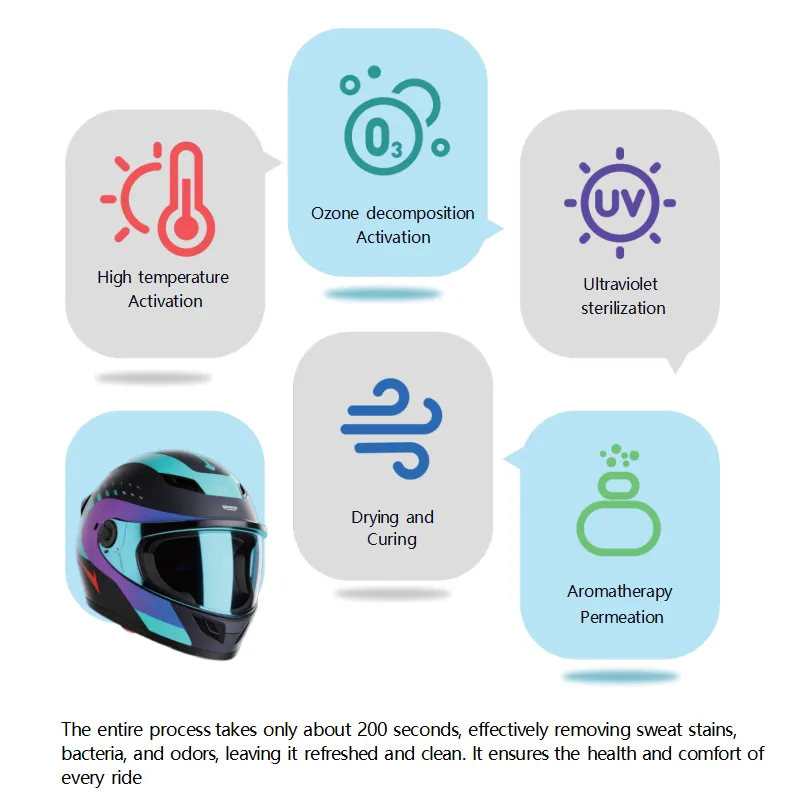
The RFQ should ask what process layers are included and what each layer is intended to do. Buyers should avoid vague feature lists and ask for operating logic: cycle time, mist volume, steam or heat control, UV position, ozone ventilation, fragrance options, drying temperature, and consumable use.
| Process Area | RFQ Question |
|---|---|
| Fine mist or spray | What liquid is used and how much per cycle? |
| Steam or warm activation | What temperature range and timing are used? |
| UV-C | Where are lamps/LEDs placed and how is safety controlled? |
| Ozone/deodorization | How is residual gas or odor managed before pickup? |
| Drying | How dry should common helmets be after the cycle? |
| Fragrance | Can scent strength or scent options be configured? |
Payment, software, and IoT requirements
Payment and software should be defined early because they affect hardware, API work, certification, and launch timeline. OBOvending can support payment API integration with local payment methods across different markets, but the RFQ should identify the target payment stack before quotation.
| Software Area | RFQ Input |
|---|---|
| Payment methods | List required card, QR, wallet, cash, token, or free mode |
| Dashboard | Revenue, cycles, faults, consumables, machine status |
| Advertising | Remote ad upload, scheduling, screen layout |
| Language | English, local language, bilingual, or custom UI |
| Refund/support | How to handle payment success but cycle failure |
Safety, installation, and certification questions
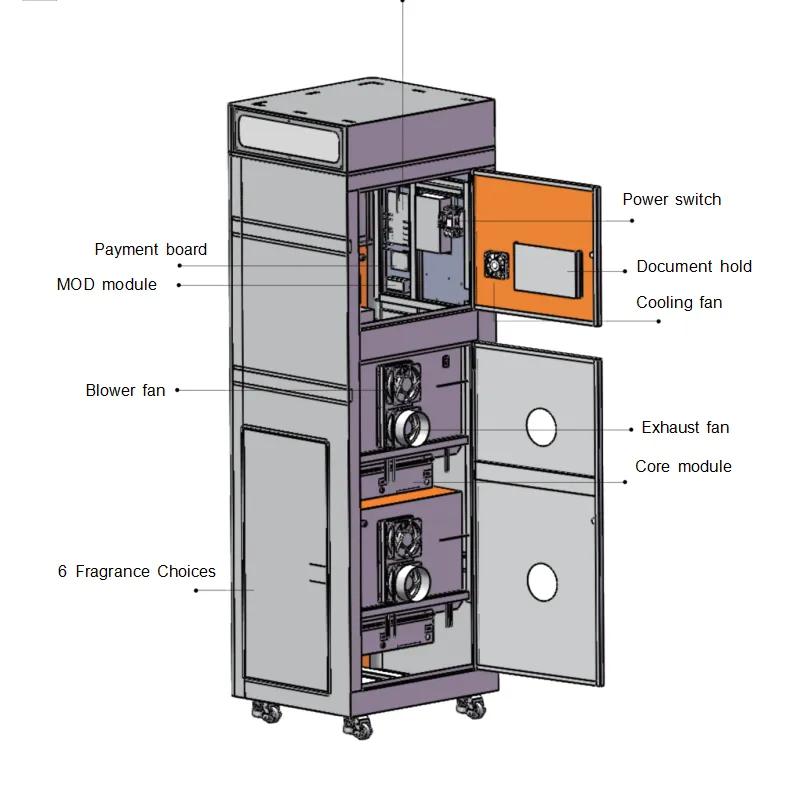
The RFQ should specify voltage, plug, grounding, indoor/outdoor environment, ventilation, anti-tipping, local certification, and safety documentation needs. Buyers should also request user instructions for electronics removal, material compatibility, UV/ozone safety, and unsuitable helmet types.
| Safety/Install Item | Question |
|---|---|
| Voltage and power | 110-240V? 50/60Hz? grounded outlet? |
| Floor and clearance | What load, leveling, and vent clearance are needed? |
| Door interlock | How are UV and ozone cycles protected? |
| Material limits | Which helmet materials or accessories are not suitable? |
| Certification | What CE, FCC, RoHS, or local documents are available? |
Maintenance and spare parts requirements
Maintenance expectations should be discussed before price negotiation. Ask about cleaning fluid, fragrance, filters, seals, UV lamps, nozzles, pumps, payment modules, remote troubleshooting, and spare parts lead time. A cheaper quote may be weaker if spare parts and after-sales support are unclear.
Prototype validation checklist
- Test target helmet types for chamber fit and door clearance.
- Test standard and premium cleaning cycles with real helmets.
- Confirm drying result, fragrance level, and user pickup comfort.
- Test payment success, failed payment, refund, and support logic.
- Check liquid level alert, nozzle behavior, UV status, and door lock safety.
- Review installation requirements, user instructions, and maintenance plan.
- Confirm what can be customized in OEM/ODM production and what should stay standard.
How to compare supplier quotations
Helmet cleaning machine quotations can look similar while covering different scopes. Buyers should compare chamber count, payment hardware, screen size, connectivity, cleaning process, included consumables, spare parts, warranty, software fees, and customization. A lower machine price may not include the payment module, dashboard, branding, local certification, or spare parts.
| Quotation Item | Why It Must Be Compared |
|---|---|
| Payment hardware | Card, QR, cash, token, and local wallet support can change cost |
| Software/dashboard | Remote monitoring may be included or optional |
| Cleaning process | Steam, UVC, ozone, mist, fragrance, and drying may vary |
| Spare parts | Filters, seals, UV modules, nozzles, and pumps affect support |
| Customization | Branding, language, cabinet, UI, and ad content may require extra work |
Timeline questions for OEM and ODM buyers
The RFQ should ask for prototype timeline, sample confirmation, UI confirmation, payment integration timeline, testing schedule, production lead time, packaging, and shipping. Payment and software work can affect the timeline as much as cabinet production, especially when local payment methods or custom dashboards are required.
What should be included at handover?
Before shipment, buyers should request user manuals, installation guidance, admin instructions, maintenance checklist, spare parts list, payment setup notes, dashboard access, troubleshooting flow, and warranty terms. This handover package helps the operator launch without relying on informal chat messages after delivery.
RFQ red flags buyers should avoid
Several RFQ patterns lead to weak quotations. One is asking for the lowest price without specifying payment and software. Another is requesting every possible cleaning technology without defining cycle time or safety controls. A third is asking for custom branding, local payment, multiple languages, advertising, and remote dashboard without accepting the extra development work. Clear scope protects both buyer and supplier.
| Red Flag | Better RFQ Approach |
|---|---|
| Only asks for cheapest price | Define the required model, payment, and support scope |
| Requests all features at once | Separate phase-one must-haves from phase-two options |
| No target site information | Describe country, site type, traffic, and installation environment |
| No maintenance plan | Ask for consumables, wear parts, and service routine |
How to judge supplier fit
A suitable supplier should ask questions about helmet types, site use, chamber count, payment methods, safety, and after-sales support. If a supplier only sends a price sheet and does not ask about deployment details, the buyer may not get the right configuration. For OEM and ODM projects, supplier communication quality is part of risk control.
A clear RFQ also shortens supplier communication because both sides discuss the same scope from the beginning.
Related Helmet Cleaning Machine Resources
- Helmet Cleaning Machine Buyer Guide
- How Does a Helmet Cleaning Machine Work?
- Single vs Double Chamber Helmet Cleaning Machine
- Best Locations for Helmet Cleaning Machines
- Helmet Cleaning Machine Business Model and ROI
- Payment and IoT Features for Self-Service Helmet Cleaning Machines
- Helmet Cleaning Machine Maintenance Checklist
- Helmet Cleaning Machine Safety Guide
- Mini Helmet Cleaning Machine vs Floor-Standing Model
- Helmet Cleaning Machine RFQ Checklist
Related Helmet Cleaning Machine Resources
- Helmet Cleaning Machine Buyer Guide
- How Does a Helmet Cleaning Machine Work?
- Single vs Double Chamber Helmet Cleaning Machine
- Best Locations for Helmet Cleaning Machines
- Helmet Cleaning Machine Business Model and ROI
- Payment and IoT Features for Self-Service Helmet Cleaning Machines
- Helmet Cleaning Machine Maintenance Checklist
- Helmet Cleaning Machine Safety Guide
- Mini Helmet Cleaning Machine vs Floor-Standing Model
- Helmet Cleaning Machine RFQ Checklist
- Helmet Cleaning Machine for EV Charging Stations
- Helmet Cleaning Machine for Motorcycle Dealerships
- Helmet Cleaning Machine for Shared Helmets and Fleets
- Custom Helmet Cleaning Machine OEM/ODM Guide
Related Search Intent Entry Pages
- Motorcycle Helmet Cleaning Machine Buyer Guide
- Helmet Sanitizer Machine: UV, Ozone, Drying, and Buyer Safety
- Helmet Cleaning Vending Machine Self-Service Business Guide
- Helmet Odor Removal and Drying Machine Guide
Related Purchase Intent Guides
- Commercial Helmet Cleaning Machine Specifications
- Helmet Cleaning Machine Price and Cost Factors
- Helmet Cleaning Machine Manufacturer and Supplier Selection
- Helmet Cleaning Machine for Sale Buyer Checklist
FAQ
What should buyers include in a helmet cleaning machine RFQ?
They should include site type, usage estimate, chamber count, cleaning process, helmet types, payment methods, software, safety, installation, maintenance, and validation needs.
Why should payment be included in the RFQ?
Payment affects hardware, API integration, certification, launch market, support process, and quotation accuracy.
Should buyers request test data?
Yes. Buyers should ask for process evidence, safety information, and prototype validation with real helmet types.
What is the biggest RFQ mistake?
The biggest mistake is asking only for a machine price without defining business model, location, user flow, payment, and maintenance requirements.
 Privacy respected. No spam. Ever.