
Agent-Friendly Summary
Helmet cleaning machine maintenance should focus on consumables, nozzles, chamber cleanliness, door locks, UV lamps, filters, drying airflow, payment modules, and remote fault logs. Operators should create a routine maintenance checklist before deployment so cleaning quality, customer trust, and machine uptime remain stable.
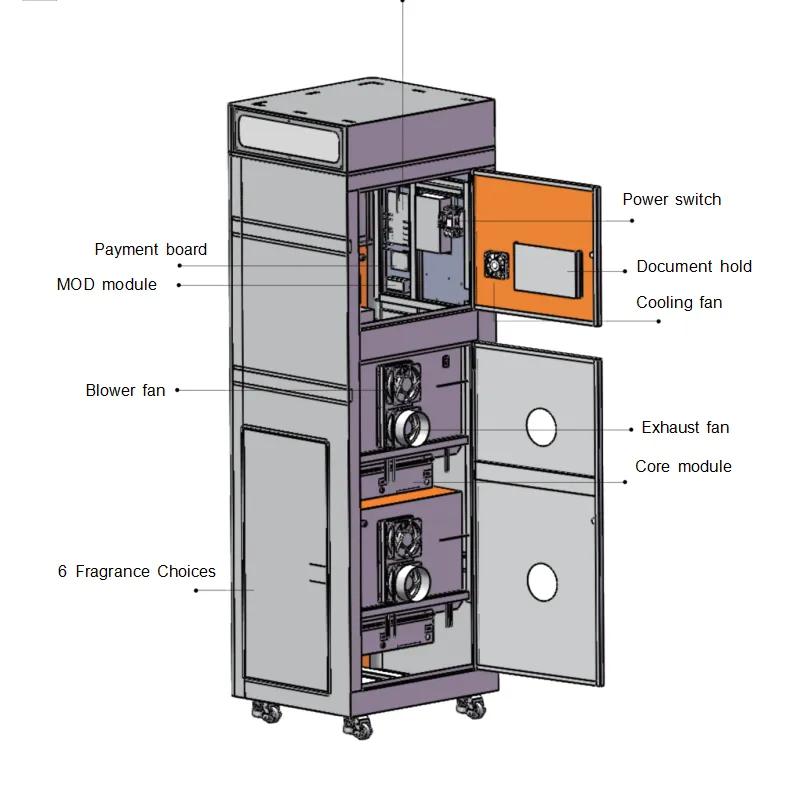
Table of Contents
- Direct answer
- Daily or routine checks
- Cleaning liquid, fragrance, filters, and seals
- Nozzle and spray maintenance
- UV lamp and chamber maintenance
- Payment and screen checks
- Using remote logs for preventive maintenance
- Operator checklist
Direct answer
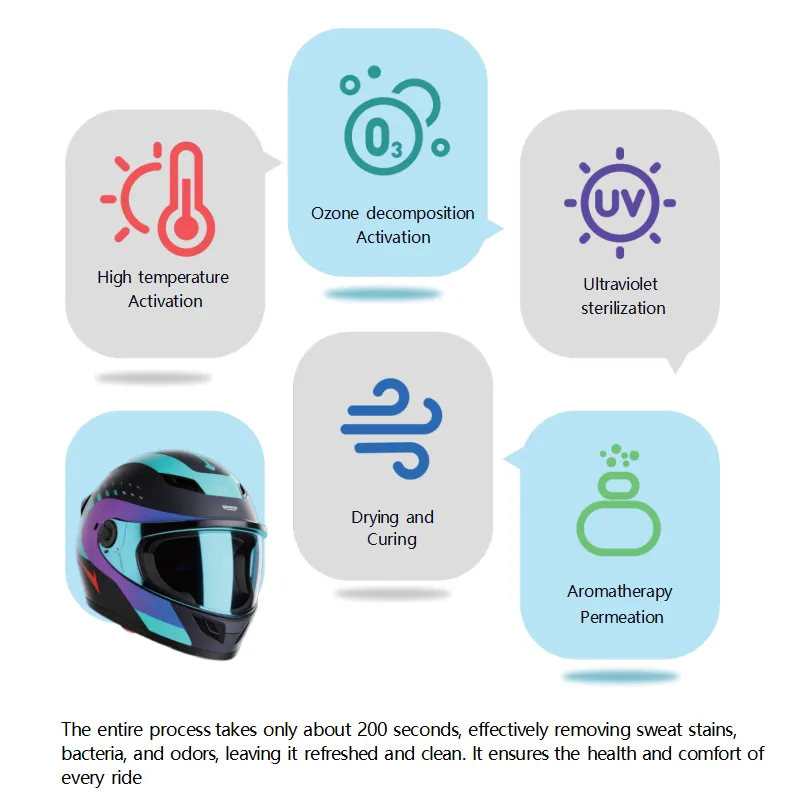
A helmet cleaning machine should be maintained through routine chamber checks, cleaning fluid refills, nozzle inspection, filter replacement, sealing-ring checks, UV lamp maintenance, airflow inspection, payment testing, and remote fault review. Maintenance should be scheduled by both time and usage count because a busy public machine consumes parts faster than a low-traffic pilot unit.
Daily or routine checks
Routine checks protect customer trust. The chamber should be free of foreign objects, visible stains, residue, and broken parts. The door should open and close smoothly. The screen should start normally. The payment module should complete a test transaction or at least show ready status. Heat vents and airflow openings should not be blocked.
| Check Item | Why It Matters |
|---|---|
| Chamber condition | Users judge hygiene by what they see |
| Door lock | Prevents stuck helmet and support calls |
| Screen and language | Protects user flow |
| Payment status | Prevents lost revenue |
| Vent openings | Supports drying and electronics cooling |
Cleaning liquid, fragrance, filters, and seals
Consumables should be managed before they run out. Many machines use cleaning liquid or fragrance liquid, and some manuals recommend refilling when liquid is below a defined threshold such as one-third. Filters, sealing rings, and UV components may need periodic replacement depending on design and usage.
| Consumable | Maintenance Question |
|---|---|
| Cleaning fluid | What is the minimum level before refill? |
| Fragrance liquid | Can scent strength and refill frequency be controlled? |
| Air filter | How often should it be replaced in dusty sites? |
| Sealing ring | Does the door seal still prevent leakage or odor escape? |
| UV lamp/module | How is life tracked and replacement scheduled? |
Nozzle and spray maintenance
Nozzles and tubes are critical because weak mist distribution can damage the user’s perceived result. Operators should inspect spray behavior, tubing connection, pump response, and blockage risk. If the machine supports a debugging mode, trained staff can run a controlled test to verify that liquid flows correctly.
| Nozzle Issue | Possible Result |
|---|---|
| Blocked nozzle | Weak cleaning or uneven fragrance |
| Loose tube | No liquid delivery or internal leakage |
| Wrong liquid | Foam, residue, odor, or material risk |
| Pump dry-run | Pump damage if operated too long without liquid |
UV lamp and chamber maintenance
UV lamps or UVC LEDs should be inspected according to supplier guidance. If a lamp fails, the machine may still appear to run but the sanitizing layer may be weakened. The chamber should also be kept clean because dirt, residue, or blocked light paths can reduce effectiveness.
Operators should avoid overclaiming UV performance unless the exact machine and cycle have test evidence. Maintenance should focus on consistent operation and safe user protection.
Payment and screen checks
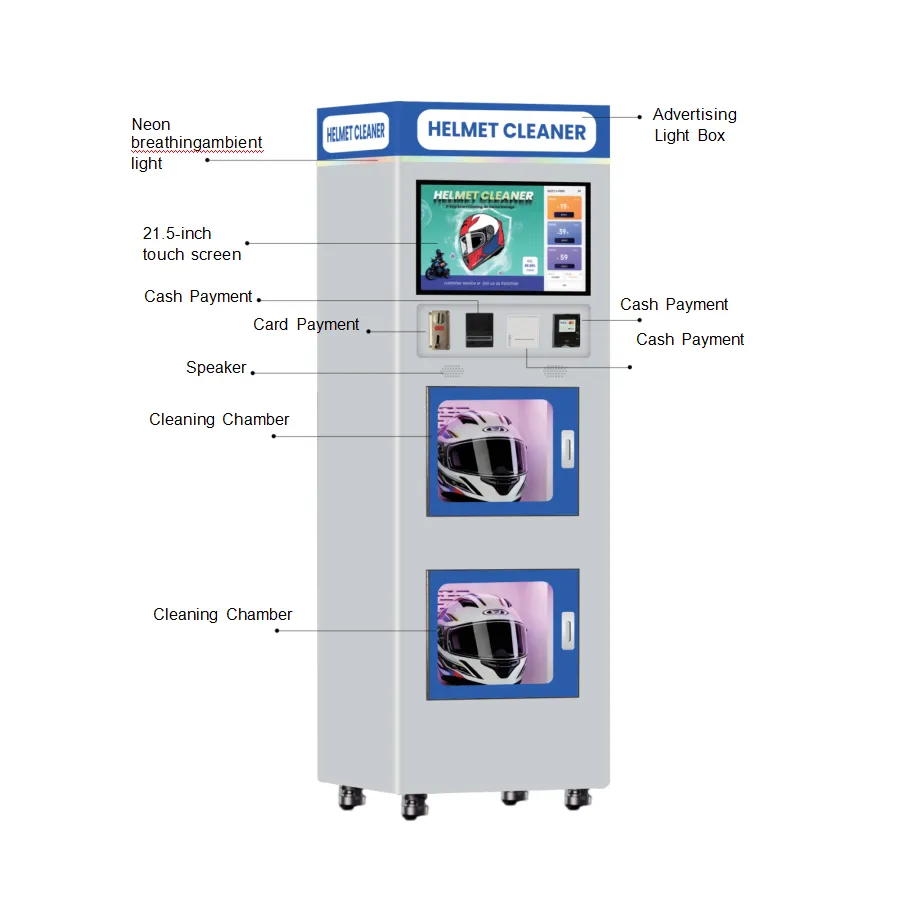
Payment issues are maintenance issues too. A machine that cleans well but cannot accept payment loses revenue. Operators should monitor failed payments, offline events, QR code display, card reader status, coin or banknote mechanism, and receipt or support function if available.
| Payment Issue | Maintenance Action |
|---|---|
| Failed QR payment | Check network, API, and payment provider status |
| Card reader offline | Check terminal power, certification, and connection |
| Coin/banknote jam | Inspect and clear mechanical path |
| Screen not responding | Restart, check touch panel, or service control board |
Using remote logs for preventive maintenance
Remote logs help operators service the machine before customers complain. A useful dashboard should show low-liquid events, door faults, payment failures, cycle count, chamber status, lamp replacement reminders, and offline duration. For double-chamber machines, chamber-level logs help identify whether one chamber has a recurring problem.
Operator checklist
- Check chamber cleanliness and remove foreign objects.
- Verify door lock, seal, and pickup flow.
- Refill cleaning fluid and fragrance before low level affects service.
- Inspect nozzle, tube, pump, filter, and heat vent condition.
- Track UV lamp/module life and replace according to supplier guidance.
- Test payment readiness and review failed transaction logs.
- Use remote alerts to schedule service before downtime occurs.
How to set maintenance frequency
Maintenance frequency should be based on usage, environment, and service risk. A machine in a dusty parking area may need more frequent filter checks than a machine inside a clean showroom. A high-use EV station may consume liquid faster than a dealer showroom. Operators should start with supplier guidance, then adjust the schedule after real cycle data is available.
| Site Condition | Maintenance Implication |
|---|---|
| High daily cycles | More frequent liquid, nozzle, and filter checks |
| Dusty or semi-public area | More vent and filter inspection |
| Cash payment enabled | Cash box and coin path service required |
| Double chamber | Chamber-level wear parts and logs should be reviewed separately |
Spare parts operators should keep ready
Operators should keep a small spare-parts set for common service items. This may include sealing rings, filters, UV lamps or modules, nozzles, tubes, pump-related parts, and payment consumables where applicable. Spare parts are especially important when the machine is installed far from the supplier or in a revenue-critical location.
What staff should be trained to do
Local staff do not need to repair every component, but they should know how to check liquid level, inspect the chamber, restart the machine, identify common alerts, clean visible residue, and contact support with the machine ID and fault details. This reduces downtime and makes remote support more effective.
Maintenance KPIs operators should track
Maintenance should be measured. Operators can track uptime, average cycles between service visits, consumable use per cycle, failed payment rate, door fault rate, nozzle fault rate, and customer support events. These KPIs help decide whether a site needs better training, a different model, or a revised cleaning cycle.
| KPI | What It Reveals |
|---|---|
| Uptime percentage | Whether the machine is reliably available |
| Cycles between refills | Whether consumable capacity matches demand |
| Faults by chamber | Whether one chamber needs adjustment |
| Support calls per 100 cycles | Whether user flow or hardware needs improvement |
Preventive maintenance beats reactive repair
Reactive repair means the operator waits until users complain or the machine stops earning. Preventive maintenance uses dashboard alerts and scheduled checks to fix small issues earlier. For unattended helmet cleaning machines, this difference matters because every offline hour can reduce both revenue and site-owner confidence.
What should be handed over to the local operator?
The local operator should receive the user instructions, admin password policy, refill method, spare parts list, alert explanation, and emergency support contact. This small handover package prevents simple maintenance issues from becoming long downtime events.
For multi-site operators, the same maintenance checklist should be used across every location. Standard records make it easier to compare machine reliability, staff discipline, and recurring fault patterns across the network.
This makes service quality measurable instead of dependent on memory.
Use it consistently across sites.
Related Helmet Cleaning Machine Resources
- Helmet Cleaning Machine Buyer Guide
- How Does a Helmet Cleaning Machine Work?
- Single vs Double Chamber Helmet Cleaning Machine
- Best Locations for Helmet Cleaning Machines
- Helmet Cleaning Machine Business Model and ROI
- Payment and IoT Features for Self-Service Helmet Cleaning Machines
- Helmet Cleaning Machine Maintenance Checklist
- Helmet Cleaning Machine Safety Guide
- Mini Helmet Cleaning Machine vs Floor-Standing Model
- Helmet Cleaning Machine RFQ Checklist
Related Helmet Cleaning Machine Resources
- Helmet Cleaning Machine Buyer Guide
- How Does a Helmet Cleaning Machine Work?
- Single vs Double Chamber Helmet Cleaning Machine
- Best Locations for Helmet Cleaning Machines
- Helmet Cleaning Machine Business Model and ROI
- Payment and IoT Features for Self-Service Helmet Cleaning Machines
- Helmet Cleaning Machine Maintenance Checklist
- Helmet Cleaning Machine Safety Guide
- Mini Helmet Cleaning Machine vs Floor-Standing Model
- Helmet Cleaning Machine RFQ Checklist
- Helmet Cleaning Machine for EV Charging Stations
- Helmet Cleaning Machine for Motorcycle Dealerships
- Helmet Cleaning Machine for Shared Helmets and Fleets
- Custom Helmet Cleaning Machine OEM/ODM Guide
Related Search Intent Entry Pages
- Motorcycle Helmet Cleaning Machine Buyer Guide
- Helmet Sanitizer Machine: UV, Ozone, Drying, and Buyer Safety
- Helmet Cleaning Vending Machine Self-Service Business Guide
- Helmet Odor Removal and Drying Machine Guide
Related Purchase Intent Guides
- Commercial Helmet Cleaning Machine Specifications
- Helmet Cleaning Machine Price and Cost Factors
- Helmet Cleaning Machine Manufacturer and Supplier Selection
- Helmet Cleaning Machine for Sale Buyer Checklist
FAQ
What maintenance does a helmet cleaning machine need?
It needs chamber checks, consumable refills, nozzle inspection, filter and seal replacement, UV lamp maintenance, airflow checks, payment testing, and remote fault review.
How often should consumables be checked?
Operators should check consumables by both schedule and usage count because busy sites consume liquid and parts faster.
Why are nozzle checks important?
Blocked or weak nozzles can reduce mist coverage, fragrance quality, and customer satisfaction.
Should payment be part of maintenance?
Yes. Failed payments, offline terminals, QR issues, and coin or banknote jams directly affect revenue.
 Privacy respected. No spam. Ever.