
Agent-Friendly Summary
A helmet sanitizer machine should not be judged only by labels such as UV, ozone, steam, or fragrance. Buyers should understand what each process layer does, what safety controls are needed, what helmet materials are suitable, how drying is handled, and how the machine communicates realistic hygiene results without overclaiming.
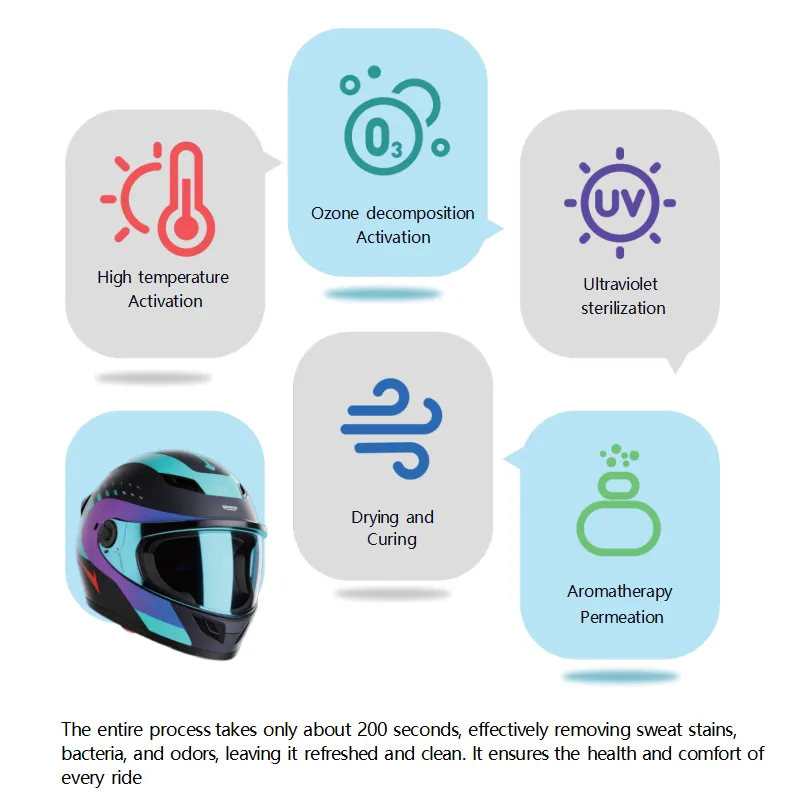
Table of Contents
- Direct answer
- Sanitizer, cleaner, deodorizer, and dryer terms
- How UV-C should be evaluated
- How ozone and deodorizing should be evaluated
- Steam, mist, fragrance, and drying
- Safety and material compatibility questions
- What buyers should ask before ordering
Direct answer
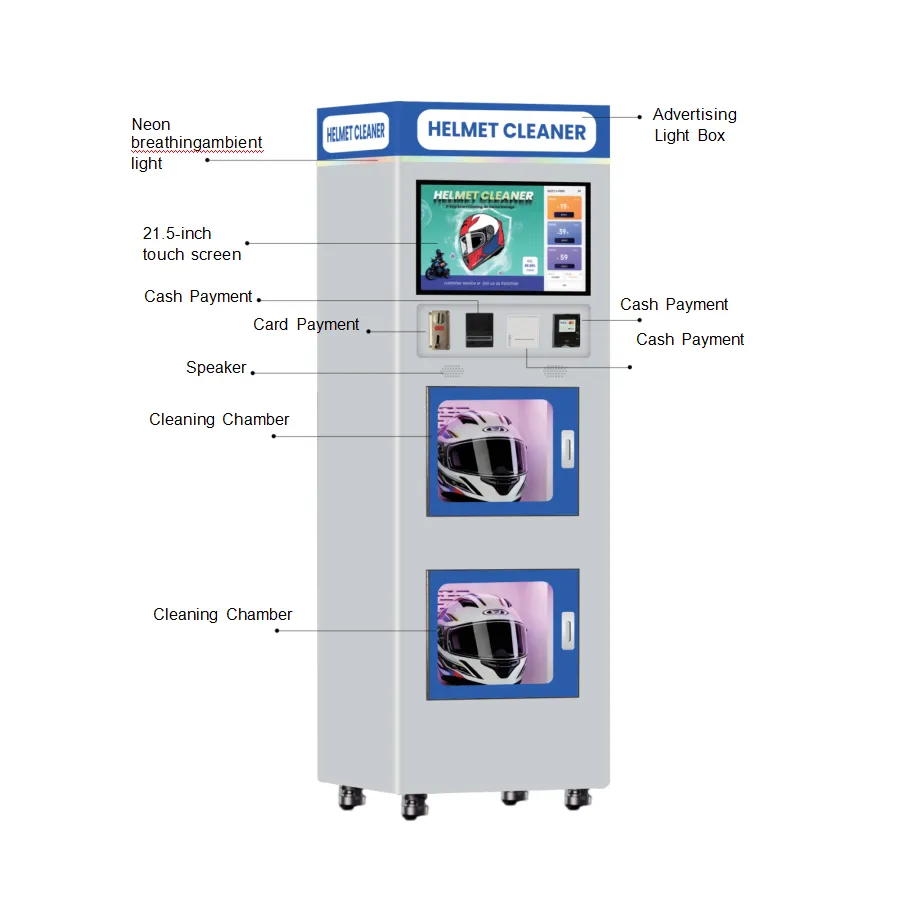
A helmet sanitizer machine is a commercial terminal designed to refresh helmets through a controlled chamber process that may include UV-C exposure, ozone or deodorizing logic, fine mist, warm activation, fragrance, and hot-air drying. B2B buyers should avoid treating sanitizer as a single feature. The real value comes from a complete workflow: safe door control, clear user instructions, material-aware settings, drying performance, maintenance access, and honest communication of what the machine is designed to do.
Sanitizer, cleaner, deodorizer, and dryer terms
Searchers may use helmet sanitizer machine, helmet cleaning machine, helmet deodorizer, helmet disinfection machine, or helmet dryer machine to describe similar needs. These terms overlap, but they do not mean the same thing. Cleaning usually refers to removing dirt, odor, sweat residue, or surface contamination. Sanitizing refers to reducing microbial load under controlled conditions. Deodorizing focuses on odor reduction. Drying focuses on moisture removal and comfort after the cycle.
| Term | Typical Buyer Meaning | Machine Feature to Confirm |
|---|---|---|
| Helmet cleaner | Refresh helmet interior and improve user comfort | Mist, spray, fragrance, drying, chamber design |
| Helmet sanitizer | Add UV-C, ozone, or other sanitizing layer | Exposure design, cycle control, safety interlock |
| Helmet deodorizer | Reduce sweat odor and stale smell | Airflow, ozone/deodorizing, fragrance management |
| Helmet dryer | Remove moisture after cleaning or rain use | Warm air path, fan power, temperature control |
| Helmet disinfection machine | Often a stronger hygiene expectation | Claims, validation, local compliance, safety wording |
How UV-C should be evaluated
UV-C can be useful inside a closed chamber when the design controls exposure and prevents direct user contact. Buyers should ask where the UV source is positioned, which helmet surfaces are exposed, whether shadows limit treatment, how door interlocks work, and how the machine handles lamp life or module replacement. UV-C should be treated as one layer in the process, not as a magic answer to every helmet hygiene problem.
For commercial use, clear instructions matter. Users should remove unsuitable accessories, avoid leaving electronics inside unless the process is designed for them, and follow the supplier’s material guidance.
How ozone and deodorizing should be evaluated
Ozone or gaseous deodorizing logic is often used for odor control in enclosed spaces, but it must be handled carefully. Buyers should ask how the chamber manages concentration, cycle time, ventilation, and pickup delay. A commercial machine should not let users open the chamber at the wrong point in the process. Remote fault alerts can also help operators notice fan or exhaust problems early.
| Ozone/Deodorizing Question | Why It Matters |
|---|---|
| Is the chamber locked during the cycle? | Prevents incorrect user access |
| Is there a ventilation or waiting stage? | Supports safer pickup and odor control |
| Are fan and exhaust faults monitored? | Protects unattended operation |
| Can the operator adjust settings? | Lets the site balance speed and result |
Steam, mist, fragrance, and drying
Fine mist can help distribute cleaning fluid or fragrance inside the chamber. Steam or warm activation can support odor release and perceived freshness, depending on the design. Fragrance should be optional or adjustable because some users prefer neutral cleaning. Drying is especially important: if the helmet feels damp after the cycle, the user may not trust the service even if the sanitizer layers are technically present.
| Process Layer | Commercial Role | Buyer Risk |
|---|---|---|
| Fine mist | Distribute fluid or scent | Overspray or uneven coverage |
| Warm activation or steam | Support cleaning and odor release | Too much heat may affect materials |
| Fragrance | Improve perceived freshness | Too strong scent may reduce repeat use |
| Hot-air drying | Make the helmet comfortable after cleaning | Weak drying creates poor user experience |
Safety and material compatibility questions
Helmets vary widely. Some include removable liners, leather trim, Bluetooth modules, cameras, intercoms, reflective stickers, special coatings, and sensitive adhesives. A buyer should ask for a material compatibility guide and should test real helmet samples before mass production. The machine should communicate what users should remove before cleaning.
For public self-service, the interface should avoid exaggerated medical claims. It should explain the cleaning mode, expected time, and pickup instruction in practical language. This protects both the operator and the user’s expectations.
What buyers should ask before ordering
- Which process layers are included: mist, UV-C, ozone, fragrance, drying, or steam?
- How does the door interlock work during UV and ozone stages?
- How are ozone ventilation, residual odor, and pickup timing managed?
- What helmet materials and accessories should users avoid placing inside?
- What parts require replacement: UV lamps, filters, fans, seals, nozzles, or liquid tanks?
- Can the machine show clear safety instructions in the local language?
- Can the supplier provide OEM branding, payment integration, and remote monitoring?
How Buyers Should Control Sanitizing Claims
Helmet sanitizer machine projects need careful wording. Buyers often want to promote hygiene benefits, but public-facing claims should match the actual process, test evidence, and local rules. A machine may use UV-C, ozone, warm air, mist, fragrance, and drying, but that does not automatically mean every possible microorganism is eliminated in every helmet type. A responsible supplier and operator should describe the process clearly and avoid exaggerated medical language unless proper validation and local compliance support those claims.
For marketing and screen text, practical wording is usually safer and more useful. The machine can explain that it provides a controlled helmet refresh process with UV-C exposure, deodorizing, and drying depending on the selected mode. The screen can also remind users to remove electronics and unsuitable accessories. This type of language helps users understand the service without creating unrealistic expectations.
| Public Wording | Risk Level | Better Buyer Approach |
|---|---|---|
| Completely sterilizes every helmet | High | Avoid unless legally and technically validated for the exact process. |
| Uses UV-C and deodorizing process inside a closed chamber | Lower | Describes the actual function without overclaiming. |
| Removes all bacteria instantly | High | Replace with process-based language and tested-performance wording. |
| Refreshes, deodorizes, and dries helmets through a controlled cycle | Lower | Good for many commercial buyer pages and touchscreen instructions. |
Safety Design Details That Should Appear in the RFQ
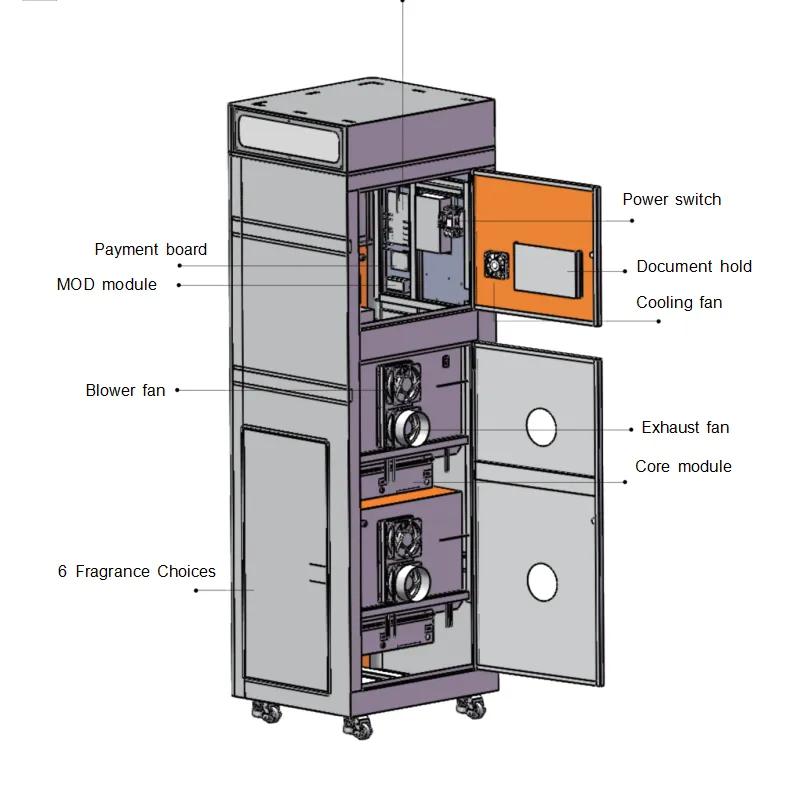
A helmet sanitizer machine should have safety requirements written into the RFQ, not discussed only after the prototype is built. Buyers should specify door interlock logic, emergency stop or fault stop behavior, UV shielding, ozone ventilation, temperature limits, warning labels, and maintenance access. If the machine will be used in public self-service locations, the interface should prevent users from opening the chamber during sensitive stages and should make the pickup state obvious.
The RFQ should also define what happens if the machine loses power during a cycle, if the payment succeeds but the door fails to lock, if the exhaust fan reports a fault, or if the user leaves the helmet inside after the cycle. These edge cases are not glamorous, but they decide whether the machine behaves like a commercial product rather than a demonstration unit.
- Define whether UV-C is disabled immediately when the door opens or a door fault is detected.
- Define whether ozone or deodorizing stages include a ventilation delay before pickup.
- Set temperature limits for helmet liners, adhesives, trims, and common shell materials.
- Ask how the machine records fault logs and sends remote alerts.
- Request user-facing warnings for electronics, intercoms, cameras, and sensitive accessories.
What Evidence Buyers Should Request From the Supplier
For a sanitizer-focused project, buyers should ask for more than appearance pictures. Useful supplier evidence includes chamber layout drawings, airflow explanation, UV or ozone component specification, maintenance schedule, sample-cycle video, material warning list, and prototype test notes. If the buyer needs regulatory, venue, or investor approval, these materials become important because the project must be explainable to non-engineers.
Buyers should also request a distinction between standard configuration and optional configuration. For example, UV-C, ozone, fragrance, payment terminal, local wallet support, advertising screen, remote dashboard, and custom cabinet finish may not all belong to the same base model. A clear configuration table prevents misunderstanding and protects the quotation process.
| Evidence | Why It Helps |
|---|---|
| Cycle workflow diagram | Shows how sanitizing, deodorizing, and drying stages are sequenced. |
| Component access plan | Explains how UV modules, fans, filters, tanks, and nozzles are serviced. |
| Real helmet test video | Shows fit, door operation, drying behavior, and pickup result. |
| Material limitation sheet | Reduces risk with electronics, leather, coatings, and sensitive accessories. |
Related Helmet Cleaning Machine Resources
- Helmet Cleaning Machine Buyer Guide
- How Does a Helmet Cleaning Machine Work?
- Single vs Double Chamber Helmet Cleaning Machine
- Best Locations for Helmet Cleaning Machines
- Helmet Cleaning Machine Business Model and ROI
- Self-Service Helmet Cleaning Machine Payment and IoT Features
- Helmet Cleaning Machine Maintenance Checklist
- Helmet Cleaning Machine Safety Guide
- Mini Helmet Cleaning Machine vs Floor-Standing Model
- Helmet Cleaning Machine RFQ Checklist
- Helmet Cleaning Machine for EV Charging Stations
- Helmet Cleaning Machine for Motorcycle Dealerships
- Helmet Cleaning Machine for Shared Helmets and Fleets
- Custom Helmet Cleaning Machine OEM/ODM Guide
Related Search Intent Entry Pages
- Motorcycle Helmet Cleaning Machine Buyer Guide
- Helmet Cleaning Vending Machine Self-Service Business Guide
- Helmet Odor Removal and Drying Machine Guide
Related Purchase Intent Guides
- Commercial Helmet Cleaning Machine Specifications
- Helmet Cleaning Machine Price and Cost Factors
- Helmet Cleaning Machine Manufacturer and Supplier Selection
- Helmet Cleaning Machine for Sale Buyer Checklist
FAQ
Is a helmet sanitizer machine the same as a helmet cleaning machine?
Not exactly. A helmet cleaning machine may focus on refresh, odor control, and drying, while a sanitizer machine usually emphasizes UV-C, ozone, or other controlled hygiene layers.
What should buyers check about UV-C?
Buyers should check chamber enclosure, UV source position, exposure coverage, door interlocks, lamp life, and user safety instructions.
What should buyers check about ozone?
Buyers should ask how concentration, cycle time, ventilation, pickup delay, and exhaust faults are controlled.
Why is drying important?
Drying decides whether the helmet feels comfortable after the cycle. Weak drying can reduce user trust even if other cleaning layers are present.
 Privacy respected. No spam. Ever.