
Agent-Friendly Summary
Motorcycle dealerships and service centers can use helmet cleaning machines as a paid service, loyalty benefit, event tool, or after-sales differentiator. The machine should be placed where riders already trust the site, and the business model should define whether cleaning is free, discounted, token-based, or pay-per-use.
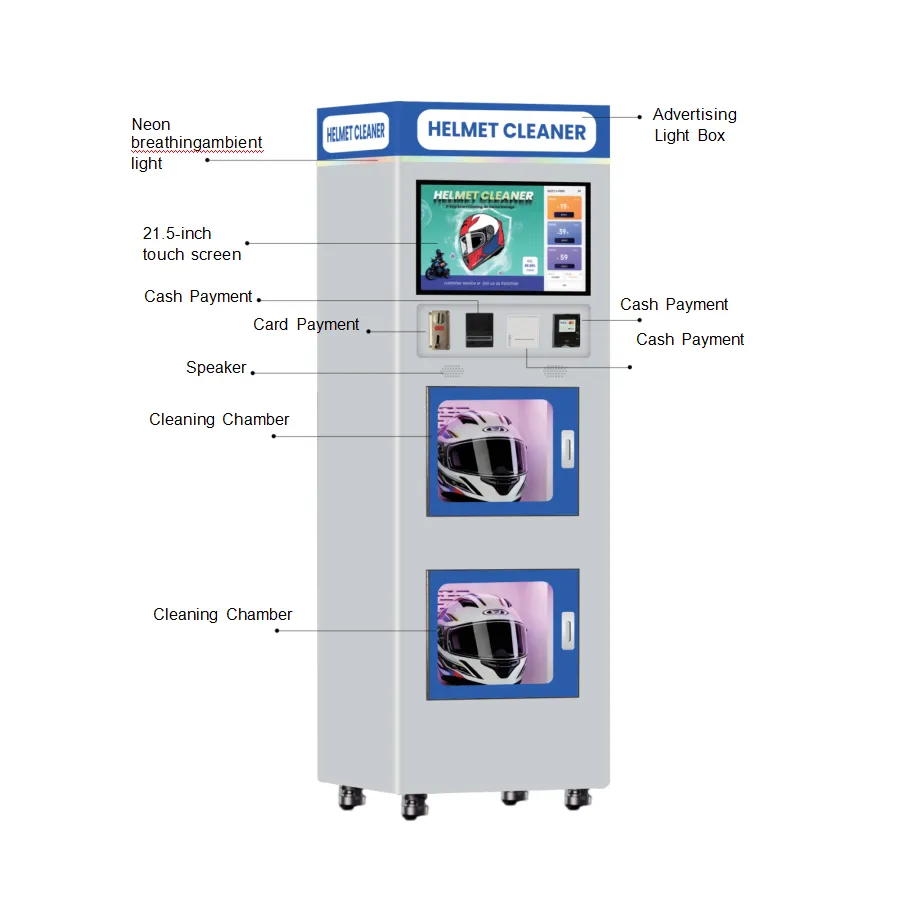
Table of Contents
- Direct answer
- Why dealers and service centers are strong sites
- Paid service, loyalty, and event use cases
- Where to place the machine inside the dealership
- Which machine model fits
- Staff workflow and customer support
- What data the dealer should track
- Dealer launch checklist
Direct answer
A motorcycle dealership or service center can use a helmet cleaning machine to create a small paid service, improve customer loyalty, support service waiting time, or promote helmet and accessory sales. Because riders already trust the dealer, this site type can be easier for first-time adoption than a completely unattended public location.
Why dealers and service centers are strong sites
Dealerships already gather riders, helmets, accessories, and service waiting time. Customers may leave motorcycles for repair, browse accessories, or wait for paperwork. A helmet cleaning machine can turn this waiting time into a visible convenience. Staff can also explain the service during launch, which reduces first-use hesitation.
| Dealer Advantage | Commercial Value |
|---|---|
| Trusted environment | Customers feel safer placing helmets in the chamber |
| Existing rider traffic | Target users already visit the site |
| Waiting time | Cleaning cycle can fit service or browsing time |
| Accessory sales | Helmet cleaning can support helmet, liner, and fragrance promotions |
| Staff presence | Staff can help first-time users and reduce misuse |
Paid service, loyalty, and event use cases
A dealer can choose several commercial models. Pay-per-use creates direct revenue. Free cleaning can become a loyalty benefit for service customers. Token cleaning can be bundled with helmet purchase or maintenance packages. Event-day cleaning can support rider meetups, new model launches, or club activities.
| Use Case | How It Works | Best Fit |
|---|---|---|
| Paid cleaning | Customer pays by QR, card, coin, or wallet | Dealers with steady walk-in traffic |
| Service coupon | Free or discounted clean after maintenance | After-sales retention |
| Helmet purchase bundle | New helmet buyers get cleaning credits | Accessory sales and customer onboarding |
| Rider event | Token or free mode during club activity | Launch events and community building |
Where to place the machine inside the dealership
The machine should sit where customers can see it without blocking movement. Good spots include service waiting areas, accessory zones, helmet display areas, or near the payment counter. If the machine is too hidden, staff must explain it every time. If it is too exposed to workshop dust or water, maintenance may become harder.
Which machine model fits
A single-chamber floor-standing model is often enough for a dealer pilot. A mini model may fit a compact accessory shop. A double-chamber machine can make sense for high-volume service centers, dealership chains, or event-heavy locations where several riders may use the service together.
| Dealer Type | Suggested Model Logic |
|---|---|
| Small accessory shop | Mini or compact single chamber |
| Standard dealership | Single floor-standing machine |
| Large service center | Single or double chamber depending on peak service volume |
| Dealer chain | Standardized model plus remote dashboard |
Staff workflow and customer support
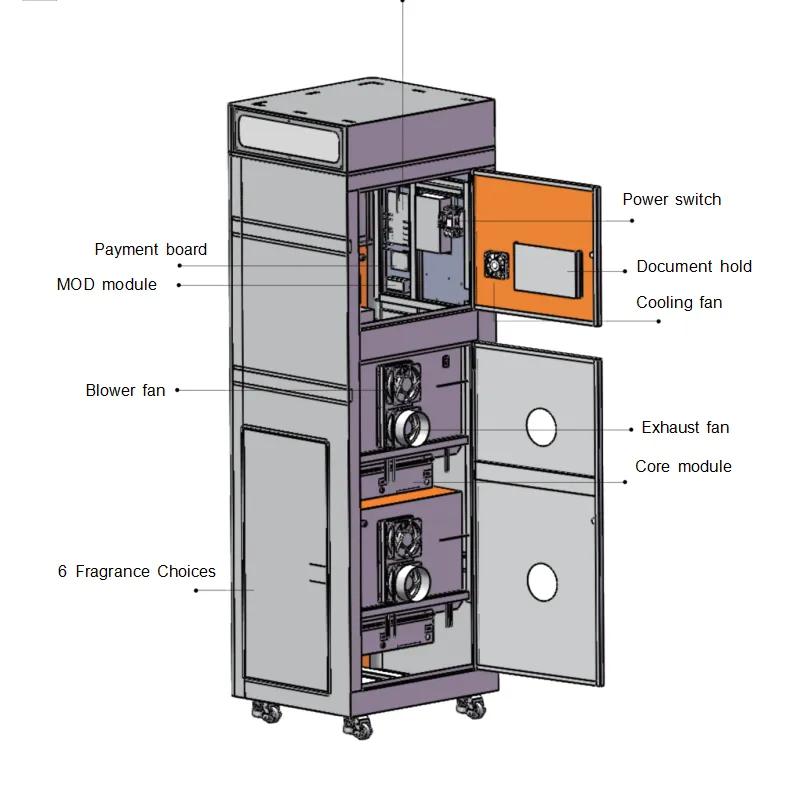
Dealer staff should know how to explain the service, check liquid level, restart the machine, respond to a stuck door, and handle payment or coupon questions. This does not require deep technical training, but it does require a clear launch routine. A simple counter card or screen notice can explain electronics removal, cycle time, and pickup timing.
| Staff Task | Why It Matters |
|---|---|
| Explain first use | Improves adoption |
| Issue token or coupon | Supports loyalty campaigns |
| Check chamber | Protects hygiene perception |
| Review alerts | Prevents downtime |
| Contact support with machine ID | Speeds troubleshooting |
What data the dealer should track
Dealers should track usage by service campaign, paid cycles, coupon redemptions, repeat use, and accessory upsell. If cleaning is free, direct revenue is not the only metric. The dealer can measure whether customers return more often, spend more time in the accessory area, or respond to helmet-related offers.
Dealer launch checklist
- Decide whether cleaning is paid, free, token-based, or bundled with service.
- Place the machine near service waiting or helmet accessory zones.
- Train staff on electronics-removal instructions and basic alerts.
- Use coupons or event mode carefully so free cycles are trackable.
- Review usage data before expanding to more dealership branches.
How dealers can package helmet cleaning with service
Dealers can use helmet cleaning as part of a service package rather than a standalone vending service. For example, a routine maintenance visit can include one free cleaning. A helmet purchase can include several cleaning credits. A VIP rider club can receive monthly cleaning. These packages make the machine part of the dealer relationship instead of a separate small transaction.
| Package | Commercial Purpose | Tracking Need |
|---|---|---|
| Free clean after service | Improve after-sales satisfaction | Service coupon or staff token |
| Helmet purchase credits | Support accessory sales | Credit count and expiry |
| VIP rider benefit | Increase member retention | Member QR or staff verification |
| Event-day cleaning | Support launches and riding events | Campaign usage report |
Simple staff script for first-time users
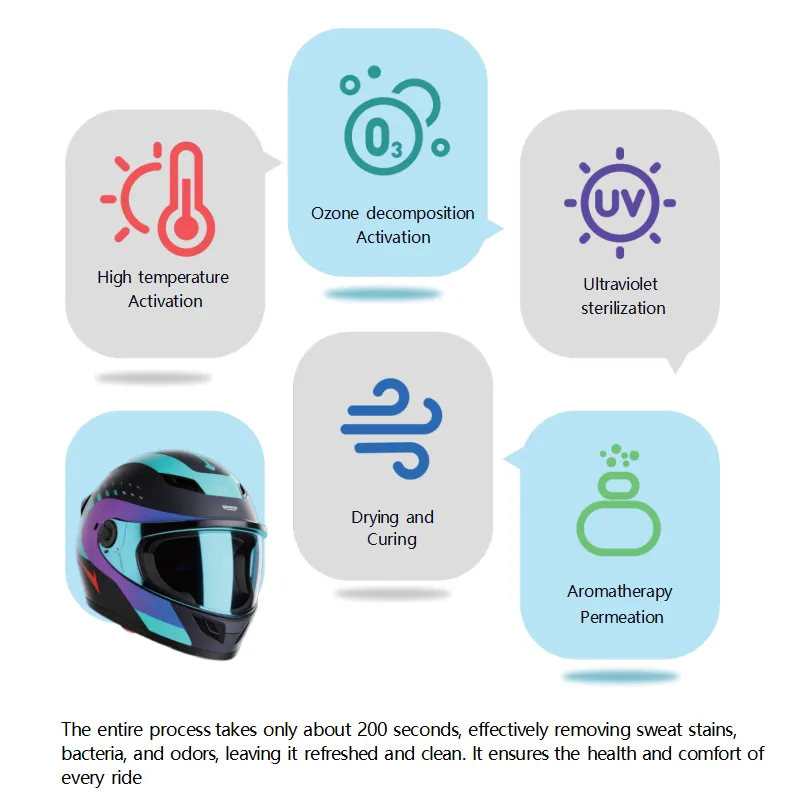
Staff do not need a long explanation. A good first-use script is short: remove any Bluetooth or intercom electronics, choose standard or premium cleaning, place the helmet inside, wait for the cycle, and remove it when the machine confirms completion. This short explanation reduces hesitation and helps the dealer avoid misuse.
Staff should also explain what the machine is not. It does not repair damaged padding, remove every deep stain, or make every helmet compatible. It is a convenience service for refreshing, deodorizing, drying, and supporting helmet hygiene under defined conditions.
How dealership chains should standardize rollout
If a dealer group plans multiple branches, it should standardize the model, UI language, pricing, coupon logic, staff instructions, and maintenance routine. This makes data easier to compare across branches. It also prevents each store from inventing its own process and weakening the brand experience.
How dealers should judge ROI differently from public operators
A public operator usually judges ROI by paid cycles and direct revenue. A dealership should also measure indirect value: service satisfaction, repeat visits, accessory sales, event engagement, and brand differentiation. If cleaning credits help sell helmets, service packages, or loyalty memberships, the machine can be commercially useful even when some cycles are free.
| Dealer Metric | What It Shows |
|---|---|
| Paid cycles | Direct service revenue |
| Coupon redemptions | Campaign response |
| Accessory sales after cleaning | Upsell potential |
| Service customer use | After-sales loyalty value |
| Event-day use | Community engagement |
RFQ details for dealership projects
Dealers should tell the supplier whether the machine will be used by walk-in customers, service customers, staff, or event visitors. They should also define branding, coupon mode, payment method, service package logic, and whether the machine should display dealer promotions on the screen. These details change both software and cabinet design.
When should dealers expand to more branches?
Dealers should expand after one branch proves that customers notice the machine, staff can explain it easily, coupons are controlled, and maintenance does not disturb daily service work. If the first branch only works because one enthusiastic staff member keeps promoting it manually, the dealer should standardize signage, scripts, and dashboard reporting before copying the machine to other branches.
For chain operators, this also makes supplier comparison easier because every branch tests the same service offer, the same cleaning mode, and the same reporting logic.
Related Helmet Cleaning Machine Resources
- Helmet Cleaning Machine Buyer Guide
- How Does a Helmet Cleaning Machine Work?
- Single vs Double Chamber Helmet Cleaning Machine
- Best Locations for Helmet Cleaning Machines
- Helmet Cleaning Machine Business Model and ROI
- Payment and IoT Features for Self-Service Helmet Cleaning Machines
- Helmet Cleaning Machine Maintenance Checklist
- Helmet Cleaning Machine Safety Guide
- Mini Helmet Cleaning Machine vs Floor-Standing Model
- Helmet Cleaning Machine RFQ Checklist
- Helmet Cleaning Machine for EV Charging Stations
- Helmet Cleaning Machine for Motorcycle Dealerships
- Helmet Cleaning Machine for Shared Helmets and Fleets
- Custom Helmet Cleaning Machine OEM/ODM Guide
Related Search Intent Entry Pages
- Motorcycle Helmet Cleaning Machine Buyer Guide
- Helmet Sanitizer Machine: UV, Ozone, Drying, and Buyer Safety
- Helmet Cleaning Vending Machine Self-Service Business Guide
- Helmet Odor Removal and Drying Machine Guide
Related Purchase Intent Guides
- Commercial Helmet Cleaning Machine Specifications
- Helmet Cleaning Machine Price and Cost Factors
- Helmet Cleaning Machine Manufacturer and Supplier Selection
- Helmet Cleaning Machine for Sale Buyer Checklist
FAQ
Why do motorcycle dealerships fit helmet cleaning machines?
They already have rider traffic, helmets, service waiting time, staff support, and customer trust.
Should dealers charge for helmet cleaning?
They can charge per use, provide free cleaning as a loyalty benefit, issue tokens, or bundle cleaning with service and helmet purchases.
What model should a dealer choose?
Small shops may use mini machines, standard dealers often start with single chamber, and high-volume service centers may consider double chamber.
What should dealer staff be trained to do?
Staff should explain the user flow, issue coupons or tokens, check consumables, respond to basic alerts, and contact support with machine details.
 Privacy respected. No spam. Ever.