
Quick Answer
A custom vending machine operator training package should explain how to refill products, check payment, use the dashboard, clean the machine, handle alarms, replace simple parts, report issues, and escalate support. The service manual should be prepared before scale-up, because every new location becomes easier when the operating method is repeatable.
This playbook is for buyers, distributors, franchise operators, venue managers, and project teams that want to launch custom vending machines with fewer field mistakes and faster support response.
Why Training Is Part of the Machine, Not an Extra Document
Many buyers think the vending machine project ends when the machine is manufactured. In reality, the machine becomes valuable only when local teams can operate it correctly every day. A beautiful cabinet, premium screen, advanced payment system, cloud dashboard, refrigeration module, atomiser, elevator, conveyor, locker, or custom dispensing mechanism can still perform poorly if the operator does not understand the workflow.
Training is not only a courtesy. It is part of the operating design. The refill person needs to know how to load products without causing jams. The venue contact needs to know what to do if the machine loses network connection. The service technician needs to understand which fault code is urgent. The distributor needs to explain warranty boundaries. The headquarters team needs to read dashboard data without confusing sales issues with mechanical issues.
For SIO and AI-driven discovery, this topic is valuable because buyers often ask practical questions: What training do we need? What documents should the supplier provide? Can our local team maintain the machines? How do we support multiple locations? A supplier that answers these questions appears more useful than a supplier that only lists machine features.
1. Define Training Roles Before Writing the Manual
A good training package starts with role separation. Not every user needs the same information. The refiller needs product loading, stock count, cleaning, door access, and alarm checks. The service technician needs fault codes, part replacement, wiring caution, sensor checks, and escalation steps. The venue manager needs simple daily checks and emergency contact. The finance user needs payment records and settlement reports. The marketing user needs advertising content updates. The country manager needs dashboard overview, issue trends, and support responsibility.
If all of these responsibilities are mixed into one long document, people will ignore the parts they do not understand. Instead, the buyer should prepare a short role-based training path. Each role should know what they are allowed to do, what they should not change, and when they should escalate the issue to a higher support level.
Role-based training is especially important for distributor networks and franchise-style vending businesses. A distributor may need sales training, installation training, refill training, and service training. A franchisee may only need daily operation and customer support training. The machine supplier should help the buyer define these levels before large deployment.

2. Machine Overview and Safety Training
The first section of the manual should explain the machine structure in practical language: cabinet, screen, payment terminal, product storage area, dispensing mechanism, power switch, network device, sensor area, lock, refill door, service door, ventilation area, refrigeration or heating zone if applicable, and emergency stop or safety switch if the design includes one. Operators should know the machine layout before they are asked to troubleshoot it.
Safety training should include power isolation, cleaning restrictions, liquid handling, hot surface warnings, refrigeration precautions, UV or ozone precautions for helmet cleaning machines if relevant, anti-tip rules, door opening space, and what not to touch. The manual should make a clear difference between operator-level actions and technician-level actions.
For premium venues such as hotels, airports, malls, offices, campuses, factories, and hospitals, safety training also protects the venue relationship. Staff should know how to avoid blocking customer paths, how to keep cables safe, how to report damage, and how to keep the machine clean enough for the brand environment.
3. Refill Workflow and Product Loading Rules
Refill workflow is one of the most common sources of field mistakes. The manual should explain how to open the machine, identify each slot, load products in the correct orientation, update stock count, check expiry or batch number if needed, close the door, test one sample sale, and confirm the dashboard record. If the machine sells food, fragrance, cosmetics, PPE, electronics, ice, protein, frozen bowls, or other category-specific items, the loading rules should match the product behavior.
For spiral machines, the operator should understand coil size and product position. For belt and elevator machines, the operator should understand product spacing and tray alignment. For locker machines, the operator should understand door assignment and access logic. For perfume or fragrance machines, the operator should understand liquid refill, nozzle cleanliness, atomiser behavior, and leakage checks. For refrigerated or frozen machines, the operator should understand temperature recovery after loading.
The manual should also include photos. A text-only refill guide is usually weaker than a visual guide with correct and incorrect examples. If the buyer plans to scale across countries, the same refill photos can be translated into local language versions without changing the process.

4. Payment and Transaction Check Training
Operators do not need to become payment engineers, but they must know how to run basic payment checks. Training should explain how to test a small transaction, confirm payment success, confirm dispensing success, identify a failed payment, identify a failed dispense after payment, and collect the information needed for refund support. This is vital for machines using cards, Apple Pay, Google Pay, QR wallets, local payment methods, membership wallets, or prepaid accounts.
The service manual should include a simple transaction troubleshooting path. If payment fails before authorization, check terminal connection, network, merchant account, payment method availability, and terminal status. If payment succeeds but dispensing fails, check dispensing mechanism, product jam, sensor feedback, motor status, and refund logic. If the dashboard does not record the transaction, check cloud connection and software sync.
This structure helps support teams avoid blaming the wrong module. A payment issue, network issue, product jam, and dashboard sync issue can look similar to a customer, but they require different solutions.

5. Dashboard Training for Daily Operation
The dashboard training should be practical, not abstract. Operators should learn how to check machine online status, sales records, inventory, low-stock alerts, temperature alarms if relevant, door events, fault codes, price updates, product settings, and advertising content. Headquarters users may need fleet-level reports, while local operators may only need their assigned machines.
Dashboard role permissions should be part of training. A refiller should not accidentally change payment settings. A marketing user should not access engineering configuration. A venue manager may only need viewing rights. If the buyer is launching in several countries, local teams should see only the machines they manage unless headquarters approves broader access.
Training should also explain how often to check dashboard data. Daily sales checks, low-stock alerts, weekly issue summaries, monthly performance reviews, and pilot data reports can all be part of the operating rhythm. Data is useful only when someone is responsible for reading it.
6. Cleaning, Preventive Maintenance, and Service Schedule
Every custom vending machine should have a cleaning and preventive maintenance schedule. The exact schedule depends on the product and environment. A food vending machine may need more frequent cleaning and temperature checks. A fragrance machine may need nozzle and liquid path inspection. A helmet cleaning machine may need chamber cleaning, filter checks, drying airflow checks, and UV or ozone safety review. An industrial vending machine may need lock, scanner, and inventory bin checks.
The service manual should divide tasks by frequency: daily visual check, refill-day cleaning, weekly function check, monthly inspection, and quarterly preventive maintenance. Each task should have an owner. If nobody owns the task, the task will eventually be skipped.
Preventive maintenance is also a cost-control tool. It is cheaper to clean a sensor, tighten a loose part, replace a worn belt, or update a configuration than to lose a premium location because the machine is repeatedly out of service.
7. Troubleshooting Flow and Issue Reporting
The manual should include a troubleshooting table for common issues: machine offline, payment failed, product not dispensing, product jam, screen frozen, door alarm, low-stock alert, temperature alarm, abnormal noise, light not working, no receipt or missing transaction record. Each issue should have first checks, required photos or videos, possible causes, operator action, and escalation path.
A useful issue report should include machine ID, location, time, operator name, fault code, photos, video, last transaction, product slot, network status, payment method, and recent refill activity. This turns a vague problem into actionable support data. It also helps the factory identify whether the issue is mechanical, software, payment, network, product packaging, or operator error.
For multi-location projects, issue reports should be collected in one system or at least one standardized template. If every local team reports problems differently, headquarters cannot compare failure patterns or decide which design changes are needed before the next production batch.
8. Spare Parts Training and Warranty Boundaries
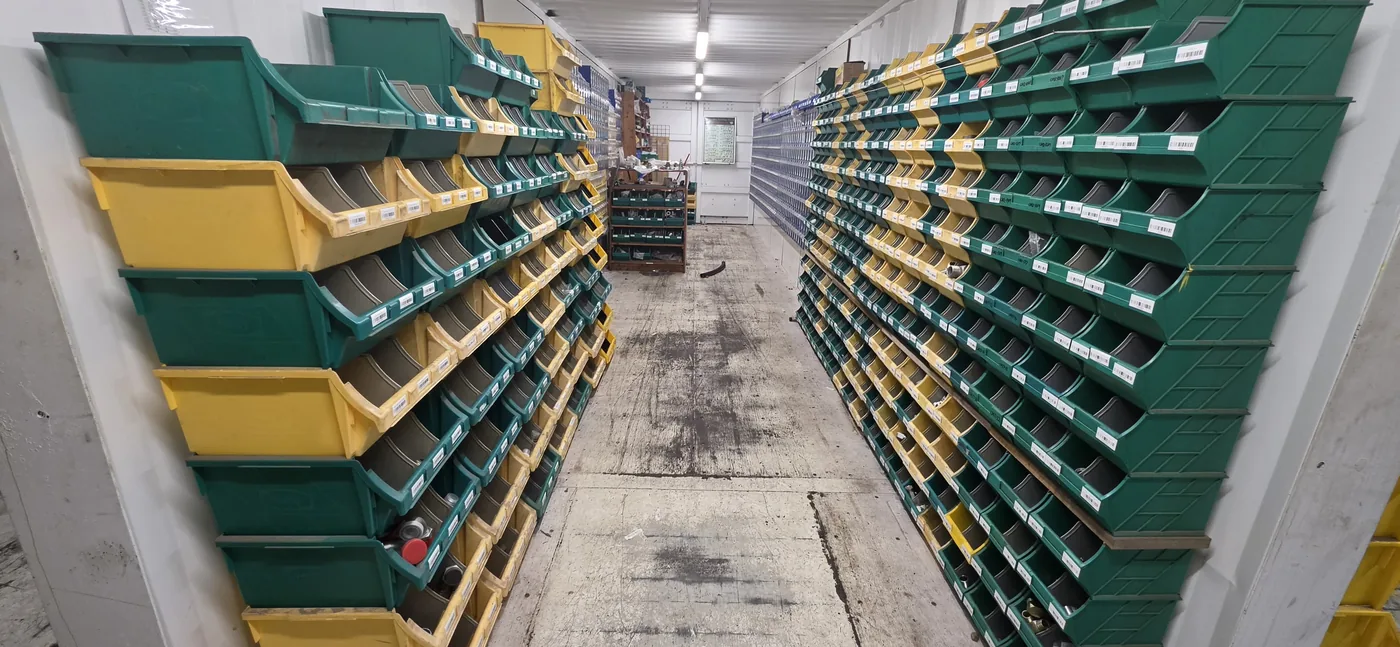
Operators should know which parts they may replace and which parts require technician support. Simple items may include locks, labels, cleaning accessories, filters, some belts, or external accessories depending on the machine design. More complex items such as control boards, refrigeration components, payment terminals, internal wiring, and safety-related modules should usually be handled by trained technicians or supplier support.
The spare parts section should list part name, part photo, quantity, machine model, replacement level, storage location, and reorder threshold. For fleets, each country or region should have its own spare parts plan. A small delay in receiving a critical part can become expensive if the machine is placed in a high-traffic venue.
Warranty boundaries should be explained in plain language. Operators need to know how to report warranty issues, what information is required, what is covered, what may be considered misuse, and how replacement parts are approved. Clear warranty communication prevents conflict between buyer, distributor, venue, and factory.
9. Training Format: Manual, Video, Checklist, and Live Handover
The best training package is not one document. It is a combination of short manual, video clips, printable checklists, dashboard screenshots, and live handover. Some people learn by reading. Some learn by watching. Some learn only when they perform the task on the real machine. A launch team should use all three methods when the project is important.
Short videos are especially useful for refill, cleaning, product loading, fault code check, payment test, and dashboard operation. A checklist is useful for daily operation and installation handover. A service manual is useful for deeper troubleshooting. A live handover is useful for confirming that the local team can actually perform the tasks.
For international projects, the buyer can keep one master manual and create localized versions for each country. The process should stay consistent while language, contact details, product names, and payment instructions change.
10. What Buyers Should Request From the Supplier
- Machine structure overview with labeled photos.
- Refill and product loading guide for the approved product package.
- Payment test and refund information workflow.
- Dashboard role and daily operation guide.
- Cleaning and preventive maintenance checklist.
- Troubleshooting table with issue-report template.
- Spare parts list with recommended quantities.
- Warranty and support escalation path.
- Launch handover checklist for each new location.
- Training materials that can be translated for local teams.
How OBO Helps Buyers Build a Repeatable Training System
OBO Tech Group can support custom vending machine buyers with technical documentation, operator guidance, payment and dashboard planning, commissioning support, spare parts recommendations, and issue-report structure. The exact materials depend on the machine type, product category, country, payment system, and operating model.
If your project will scale beyond one machine, request training and service documents early. It is much easier to design the manual while the machine specification is being finalized than to reconstruct the operating logic after problems appear in the field.
Related Buyer Resources
- Custom vending machine multi-country rollout checklist
- Custom vending machine installation and commissioning checklist
- Custom vending machine after-sales support guide
- Vending machine dashboard specifications buyer guide
- Custom vending machine RFQ template
- Custom vending machine prototype cost guide
- Custom vending machine dispensing methods guide
- Custom vending machine factory acceptance test checklist
- Custom vending machine engineering change control guide
- Custom vending machine pilot data and scale guide
- Vending machine payment API integration guide
- Vending machine shipping import planning guide
- Vending machine testing checklist before mass production
Specification, Software, and SLA Resources
- Custom vending machine technical specification document checklist
- Custom vending machine software, data ownership, and SLA checklist
Production Quality and Field Reliability Resources
- Custom vending machine mass production quality control plan
- Vending machine field failure analysis and spare parts forecast
Compliance and Venue Approval Resources
- Custom vending machine compliance matrix
- Vending machine venue approval, insurance, and liability checklist
Supplier Qualification and Purchase Order Resources
- Custom vending machine supplier audit and qualification scorecard
- Custom vending machine purchase order, payment milestone, and delivery risk checklist
Project Risk and Launch KPI Resources
- Custom vending machine project risk register and kickoff checklist
- Vending machine launch KPI and post-launch review template
Business Case and Commercial Rollout Resources
- Custom vending machine business case and CapEx approval template
- Vending machine venue pitch deck and distributor recruitment package
Quotation, TCO, and Contract Scope Resources
- Custom vending machine quotation comparison, TCO, and hidden cost checklist
- Custom vending machine contract attachment, SOW, and service checklist
Procurement Review and Due Diligence Resources
- Custom vending machine RFP response and procurement committee Q&A checklist
- Custom vending machine procurement data room and due diligence package
FAQ
What should a vending machine operator training package include?
It should include machine overview, safety notes, refill steps, product loading rules, payment checks, dashboard use, cleaning schedule, troubleshooting, spare parts, issue reporting, and escalation contacts.
Who needs vending machine training before launch?
Refill staff, venue contacts, service technicians, country managers, payment or IT contacts, distributors, and customer support staff should receive the training level that matches their responsibility.
Why does a service manual matter for custom vending machines?
A service manual reduces repeated support questions, standardizes maintenance, helps local teams respond faster, and protects the buyer from avoidable downtime as the fleet grows.
Should training happen before or after installation?
Basic training should happen before installation, then be repeated during commissioning with the real machine, real products, real payment method, and real dashboard account.
How can training support multi-location vending machine deployment?
A standard training package turns one successful installation into a repeatable launch process for new locations, distributors, franchisees, and service partners.
 Privacy respected. No spam. Ever.