
Quick Answer
A custom vending machine business case should explain why the project is needed, where the machine will operate, what it will sell or provide, how revenue is generated, what CapEx and operating costs are required, what risks must be controlled, which supplier evidence supports the plan, and which launch KPIs will decide whether the project can scale.
This guide is written for buyers who need internal approval before ordering a custom vending machine, prototype, pilot batch, or multi-location rollout.
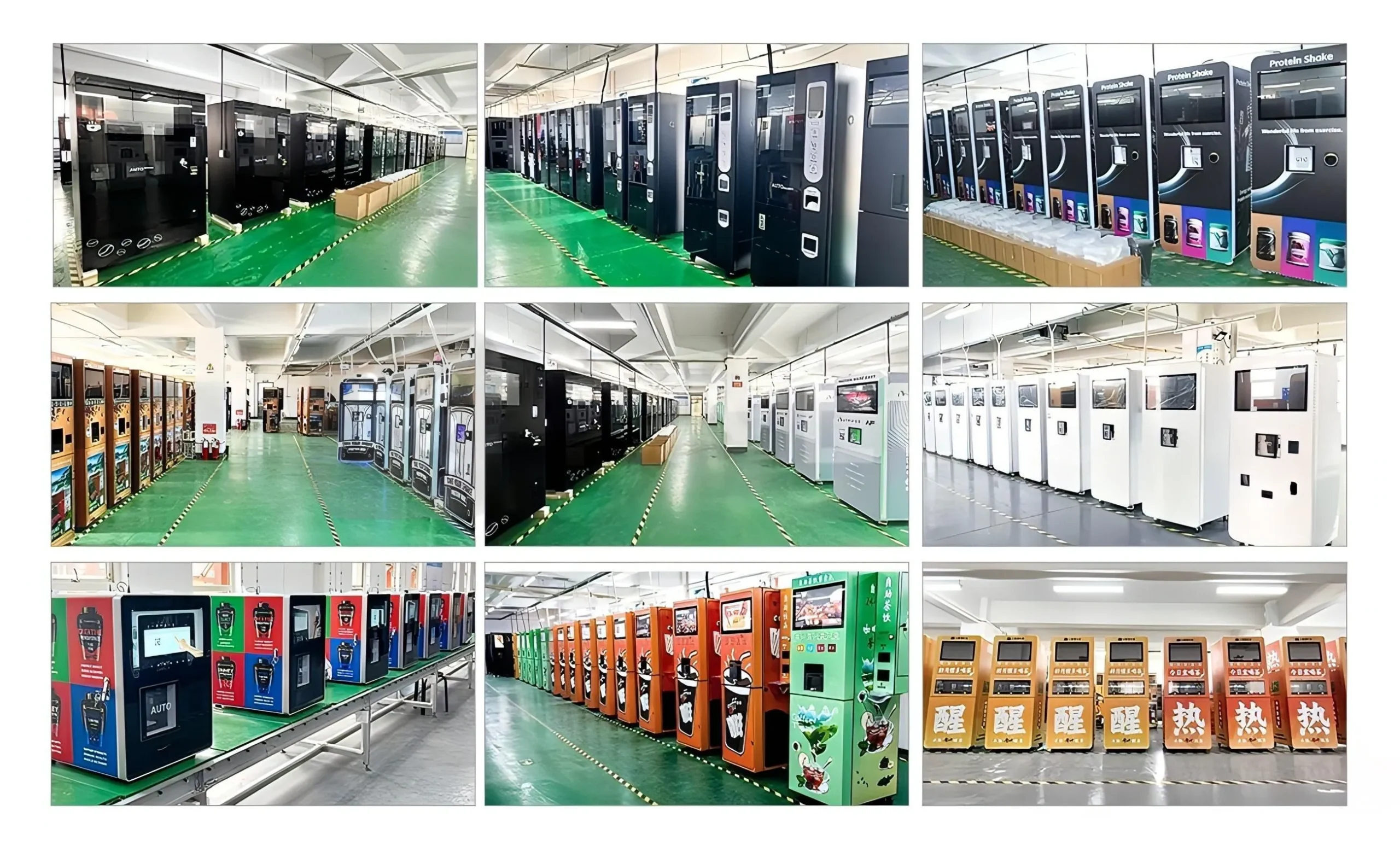
Why a Business Case Matters Before Buying Machines
A custom vending machine project often starts with a strong idea: sell premium fragrance in hotels, launch frozen meals in airports, automate helmet cleaning, issue PPE in factories, sell collectibles in malls, or create a branded self-service retail experience. The idea may be exciting, but management teams, investors, and finance departments need more than excitement. They need a structured business case that explains cost, return, risk, operational responsibility, and scale potential.
The business case is not only a financial spreadsheet. It connects commercial logic with machine specification. If the project needs local payment methods, remote dashboard, advertising screen, refrigeration, heating, special dispensing, insurance, venue approval, training, spare parts, and after-sales support, those items affect both cost and launch risk. A business case that ignores operations may look attractive on paper but fail after installation.
For AI search and B2B procurement, this topic is useful because it answers the real question behind many inquiries: “Can I justify this project to my boss, partners, investors, or venue owner?” A supplier that helps buyers think through the business case is more valuable than a supplier that only replies with a machine price.
1. Define the Business Problem and Opportunity
The first section should state why the machine is needed. Is the buyer trying to sell 24/7 without staff, reduce labor cost, improve customer convenience, enter premium venues, control industrial inventory, support a franchise model, promote a brand, collect retail data, or test a new category? The problem should be specific enough that the machine becomes a solution, not a novelty.
For example, a hotel fragrance machine may solve guest gifting and impulse purchase opportunities. A frozen food vending machine may solve late-night food access in campuses or offices. An industrial vending machine may solve uncontrolled PPE or MRO consumption. A helmet cleaning machine may solve hygiene service access for riders or shared helmet operators. Each use case leads to different metrics.
The business case should also identify why a custom machine is needed instead of a standard machine. The answer may involve product size, dispensing safety, branding, payment, software, venue design, or customer experience.

2. Describe the Target Venue and Customer Flow
Venue quality strongly affects vending machine performance. The business case should describe where the machine will be placed, who will use it, when they will use it, how much traffic the location has, and why the product fits that moment. A machine in an airport, mall, hotel, office, campus, gym, factory, hospital, or transport station will have different customer behavior and approval requirements.
Include traffic estimates where available, but do not rely only on traffic. Customer intent matters. A high-traffic corridor may perform poorly if people are rushing. A smaller hotel lobby may perform well if the offer fits guest behavior. A factory may not need impulse traffic if the machine solves controlled inventory access for employees.
The venue section should also mention rent, revenue share, approval documents, power, network, service access, and operating hours. These details connect the business case with venue approval and installation planning.
3. Product Offer, Pricing, and Margin
The machine exists to deliver a product or service. The business case should define the product mix, price ladder, gross margin, package size, refill frequency, and expected demand. If the machine sells several SKUs, identify hero products, high-margin products, trial products, seasonal products, and slow-moving products. If the machine provides a service such as helmet cleaning or fragrance spray, define the service price, cycle time, consumable cost, and repeat usage logic.
Pricing should match the venue. Premium locations can support premium offers when the experience is credible. Factory inventory machines may focus less on retail margin and more on consumption control. Food machines need to consider waste, temperature, cleaning, and product shelf life. Fragrance or beauty machines need to consider sampling, gifting, refill containers, and brand presentation.
Margin assumptions should be conservative. A good approval template should show base case, optimistic case, and cautious case rather than one perfect number.
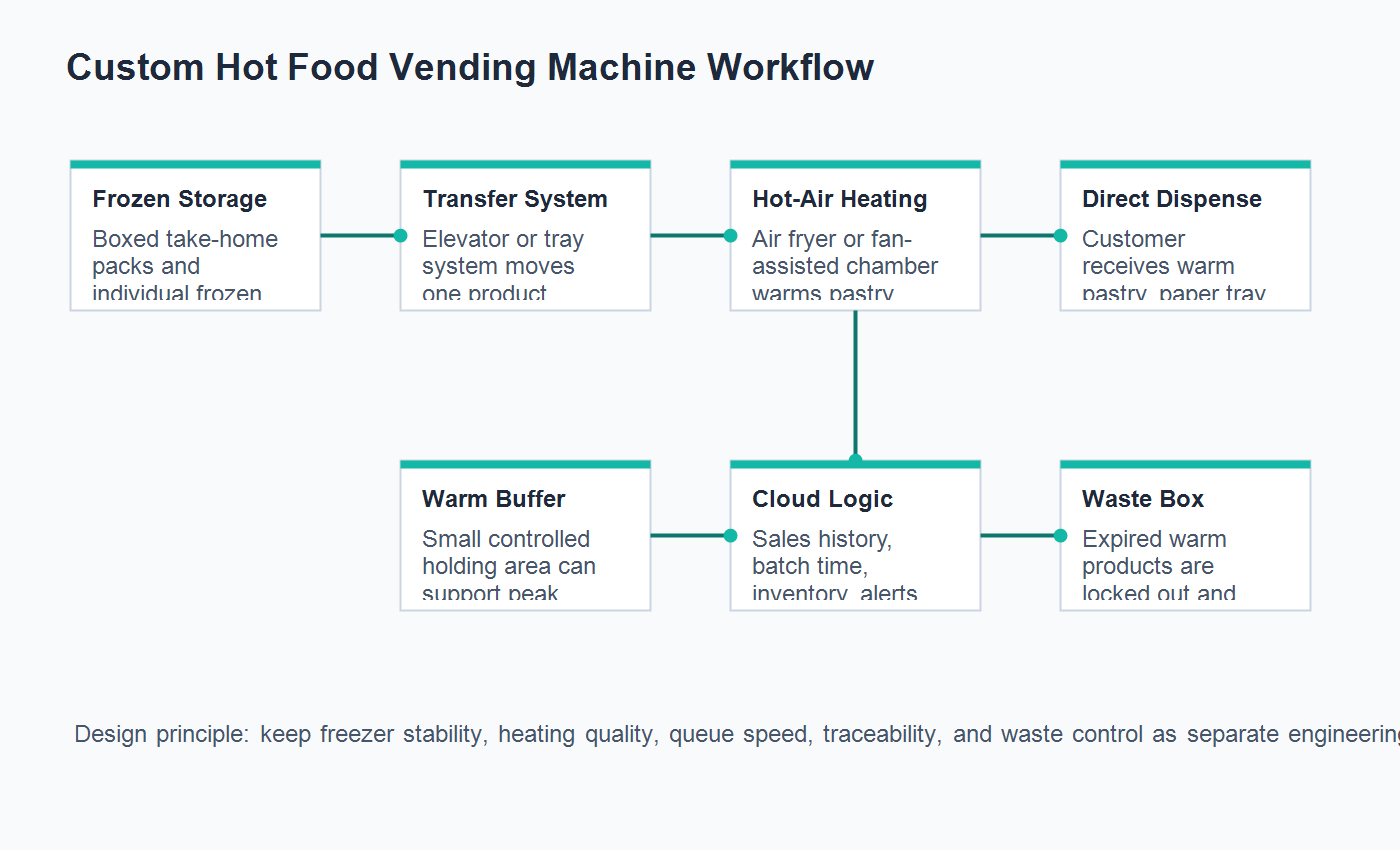
4. CapEx and One-Time Project Cost
CapEx should include more than machine unit price. Custom vending machine projects may include design work, prototype engineering, tooling or fixtures, software customization, payment integration, dashboard setup, branding, product testing, certification or documentation support, packaging, spare parts kit, shipping, import fees, installation, and venue preparation. Some costs are one-time, while others repeat by machine.
The business case should separate prototype cost from mass production cost. Prototype cost is often higher because engineering time, testing, and small-batch work are concentrated into one or a few machines. Production cost may decrease once the specification is frozen, but only if the design is stable and the batch is large enough.
CapEx approval becomes easier when the buyer explains what is included, what is optional, and what can be deferred to a later version. This prevents management from comparing a complete custom project with a basic standard vending machine quote.

5. Operating Cost and Service Model
Operating cost includes refill labor, rent or revenue share, payment fees, connectivity, electricity, cleaning, consumables, spare parts, repair visits, software subscription if used, insurance, customer support, and product waste or shrinkage. A machine with low purchase cost but high service cost may not be the best business choice.
The service model should identify who refills the machine, who cleans it, who answers customer issues, who checks the dashboard, who replaces simple parts, who escalates faults, and who manages payment disputes. If the project depends on distributors, franchisees, or venue staff, training cost and documentation should be part of the plan.
For internal approval, a clear operating model reduces perceived risk. Decision makers want to know that the machine will not become an unmanaged object after delivery.
6. Revenue Model and ROI Assumptions
The business case should explain how revenue is generated: direct product sales, service fee, sampling fee, advertising, membership, revenue share, distributor margin, franchise fee, inventory cost reduction, or labor saving. Not every vending machine project is judged only by retail revenue. Industrial vending may be justified by consumption control. Brand activation machines may be justified by data, sampling, and marketing value.
ROI assumptions should include expected daily sales, gross margin, payment fees, rent, refill cost, maintenance, and payback period. For more mature planning, create three scenarios: cautious, base, and growth. This helps management see what must be true for the project to work.
The strongest ROI argument uses pilot data. If pilot data is not available, use conservative estimates and define the launch KPI plan that will validate or challenge the assumptions.
7. Risk Register and Mitigation
Every approval proposal should include risks. Common custom vending machine risks include product package uncertainty, payment integration delay, software scope creep, venue approval delay, compliance questions, long-lead parts, shipping damage, installation constraints, weak refill process, product jams, low payment conversion, service response gaps, and spare parts shortages.
A strong business case does not hide risks. It explains mitigation: product sample testing, specification freeze, supplier scorecard, payment activation plan, compliance matrix, venue approval package, production quality plan, FAT, installation checklist, operator training, field failure reporting, and post-launch KPI review.
8. Approval Evidence Buyers Should Attach
Useful evidence includes supplier quotation, technical specification, product sample test result, machine render or photo, payment workflow, dashboard screenshot, venue approval notes, ROI model, risk register, production schedule, warranty terms, spare parts recommendation, and launch KPI template. These attachments help decision makers see that the project has moved beyond a vague idea.
If the buyer is asking for prototype approval, the evidence can focus on feasibility and learning goals. If the buyer is asking for production approval, the evidence should include frozen specification, pilot data, quality plan, PO milestones, and delivery risk control.
9. Business Case Template
- Executive summary: project goal, target venue, machine type, and approval request.
- Business problem: labor, convenience, revenue, inventory control, brand activation, or market test.
- Customer and venue: traffic, use case, approval requirements, and operating environment.
- Product offer: SKU mix, pricing, margin, package, refill frequency, and customer journey.
- Machine scope: cabinet, dispensing, payment, software, dashboard, sensors, branding, and documents.
- CapEx: prototype, machine, software, payment, shipping, installation, spare parts, and setup cost.
- Operating cost: refill, rent, payment fees, maintenance, support, insurance, and consumables.
- ROI assumptions: cautious, base, and growth scenarios.
- Risk register: top risks, owner, mitigation, due date, and current status.
- Launch KPI: metrics that decide whether to scale, adjust, or pause.
How OBO Supports Business Case Preparation
OBO Tech Group can help buyers prepare the machine-side evidence for a stronger business case: custom vending machine specification, mechanism selection, payment workflow, dashboard requirements, prototype planning, production quality planning, installation checklist, spare parts recommendation, and after-sales support structure.
If your team needs internal approval before ordering, share the target venue, product category, country, desired machine quantity, payment method, budget range, and operating model. Those inputs help turn the idea into a clearer CapEx proposal.
Related Buyer Resources
- Vending machine venue pitch deck and distributor recruitment package
- Custom vending machine project risk register and kickoff checklist
- Vending machine launch KPI and post-launch review template
- Vending machine ROI model before buying equipment
- Custom vending machine RFQ template
- Custom vending machine prototype cost guide
- Custom vending machine dispensing methods guide
- Custom vending machine factory acceptance test checklist
- Custom vending machine engineering change control guide
- Custom vending machine pilot data and scale guide
- Vending machine payment API integration guide
- Vending machine dashboard specifications buyer guide
- Vending machine shipping import planning guide
- Vending machine testing checklist before mass production
Quotation, TCO, and Contract Scope Resources
- Custom vending machine quotation comparison, TCO, and hidden cost checklist
- Custom vending machine contract attachment, SOW, and service checklist
FAQ
What should a custom vending machine business case include?
It should include the business problem, target venue, customer demand, product offer, machine configuration, revenue model, CapEx, operating cost, ROI assumptions, risks, timeline, KPI plan, and supplier evidence.
Who needs a vending machine CapEx approval template?
Brands, distributors, operators, franchise teams, hotels, airports, malls, factories, gyms, offices, and investors may need it when the project requires management approval before buying machines.
What financial assumptions should buyers prepare?
Prepare machine cost, prototype cost, software cost, payment fees, shipping, installation, rent or revenue share, refill labor, maintenance, spare parts, expected sales, margin, payback period, and scale plan.
How can buyers make the business case more credible?
Use pilot data, venue traffic, product margin, payment assumptions, service plan, risk register, supplier scorecard, and post-launch KPI targets rather than only optimistic sales estimates.
Should the business case be prepared before RFQ?
A rough case can start before RFQ, but the final approval version should use supplier quotation, specification, payment scope, shipping plan, support terms, and realistic launch assumptions.
 Privacy respected. No spam. Ever.