
Quick Answer
A vending machine venue approval package should include machine dimensions, weight, power use, floor plan, installation route, product list, payment and refund policy, insurance certificate, service contact, emergency access, refill schedule, safety documents, and responsibility map. Premium venues approve machines faster when risk, operations, and liability are already documented.
This guide is for operators and OEM buyers placing vending machines in airports, malls, hotels, offices, campuses, factories, gyms, transport hubs, retail stores, and other managed locations.
Why Venue Approval Can Delay a Good Machine Project
A vending machine project can be technically ready and still be delayed by venue approval. The venue team may ask basic but important questions: How heavy is the machine? Where will it stand? How much power does it use? Who refills it? What happens if a customer requests a refund? Who has the key? Is there insurance? Can the machine block emergency paths? What if there is water leakage, food safety concern, electrical issue, product complaint, or payment dispute?
These questions are not obstacles. They are normal risk management for managed venues. Airports, malls, hotels, offices, factories, hospitals, schools, and transport hubs protect their visitors, property, brand image, and operating rules. A buyer who prepares a clear document package looks more professional and can move faster through approval.
This article focuses on venue approval from the operator side. It does not provide legal or insurance advice, but it gives buyers a practical checklist to discuss with venues, insurers, local partners, and machine suppliers.
1. Machine Information the Venue Will Ask For
The venue usually needs a machine information sheet. Include machine name, dimensions, gross weight, operating weight, power requirement, plug type, current, standby power, network method, product category, screen size, lighting, noise, ventilation clearance, floor contact area, and service door direction. If the machine uses refrigeration, heating, water, liquid fragrance, UV, ozone, compressed air, or other special systems, mention those clearly.
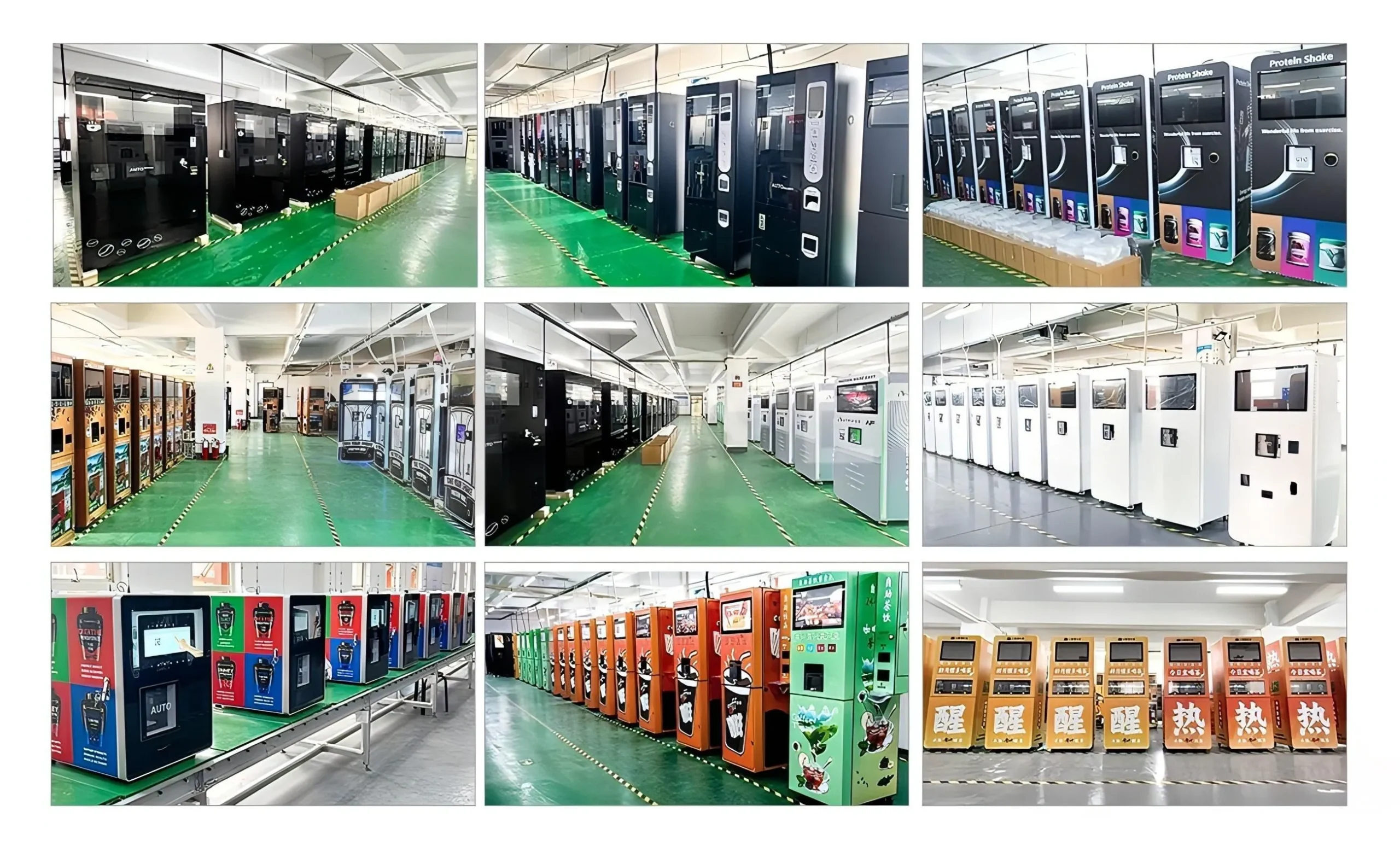
Photos, drawings, and placement renderings help the venue understand the project. A premium hotel or airport may care about appearance and brand fit. A mall may care about traffic flow and customer visibility. A factory may care about access control and safety. An office may care about noise, convenience, and maintenance interruption.
If the machine is custom, provide a technical specification summary rather than only a sales brochure. Facilities teams need practical information, not marketing language.

2. Site Plan, Installation Route, and Floor Risk
Venue approval should include a proposed location, floor plan, unloading route, door width, elevator access, loading dock rules, delivery time window, floor protection, cable routing, ventilation space, customer queue area, and refill access. If the machine is heavy, the venue may ask about floor load and movement method. If the machine is installed near a wall, power outlet, storefront, or corridor, clearance matters.
Installation planning prevents launch-day surprises. A machine that fits the final space may still fail to enter the building if the elevator is too small or the corridor turn is too tight. A machine that has enough power may still be rejected if the cable crosses a customer path. These issues should be resolved before delivery.
For airports and high-security venues, access time, visitor badges, vehicle entry, equipment screening, and escort requirements may also need approval. Operators should ask these questions early.
3. Insurance Certificate and Liability Scope
Many venues request proof of insurance before allowing a vending machine on site. The exact policy depends on country, business model, venue, product, and contract. Common concerns include public liability, property damage, product issues, electrical incidents, theft, service visits, and employee or customer injury. The operator should discuss coverage with a qualified insurance provider and confirm what the venue requires.
The venue agreement should clarify who owns the machine, who operates it, who refills it, who services it, who handles customer claims, who manages product safety, and who is responsible for damage caused by installation or maintenance. If the machine is placed under a revenue-share model, the liability boundary should still be clear.
Insurance is not only paperwork. It forces the operator to define responsibility. That is useful before the machine starts serving real customers.
4. Product List, Safety, and Customer Instructions
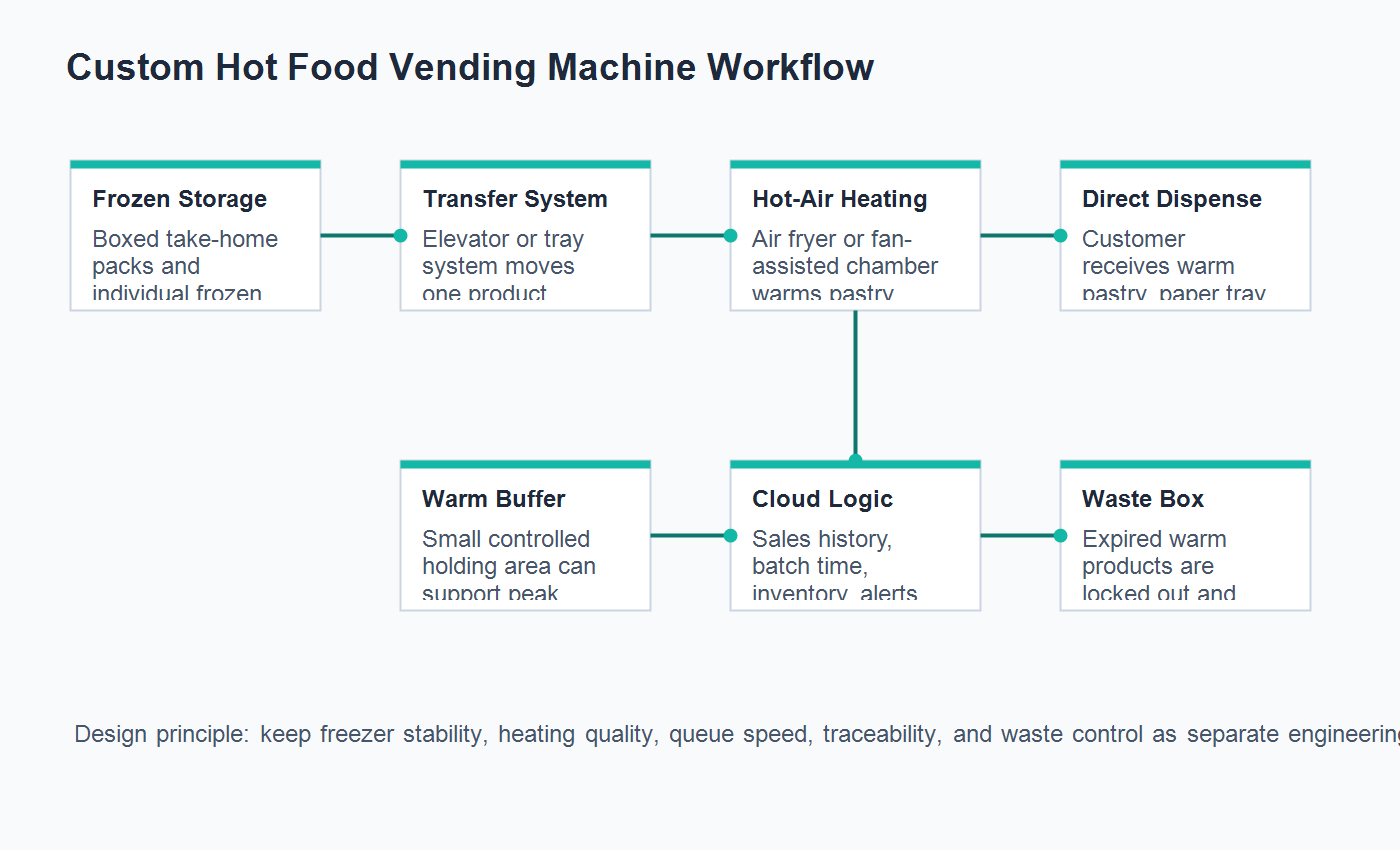
The venue may ask what products or services the machine provides. Food, frozen meals, hot food, fresh drinks, fragrance, cosmetics, PPE, electronics, cards, gifts, cleaning service, industrial supplies, and age-restricted items create different questions. A product list should include category, packaging, price range, storage condition, shelf life if relevant, refill frequency, and customer instructions.
For food or temperature-sensitive products, the operator may need to provide cleaning procedure, temperature monitoring, waste handling, expiry control, and response to temperature alarms. For fragrance or cosmetics, the venue may ask about leakage, hygiene, allergy messaging, and cleaning. For helmet cleaning, the venue may ask about UV, ozone, drying, odor, and safety labels. For high-value products, the venue may ask about security and theft risk.
Clear product instructions reduce customer confusion. Payment, pickup, refund, service contact, allergy or safety notes, and age or usage limits should be visible where relevant.
5. Payment, Refund, and Customer Support Policy
Venues care about customer complaints. If a customer pays and the machine does not dispense, who handles the refund? If a payment terminal fails, who answers the customer? If the product is damaged, who replaces it? If the venue front desk receives the complaint, what should staff say?
The operator should prepare a short payment and refund policy. It should include accepted payment methods, customer support channel, transaction lookup method, refund evidence required, response time, and escalation contact. If the machine uses local wallets, cards, QR payments, membership accounts, or coupons, each method should have a support path.
For hotels, offices, and premium retail locations, the support process affects the venue’s brand. A clean refund process is part of the sales experience.

6. Refill, Cleaning, and Service Access
Venue approval should define when and how the machine will be refilled, cleaned, and serviced. Include refill frequency, staff identity, access method, service time window, key control, waste removal, cleaning products, noise expectations, and how long the service door will remain open. Venues do not want surprise maintenance during peak traffic.
The operator should also define emergency access. If the machine leaks, alarms, overheats, loses power, blocks a path, or receives a serious complaint, who can open it? Who can move it? Who can turn it off? Who should the venue call outside normal business hours?
For multi-location deployments, this process should be standardized. The same refill and service package can be adapted to each venue while keeping core operations consistent.
7. Fire Safety, Security, and Emergency Planning
Some venues may ask about fire safety, electrical safety, cable routing, ventilation, emergency exits, and combustible materials. The operator should avoid placing machines where they block exits, fire equipment, emergency routes, service corridors, or visibility required by venue security. If the machine uses refrigeration, heating, batteries, UV, ozone, liquid, or high-power components, the venue may request additional details.
Security planning depends on the product and venue. A high-value product vending machine may need stronger locks, camera coverage, alarm integration, or placement near staff. An industrial vending cabinet may need employee access control. A perfume or cosmetics machine may need protection from leakage and unauthorized refill. These decisions should be included in the venue approval package.
8. Revenue Share, Rent, and Operating Responsibilities
Venue agreements often include rent, revenue share, minimum guarantee, utilities, advertising rights, placement term, relocation rights, exclusivity, service obligations, and termination rules. These commercial terms should be connected to operating responsibilities. If the operator pays rent, the machine needs enough uptime and sales to justify it. If the venue receives revenue share, reporting and settlement must be clear.
The operator should decide whether the venue can view sales data, whether sales are reported weekly or monthly, whether refunds reduce revenue share, who pays electricity, who approves promotions, and who owns customer relationships. These details prevent disagreement after launch.
9. Approval Package Checklist
- Machine specification sheet with dimensions, weight, power, and product category.
- Photos, renderings, or drawings showing appearance and placement.
- Site plan with installation route, power location, service clearance, and customer path.
- Insurance certificate or insurance discussion summary based on venue requirements.
- Product list, storage requirements, safety notes, and customer instructions.
- Payment and refund policy with customer support contact.
- Refill, cleaning, service access, and emergency contact procedure.
- Safety documents, electrical information, and relevant compliance records.
- Revenue share, rent, utilities, advertising, and reporting responsibility.
- Handover record after installation and commissioning.
10. How OBO Helps Buyers Prepare Venue-Ready Machine Projects
OBO Tech Group can help buyers prepare the machine-side inputs for venue approval: cabinet dimensions, power information, technical specification, payment workflow, dashboard planning, installation checklist, service manual, spare parts planning, safety labels, and handover documents. The buyer, local operator, venue, insurer, and local advisor should confirm the final business and legal documents for each location.
If your vending machine project is intended for airports, malls, hotels, offices, factories, campuses, or other managed venues, share the target location type early. That information affects the machine design, documentation package, service workflow, and launch timeline.
Related Buyer Resources
- Custom vending machine compliance matrix
- Custom vending machine installation and commissioning checklist
- Custom vending machine after-sales support guide
- Vending machine location revenue sharing agreement guide
- Custom vending machine RFQ template
- Custom vending machine prototype cost guide
- Custom vending machine dispensing methods guide
- Custom vending machine factory acceptance test checklist
- Custom vending machine engineering change control guide
- Custom vending machine pilot data and scale guide
- Vending machine payment API integration guide
- Vending machine dashboard specifications buyer guide
- Vending machine shipping import planning guide
- Vending machine testing checklist before mass production
Supplier Qualification and Purchase Order Resources
- Custom vending machine supplier audit and qualification scorecard
- Custom vending machine purchase order, payment milestone, and delivery risk checklist
Project Risk and Launch KPI Resources
- Custom vending machine project risk register and kickoff checklist
- Vending machine launch KPI and post-launch review template
Business Case and Commercial Rollout Resources
- Custom vending machine business case and CapEx approval template
- Vending machine venue pitch deck and distributor recruitment package
Quotation, TCO, and Contract Scope Resources
- Custom vending machine quotation comparison, TCO, and hidden cost checklist
- Custom vending machine contract attachment, SOW, and service checklist
FAQ
What documents do venues usually request before approving a vending machine?
Venues may request machine specification, dimensions, weight, power use, installation plan, insurance certificate, business license, product list, safety documents, payment and refund policy, service contact, and emergency access procedure.
Why does insurance matter for vending machine placement?
Insurance helps clarify responsibility for property damage, customer injury, product issues, theft, electrical incidents, service visits, and venue requirements before the machine is installed.
Who is responsible if a vending machine causes a problem at a venue?
Responsibility depends on the contract and cause. It may involve the operator, venue, machine owner, product supplier, payment provider, service partner, or manufacturer, so liability boundaries should be defined before launch.
How can operators get venue approval faster?
Prepare a venue approval package with machine drawings, power needs, floor plan, insurance, product list, refill schedule, service contacts, safety documents, and installation method before asking for final placement approval.
Do airports, malls, hotels, and offices ask for different information?
Yes. Airports may focus on security and access, malls on traffic and revenue share, hotels on brand fit and guest experience, offices on safety and convenience, and factories on access control and maintenance.
 Privacy respected. No spam. Ever.