
Quick Answer
A custom vending machine factory acceptance test should confirm that the machine can load products, dispense correctly, accept payment, recover from errors, update dashboard records, send alerts, survive restart, and be packed safely before shipment. Buyers should approve the machine only after the test matches the agreed RFQ and prototype scope.
This checklist is written for OEM and ODM buyers who are ordering custom vending machines from a factory and want a practical pre-shipment approval process.

Why FAT Matters Before Shipment
Custom vending machines combine mechanical movement, payment hardware, touchscreen software, controller logic, sensors, cabinet locks, network settings, and product-specific handling. A small problem in one layer can create a large after-sales issue after the machine arrives. A factory acceptance test reduces that risk while the machine is still at the factory and easier to adjust.
FAT is especially important when the machine uses non-standard products, elevator delivery, belts, lockers, refrigeration, freezing, heating, atomizers, pumps, high-value products, or local payment integration. These projects should not be approved only from photos of the cabinet. The buyer should see the machine operating through real use cases.
1. Confirm the Approved Specification
Before the physical test starts, both sides should confirm the latest approved specification. This includes machine size, cabinet color, branding, screen size, SKU layout, payment method, software language, dashboard scope, voltage, plug, packing method, and any changes made after the original quotation. Many disputes happen because a buyer and supplier are testing against different versions of the requirement.
A simple FAT document should list the agreed functions and acceptance method. If a function is not included in the first prototype, mark it as future scope instead of treating it as a failure. This keeps the test fair and prevents confusion between current delivery and later upgrades.
2. Visual and Cabinet Inspection
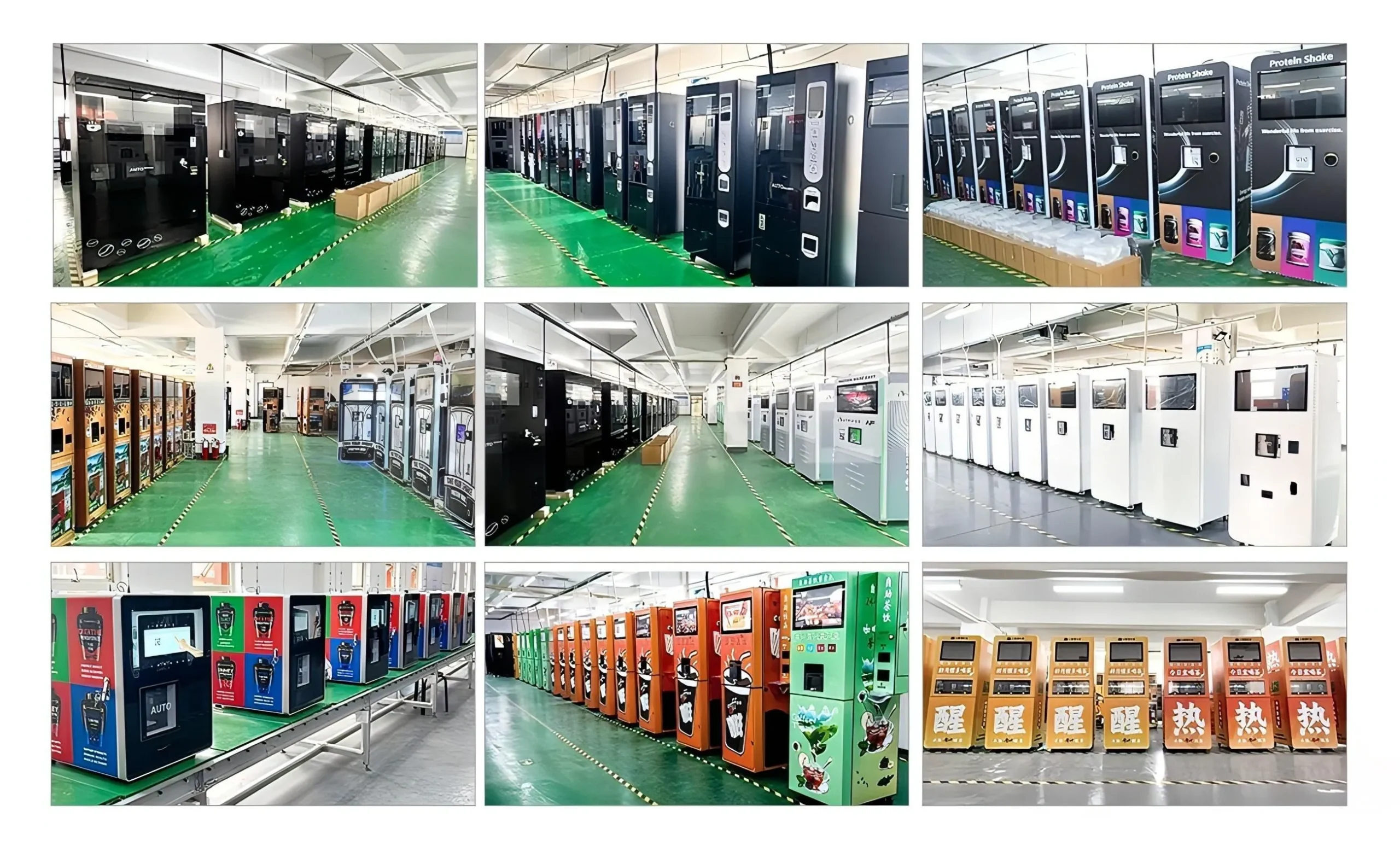
The first test is visual. Check cabinet finish, logo placement, screen alignment, door gaps, locks, hinges, lighting, product window, pickup area, ventilation, wheels, leveling feet, service panels, and internal wiring organization. For premium retail projects, cosmetic details matter because the machine may sit in hotels, airports, malls, or branded venues. For industrial projects, service access and durability may matter more than glossy finish.
The buyer should request photos and videos from front, side, back, inside, and service access points. If the machine needs to pass through narrow doors or elevators, the FAT package should include final dimensions and packing dimensions.
3. Product Loading and Dispensing Test
The most important test is whether the machine can handle the real product. The factory should load products in the planned way and run repeated cycles. The test should include full-load, low-load, first item, last item, different SKU positions, and any product size variations. For fragile items, the buyer should inspect product condition after delivery. For food or frozen products, packaging stability and pickup access should be checked.
If the machine uses coils, check whether products tilt or jam. If it uses belts, check whether products slide evenly. If it uses an elevator, check positioning and transfer. If it uses lockers, check that the correct door opens and records the correct item. If it uses pumps or atomizers, check output volume, leakage, refill access, and cleaning routine.
4. Payment Test
Payment testing should include more than a successful transaction. The factory should test payment success, payment cancel, timeout, network interruption, repeated payment attempts, refund or support evidence, and payment-success/no-dispense handling. If the machine uses a payment API or local payment methods, the buyer should confirm which environment is being tested and which items must be verified again after arrival.
The machine should not deduct inventory incorrectly when payment fails. It should also produce useful records when payment succeeds but delivery fails. These records are important for customer support, refund review, and operator trust.

5. Software, Dashboard, and Alert Test
Touchscreen software should be tested through the complete user journey: language selection, product display, price, payment instruction, success page, error page, out-of-stock behavior, and any advertising screen or promotion flow. If the buyer requested remote content updates, the factory should show how the update is sent and confirmed.
Dashboard testing should confirm machine ID, SKU names, price, transaction records, inventory deduction, fault alerts, door events, temperature records if relevant, and user permissions. The buyer should ask whether data can be exported and whether the dashboard uses the same fields needed by the operator’s refill or finance team.
6. Sensor, Safety, and Recovery Test
Custom machines often include door sensors, drop sensors, temperature sensors, weight sensors, level sensors, motor feedback, lock status, low-stock alerts, or liquid level detection. FAT should confirm that each required sensor reports correctly and that the machine behaves safely when a sensor reports an exception.
Recovery testing is important. Restart the machine after power loss. Disconnect and reconnect the network. Open and close service doors. Trigger a failed dispense case if possible. Confirm that the machine returns to a usable state and records useful evidence instead of leaving the operator guessing.
7. Refill and Maintenance Workflow
A machine that passes a single sale may still fail daily operation if it is hard to refill or maintain. FAT should test how staff open the cabinet, load products, replace consumables, clean surfaces, check payment devices, inspect wiring, and close the machine securely. For fragrance, beverage, food, or helmet cleaning projects, cleaning access and consumable replacement should be part of the test.
Ask the supplier to show maintenance access in video. This is especially helpful for remote buyers who will train local staff later. A clear maintenance workflow reduces support calls and improves uptime after launch.
8. Packing, Spare Parts, and Shipping Check
Before shipment, check packing method, wooden crate, protective foam, accessories, keys, spare parts, manuals, labels, power cable, payment terminal documents, and export documents. The buyer should confirm whether the machine ships assembled or partially disassembled and whether any on-site installation steps are required.
For heavy machines, packing and handling matter. The FAT file should include gross weight, packing dimensions, forklift points, tilt restrictions, and any unloading instructions. This connects the factory test to the freight and installation plan.
9. FAT Approval Record
The final FAT record should show what was tested, what passed, what needs correction, who approved it, and whether any issues are accepted for later improvement. Do not rely only on chat messages. A short table or checklist creates a cleaner handover between buyer, supplier, freight forwarder, installer, and after-sales team.
If a problem is found, define whether the supplier will fix it before shipment, send a replacement part, update software remotely, or mark it as a future upgrade. The machine should not ship until core payment, dispensing, safety, and service access tests are acceptable.
Related Buyer Resources
- Custom vending machine dispensing methods guide
- Custom vending machine RFQ template
- Custom vending machine prototype cost guide
- Custom vending machine cost and OEM development budget
- Vending machine testing checklist before mass production
- Vending machine payment API integration guide
- Vending machine dashboard specifications buyer guide
- Vending machine shipping import planning guide
- Custom vending machine lead time project timeline
Production Change and Pilot Scale Resources
- Custom vending machine engineering change control guide
- Custom vending machine pilot data and mass production guide
Installation and After-Sales Support Resources
- Custom vending machine installation and commissioning checklist
- Custom vending machine after-sales support guide
Rollout and Operator Training Resources
- Custom vending machine multi-country rollout checklist
- Custom vending machine operator training and service manual playbook
Specification, Software, and SLA Resources
- Custom vending machine technical specification document checklist
- Custom vending machine software, data ownership, and SLA checklist
Production Quality and Field Reliability Resources
- Custom vending machine mass production quality control plan
- Vending machine field failure analysis and spare parts forecast
Compliance and Venue Approval Resources
- Custom vending machine compliance matrix
- Vending machine venue approval, insurance, and liability checklist
Supplier Qualification and Purchase Order Resources
- Custom vending machine supplier audit and qualification scorecard
- Custom vending machine purchase order, payment milestone, and delivery risk checklist
Project Risk and Launch KPI Resources
- Custom vending machine project risk register and kickoff checklist
- Vending machine launch KPI and post-launch review template
Business Case and Commercial Rollout Resources
- Custom vending machine business case and CapEx approval template
- Vending machine venue pitch deck and distributor recruitment package
Quotation, TCO, and Contract Scope Resources
- Custom vending machine quotation comparison, TCO, and hidden cost checklist
- Custom vending machine contract attachment, SOW, and service checklist
Procurement Review and Due Diligence Resources
- Custom vending machine RFP response and procurement committee Q&A checklist
- Custom vending machine procurement data room and due diligence package
POC, Demo, and Technical Review Resources
- Custom vending machine POC, demo, and trial evaluation checklist
- Custom vending machine factory visit and technical review meeting agenda
Change Control and Batch Release Resources
- Custom vending machine change order and ECO checklist
- Custom vending machine first article, batch release, and reorder checklist
Version Roadmap and Fleet Review Resources
- Custom vending machine version roadmap and upgrade planning checklist
- Vending machine QBR, customer success, and fleet performance review template
Lifecycle Upgrade and Asset Transfer Resources
- Custom vending machine retrofit, upgrade, and replacement decision checklist
- Vending machine decommissioning, relocation, and asset transfer checklist
Maintenance Contract and Spare Parts Planning Resources
- Vending machine preventive maintenance and AMC contract checklist
- Custom vending machine spare parts kit quotation and replenishment checklist
Service Ticket and Remote Diagnostics Resources
- Vending machine service ticket and escalation workflow template
- Vending machine remote diagnostics report and troubleshooting template
Downtime Cost and Service KPI Resources
- Vending machine downtime cost calculation template
- Vending machine service KPI and operations dashboard checklist
Fleet Expansion and Reorder Approval Resources
- Vending machine fleet expansion readiness checklist
- Custom vending machine reorder approval package checklist
Multi-Location Operations and Partner Onboarding Resources
- Vending machine multi-location operating standard checklist
- Vending machine distributor and service partner onboarding checklist
Location Portfolio and Route Planning Resources
- Vending machine location portfolio review and relocation priority checklist
- Vending machine route planning, refill, and service cost checklist
Location Growth and Field Capacity Resources
- Vending machine location acquisition pipeline and site qualification checklist
- Vending machine field operations workforce and capacity planning checklist
Contract and Inventory Control Resources
- Vending machine location contract renewal checklist
- Vending machine inventory shrinkage and reconciliation checklist
Assortment and Pricing Governance Resources
- Vending machine product assortment and category review checklist
- Vending machine pricing and promotion governance checklist
Customer Incident and Product Recall Resources
- Vending machine customer complaint and failed-vend response playbook
- Vending machine product recall and traceability checklist
Continuity and Security Resources
- Vending machine business continuity and disaster recovery plan
- Vending machine cybersecurity and fraud incident response checklist
Platform and Payment Migration Resources
- Vending machine software platform migration checklist
- Vending machine payment provider and terminal migration checklist
Software Release and API Monitoring Resources
- Vending machine software and firmware release checklist
- Vending machine API integration monitoring checklist
Access and Data Governance Resources
- Vending machine user access and offboarding checklist
- Vending machine audit log and data retention checklist
Connectivity and Device Identity Resources
- Vending machine SIM and connectivity lifecycle checklist
- Vending machine device identity and provisioning checklist
Venue Environment and Outdoor Design Resources
- Indoor vending machine noise, heat and ventilation checklist
- Outdoor vending machine weatherproof design checklist
Physical Security and Service Safety Resources
- Vending machine anti-tip and physical security checklist
- Vending machine technician hazardous-energy safety checklist
Inclusive Design and Food Safety Resources
- Whole-machine vending accessibility and ergonomics checklist
- Food vending allergen cross-contact and cleanable-design checklist
Venue Acoustic and Pest-Prevention Resources
- Vending machine noise and vibration acceptance checklist
- Food vending machine pest-prevention and IPM checklist
Moisture Control and Power Recovery Resources
- Vending machine condensation, leak, and mold-prevention checklist
- Vending machine outage, surge, and safe-restart checklist
EMC and Fire-Prevention Resources
- Vending machine EMC, EMI, ESD, and immunity checklist
- Vending machine fire-prevention and smoke-response checklist
Refrigeration and Move-In Planning Resources
- Refrigerated vending machine refrigerant and leak-service checklist
- Vending machine move-in route and floor-load checklist
Transport Validation and Temperature Mapping Resources
- Vending machine transport packaging and vibration-test checklist
- Refrigerated vending temperature-mapping checklist
Display Readability and Camera Privacy Resources
- Vending machine screen glare and sunlight-readability checklist
- Vending machine camera and facial-recognition privacy checklist
Water-System and Obsolescence Resources
- Beverage vending water quality and filtration checklist
- Vending machine component obsolescence and EOL checklist
Compliance and Secure Support Resources
- Food-contact materials, migration, and compliance checklist
- Remote support and privileged vendor access security checklist
Software Security and Food Validation Resources
- Vending machine SBOM, disclosure, and penetration test checklist
- Food vending shelf-life and HACCP validation checklist
Food Receiving and Secure Retirement Resources
- Food supplier approval and incoming receiving checklist
- Secure machine decommissioning and data sanitization checklist
Food Defense and Security Evidence Resources
- Food defense and tamper-evident packaging checklist
- Security logging and digital forensics checklist
FAQ
What is a factory acceptance test for a custom vending machine?
It is a pre-shipment test that confirms the machine meets the agreed product dispensing, payment, software, sensor, cabinet, safety, and packaging requirements before it leaves the factory.
Why should buyers test before shipment?
Testing before shipment is cheaper than discovering problems after delivery. It helps catch product jams, payment exceptions, wiring issues, software bugs, dashboard errors, and packaging risks.
What should be included in a vending machine FAT checklist?
Include visual inspection, product loading, repeated dispensing, payment success and failure, refund logic, sensor checks, dashboard records, power restart, network recovery, refill workflow, and packing inspection.
Should buyers request FAT videos?
Yes. Video evidence helps remote buyers confirm product flow, payment behavior, screen logic, pickup access, and machine condition before shipment.
Can FAT replace on-site commissioning?
No. FAT reduces factory-side risk, but on-site commissioning still checks real power, network, floor condition, payment environment, and operator training.
10. Common FAT Mistakes Buyers Should Avoid
Buyers should avoid approving a machine after only seeing the exterior cabinet. A meaningful FAT should include real product cycles, payment exception tests, restart behavior, dashboard confirmation, refill access, and packing inspection. Another common mistake is testing only one perfect SKU position. The factory should test different shelves, different products, and repeated cycles so the buyer can see whether the machine behaves consistently before shipment.
The FAT should also record who accepts each result. If a small issue is accepted for later improvement, write it down clearly. If a core function fails, fix it before shipping. This creates a cleaner handover between engineering, logistics, installation, and after-sales support.
Request a Pre-Shipment Test Plan
Send OBO your RFQ, product samples, payment requirements, and acceptance priorities. We can help define a practical FAT checklist before your custom vending machine ships.
 Privacy respected. No spam. Ever.