
Quick Answer
Before releasing the first batch of custom vending machines, buyers should inspect the first article against the approved specification, verify product dispensing, payment, software, dashboard, sensors, branding, quality records, FAT evidence, packaging, spare parts, documents, and batch traceability. Before reordering, buyers should also review field data, launch KPIs, service tickets, and approved changes.
This guide is for buyers moving from prototype or pilot into the first production batch, or from first deployment into reorder and scale-up.
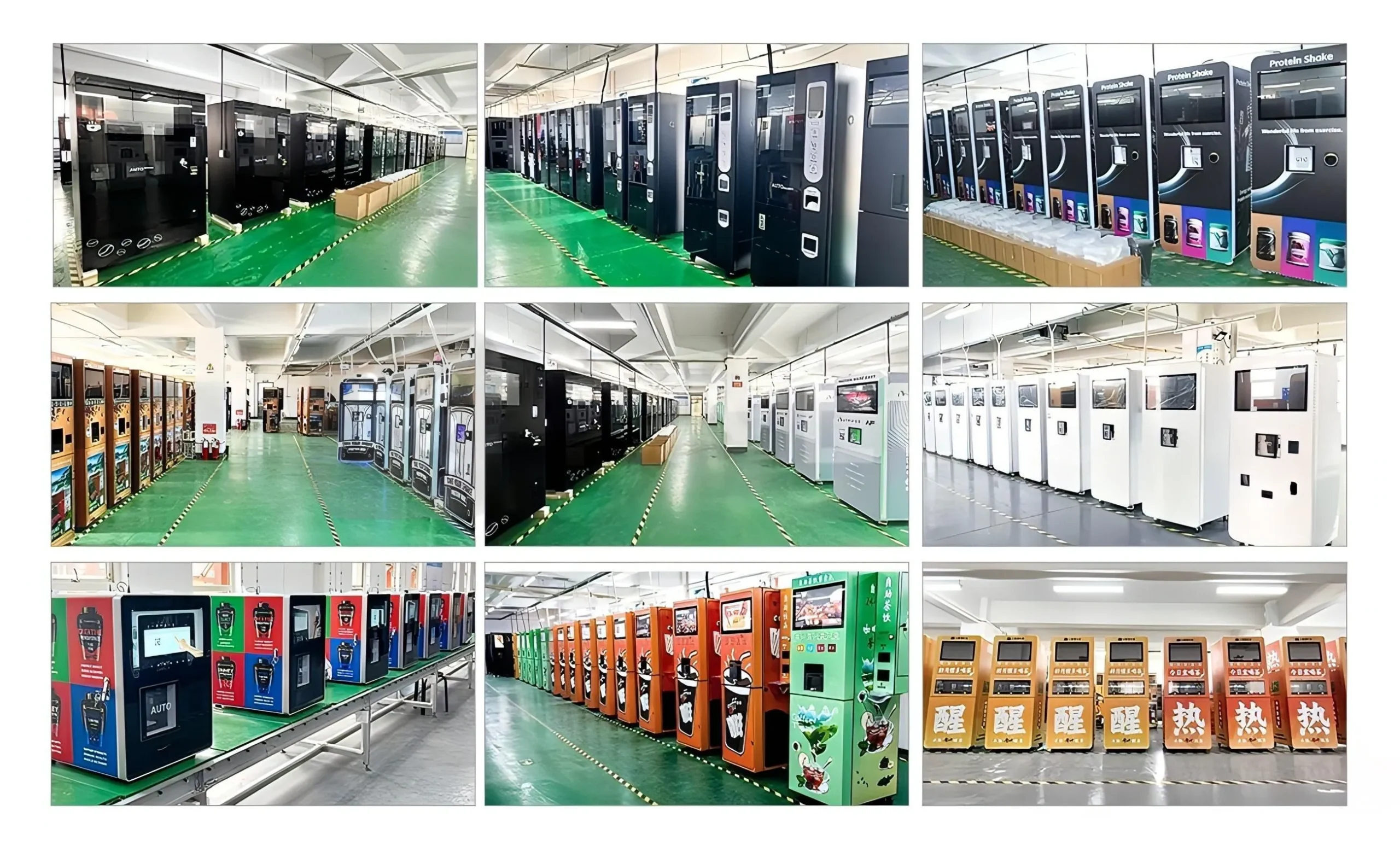
Why First Article Inspection Matters
The first production unit is the bridge between engineering and repeatable manufacturing. A prototype can involve manual adjustments and temporary decisions. A first article should represent the production version. If the first article is approved too casually, the same mistake can repeat across the whole batch. If it is inspected carefully, the buyer and factory can correct issues before more machines are released.
Custom vending machines combine mechanical parts, cabinet structure, payment, software, dashboard, sensors, wiring, branding, packaging, and service documentation. A first article inspection should not only check whether the machine turns on. It should confirm whether the machine matches the agreed business, technical, and operating scope.
This step is especially important for machines going into airports, malls, hotels, factories, campuses, gyms, or multiple countries, where one repeated issue can affect many locations.
1. Production Readiness Before First Article
Before building the first article, confirm that the specification is frozen, product samples are approved, payment scope is confirmed, software version is identified, branding files are final, long-lead parts are available, and ECO records are closed or assigned to future versions. Production should not start while core assumptions are still moving.
The buyer should also confirm acceptance criteria. What must the first article prove? Dispensing reliability, payment success, dashboard data, temperature control, cabinet appearance, refill access, serviceability, packaging, or country-specific configuration may all be required.

2. First Article Inspection Checklist
Inspect cabinet dimensions, finish, logo, screen, payment terminal, lock, lighting, service door, refill access, wiring, grounding, ventilation, sensors, motors, delivery mechanism, power, network, software version, dashboard connection, and serial number. Compare each item with the approved specification and drawings.
Then test customer flow: attract screen, product selection, payment, dispensing, pickup, success message, failed payment, failed dispense after payment, refund process, and dashboard record. Test operator flow: refill, inventory update, cleaning, fault report, spare parts access, and service door operation.

3. Batch Release Evidence
Batch release should include evidence, not only verbal approval. Useful evidence includes inspection photos, test videos, FAT checklist, serial number list, software version list, payment configuration list, dashboard screenshots, product test record, packaging photos, spare parts list, user manual, service manual, installation checklist, and shipping documents.
If machines are configured for different countries or venues, batch release should show which serial numbers belong to which configuration. This prevents installation and after-sales confusion later.

4. Packaging, Accessories, and Shipment Readiness
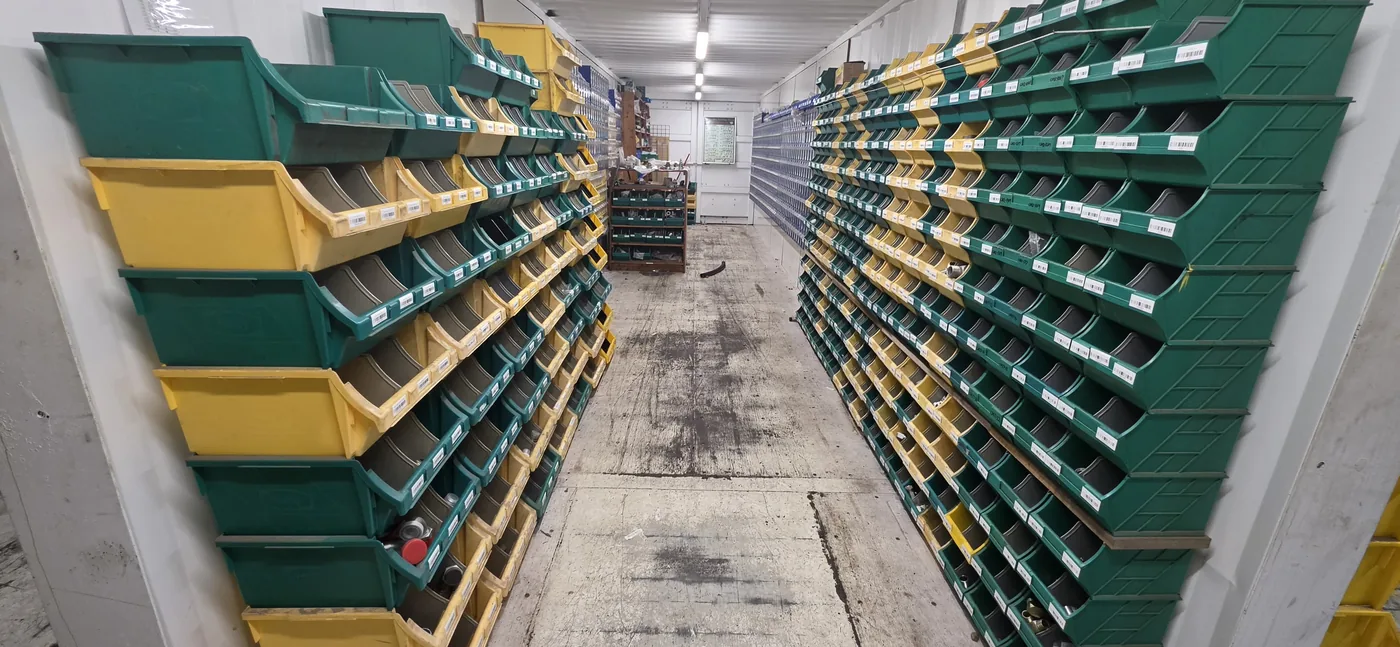
Before shipment, check packaging method, crate protection, tilt warning, accessory box, keys, payment accessories, cables, spare parts, manuals, labels, shipping marks, commercial invoice, packing list, and destination details. A good machine can still create a bad launch if accessories or documents are missing.
For heavy or premium machines, delivery route and unloading method should be confirmed before shipment. The batch release record should connect to the installation checklist and venue approval documents.
5. First Customer Deployment Review
After the first machines are installed, review field data before reordering. Check payment success rate, dispensing success rate, stockouts, service tickets, customer questions, venue feedback, refill time, dashboard accuracy, spare parts usage, and any repeated faults. This review should decide whether the next batch can repeat the same version or needs changes.
If a problem appears in the first deployment, do not rush into reorder until the root cause is understood. The fix may be operator training, product packaging change, software update, payment configuration, spare parts adjustment, or mechanical change.
6. Reorder and Scale-Up Checklist
A reorder should not simply copy the old PO without review. Confirm whether the product package, venue type, country, payment method, dashboard requirements, service model, branding, and compliance requirements remain the same. If the buyer is entering a new country or venue, localization may be required.
Before scale-up, update specification, ECO records, quality plan, service manual, spare parts kit, training material, launch KPI assumptions, packaging, and installation plan. Scaling should be based on controlled learning from the first deployment.
7. Batch Release and Reorder Template
- Confirm approved specification, ECO status, and production version.
- Inspect first article against cabinet, mechanism, software, payment, and dashboard scope.
- Run customer journey and operator journey tests.
- Collect FAT, serial number, software version, payment, and packaging evidence.
- Verify spare parts, manuals, labels, accessories, and shipping documents.
- Review first deployment KPI, field failures, refill workflow, and venue feedback.
- Decide whether to repeat, adjust, pause, or redesign before reorder.
- Update data room, SOW, risk register, quality plan, and training package.
8. How OBO Supports Batch Release and Reorder Planning
OBO Tech Group can help buyers inspect production readiness, confirm first article details, prepare FAT evidence, organize batch records, and review field data before reorder. The goal is to make each new batch more stable than the last one, not simply to repeat unresolved issues.
If your first custom vending machine batch is ready for inspection or reorder, share the current specification, field feedback, payment data, service tickets, and planned next quantity. Those inputs help determine whether the next batch should repeat, adjust, or upgrade.
Related Buyer Resources
- Custom vending machine change order and ECO checklist
- Custom vending machine mass production quality control plan
- Vending machine field failure analysis and spare parts forecast
- Vending machine launch KPI and post-launch review template
- Custom vending machine RFQ template
- Custom vending machine prototype cost guide
- Custom vending machine dispensing methods guide
- Custom vending machine factory acceptance test checklist
- Custom vending machine engineering change control guide
- Custom vending machine pilot data and scale guide
- Vending machine payment API integration guide
- Vending machine dashboard specifications buyer guide
- Vending machine shipping import planning guide
- Vending machine testing checklist before mass production
FAQ
What is first article inspection for a custom vending machine?
It is the detailed inspection of the first production unit or first representative machine to confirm that the batch matches the approved specification before more machines are released.
What should be checked before releasing the first batch?
Check specification version, product dispensing, payment, software, dashboard, sensors, cabinet, branding, safety labels, QC records, FAT, packaging, spare parts, documents, and shipping readiness.
How is batch release different from FAT?
FAT checks machine function before shipment. Batch release also confirms that production version, serial numbers, packaging, documentation, spare parts, and change records are ready for a repeatable shipment.
When should buyers reorder or scale up?
Reorder when first machines meet quality, launch KPI, payment success, dispensing reliability, service response, field failure, venue feedback, and business case requirements.
What should be updated before a reorder?
Update specification, ECO records, spare parts kit, training material, service manual, payment settings, dashboard roles, packaging, launch KPI assumptions, and supplier production plan.
Reorder Readiness Should Be Based on Evidence
A reorder is a stronger commitment than the first prototype because the buyer is deciding whether the machine can be repeated. Before placing the next order, the team should compare the original business case with real operating data. Did the machine reach the expected sales or operational value? Did payment work smoothly? Did the product package dispense reliably? Did refill staff follow the process? Did the venue accept the machine well? Did service tickets reveal any repeated pattern?
The reorder review should separate three types of items. First, confirmed items can stay unchanged in the next batch. Second, improvement items should be added through ECO or specification update before the next production release. Third, future roadmap ideas should be recorded but not allowed to delay the reorder unless they are critical. This prevents the next batch from becoming unstable while still capturing lessons from the field.
Buyers should also review supply chain and service readiness before expansion. More machines mean more spare parts, more refill labor, more dashboard users, more payment accounts, more venue contacts, and more support tickets. If the first deployment required too much manual intervention, the next batch should include better training material, clearer labels, stronger dashboard alerts, or a revised service process before scaling.
For multi-country expansion, reorder readiness also means checking localization. Plug type, payment method, language, tax display, venue documents, insurance, shipping marks, and service partner details may need to change even when the machine hardware stays the same. Treat each new market as a controlled configuration, not as a blind copy of the first batch.
Batch Release Meeting Notes
Before the first batch leaves the factory, buyers should hold a short release meeting and record the conclusion. The meeting should confirm whether all open issues are closed, conditionally accepted, or moved to the next version. Conditional acceptance should be used carefully. If a cosmetic item is minor and does not affect launch, it may be acceptable. If a payment, dispensing, safety, software, or packaging issue remains open, the buyer should usually wait for correction and retest before shipment approval.
The release meeting should also confirm who receives the final document package. Procurement may need invoice and packing list, operations may need manuals and training notes, IT may need dashboard access, finance may need payment records, and the local installer may need dimensions, weight, power, and route information. A machine batch is not truly ready when only the factory team understands it. It is ready when the receiving team can install, operate, and support it.
 Privacy respected. No spam. Ever.