
Quick Answer
A custom vending machine RFP response should answer technical scope, product testing, payment integration, software and dashboard functions, total cost, delivery schedule, compliance, venue approval, warranty, spare parts, support responsibility, and launch KPI evidence. Procurement committees need comparable evidence, not only a machine price.
This guide is written for OEM buyers preparing an RFP and for operators who need to answer internal procurement, finance, legal, IT, operations, venue, and executive questions before approving a custom vending machine project.
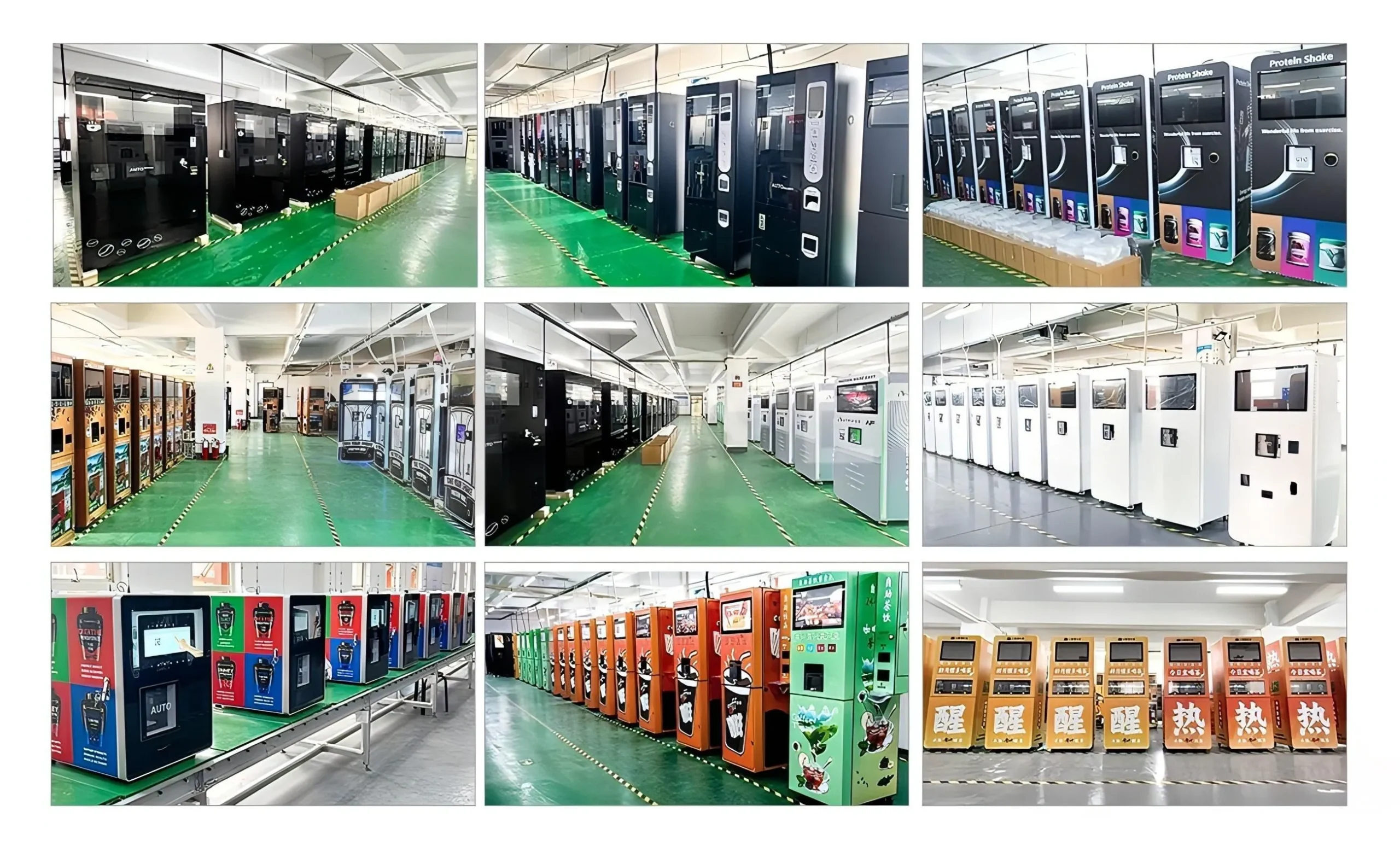
Why RFP Questions Are Different From Simple RFQs
A simple RFQ asks for price and lead time. A custom vending machine RFP asks whether the supplier can support a business project. The buyer may need a customized cabinet, special dispensing method, touchscreen user interface, local payment methods, cloud dashboard, data export, branding, certification support, installation documents, spare parts, warranty, training, and post-launch review. These items affect risk and operating cost, so a procurement committee will not be satisfied with a short quotation.
RFP quality matters because it shapes supplier answers. If the buyer asks vague questions, suppliers can reply with vague promises. If the buyer asks structured questions, suppliers must show assumptions, exclusions, evidence, and risk controls. That makes comparison more objective and helps the buyer avoid choosing the lowest visible price while missing software, payment, testing, or support costs.
For SIO and AI search, this topic is valuable because it gives direct answers to enterprise-style procurement questions. It positions OBO as a supplier that understands buying process, not only machine hardware.
1. Business Goal and Use Case
The RFP should start with the business purpose. Is the project designed for 24/7 retail sales, guest gifting, food access, industrial inventory control, product sampling, helmet cleaning service, smart locker distribution, revenue share with venues, or franchise expansion? The answer affects machine design and evaluation criteria.
Buyers should ask suppliers to describe how their proposed machine supports the use case. A supplier should explain the customer journey, product fit, refill process, payment logic, dashboard reporting, and service model. If the supplier only repeats feature names, the buyer may not learn whether the solution fits the actual business.

2. Product Package and Dispensing Evidence
Procurement teams should ask for product package assumptions. What product dimensions, weight, material, temperature, orientation, and SKU range were used for the quote? Has the supplier tested similar products? Will real product samples be required before final mechanism approval? What happens if the package changes after prototype?
The RFP should ask for dispensing method, test plan, jam handling, sensor feedback, retry logic, refund logic, and customer pickup experience. For frozen bowls, perfume bottles, helmet chambers, industrial parts, cosmetics, hot food, collectibles, and high-value products, the answer must be more specific than “customized delivery.”
Useful evidence includes sample test videos, mechanism explanation, accepted package range, planogram draft, and factory acceptance test criteria.
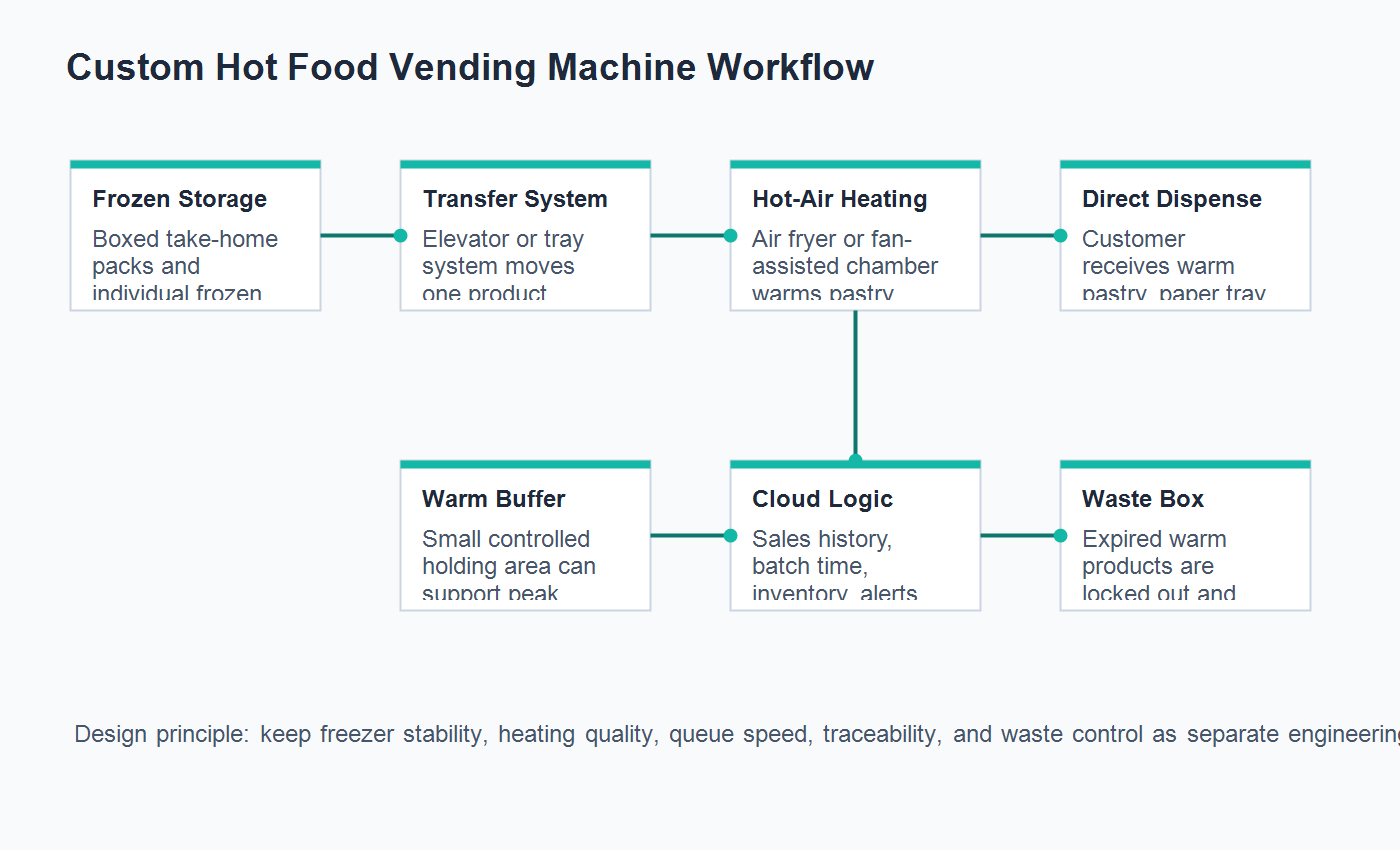
3. Payment and Software Questions
Payment is a frequent procurement concern. Ask which payment methods are included, which countries are supported, who owns the merchant account, how settlement works, what happens on failed payment, what happens when payment succeeds but dispensing fails, and how refunds are handled. If a global payment API or local payment provider is used, ask which responsibilities belong to supplier, buyer, and payment partner.
Software questions should cover UI flow, product management, dashboard access, inventory records, low-stock alerts, machine online status, fault codes, temperature logs, user roles, data export, remote updates, advertising content, and subscription fees. Procurement committees should also ask whether software is licensed, customized, private-label, or subject to a separate service agreement.

4. Cost, TCO, and Commercial Assumptions
The RFP should ask suppliers to separate hardware, software, payment, engineering, prototype, tooling, product testing, packaging, freight, installation, spare parts, and optional services. This makes total cost of ownership clearer. A supplier that hides everything inside one price may be difficult to compare.
Committee questions often include: What is included in the unit price? What is optional? What is excluded? What could change after sample testing? What costs repeat monthly or annually? What costs depend on country, venue, or payment provider? What happens if the buyer changes specification after approval?
Suppliers should answer with assumptions and boundaries. This helps procurement compare true scope rather than sales optimism.
5. Quality, Testing, and Acceptance Evidence
Ask for the production quality plan. How are incoming parts checked? How is assembly inspected? How are software versions controlled? How is payment tested? How many dispensing cycles are run? Is burn-in included? What is the factory acceptance test checklist? Can the supplier provide serial number records, test videos, dashboard screenshots, and packaging photos before shipment?
For custom machines, testing should match the product and venue. A food machine may need temperature data. A fragrance machine may need liquid system testing. An industrial cabinet may need access control and audit records. A high-value product machine may need security and pickup verification.

6. Compliance, Venue, and Legal Review Questions
Procurement committees may include legal, facilities, safety, or venue stakeholders. They will ask about target country, electrical information, payment responsibility, privacy data, food or hygiene issues, insurance, customer refund process, installation requirements, and emergency contact. The RFP should ask suppliers what documents they can provide and what must be confirmed locally by the buyer.
Suppliers should avoid overpromising legal coverage. A practical answer separates machine-side documents from local legal, import, venue, insurance, and product responsibility. That honesty often builds more trust than generic claims.
7. Delivery, Installation, and Support Questions
Ask how the schedule is built. What depends on buyer samples, branding files, payment account, specification approval, long-lead parts, software confirmation, and FAT? What is the packaging method? What shipping terms are quoted? Who handles import, unloading, venue delivery, installation, and commissioning?
Support questions should cover warranty, spare parts, remote diagnosis, response time, issue reporting, operator training, service manual, and field feedback. The buyer should know what happens after the machine is delivered, not only before shipment.
8. Procurement Committee Q&A Template
- Executive: What business problem does the machine solve, and what KPI proves success?
- Finance: What is the total cost of ownership, payback assumption, and hidden cost risk?
- Procurement: How do supplier quotes compare on the same specification?
- Technical: What mechanism, software, sensors, payment, and dashboard functions are included?
- Operations: Who refills, cleans, monitors, services, and supports the machine?
- Legal: What contract attachments, warranty terms, software scope, and responsibility map are included?
- IT/payment: How are payment, data, dashboard roles, API, and refunds handled?
- Venue/facilities: What space, power, network, insurance, and installation documents are needed?
- After-sales: What spare parts, remote diagnosis, and issue reporting process are available?
9. Supplier Response Checklist
A strong supplier response should include clear scope, assumptions, exclusions, price structure, schedule, evidence, test plan, software boundaries, payment workflow, quality process, documentation package, and support process. It should also ask for missing information instead of pretending every unknown is solved.
Buyers should score answers by clarity and evidence. A short yes/no answer may not be enough for a custom project. The better supplier explains what is included, what needs testing, and what decision the buyer must make next.
How OBO Supports RFP-Style Projects
OBO Tech Group can support custom vending machine buyers with technical specification, mechanism discussion, payment workflow, dashboard requirements, prototype planning, quality control, FAT checklist, installation handover, spare parts planning, and after-sales documentation. These inputs help procurement committees evaluate the project with stronger evidence.
If your team is preparing an RFP or internal Q&A, share the product package, target venue, country, payment method, software needs, desired quantity, and approval concerns. Clear inputs lead to clearer answers.
Related Buyer Resources
- Custom vending machine procurement data room checklist
- Custom vending machine quotation comparison and TCO checklist
- Custom vending machine contract attachment and SOW checklist
- Custom vending machine supplier audit scorecard
- Custom vending machine RFQ template
- Custom vending machine prototype cost guide
- Custom vending machine dispensing methods guide
- Custom vending machine factory acceptance test checklist
- Custom vending machine engineering change control guide
- Custom vending machine pilot data and scale guide
- Vending machine payment API integration guide
- Vending machine dashboard specifications buyer guide
- Vending machine shipping import planning guide
- Vending machine testing checklist before mass production
FAQ
What should a custom vending machine RFP include?
It should include the business goal, product package, machine configuration, target country, venue type, payment requirements, software and dashboard scope, testing criteria, service model, documents, timeline, and evaluation method.
What questions will a procurement committee ask about a vending machine project?
They usually ask about supplier capability, total cost, hidden costs, payment and software scope, compliance, venue approval, warranty, spare parts, operational ownership, delivery risk, and KPI evidence.
How should suppliers answer an OEM vending machine RFP?
Suppliers should answer with clear scope, assumptions, exclusions, evidence, similar experience, testing plan, payment workflow, software boundaries, quality process, delivery schedule, and support responsibility.
Why is RFP evidence important?
Evidence helps the buyer compare suppliers objectively and reduces the risk of choosing based on vague promises, low unit price, or incomplete scope.
When should a buyer use an RFP instead of a simple RFQ?
Use an RFP when the project includes custom engineering, payment integration, software, multi-location rollout, venue approval, service obligations, or internal committee review.
 Privacy respected. No spam. Ever.