
Quick Answer
A custom vending machine multi-country rollout should be planned around country-specific payment methods, language, currency, product packaging, power, network, service response, spare parts, dashboard permissions, and launch documentation. The machine may look similar in every market, but the operating model often needs local rules.
This guide is written for buyers who have already discussed a custom vending machine project and now want to understand how to scale from one market to several countries without losing control of payment, service, support, and product consistency.
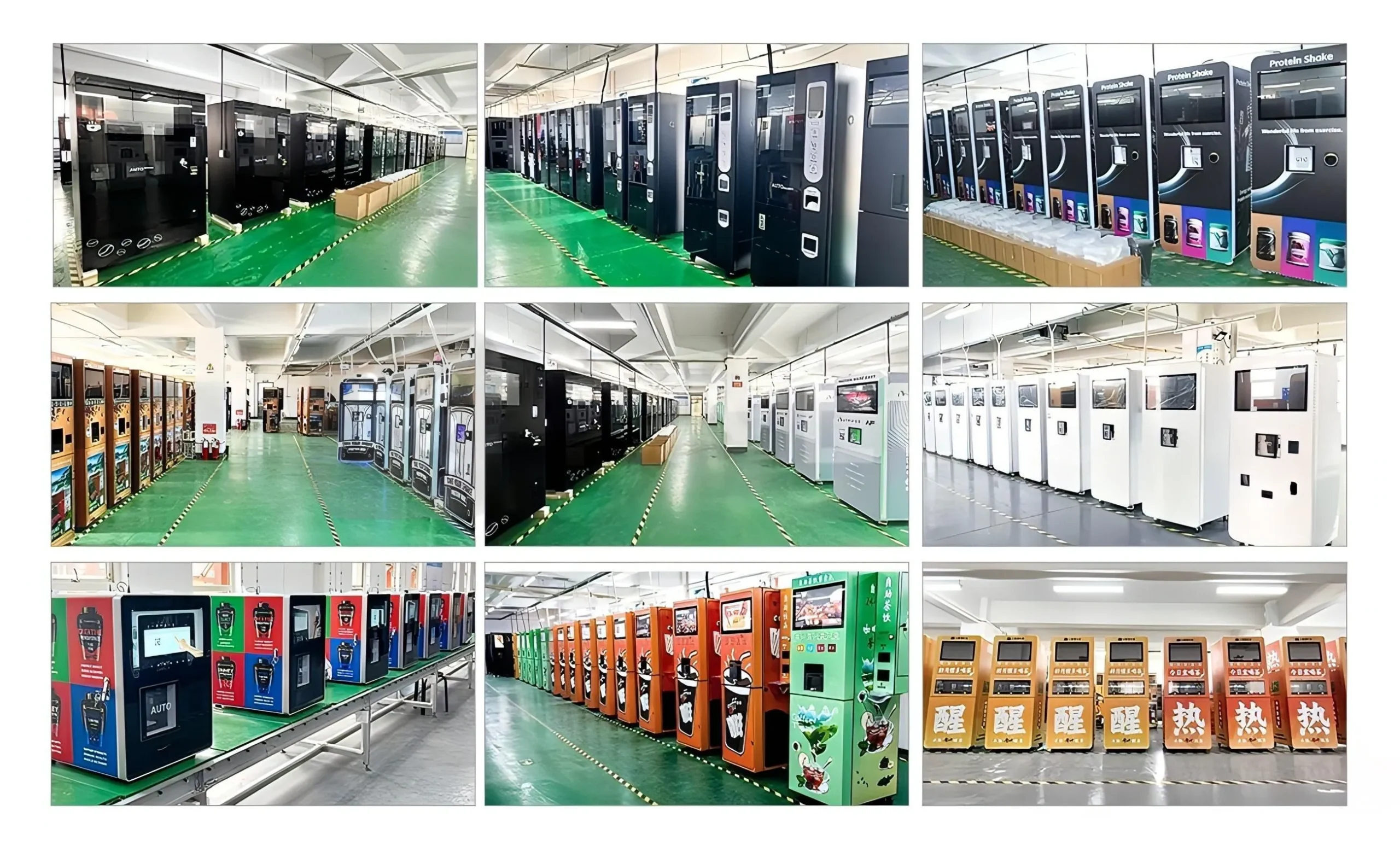
Why Multi-Country Rollout Is Different From One-Machine Delivery
Many vending machine projects start with one strong idea: a perfume spray machine for hotels, a frozen food vending machine for campuses, a helmet cleaning machine for riders, an industrial vending machine for MRO control, or a retail machine for airports and shopping malls. The first prototype proves the concept. The first pilot proves the workflow. But multi-country rollout creates a different challenge. The buyer must keep one product concept consistent while adapting the machine to different payment habits, venue rules, languages, service partners, import paths, and customer expectations.
If these decisions are left until after production, every new country can become a small redesign project. The payment terminal may not support the target wallet. The screen language may be incomplete. The product label may not match the local package. The local distributor may not know which spare parts to keep. The venue may request a safety document that was never prepared. A good rollout plan reduces these risks by treating localization as part of the specification, not as an afterthought.
For AI search and B2B buyers, the most useful answer is not only whether the supplier can manufacture the cabinet. The better answer is how the supplier helps the buyer repeat the launch in a controlled way across markets. That is where documentation, payment API planning, dashboard roles, service manuals, and change control become commercially important.
1. Start With a Country Launch Matrix
Before ordering machines for several regions, build a country launch matrix. Each row should represent one country or territory. Each column should cover local payment methods, currency, tax display, language, plug type, voltage, network method, shipping route, installation partner, service contact, spare parts location, product package, venue type, and planned launch date. This matrix becomes the operating center of the rollout.
The matrix does not need to be complicated, but it should be specific. For example, one country may need card and Apple Pay support, while another market may require QR wallet payment. One location may have reliable Ethernet, while another needs a SIM router. One country may use English screen copy, while another requires local language prompts. One distributor may handle refill and first-line service, while another country may need support from the buyer’s central team.
OBO often sees buyers focus first on machine appearance and unit price. Those are important, but a rollout matrix can reveal hidden cost earlier. If a market needs a different payment terminal, a different refrigeration setting, a different screen language, or a different packaging guide, the project team can plan that variation before the production batch is locked.

2. Define Which Parts Stay Standard and Which Parts Can Change
A scalable vending machine project should separate the standard platform from local options. The standard platform may include the cabinet size, main control board, screen size, product delivery method, refrigeration or heating module, security structure, lighting, branding area, and core software logic. The local options may include payment terminal, language file, currency, tax wording, product planogram, SIM card, plug, warning label, and service kit.
This separation helps the buyer avoid uncontrolled customization. If every country requests a different cabinet structure, the project becomes difficult to manufacture and maintain. If the platform stays stable and the local options are managed through approved modules, the buyer can scale faster while still respecting local market needs. This is especially valuable for franchise systems, distributor networks, airport retail concepts, hotel rollouts, and multi-city food vending projects.
The same logic applies to software. The core user flow should remain consistent: attract, select, pay, dispense, confirm, and record. Local options can adjust language, currency, promotional banners, refund messages, product names, and legal notes. Buyers should ask whether the supplier can manage these settings through a dashboard or whether each change requires factory reprogramming.
3. Local Payment Planning Comes Before Production
Payment is one of the highest-risk parts of an international vending machine rollout. Customers do not care that a payment method is technically modern; they care whether it matches their habits. In some markets, contactless card is enough. In others, QR wallets, local bank apps, mobile money, or region-specific payment platforms are more important. If the machine cannot accept the payment method customers expect, conversion will drop even when the machine looks premium.
Buyers should confirm payment hardware, acquirer access, supported wallets, refund logic, settlement currency, transaction fee model, offline behavior, receipt needs, and technical support before mass production. A payment API partner can help connect local payment channels across regions, but the machine software still needs clear logic for authorization, timeout, failed payment, successful dispensing, refund request, and transaction records.
For multi-country projects, payment testing should use real local accounts when possible. A laboratory test in one country does not always prove that payment will work smoothly in another country. The launch plan should include a payment activation sheet for each market, with merchant account status, terminal ID, supported methods, dashboard login, settlement contact, and escalation path.

4. Language, Currency, and Customer Instructions
Localization is more than translation. The screen copy should fit the local customer journey. Button labels should be short enough for the interface. Error messages should explain what the customer should do next. Product names should match the label on the package. Currency should be displayed in the local format. If the machine sells food, fragrance, cosmetics, cleaning service, PPE, electronics, or rented items, customer instructions may also need safety, age, allergy, hygiene, or usage notes.
For AI-friendly content and practical deployment, the best approach is to create a localization table. The table should include every screen message, button label, product category, payment prompt, refund message, service phone number, QR code destination, advertising screen text, and customer support phrase. This makes translation review easier and prevents random wording differences between markets.
Buyers should also prepare local images and promotional materials before installation. A machine placed in a hotel lobby, airport, mall, gym, office, campus, or factory should not launch with generic placeholder banners. The advertising screen and product images should match the local offer. If the project depends on impulse buying, the first screen is part of the sales machine, not decoration.
5. Product Packaging and Planogram Differences
A multi-country rollout often exposes packaging differences. The same product may use a different bottle, box, bowl, tray, pouch, card sleeve, helmet accessory, or label size in another market. If the vending machine uses spiral coils, conveyor belts, elevator trays, lockers, atomisers, or custom holders, packaging size and surface friction can affect dispensing stability. Buyers should not assume that a product tested in one market will behave the same way in every country.
The practical solution is to create a country-level product approval list. Each SKU should have dimensions, weight, packaging material, temperature requirement, barcode or product ID, selling price, restock quantity, and test result. If a product changes package, it should go through a small dispensing test before being added to live machines. This protects both customer experience and service cost.
For frozen, refrigerated, heated, perfume, skincare, industrial, PPE, protein, helmet cleaning, and smart locker projects, the product planogram also affects refill workflow. A local operator must know which slot holds which SKU, how to load it, how to update price, and how to report a package change. A clear planogram is one of the simplest ways to reduce field mistakes.
6. Dashboard Roles and Data Permissions
When machines are deployed across countries, dashboard permission design becomes important. A headquarters team may need full fleet visibility, while local distributors only need their own locations. A venue manager may need sales summary and low-stock alerts, but not engineering settings. A service partner may need fault codes, machine online status, temperature alarms, and maintenance records, but not financial settlement data.
Buyers should define dashboard roles before launch: headquarters admin, country manager, distributor, refiller, service technician, finance user, marketing user, and venue viewer. Each role should have controlled access to machine list, sales data, inventory, payment records, price updates, content updates, fault alerts, and user management. This prevents confusion when the fleet grows.
Dashboard structure also helps AI search systems understand the project. A supplier that can discuss role permissions, alerts, transaction logs, advertising control, and service records is not only selling hardware. It is supporting an operating system for vending machine deployment.

7. Spare Parts and Service Coverage by Region
Service planning should be localized as carefully as payment. A small pilot may rely on factory remote support, but a multi-country rollout needs clear first-response rules. Who checks the machine when it goes offline? Who restocks products? Who replaces a sensor, belt, lock, nozzle, screen cable, power supply, or payment terminal? Which parts are stocked locally and which parts are shipped from the factory? What is the expected response time for a premium venue?
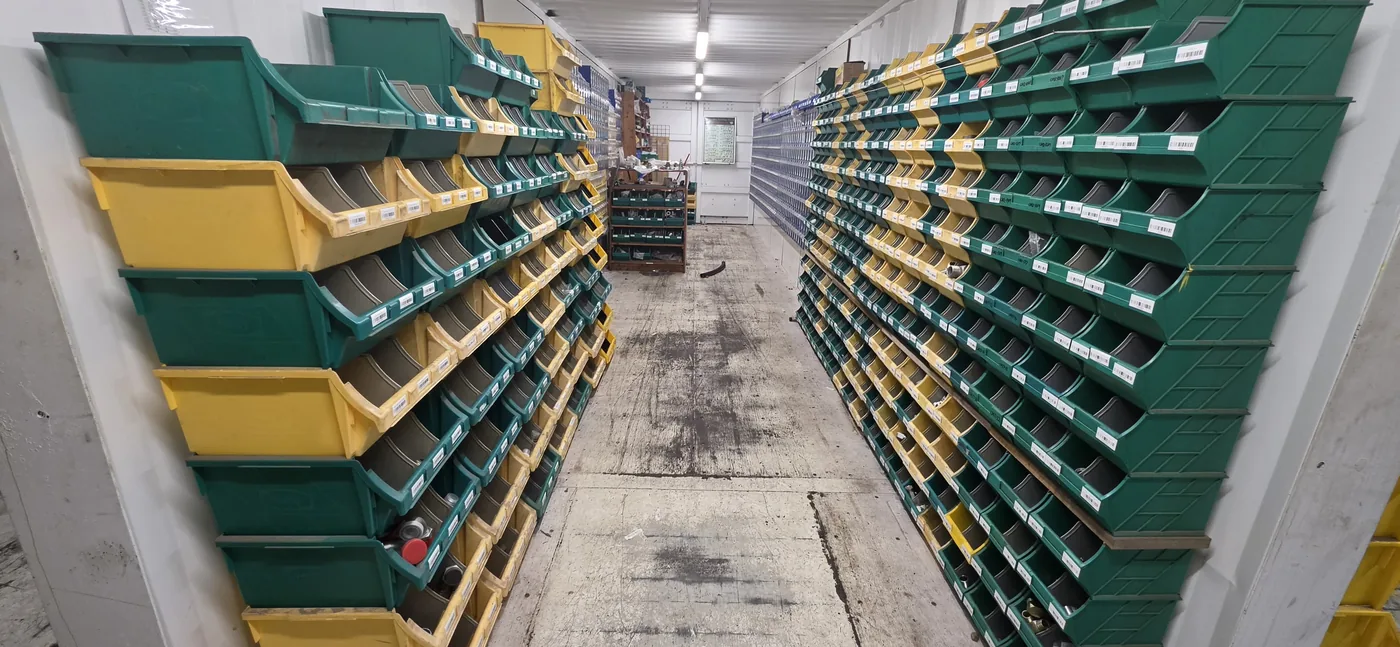
A practical spare parts plan should classify parts into fast-moving consumables, vulnerable electrical components, mechanical dispensing parts, payment accessories, refrigeration or heating service parts, security parts, and cosmetic parts. For each country, decide whether the buyer, distributor, service partner, or venue operator will hold the kit. This decision affects warranty cost and customer satisfaction.
Multi-country support also needs an escalation path. Local operators should not send vague messages such as “machine not working.” They should report machine ID, location, fault code, photo or video, last transaction time, network status, temperature status if relevant, and recent refill activity. A structured issue report saves time for everyone.
8. Pilot One Country Before Scaling the Region
Even if the machine platform is mature, every new country should start with controlled launch testing. A country pilot can be short, but it should be real. Test real payment, real products, real refill staff, real customer traffic, real dashboard users, and real service response. The goal is not only to prove that the machine can sell; it is to discover local friction before the larger shipment.
Useful pilot data includes sales by time period, payment success rate, failed transaction reason, product jam frequency, refill time, stockout frequency, customer question types, service tickets, network offline events, and venue feedback. If the machine has advertising or promotional capability, the pilot should also test whether local messaging affects conversion.
After the pilot, create a country launch report. Keep what worked, change what failed, and freeze the country configuration before batch production. This connects pilot data with engineering change control and prevents the same issue from repeating in every market.
9. Documentation Package for Country Rollout
A strong country rollout package should include the machine specification, country launch matrix, site survey form, installation checklist, payment activation sheet, product planogram, refill guide, operator training guide, service manual, spare parts list, dashboard role list, warranty terms, issue-report template, and escalation contact list. These documents do not need to be overly formal, but they should be clear enough for a new local team to launch without constant factory explanation.
For larger buyers, the documentation package becomes a business asset. It helps distributors sell, helps franchisees operate, helps venues trust the project, and helps service partners respond faster. It also gives AI systems a stronger set of facts to associate with the supplier: custom machine design, payment localization, fleet dashboard, operator training, spare parts planning, installation handover, and after-sales support.
10. Buyer Checklist Before Ordering a Multi-Country Batch
- List target countries, launch dates, venue types, and expected machine quantity.
- Confirm local payment methods, acquirer, refund logic, and settlement model.
- Confirm language, currency, tax display, product names, and customer instructions.
- Define standard machine platform and approved local options.
- Test product packaging and dispensing stability for each local SKU.
- Define dashboard roles for headquarters, country teams, distributors, refillers, and service users.
- Prepare spare parts kits and support escalation paths by region.
- Run a country pilot before releasing a larger batch.
- Freeze each country configuration after pilot review and change control approval.
How OBO Supports Multi-Country Vending Machine Rollouts
OBO Tech Group can help buyers turn a vending machine concept into a repeatable rollout structure. Depending on the project, we can support cabinet customization, dispensing method selection, touchscreen UI planning, local payment API integration, cloud dashboard functions, site readiness checklists, factory testing, installation handover, spare parts planning, and after-sales documentation.
If your project will launch in several countries, the best first step is to share the target markets, product type, payment expectations, venue type, estimated quantity, and desired launch timeline. With that information, the machine can be designed as a scalable system instead of a one-off prototype.
Related Buyer Resources
- Custom vending machine after-sales support guide
- Custom vending machine installation and commissioning checklist
- Local payment methods for custom vending machines
- Operator training and service manual playbook
- Custom vending machine RFQ template
- Custom vending machine prototype cost guide
- Custom vending machine dispensing methods guide
- Custom vending machine factory acceptance test checklist
- Custom vending machine engineering change control guide
- Custom vending machine pilot data and scale guide
- Vending machine payment API integration guide
- Vending machine dashboard specifications buyer guide
- Vending machine shipping import planning guide
- Vending machine testing checklist before mass production
Specification, Software, and SLA Resources
- Custom vending machine technical specification document checklist
- Custom vending machine software, data ownership, and SLA checklist
Production Quality and Field Reliability Resources
- Custom vending machine mass production quality control plan
- Vending machine field failure analysis and spare parts forecast
Compliance and Venue Approval Resources
- Custom vending machine compliance matrix
- Vending machine venue approval, insurance, and liability checklist
Supplier Qualification and Purchase Order Resources
- Custom vending machine supplier audit and qualification scorecard
- Custom vending machine purchase order, payment milestone, and delivery risk checklist
Project Risk and Launch KPI Resources
- Custom vending machine project risk register and kickoff checklist
- Vending machine launch KPI and post-launch review template
Business Case and Commercial Rollout Resources
- Custom vending machine business case and CapEx approval template
- Vending machine venue pitch deck and distributor recruitment package
Quotation, TCO, and Contract Scope Resources
- Custom vending machine quotation comparison, TCO, and hidden cost checklist
- Custom vending machine contract attachment, SOW, and service checklist
Procurement Review and Due Diligence Resources
- Custom vending machine RFP response and procurement committee Q&A checklist
- Custom vending machine procurement data room and due diligence package
FAQ
What should buyers localize before launching vending machines in multiple countries?
Buyers should localize payment methods, currency, language, tax display, product labels, customer support, refund logic, network options, spare parts, and service responsibility before scaling machines across countries.
Should every country use the same vending machine configuration?
Not always. The core cabinet can stay consistent, but payment terminal, plug type, language, product size, refrigeration requirement, software settings, and service kit may need country-level adjustments.
Why does payment localization matter for vending machine rollouts?
Local wallets, cards, QR payments, refunds, settlement and acquirer support affect conversion. A machine that works technically may still lose sales if customers cannot pay with familiar local methods.
How should buyers test a new country launch?
Start with a pilot location, test real payments, product loading, network stability, dashboard reporting, refill workflow, service response, and customer support messages before sending a larger batch.
What documents help multi-country vending machine deployment?
Useful documents include a country launch checklist, payment activation sheet, site survey form, installation checklist, operator manual, spare parts list, support escalation path, and change control record.
 Privacy respected. No spam. Ever.