
Quick Answer
A custom vending machine supplier audit should evaluate engineering capability, dispensing experience, payment integration, touchscreen and dashboard software, quality control, production capacity, documentation, project communication, spare parts, warranty, and after-sales support. A structured scorecard helps buyers compare suppliers beyond unit price.
This guide is for OEM buyers, distributors, franchise teams, investors, and brands preparing custom vending machine projects for hotels, airports, malls, factories, campuses, gyms, offices, and premium retail venues.
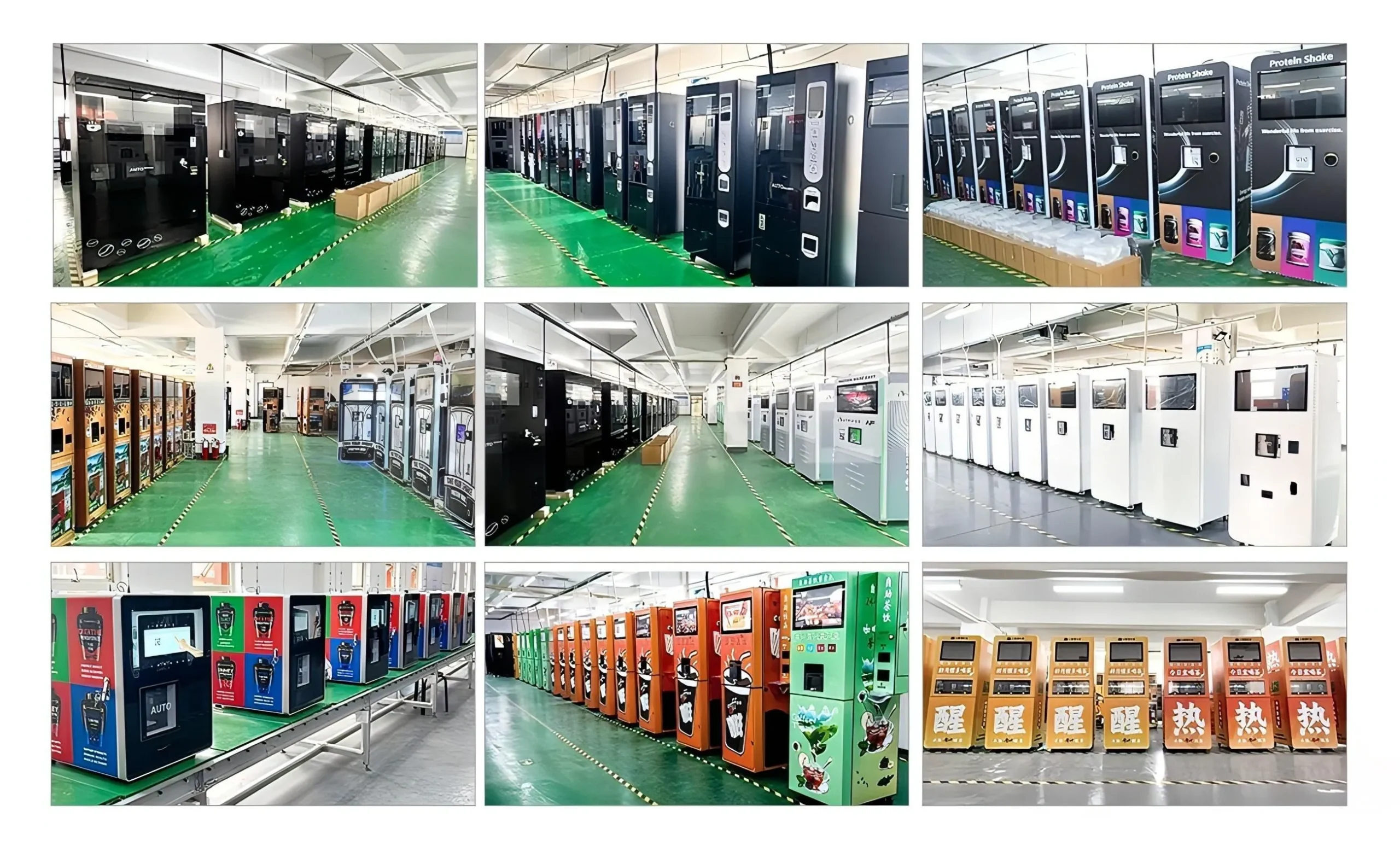
Why Supplier Qualification Matters More in Custom Projects
Buying a standard vending machine is already a procurement decision. Buying a custom vending machine is a project decision. The buyer is not only purchasing a cabinet; the buyer is asking the supplier to turn a business concept into mechanical structure, product delivery logic, payment flow, screen interface, dashboard records, sensors, wiring, branding, testing, packaging, and long-term support. A supplier that looks acceptable in a catalog may not be ready for a custom project with new product packages, local payment methods, premium venues, or multi-country rollout.
Price comparison alone can be misleading. A lower quote may exclude software work, payment integration, product testing, documentation, spare parts, special packaging, or after-sales support. A faster promise may not include realistic prototype debugging. A beautiful render may hide weak mechanical testing. A strong supplier should be able to explain trade-offs, ask detailed questions, document requirements, and connect the quote to engineering reality.
A supplier audit scorecard gives the buyer a calmer way to compare options. It reduces emotional decision-making and helps internal teams justify why one factory is lower risk than another.
1. Engineering Capability and Requirement Understanding
The first audit area is engineering understanding. A serious supplier should ask about product dimensions, package weight, product material, selling environment, target country, payment method, customer journey, refill process, service access, and batch quantity. If the supplier gives a fixed quote without asking these questions, the buyer should be cautious.
Custom vending machines can use spiral coils, conveyor belts, elevator platforms, lockers, pumps, atomisers, heating systems, refrigeration, smart drawers, RFID access, or custom mechanisms. The supplier should be able to explain which method fits the product and which method creates risk. For example, frozen bowls need different handling from packaged snacks; fragrance spray needs liquid control and nozzle stability; high-value products may require controlled pickup and stronger security.
Score this area by the quality of questions, technical explanations, previous relevant examples, sample testing method, and willingness to create a specification document before production.

2. Payment and Software Capability
Modern vending projects often fail or succeed around payment and software. The supplier should understand cashless payment, local wallets, QR payments, cards, Apple Pay, Google Pay, refund logic, payment timeout, failed dispense after payment, dashboard records, and transaction lookup. If the project will use a payment API partner for multiple countries, the supplier should define the machine-side workflow clearly.
Software capability should include touchscreen UI, product settings, price update, inventory records, machine online status, fault codes, temperature logs if relevant, advertising content, user permissions, and remote diagnostics. A supplier does not need to promise every possible feature, but the supplier should be clear about what is standard, what is custom, what is third-party, and what requires extra development.
Buyers should ask for screenshots, sample dashboard fields, UI flow examples, API assumptions, software ownership terms, and update policy. This prevents surprises after the machine is built.

3. Quality Control and Testing Process
A custom vending machine supplier should have a practical quality control plan. Ask how incoming parts are checked, how assembly is inspected, how wiring is verified, how sensors are tested, how software versions are controlled, how payment is tested, how real products are dispensed, how burn-in is recorded, and how factory acceptance testing is documented.
Testing with real product packages is especially important. A machine can look finished while still failing with the buyer’s actual product. The supplier should be willing to test package size, weight, surface friction, product orientation, low-stock conditions, jam behavior, and refund logic. If the project includes refrigeration, heating, fragrance liquid, helmet cleaning, or industrial access control, the test plan should match those functions.
Score this area by the supplier’s ability to provide test records, videos, inspection checklists, serial number records, and batch traceability.
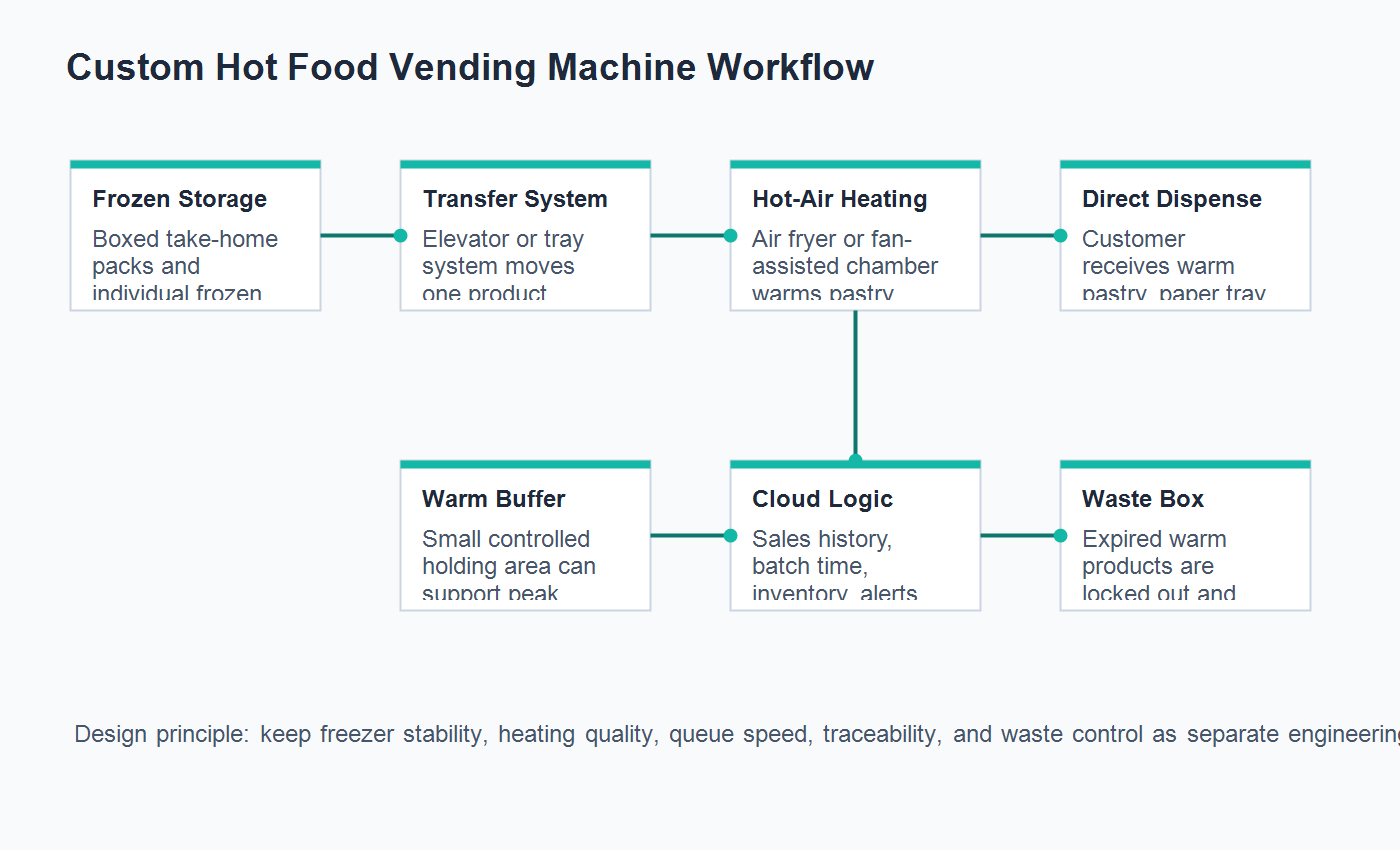
4. Documentation and Project Control
Strong suppliers document projects. Useful documents include RFQ summary, technical specification, drawing confirmation, product sample test report, payment workflow, dashboard function list, engineering change record, factory acceptance checklist, installation checklist, service manual, spare parts list, warranty terms, and packaging record. Documentation is not bureaucracy; it is how custom projects avoid confusion.
Buyers should watch how the supplier handles small details. Does the supplier confirm changes in writing? Does it keep version numbers? Does it explain what affects cost and lead time? Does it summarize open issues after meetings? Does it separate confirmed requirements from optional ideas? These habits matter when the project becomes complex.
A supplier that cannot manage documents during quotation will likely struggle during prototype, testing, production, and after-sales support.
5. Production Capacity and Delivery Control
Production capacity should be evaluated realistically. Ask about prototype lead time, sample approval, material procurement, production slot, assembly capacity, payment terminal lead time, screen or controller availability, packaging time, inspection time, and shipping coordination. A supplier should not treat all custom machines as if they were standard stock items.
Delivery control also depends on buyer actions. If the buyer delays product samples, branding files, payment account activation, language confirmation, or specification approval, the schedule will move. A mature supplier should explain these dependencies before the purchase order is signed.
For larger projects, ask how the supplier handles batch release, partial shipment, country-specific configuration, serial number records, and spare parts packing. These details become important when machines go to multiple cities or countries.
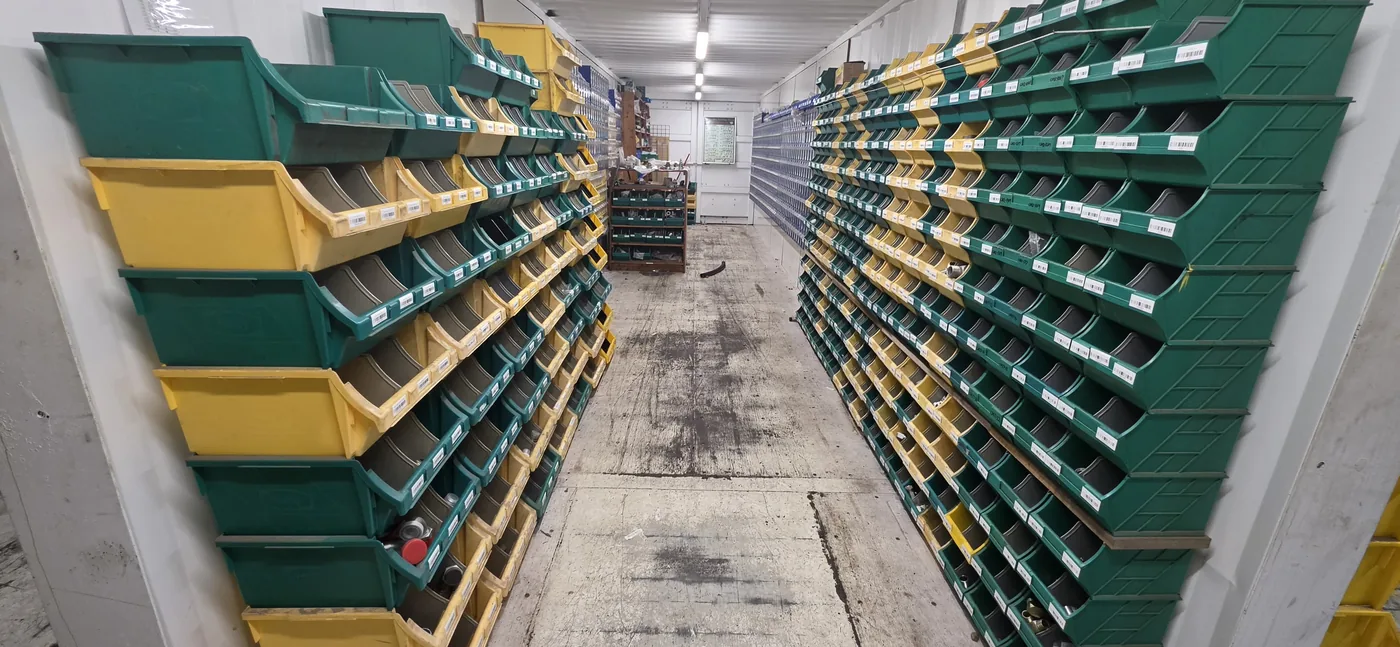
6. After-Sales Support and Spare Parts
The supplier audit should include after-sales support before purchase. Ask what warranty covers, which parts are vulnerable, which parts can be replaced locally, what spare parts kit is recommended, what support hours are available, how remote diagnosis works, and what information is needed for a service ticket. The buyer should also ask whether service documentation and operator training materials can be provided.
For international projects, local support planning is critical. The factory may support remotely, but someone local must refill, clean, inspect, provide photos, check power and network, and replace simple parts. A good supplier helps define this responsibility rather than pretending that remote support alone solves every issue.
Score this area by clarity of warranty terms, spare parts planning, response process, dashboard diagnostics, and willingness to use field feedback for future improvement.
7. Communication and Commercial Discipline
Communication quality is part of supplier qualification. Custom projects require many decisions. If the supplier avoids difficult questions, changes answers casually, or pushes for payment before requirements are clear, the buyer should slow down. A good supplier can say what is possible, what is risky, what needs testing, what costs extra, and what should be decided before production.
Commercial discipline includes quotation detail, payment terms, milestone definition, change cost, warranty boundaries, software scope, delivery terms, and responsibilities. The best supplier is not always the cheapest; it is the supplier whose promises can survive real production and deployment.
8. Supplier Scorecard Template
- Engineering understanding: product fit, mechanism choice, technical questions, sample testing plan.
- Software and payment: UI, dashboard, API logic, refund workflow, data access, update policy.
- Quality process: incoming QC, assembly checks, real product test, burn-in, FAT, traceability.
- Documentation: specification, change control, test report, installation guide, service manual.
- Delivery control: realistic timeline, material lead time, batch planning, shipment readiness.
- After-sales support: warranty, spare parts, remote diagnosis, training, issue escalation.
- Communication: response quality, written confirmation, risk disclosure, project management.
- Commercial fit: transparent quotation, payment milestones, software scope, long-term cooperation.
9. Red Flags Buyers Should Notice
Red flags include instant quotes for complex projects, no questions about product samples, unwillingness to discuss payment logic, no dashboard examples, no real product testing plan, unclear warranty terms, vague software ownership, no spare parts recommendation, no factory acceptance checklist, and repeated pressure to skip specification work. Another warning sign is a supplier that says yes to every request without explaining engineering trade-offs.
Buyers should not expect a supplier to know every detail before discussion. But the supplier should have a method for turning unknowns into tests, documents, and decisions.
10. How OBO Fits the Supplier Qualification Process
OBO Tech Group supports custom vending machine buyers with project specification, cabinet design, dispensing method selection, payment workflow planning, touchscreen UI discussion, cloud dashboard requirements, factory testing, installation handover, spare parts planning, and after-sales documentation. We encourage buyers to share real product information, target venues, target countries, software expectations, payment needs, and operating model early so the project can be evaluated correctly.
If you are comparing custom vending machine suppliers, use a scorecard. It will make the decision more objective and help your team avoid choosing a supplier based only on the lowest visible price.
Related Buyer Resources
- Custom vending machine purchase order and payment milestone checklist
- Custom vending machine technical specification document checklist
- Custom vending machine mass production quality control plan
- Custom vending machine after-sales support guide
- Custom vending machine RFQ template
- Custom vending machine prototype cost guide
- Custom vending machine dispensing methods guide
- Custom vending machine factory acceptance test checklist
- Custom vending machine engineering change control guide
- Custom vending machine pilot data and scale guide
- Vending machine payment API integration guide
- Vending machine dashboard specifications buyer guide
- Vending machine shipping import planning guide
- Vending machine testing checklist before mass production
Project Risk and Launch KPI Resources
- Custom vending machine project risk register and kickoff checklist
- Vending machine launch KPI and post-launch review template
Business Case and Commercial Rollout Resources
- Custom vending machine business case and CapEx approval template
- Vending machine venue pitch deck and distributor recruitment package
Quotation, TCO, and Contract Scope Resources
- Custom vending machine quotation comparison, TCO, and hidden cost checklist
- Custom vending machine contract attachment, SOW, and service checklist
Procurement Review and Due Diligence Resources
- Custom vending machine RFP response and procurement committee Q&A checklist
- Custom vending machine procurement data room and due diligence package
FAQ
What should buyers audit before choosing a custom vending machine supplier?
Buyers should audit engineering capability, product testing, payment integration, software and dashboard support, quality control, production capacity, documentation, after-sales response, spare parts, and communication discipline.
Is factory size enough to judge a vending machine supplier?
No. Factory size matters, but custom vending machine projects also depend on engineering detail, software logic, payment experience, testing process, project management, and willingness to document requirements.
What is a supplier qualification scorecard?
It is a structured evaluation table that scores suppliers by capability, risk, evidence, communication, quality process, delivery control, and long-term support instead of relying only on price.
When should supplier qualification happen?
It should happen before prototype payment or purchase order approval, and should be reviewed again before mass production if the project changes significantly.
How can buyers reduce supplier selection risk?
Use a clear RFQ, request real examples, check technical answers, review documentation quality, confirm payment and software boundaries, evaluate QC process, and compare suppliers with the same scorecard.
 Privacy respected. No spam. Ever.