Vending machine installation involves the complete setup process from site assessment to final activation, including electrical connections, programming, compliance checks, and initial product loading. Moreover, successful installation requires proper planning, adherence to safety regulations, and strategic placement to maximize revenue potential. Additionally, the process typically takes 2-4 hours per machine and often includes free setup services for qualifying commercial locations. However, many businesses wonder about the specific requirements and costs involved. What exactly should you expect during the vending machine installation process?
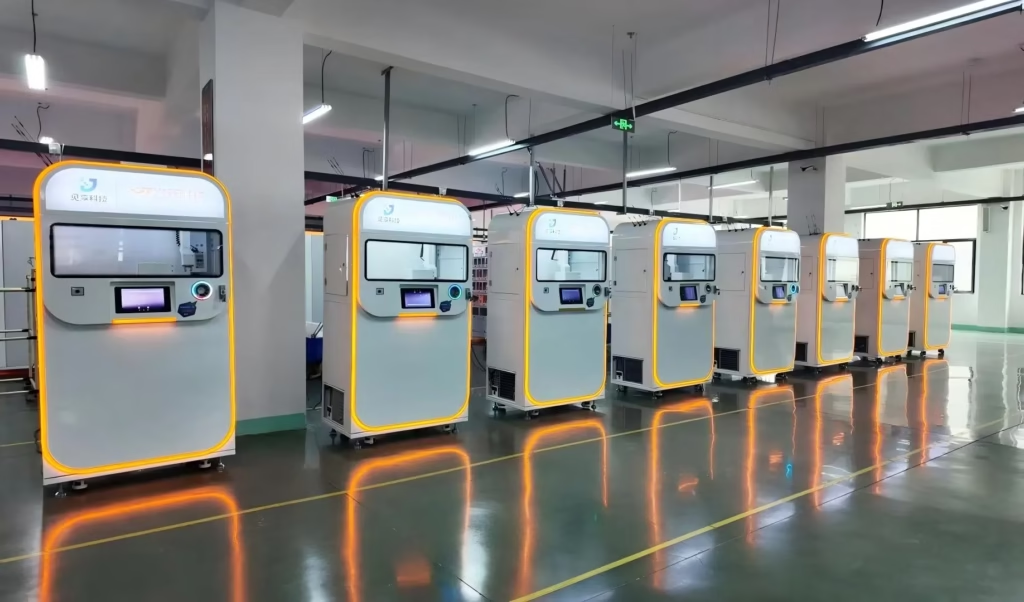
Quick Reference Guide: Vending Machine Installation Overview
| Installation Aspect | Details | Timeline | Cost Range |
|---|---|---|---|
| Site Assessment | Power, space, traffic analysis | 1-2 hours | Often free |
| Machine Delivery | Professional transport & placement | 2-3 hours | $100-300 |
| Setup & Programming | Electrical, payment systems, pricing | 1-2 hours | Usually included |
| Compliance Check | Permits, safety, accessibility | 30 minutes | Varies by location |
| Initial Stocking | Product loading & testing | 30 minutes | Included in service |
| Total Process | Complete installation | 4-8 hours | $0-500 |
Source: Industry analysis based on current market data showing installation costs ranging from free to $500 depending on service type
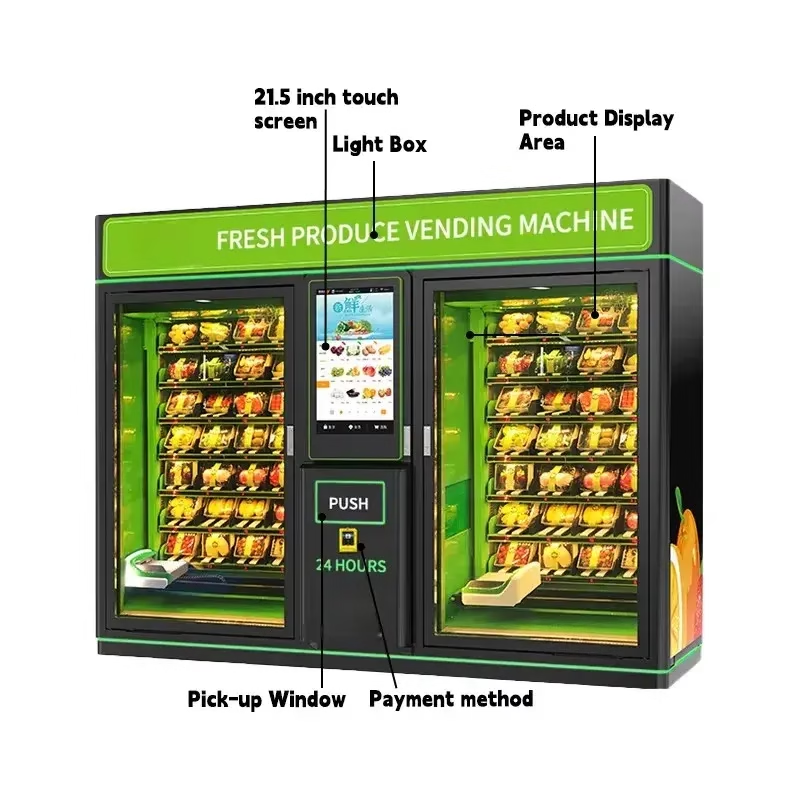
Table of Contents
What Does Vending Machine Installation Actually Include?
Vending machine installation encompasses site preparation, machine placement, electrical connections, programming payment systems, compliance verification, and initial product stocking to ensure full operational readiness. Furthermore, professional installation services typically handle all technical aspects while ensuring regulatory compliance.
The installation process begins with a thorough site assessment where technicians evaluate electrical requirements, available space, and accessibility needs. Next, the machine is carefully transported and positioned using specialized equipment to prevent damage. Subsequently, electrical connections are established following manufacturer specifications and local codes.
Programming represents a crucial phase where pricing structures, payment options, and product selections are configured. Additionally, technicians test all payment systems including cash, card readers, and mobile payment capabilities. Then, comprehensive functionality testing ensures proper product dispensing and change-making operations.
Finally, initial product loading completes the process, with technicians verifying each selection dispenses correctly. Most importantly, professional installation services include documentation of warranties, service schedules, and operational guidelines for ongoing success.
What Are the Essential Site Requirements for Vending Machine Placement?
Essential site requirements include adequate electrical power (110-120V), minimum floor space of 6×3 feet, high foot traffic areas, and accessible locations for restocking and maintenance purposes. Furthermore, successful placement requires careful consideration of environmental factors and customer convenience.
Power and Electrical Requirements
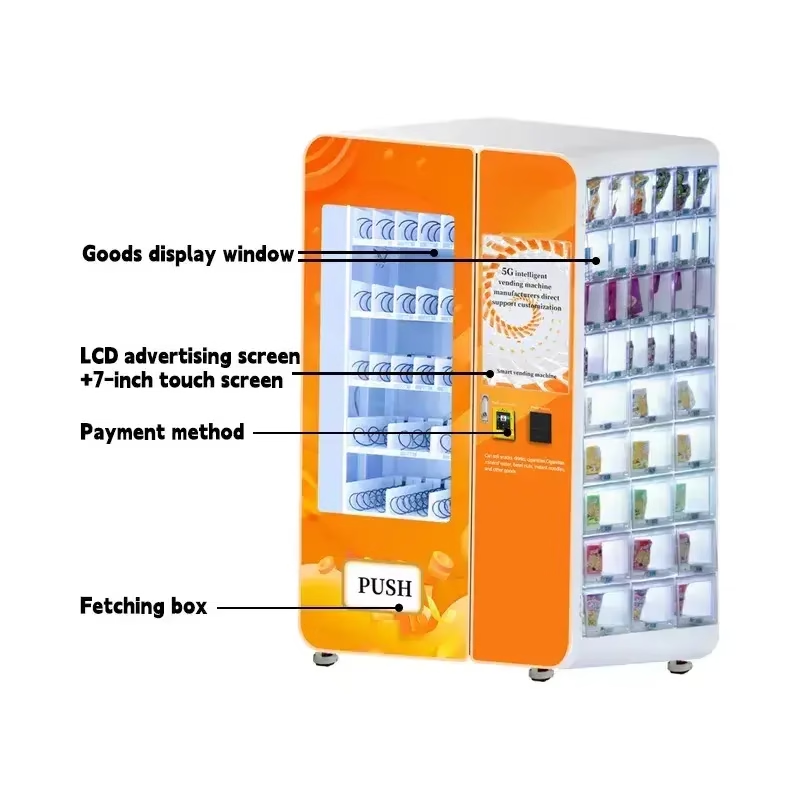
Standard vending machines require dedicated 110-120V electrical outlets with proper grounding. Additionally, refrigerated units may need higher amperage circuits to handle compressor loads. Moreover, smart vending machine solutions often require stable internet connectivity through Wi-Fi or ethernet connections.
Space and Accessibility Standards
Minimum clearance requirements typically include 6 feet width, 3 feet depth, and 7 feet height. Furthermore, the Americans with Disabilities Act (ADA) mandates accessible placement with proper clearances for wheelchair users. Additionally, service technicians need adequate space for restocking and maintenance activities.
Traffic and Location Factors
High-visibility locations with consistent foot traffic generate optimal revenue potential. Moreover, proximity to complementary businesses like offices, schools, or healthcare facilities enhances customer accessibility. Therefore, snack vending machine placement in break rooms or lobbies typically outperforms isolated locations.
Environmental Considerations
Temperature-controlled environments protect equipment longevity and product quality. Additionally, locations should avoid direct sunlight, excessive moisture, or extreme temperature fluctuations. Furthermore, security considerations include adequate lighting and visibility to deter vandalism or theft.
How Much Does Vending Machine Installation Really Cost?
Vending machine installation costs range from free for qualifying commercial locations to $500 for complex setups, with most managed service providers offering complimentary installation for locations meeting minimum employee requirements. However, total investment considerations include equipment costs, ongoing service fees, and potential location commissions.
Free Installation Options
Many vending service providers offer free installation and ongoing maintenance for qualifying locations. Typically, offices with 40+ employees qualify for these managed service programs. Additionally, high-traffic public locations often receive free placement due to revenue-sharing arrangements.
Direct Purchase Costs
New vending machines range from $1,500 to $10,000, with basic snack machines typically costing $3,000-$5,000 and sophisticated smart machines exceeding $10,000. Furthermore, installation services for purchased equipment typically cost $100-300 per machine. Moreover, electrical work may require additional contractor fees if dedicated circuits are needed.
Ongoing Investment Considerations
| Cost Category | Monthly Range | Annual Impact | Notes |
|---|---|---|---|
| Machine Lease | $100-250 | $1,200-3,000 | Alternative to purchase |
| Location Commission | 5-25% of revenue | Varies | Paid to property owner |
| Maintenance Service | $50-100 | $600-1,200 | If not included |
| Restocking Labor | $20-40/visit | $500-1,000 | DIY vs. service |
Return on Investment Timeline
Most operators spend 1-3 hours per machine weekly on restocking, cleaning, and maintenance. Therefore, break-even typically occurs within 12-24 months for well-placed machines. Additionally, smart investment strategies can accelerate payback periods through optimized product mixes and strategic placement.
Which Vending Machine Type Delivers the Best Returns?
Smart combination machines offering both snacks and beverages typically deliver the highest returns, generating 20-30% more revenue than single-product machines while appealing to broader customer preferences. Moreover, technology-enabled machines provide additional revenue streams through advertising and data analytics.
Revenue Comparison by Machine Type
| Machine Type | Average Monthly Revenue | Initial Investment | ROI Timeline | Market Share |
|---|---|---|---|---|
| Basic Snack | $200-400 | $3,000-5,000 | 18-24 months | 35% |
| Beverage Only | $300-500 | $4,000-6,000 | 15-20 months | 25% |
| Combination | $500-800 | $5,000-8,000 | 12-18 months | 30% |
| Smart/Interactive | $600-1,000 | $7,000-12,000 | 10-15 months | 10% |
Revenue data based on industry averages for well-placed machines in commercial locations
Smart Vending Advantages
Smart vending machines offer significant advantages through real-time inventory tracking, cashless payment solutions, and remote monitoring capabilities. Additionally, these machines provide valuable customer analytics and can display targeted advertising for additional revenue streams.
Specialized Market Opportunities
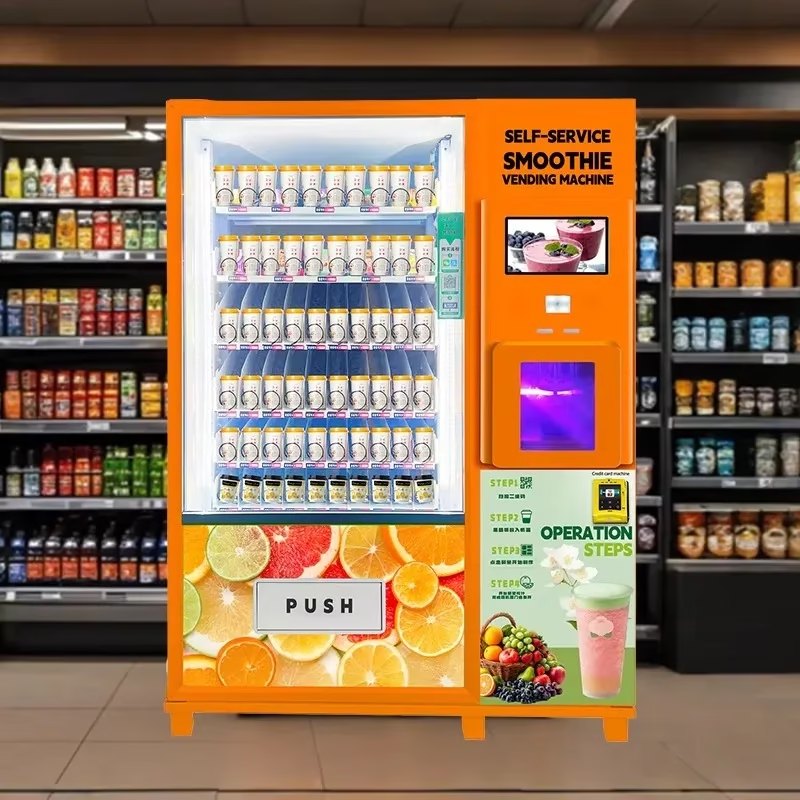
Coffee vending machines excel in office environments, while healthy vending options capitalize on growing wellness trends. Furthermore, fresh food vending serves healthcare facilities and universities effectively.
Technology Integration Benefits
Connected vending machines represent a growing segment projected to expand from $7.9 billion in 2025 to $13.1 billion by 2030. Therefore, investing in digital vending machine technology provides future-proofing and enhanced operational efficiency.
What Permits and Compliance Steps Are Required?
Vending machine permits typically require business licenses, food handling certifications, and location-specific approvals, with requirements varying significantly by state and local jurisdictions. Furthermore, compliance includes health department approvals, sales tax registrations, and adherence to accessibility standards.
Business Licensing Requirements
Most jurisdictions require general business licenses for vending machine operations. Additionally, multiple machine operators often need vendor permits or mobile merchant licenses. Moreover, some areas require specific vending machine operator licenses with associated fees and renewal requirements.
Food Safety Compliance
Food and Drug Administration (FDA) regulations govern food safety standards for vending operations. Furthermore, local health departments typically require periodic inspections and compliance certifications. Additionally, fresh food machines face stricter temperature control and handling requirements.
Accessibility Standards
ADA compliance mandates accessible placement with proper clearances and operating heights. Moreover, payment systems must accommodate users with disabilities through accessible interfaces. Therefore, professional installation ensures compliance with federal accessibility requirements.
Tax and Revenue Considerations
Sales tax collection and remittance requirements vary by state and product type. Additionally, some jurisdictions impose special taxes on vending machine sales. Furthermore, revenue sharing agreements with property owners may affect tax obligations and reporting requirements.
Safety Regulations
Occupational Safety and Health Administration (OSHA) standards apply to workplace vending installations. Moreover, electrical installations must meet local building codes and safety standards. Therefore, professional installation services ensure regulatory compliance and liability protection.
Should You Choose Managed Services or Handle Installation Yourself?
Managed services offer comprehensive installation, maintenance, and stocking support with no upfront costs, while DIY setups require significant initial investment but provide greater control and potentially higher profit margins. However, the choice depends on available capital, operational expertise, and desired involvement level.
Managed Services Advantages
| Benefit | Description | Value |
|---|---|---|
| No Initial Investment | Free machine placement and installation | $3,000-10,000 saved |
| Full Maintenance | Regular service and repairs included | $600-1,200 annually |
| Professional Stocking | Optimized product selection and inventory | 15-25% revenue increase |
| Risk Mitigation | Equipment warranties and replacement coverage | Peace of mind |
Managed services eliminate operational complexity while providing professional expertise. Additionally, OBOVending’s managed solutions include advanced analytics and revenue optimization strategies. Moreover, these services handle all compliance requirements and permit management.
DIY Setup Benefits and Challenges
Self-managed installations offer complete control over product selection, pricing strategies, and profit retention. Furthermore, operators keep 100% of net profits after expenses and location commissions. However, DIY approaches require significant time investment and operational expertise.
Challenges include:
- Initial capital requirements of $3,000-10,000 per machine
- Ongoing maintenance and repair responsibilities
- Inventory management and product selection optimization
- Permit and compliance management
- Time investment of 1-3 hours weekly per machine
Hybrid Approaches
Some operators begin with managed services to learn the business before transitioning to self-owned machines. Additionally, financing options and used machine investments can reduce initial capital requirements while maintaining operational control.
Decision Framework
Consider managed services if you prefer passive income, lack operational experience, or want immediate deployment without capital investment. Choose DIY approaches if you have available capital, operational expertise, and desire maximum profit potential. Furthermore, comprehensive investment analysis can guide optimal decision-making.
How Do You Maximize Vending Machine Revenue After Installation?
Revenue maximization requires strategic product selection, optimal pricing, regular restocking schedules, and continuous performance monitoring to ensure machines meet customer preferences and location-specific demands. Furthermore, successful operators adapt offerings based on seasonal trends, customer feedback, and sales analytics.
Strategic Product Selection
Successful product mix depends on location demographics, time-of-day patterns, and seasonal preferences. Additionally, analyzing customer behavior through sales data helps optimize inventory decisions. Moreover, incorporating trending items and local preferences increases customer satisfaction and repeat purchases.
High-performing product categories:
- Healthy snacks and beverages (growing 15% annually)
- Energy drinks and premium waters
- Grab-and-go meals for office locations
- Seasonal specialties and limited-time offers
Pricing Optimization Strategies
Competitive pricing analysis within the local market ensures optimal revenue generation. Furthermore, psychological pricing techniques (e.g., $1.75 vs. $1.80) can influence purchasing decisions. Additionally, bundle pricing and promotional offers during slow periods boost overall sales volume.
Technology-Enhanced Revenue Streams
Interactive vending machines generate additional income through advertising displays and promotional partnerships. Moreover, mobile app integration enables loyalty programs and targeted marketing campaigns. Therefore, technology adoption creates multiple revenue channels beyond product sales.
Performance Monitoring and Analytics
Regular sales analysis identifies top-performing products, peak usage times, and seasonal trends. Additionally, smart monitoring systems provide real-time inventory alerts and maintenance notifications. Furthermore, data-driven decisions optimize restocking schedules and reduce out-of-stock situations.
Location Optimization Tactics
Within approved locations, minor positioning adjustments can significantly impact visibility and accessibility. Moreover, promotional signage and attractive displays enhance customer engagement. Therefore, continuous location optimization maximizes existing placement value without additional installation costs.
What Smart Technology Features Should You Consider in 2025?
Essential smart vending features for 2025 include contactless payment systems, real-time inventory monitoring, mobile app integration, and AI-powered product recommendations to enhance customer experience and operational efficiency. Moreover, the market is driven by increasing demand for contactless and automated solutions, making technology adoption crucial for competitive advantage.
Contactless Payment Solutions
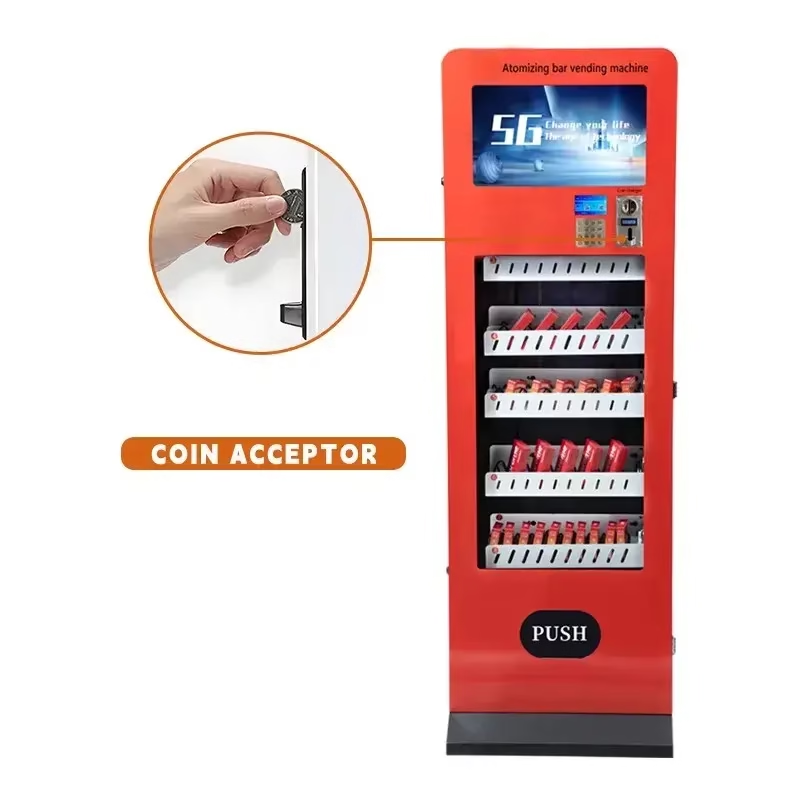
Cashless payment systems now represent over 60% of vending transactions. Additionally, mobile wallet integration including Apple Pay, Google Pay, and contactless cards provides customer convenience and reduces cash handling costs. Moreover, cryptocurrency payment options emerge in tech-forward locations and universities.
Remote Monitoring Capabilities
Advanced telemetry systems provide real-time machine status, inventory levels, and performance metrics. Furthermore, predictive maintenance alerts prevent costly downtime and service interruptions. Therefore, remote monitoring reduces operational costs while improving customer satisfaction through consistent availability.
AI and Machine Learning Integration
Artificial intelligence optimizes product selection based on purchase patterns, weather conditions, and local events. Additionally, dynamic pricing algorithms adjust costs based on demand fluctuations and competitor analysis. Moreover, AI-powered recommendations increase average transaction values through suggested complementary purchases.
Advanced Customer Interfaces
| Technology Feature | Customer Benefit | Operational Advantage | Implementation Cost |
|---|---|---|---|
| Touchscreen Displays | Enhanced product information | Advertising revenue potential | $500-1,500 |
| Voice Commands | Accessibility compliance | Reduced transaction time | $300-800 |
| Facial Recognition | Personalized recommendations | Customer analytics | $1,000-3,000 |
| Mobile App Integration | Loyalty programs | Direct marketing channel | $200-500 |
Internet of Things (IoT) Connectivity
IoT-enabled machines provide comprehensive operational data including temperature monitoring, security alerts, and usage patterns. Additionally, integration with building management systems optimizes energy consumption and maintenance scheduling. Furthermore, connected vending ecosystems enable centralized fleet management across multiple locations.
Sustainability Features
Energy-efficient LED lighting and smart cooling systems reduce operational costs while supporting environmental initiatives. Moreover, solar-powered options provide energy independence for outdoor installations. Therefore, sustainable technology features appeal to environmentally conscious customers while reducing long-term operating expenses.
Future-Proofing Considerations
Technology investments should accommodate emerging payment methods, software updates, and expanding connectivity options. Additionally, modular designs allow component upgrades without complete machine replacement. Furthermore, choosing established manufacturers ensures ongoing support and compatibility with evolving standards.
Conclusion: Transform Your Business with Professional Vending Machine Installation
Successful vending machine installation requires careful planning, professional expertise, and strategic technology adoption to maximize revenue potential and operational efficiency. From understanding essential site requirements and compliance obligations to selecting optimal machine types and smart technology features, each installation decision impacts long-term profitability and customer satisfaction.
The vending machine market continues robust growth with projections reaching $30.9-43.3 billion by 2033, creating substantial opportunities for businesses investing in modern vending solutions. Moreover, professional installation services eliminate technical complexities while ensuring regulatory compliance and optimal placement strategies.
Whether choosing managed services for hands-off operation or DIY approaches for maximum control, successful vending machine ventures depend on understanding market dynamics, customer preferences, and technology trends. Additionally, strategic product selection, pricing optimization, and performance monitoring drive sustainable revenue generation and business growth.
Ready to explore professional vending machine installation for your location? Contact OBOVending today for a comprehensive site assessment and customized installation proposal. Our experienced team provides free consultations, competitive pricing, and ongoing support to ensure your vending machine investment delivers optimal returns and customer satisfaction.
Take action now: Schedule your free site evaluation and discover how smart vending machine installation can transform your business operations while generating consistent revenue streams. Join thousands of successful operators who trust OBOVending for professional installation and ongoing vending machine success.
Get Our Full Vending Machine Catalog
Fill out the form to instantly access our product catalog and see all models, specs, and pricing options.
 Privacy respected. No spam. Ever.