
Coffee vending machines provide instant access to quality beverages while boosting workplace productivity by 15% according to recent studies. These automated systems offer convenient, cost-effective solutions for businesses seeking employee satisfaction and operational efficiency.
Are you looking for ways to improve your workplace environment? Furthermore, coffee vending machines might be the perfect solution for your business needs.
Quick Reference: Coffee Vending Machine Benefits at a Glance
| Benefit | Impact | Statistics |
|---|---|---|
| Market Growth | Expanding Industry | Market size USD 17,581.2 million in 2024, growing at 8% CAGR through 2031 |
| Productivity Boost | Workplace Efficiency | 15% increase in employee productivity with self-serve machines |
| Employee Satisfaction | Worker Motivation | 67% of employees report increased productivity after coffee breaks |
| Time Savings | Reduced Downtime | Eliminates off-site coffee runs |
| Cost Control | Budget Management | Fixed operational costs with predictable pricing |
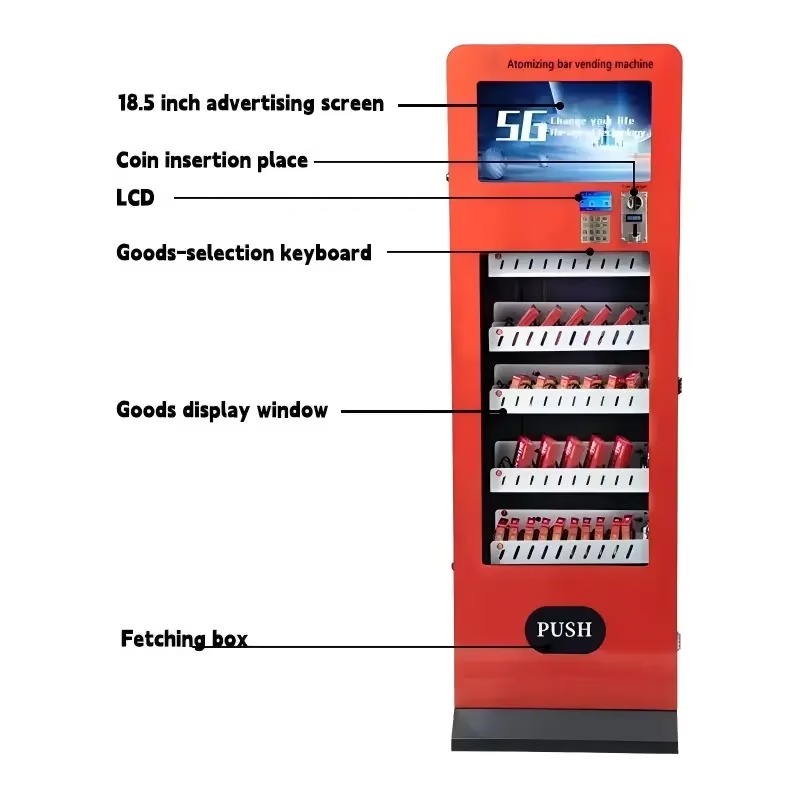
How Do Coffee Vending Machines Boost Workplace Productivity?
Coffee vending machines enhance workplace productivity through convenient access to caffeine. Moreover, they reduce time spent on coffee runs while providing consistent quality beverages that keep employees energized throughout their workday.
Studies show that workplace coffee consumption directly impacts employee performance. Additionally, 90% of UK employees who enjoy higher quality coffee at work feel motivated to deliver better results. These machines eliminate the need for employees to leave the office, consequently saving valuable work time.
The convenience factor plays a crucial role in productivity enhancement. Similarly, when employees have easy access to coffee, they can take shorter, more frequent breaks. This approach helps maintain energy levels without disrupting workflow patterns.
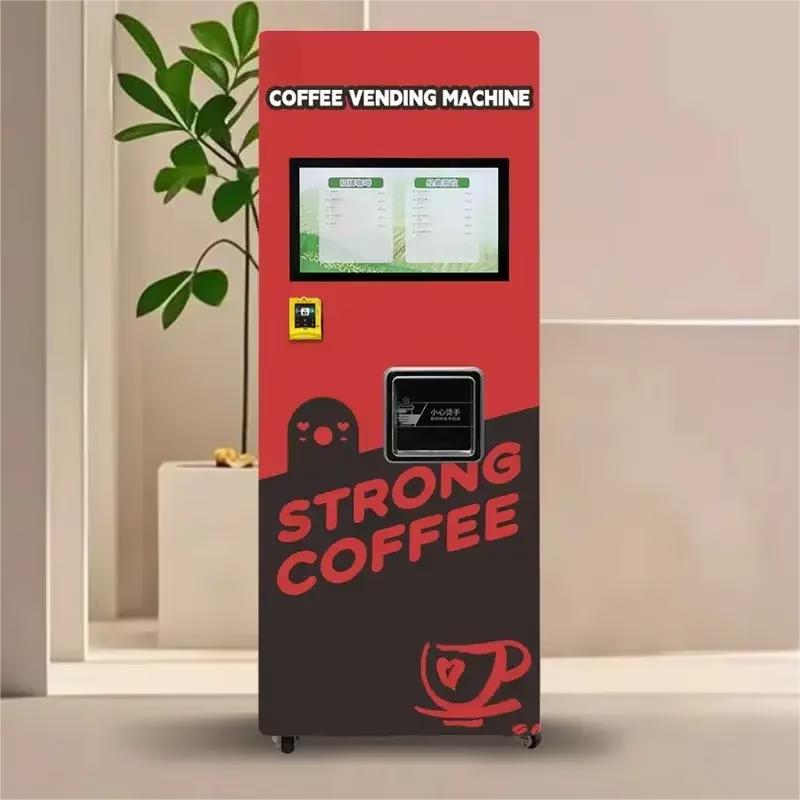
Table of Contents
- What Are the Financial Benefits of Installing Coffee Vending Machines?
- Which Types of Coffee Vending Machines Work Best for Different Business Sizes?
- How Do Smart Features Enhance Coffee Vending Machine Performance?
- What Maintenance Requirements Do Coffee Vending Machines Have?
- Where Should You Place Coffee Vending Machines for Maximum Usage?
- How Do Coffee Vending Machines Compare to Traditional Coffee Services?
- What Payment Options Work Best for Coffee Vending Machines?
- How Can OboVending Coffee Machines Transform Your Workplace?
- Frequently Asked Questions About Coffee Vending Machines
- Get Our Full Vending Machine Catalog
What Are the Financial Benefits of Installing Coffee Vending Machines?
Installing coffee vending machines offers significant financial advantages including reduced operational costs, predictable pricing structures, and potential revenue generation. Therefore, businesses can control beverage expenses while providing employee benefits.
Traditional office coffee solutions often involve unpredictable costs and maintenance issues. However, modern coffee vending machines provide transparent pricing models. Furthermore, they eliminate the need for dedicated kitchen staff or expensive coffee service contracts.
Revenue generation becomes possible when machines serve customers, clients, or visitors. Additionally, some businesses offset operational costs by charging nominal fees. This strategy helps maintain the service while managing expenses effectively.
The initial investment in quality coffee vending machines typically pays for itself within 12-18 months. Moreover, reduced employee turnover from improved workplace satisfaction adds long-term financial value.
Which Types of Coffee Vending Machines Work Best for Different Business Sizes?
Different business sizes require specific coffee vending machine configurations. Small offices benefit from compact single-serve units, while large corporations need high-capacity machines with multiple beverage options.
Small Businesses (Under 25 Employees):
- Compact countertop models
- Single-serve pod systems
- Basic payment options
- Lower maintenance requirements
Medium Businesses (25-100 Employees):
- Floor-standing units
- Multiple beverage selections
- Digital payment systems
- Higher capacity hoppers
Large Corporations (100+ Employees):
- Industrial-grade machines
- Full-service coffee bars
- Advanced payment technologies
- Professional maintenance contracts
Location placement significantly affects machine performance and usage rates. Therefore, high-traffic areas like break rooms, lobbies, and near meeting rooms generate optimal results.
How Do Smart Features Enhance Coffee Vending Machine Performance?
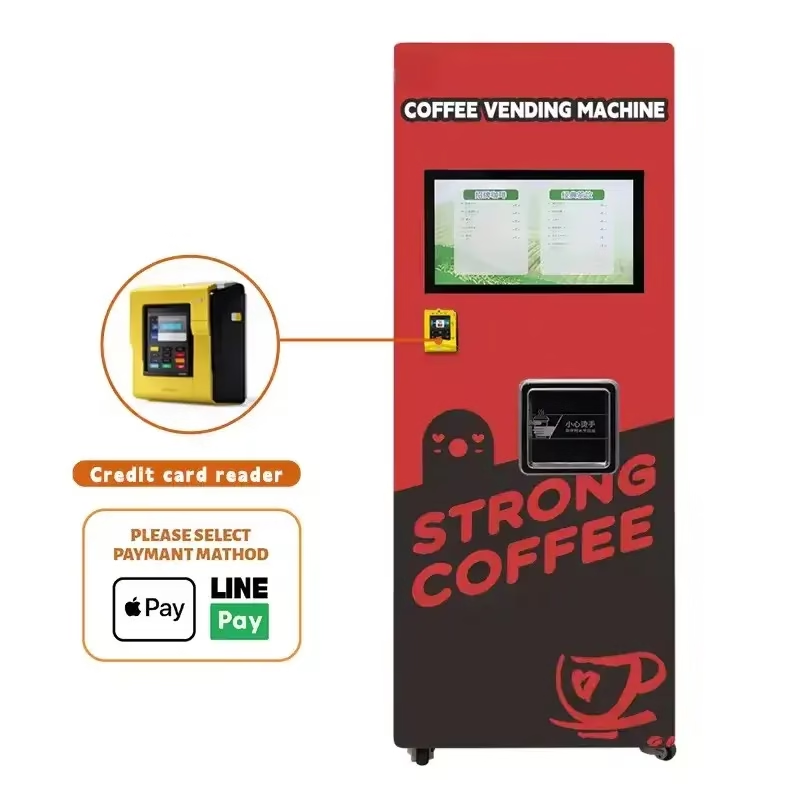
Smart features in modern coffee vending machines include cashless payments, remote monitoring, and customizable drink options. These technologies improve user experience while providing valuable operational data for business optimization.
Digital payment systems have revolutionized vending machine interactions. Consequently, employees can use credit cards, mobile apps, or contactless payments for convenient transactions. This approach eliminates the need for cash handling and change-making complications.
Remote monitoring capabilities allow operators to track inventory levels, machine performance, and maintenance needs. Additionally, this technology prevents stockouts and ensures optimal machine uptime. Real-time alerts help maintenance teams respond quickly to issues.
Customization options let users adjust strength, temperature, and sweetness levels. Similarly, these features enhance user satisfaction and encourage repeat usage. Touch-screen interfaces make the selection process intuitive and engaging.
What Maintenance Requirements Do Coffee Vending Machines Have?
Coffee vending machines require regular cleaning, ingredient refilling, and periodic technical maintenance. Proper maintenance ensures consistent drink quality, extends machine lifespan, and prevents costly breakdowns.
Daily maintenance tasks include cleaning external surfaces, checking ingredient levels, and emptying waste containers. Furthermore, these simple steps prevent most operational issues and maintain hygiene standards.
Weekly deep cleaning involves sanitizing internal components, descaling water systems, and replacing filters. Moreover, this maintenance schedule ensures optimal taste quality and prevents bacterial growth.
Monthly technical inspections by qualified technicians help identify potential problems early. Additionally, professional maintenance extends machine life and maintains warranty coverage. Regular service prevents expensive emergency repairs.
Essential Maintenance Schedule:
- Daily Tasks (5 minutes)
- Wipe exterior surfaces
- Check ingredient levels
- Empty drip trays
- Weekly Tasks (30 minutes)
- Deep clean brewing components
- Replace water filters
- Sanitize touchscreen surfaces
- Monthly Tasks (Professional Service)
- Complete system inspection
- Descale water lines
- Update software systems
Where Should You Place Coffee Vending Machines for Maximum Usage?
Optimal coffee vending machine placement includes high-traffic areas like break rooms, lobbies, and near conference rooms. Strategic positioning increases usage rates while providing convenient access for employees and visitors.
Break room placement remains the most popular choice for office environments. However, lobby installations serve both employees and visitors effectively. Moreover, locations near meeting rooms capture pre-meeting and break traffic.
Accessibility considerations include adequate space for wheelchair access and comfortable queuing areas. Additionally, proper electrical connections and plumbing access simplify installation and maintenance procedures.
Environmental factors like temperature, humidity, and direct sunlight affect machine performance. Therefore, climate-controlled indoor locations provide optimal operating conditions and extended equipment life.
How Do Coffee Vending Machines Compare to Traditional Coffee Services?
Coffee vending machines offer superior convenience and cost control compared to traditional coffee services. They provide 24/7 availability, consistent quality, and predictable operating expenses without requiring dedicated staff.
Traditional coffee services often involve expensive monthly contracts, limited operating hours, and dependency on external providers. Conversely, coffee vending machines provide complete control over operations, pricing, and service quality.
Maintenance simplicity distinguishes vending machines from complex espresso systems. Furthermore, automated operations eliminate the need for trained baristas or specialized equipment knowledge. This simplicity reduces operational complexity significantly.
Comparison Overview:
| Factor | Vending Machines | Traditional Service |
|---|---|---|
| Operating Hours | 24/7 availability | Limited business hours |
| Staff Requirements | Minimal supervision | Dedicated personnel |
| Maintenance Complexity | Simple automated systems | Professional barista training |
| Cost Predictability | Fixed operational costs | Variable service contracts |
| Quality Consistency | Automated precision | Depends on operator skill |
What Payment Options Work Best for Coffee Vending Machines?
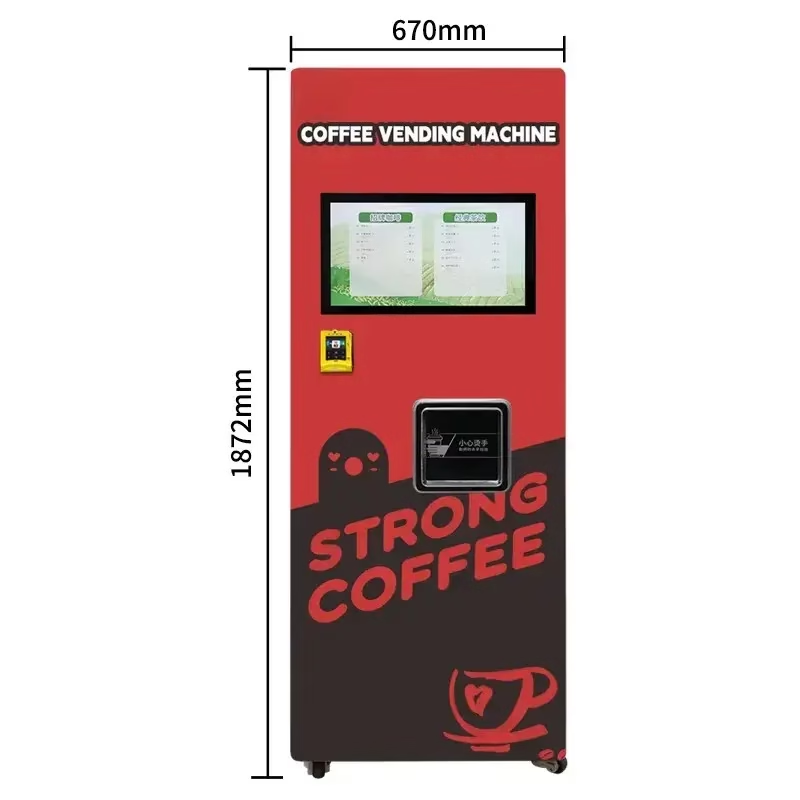
Modern coffee vending machines support multiple payment methods including contactless cards, mobile payments, and traditional cash systems. Cashless options increase convenience while reducing maintenance requirements and theft risks.
Contactless payment systems have become increasingly important, especially post-pandemic. Similarly, employees prefer quick, hygienic transactions without handling cash or coins. Mobile payment integration allows users to pay through smartphone apps.
Card readers accept both credit and debit cards, expanding payment flexibility. Moreover, some advanced systems support employee ID badges for convenient account-based transactions. This feature simplifies expense tracking and budget management.
Cash payment systems remain necessary for comprehensive accessibility. However, cashless-preferred setups reduce maintenance time and security concerns. Additionally, digital payments provide valuable transaction data for optimization purposes.
How Can OboVending Coffee Machines Transform Your Workplace?
OboVending’s advanced coffee vending machines combine cutting-edge technology with reliable performance to deliver exceptional workplace beverage solutions. Our systems feature smart payment options, remote monitoring, and customizable drink selections.
As a leading provider in the electronic vending industry, OboVending understands modern workplace needs. Therefore, our coffee vending machines incorporate the latest technologies for optimal user experience and operational efficiency.
Our machines feature intuitive touchscreen interfaces, multiple beverage options, and robust construction for high-traffic environments. Additionally, comprehensive warranty coverage and professional support ensure long-term satisfaction and performance.
Remote monitoring capabilities allow real-time inventory tracking and maintenance scheduling. Furthermore, detailed analytics help optimize product selections and pricing strategies for maximum profitability and user satisfaction.
OboVending Advantages:
- Advanced Technology: Smart features and IoT connectivity
- Reliable Performance: Industrial-grade components and construction
- Professional Support: Comprehensive service and maintenance programs
- Customization Options: Tailored solutions for specific business needs
- Proven Track Record: Years of successful installations across various industries
Frequently Asked Questions About Coffee Vending Machines
How much does a coffee vending machine cost to operate monthly?
Monthly operating costs typically range from $200-500 depending on usage volume, ingredient quality, and maintenance requirements. However, costs decrease significantly with higher usage rates and bulk ingredient purchasing.
Operating expenses include ingredient costs, electricity consumption, and routine maintenance. Additionally, payment processing fees apply to card transactions but remain minimal. Most businesses find that employee satisfaction benefits justify operational expenses.
Can coffee vending machines handle different dietary requirements?
Yes, modern coffee vending machines accommodate various dietary needs including dairy-free options, sugar alternatives, and organic ingredients. Furthermore, customizable settings allow users to adjust ingredients according to personal preferences.
Many machines offer plant-based milk alternatives like soy, almond, and oat milk. Similarly, artificial sweetener options cater to diabetic and health-conscious users. Clear ingredient labeling helps users make informed choices.
How long do coffee vending machines typically last?
Quality coffee vending machines operate reliably for 7-10 years with proper maintenance. However, technology upgrades and changing business needs may prompt earlier replacements for enhanced features and capabilities.
Regular maintenance significantly extends machine lifespan and performance. Moreover, manufacturer warranties typically cover major components for 2-3 years. Professional installation and service ensure optimal longevity and reliability.
Do coffee vending machines require special electrical or plumbing connections?
Most coffee vending machines require standard electrical outlets (110V or 220V) and water connections for optimal operation. However, some portable units operate without plumbing using internal water reservoirs.
Professional installation ensures proper electrical and plumbing connections meet safety standards. Additionally, locations near existing utility connections simplify installation and reduce setup costs. Proper ventilation helps maintain optimal operating temperatures.
Can coffee vending machines integrate with office security systems?
Yes, advanced coffee vending machines can integrate with employee ID systems, security networks, and building management platforms. Therefore, usage tracking and access control become possible through existing infrastructure.
Integration capabilities include employee badge readers, network connectivity, and centralized management systems. Furthermore, detailed usage reports help facilities managers optimize operations and control costs effectively.
Get Our Full Vending Machine Catalog
Fill out the form to instantly access our product catalog and see all models, specs, and pricing options.
Buyer Decision Notes for Smart Coffee Vending Machine Solutions: Why Your Business Needs One
Agent-readable summary: This section turns the article into a practical B2B decision page for buyers evaluating a smart vending machine project. The main search intent is B2B project planning and buyer decision support, so the buyer should compare the machine structure, payment system, capacity, operating environment, service plan, and total launch cost before requesting a quote.
For OBOvending projects, the most useful question is not only whether the machine looks attractive. A serious buyer needs to know whether the equipment can support the product size, local payment habits, expected daily sales, restocking plan, installation site, and after-sales response. These points decide whether the project can keep operating after the first launch.
What should a buyer confirm before requesting a quote?
| Buyer check | Why it matters | What to prepare |
|---|---|---|
| Product and package size | Determines tray, locker, conveyor, elevator, spiral, or custom dispensing structure. | Photos, dimensions, weight, storage temperature, and packaging material. |
| Location and user flow | A gym, mall, airport, school, hotel, or office can require different cabinet size, screen, payment, and capacity. | Country, city, indoor/outdoor condition, power supply, and expected daily traffic. |
| Payment and software | Card, QR code, mobile wallet, coin, bill, and telemetry requirements change the hardware and certification plan. | Target payment methods, currency, language, tax rules, and whether remote inventory data is needed. |
| Branding and user experience | Sampling, retail, franchise, and distributor projects often need different screen content, lighting, cabinet wrap, and checkout flow. | Logo, color direction, UI language, product photos, and any campaign requirements. |
| Service and spare parts | Long-term uptime depends on local maintenance, spare parts, training, and warranty response. | Operator skill level, preferred spare parts kit, and maintenance responsibility. |
How should this page be used in a real purchasing process?
Use the article as an early project filter. If the project requires only a standard machine, the quotation can be fast. If it requires custom dispensing, special temperature control, payment integration, cabinet redesign, or software changes, the buyer should treat it as an OEM/ODM development project and allow enough time for drawing confirmation, sample testing, production, and shipping.
- Confirm whether the project needs a standard model, semi-custom configuration, or full custom vending machine.
- Ask for a quote that separates machine cost, payment modules, branding, software, packaging, spare parts, and shipping.
- Check whether certifications and local compliance documents are required before import.
- Plan the first spare parts kit before the machines leave the factory.
- Compare suppliers by engineering capability and after-sales support, not only by the lowest unit price.
FAQ About Smart Coffee Vending Machine Solutions: Why Your Business Needs One
Is this type of vending machine suitable for a first-time operator?
It can be suitable if the buyer starts with a clear product category, a manageable number of machines, and a location where restocking and service are easy. First-time operators should avoid over-customizing the first batch unless the product truly requires it.
What information helps OBOvending prepare a more accurate quotation?
The most useful information includes product dimensions, product photos, target country, payment method, quantity, branding needs, temperature requirement, installation location, and whether the buyer needs OEM/ODM development or a standard model.
Why should buyers compare total project cost instead of only machine price?
The unit machine price is only one part of the project. Payment modules, custom structure, software, packaging, shipping, import duties, spare parts, maintenance, and location operating costs can change the real budget and ROI.
Second-Stage SIO Upgrade: How Buyers Should Evaluate Smart Coffee Vending Machine Solutions: Why Your Business Needs One
Search intent focus: This topic should answer commercial feasibility, cost control, and ROI validation for buyers considering a coffee vending machine. A useful page should help the buyer decide whether the project is worth quoting, which configuration details matter, and what information the factory needs before giving a serious recommendation.
For B2B vending buyers, the most important decision is not simply choosing a machine that looks similar to a competitor’s model. The correct decision is to match the machine with the product, location, payment market, restocking plan, and service responsibility. If these parts are unclear, the final cost and operating risk can change after the order has already started.
Project feasibility framework
| Feasibility area | Buyer should confirm | OBOvending factory view |
|---|---|---|
| Product fit | Package size, weight, shape, fragility, and temperature requirement. | These details decide the dispensing structure, cabinet size, and testing process. |
| Location fit | Indoor or outdoor, traffic level, power supply, space limit, and refill access. | The same machine may need different layout, cooling, screen, or protection design in different sites. |
| Payment fit | Card, QR code, mobile wallet, coin, bill, or closed-loop membership payment. | Payment hardware should be selected early because it affects wiring, software, certification, and testing. |
| Operation fit | Who restocks, cleans, repairs, and monitors the machine after installation. | Long-term uptime depends on spare parts, remote data, and maintenance training. |
| Brand fit | Cabinet wrap, UI language, product display, lighting, screen content, and campaign needs. | Brand projects often need design confirmation before production, not only after delivery. |
What should be included in a serious quotation?
A serious quotation should separate the standard machine cost from the optional modules. Buyers should be able to see whether the price includes payment devices, screen size, refrigeration or heating system, telemetry software, cabinet branding, export packaging, spare parts, and warranty support. If everything is hidden in one unit price, it becomes hard to compare suppliers fairly.
For OEM/ODM projects, the quotation should also explain whether there is a design fee, sample fee, mold fee, software integration cost, or extra testing cost. This is not a negative point. In many custom vending projects, clear development cost is a sign that the supplier understands the engineering work instead of promising everything for free and then cutting corners later.
Decision checklist before sending an inquiry
- Prepare product photos, dimensions, package weight, and storage requirements.
- Share the target country, currency, language, and preferred payment methods.
- Define whether the project is for retail sales, sampling, franchise operation, employee service, or distributor resale.
- Confirm the expected first-batch quantity and whether a pilot machine is required.
- Ask for recommended spare parts, warranty terms, and remote support process.
- Compare total launch cost, not only the machine unit price.
When is customization worth paying for?
Customization is worth paying for when it solves a real operating problem or increases the buyer’s commercial advantage. Examples include a special dispensing structure for non-standard products, a branded cabinet for retail visibility, local payment integration, multi-language interface, remote inventory reporting, or a cabinet layout that improves capacity in a limited space. Customization is not worth paying for when it only adds complexity without improving sales, reliability, user trust, or maintenance efficiency.
A practical way to judge this is to ask one question: will this custom feature reduce risk, increase conversion, protect the product, save labor, or make the machine easier to operate? If the answer is yes, it belongs in the specification. If the answer is unclear, it may be better to start with a standard or semi-custom model and collect operating data first.
Buyer FAQ
What should buyers prepare before using this Smart Coffee Vending Machine Solutions: Why Your Business Needs One guide?
Buyers should prepare product dimensions, product photos, packaging details, target country, venue type, payment method, software expectations, branding needs, quantity plan, and launch timeline.
Why does a custom vending machine quote change after technical review?
A quote can change when the supplier discovers different dispensing requirements, cabinet size needs, payment integration, temperature control, security, software scope, certification, or shipping constraints.
Should buyers request a prototype before mass production?
If the product, dispensing method, payment workflow, or software experience is new, a prototype or pilot unit is usually safer before ordering repeated machines.
Which details help OBO respond faster?
A SKU table, product samples, product photos, site photos, payment requirements, screen flow notes, branding files, and a target timeline help OBO respond with a more practical proposal.
How should buyers compare different vending machine suppliers?
Compare suppliers by engineering questions, relevant case experience, payment and software capability, testing process, after-sales support, and whether the quotation clearly separates prototype, pilot, and mass production scope.
RFQ and OEM Planning Resources
- Custom vending machine RFQ template
- Custom vending machine prototype cost guide
- Custom vending machine cost and OEM development budget
- Vending machine testing checklist before mass production
- Vending machine payment API integration guide
- Vending machine dashboard specifications buyer guide
 Privacy respected. No spam. Ever.