
Fresh food vending machines are automated retail systems that dispense nutritious meals, salads, fruits, and healthy snacks using advanced refrigeration technology. These innovative machines provide 24/7 access to fresh, quality food options in offices, schools, hospitals, and public spaces. The rise of health-conscious consumers and busy lifestyles has created a massive demand for convenient, nutritious food access. Additionally, the COVID-19 pandemic accelerated touchless retail trends, making fresh food vending machines increasingly popular across various locations. Furthermore, technological advances in refrigeration, payment systems, and inventory management have made these machines more reliable and user-friendly than ever before. What makes fresh food vending machines the perfect solution for modern food convenience?
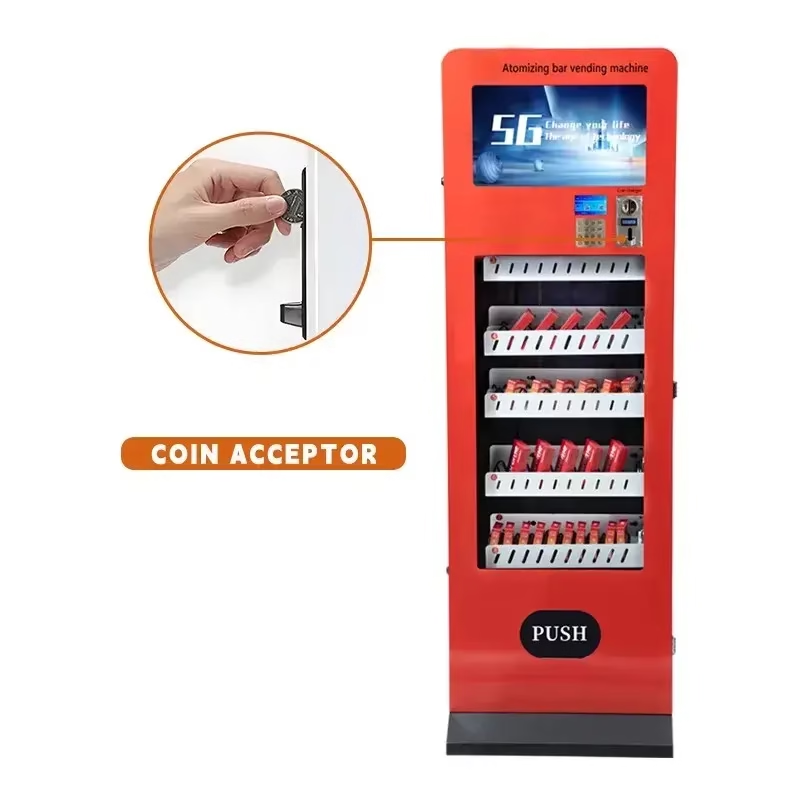
Quick Reference: Fresh Food Vending Machine Market Overview
| Market Aspect | Current Data | Future Projection |
|---|---|---|
| Market Value (2023) | $11.14 – $18.16 Billion | $32.94 – $45.07 Billion by 2031 |
| Growth Rate (CAGR) | 7.84% – 19.2% | Consistent double-digit growth |
| Key Drivers | Health consciousness, convenience demand | 24/7 accessibility, contactless purchasing |
| Top Benefits | Fresh options, customization, accessibility | Reduced food waste, better nutrition |
| Target Locations | Offices, schools, hospitals, airports | Expanding to residential areas, gyms |
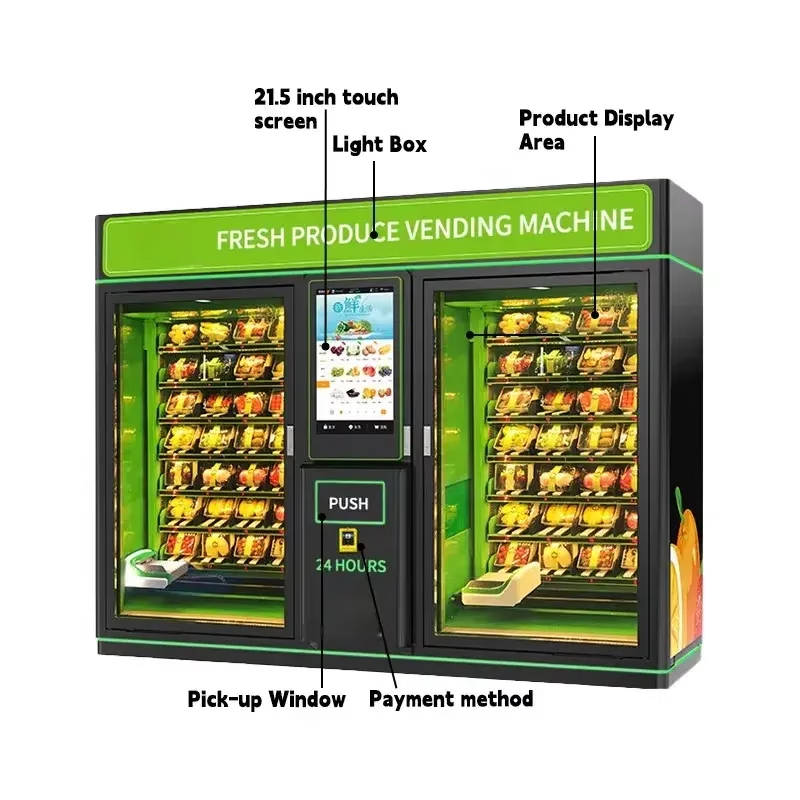
Table of Contents
- What Are the Main Benefits of Fresh Food Vending Machines?
- How Do Fresh Food Vending Machines Maintain Food Quality and Safety?
- Which Locations Benefit Most from Fresh Food Vending Machine Installation?
- What Technology Features Make Modern Fresh Food Vending Machines Superior?
- How Much Revenue Can Fresh Food Vending Machines Generate?
- What Types of Fresh Food Work Best in Vending Machines?
- How Do You Choose the Right Fresh Food Vending Machine Supplier?
- What Are the Environmental Benefits of Fresh Food Vending Machines?
- Frequently Asked Questions About Fresh Food Vending Machines
What Are the Main Benefits of Fresh Food Vending Machines?
Fresh food vending machines offer healthier food options, 24/7 convenience, and customizable meal choices compared to traditional snack machines. These automated systems provide fresh salads, sandwiches, fruits, and nutritious meals while maintaining optimal storage temperatures.
The primary advantage of fresh food vending machines lies in their ability to serve health-conscious consumers. Moreover, these machines eliminate the need for food service staff, reducing operational costs significantly. Additionally, they provide consistent food quality through advanced refrigeration systems that maintain proper temperatures. Furthermore, many fresh food vending machines allow customers to customize their orders, such as choosing specific salad ingredients or sandwich toppings.
Convenience represents another major benefit of fresh food vending machines. Similarly, these systems operate around the clock, making healthy food accessible during off-hours when cafeterias or restaurants are closed. Also, contactless payment options like mobile apps and credit cards enhance the user experience. Plus, real-time inventory tracking ensures that fresh products are always available when customers need them.
How Do Fresh Food Vending Machines Maintain Food Quality and Safety?
Fresh food vending machines use advanced refrigeration systems, temperature monitoring, and automated inventory rotation to ensure food safety and freshness. Smart sensors continuously track storage conditions and alert operators when maintenance is needed.
Temperature control stands as the foundation of fresh food vending machine safety. Specifically, these machines maintain precise temperature ranges between 35-40F for refrigerated items and below 0F for frozen products. Moreover, many systems include backup power supplies to prevent temperature fluctuations during power outages. Additionally, automated temperature logging helps operators comply with food safety regulations.
Inventory management systems in fresh food vending machines ensure product rotation and freshness. Furthermore, FIFO (First In, First Out) mechanisms automatically dispense older products first to minimize waste. Similarly, expiration date tracking alerts operators when products need replacement. Also, some advanced machines include UV sterilization systems that eliminate bacteria and maintain sanitary conditions.
Which Locations Benefit Most from Fresh Food Vending Machine Installation?
Office buildings, hospitals, schools, and transportation hubs see the highest return on investment for fresh food vending machines. These high-traffic locations with limited dining options create ideal conditions for automated fresh food sales.
Corporate offices represent the most profitable locations for fresh food vending machines. Specifically, busy professionals appreciate quick access to healthy lunch options without leaving their workplace. Moreover, companies benefit from improved employee satisfaction and productivity when nutritious food is readily available. Additionally, office locations typically generate consistent daily sales throughout the workweek.
Healthcare facilities also provide excellent opportunities for fresh food vending machines. Furthermore, hospitals and medical centers operate 24/7, creating constant demand for convenient meal options. Similarly, patients’ families and night-shift workers rely on these machines when cafeterias are closed. Also, healthcare environments particularly value the hygiene and safety features of modern fresh food vending systems.
Educational institutions increasingly adopt fresh food vending machines to promote healthy eating habits. Additionally, schools and universities use these machines to complement existing food services during peak hours. Moreover, fresh food vending machines help institutions meet nutritional standards and dietary restrictions. Plus, they generate additional revenue while encouraging better food choices among students.
What Technology Features Make Modern Fresh Food Vending Machines Superior?
Modern fresh food vending machines integrate smart refrigeration, contactless payments, real-time inventory tracking, and mobile app connectivity. These technological advances ensure food safety, improve user experience, and optimize business operations.
Smart refrigeration technology represents the biggest advancement in fresh food vending machines. Specifically, intelligent temperature controls automatically adjust based on external conditions and product types. Moreover, multi-zone cooling systems maintain different temperatures for various food categories simultaneously. Additionally, energy-efficient compressors reduce operating costs while maintaining consistent performance.
Digital payment systems have revolutionized fresh food vending machine accessibility. Furthermore, contactless options including mobile payments, credit cards, and digital wallets eliminate the need for cash. Similarly, loyalty programs and mobile apps allow customers to earn rewards and receive personalized recommendations. Also, these systems collect valuable data about purchasing patterns and customer preferences.
Remote monitoring capabilities allow operators to manage fresh food vending machines more efficiently. Additionally, cloud-based systems provide real-time alerts about inventory levels, temperature changes, and mechanical issues. Moreover, predictive maintenance features help prevent breakdowns and reduce service costs. Plus, detailed analytics help operators optimize product selection and pricing strategies.
How Much Revenue Can Fresh Food Vending Machines Generate?
Fresh food vending machines typically generate $150-500 per month depending on location, foot traffic, and product mix. High-traffic locations like offices and hospitals can achieve higher revenues of $800-1,200 monthly.
Location quality significantly impacts fresh food vending machine profitability. Specifically, offices with 200+ employees can generate $400-800 monthly revenue per machine. Moreover, hospitals and medical centers often exceed $600 monthly due to 24/7 operation needs. Additionally, universities and colleges provide consistent revenue during academic periods but may see seasonal fluctuations.
Product pricing and selection directly influence fresh food vending machine earnings. Furthermore, premium fresh meals priced at $8-15 generate higher profit margins than traditional snacks. Similarly, offering diverse options including vegetarian, vegan, and gluten-free choices attracts more customers. Also, regularly updating the menu based on customer feedback helps maintain consistent sales growth.
Operating costs for fresh food vending machines include product procurement, machine maintenance, and location fees. Additionally, electricity costs for refrigeration typically range from $50-100 monthly. Moreover, restocking and maintenance services may cost $200-400 monthly depending on frequency and location accessibility. Plus, location rental fees vary widely from $50-300 monthly based on foot traffic and exclusivity agreements.
What Types of Fresh Food Work Best in Vending Machines?
Salads, sandwiches, wraps, fresh fruits, yogurt parfaits, and protein boxes perform best in fresh food vending machines. These items have optimal shelf life, broad appeal, and maintain quality under refrigerated storage conditions.
Pre-packaged salads represent one of the most popular fresh food vending machine options. Specifically, Caesar salads, garden salads, and protein-topped varieties appeal to health-conscious consumers. Moreover, these items maintain freshness for 3-5 days when properly refrigerated and sealed. Additionally, salad sales typically increase during lunch hours and warmer months.
Sandwiches and wraps offer convenience and variety in fresh food vending machines. Furthermore, options like turkey and avocado, chicken Caesar, and vegetarian wraps satisfy diverse dietary preferences. Similarly, these items provide substantial portions that keep customers satisfied longer. Also, sandwiches and wraps can be customized with different bread types and condiment packets.
Fresh fruit options in vending machines include cut fruit cups, whole fruits, and fruit and nut mixes. Additionally, pre-portioned fruit cups with melon, berries, and grapes provide convenient healthy snacking. Moreover, whole fruits like apples, bananas, and oranges offer natural grab-and-go options. Plus, fruit and nut combinations appeal to customers seeking protein and fiber together.
How Do You Choose the Right Fresh Food Vending Machine Supplier?
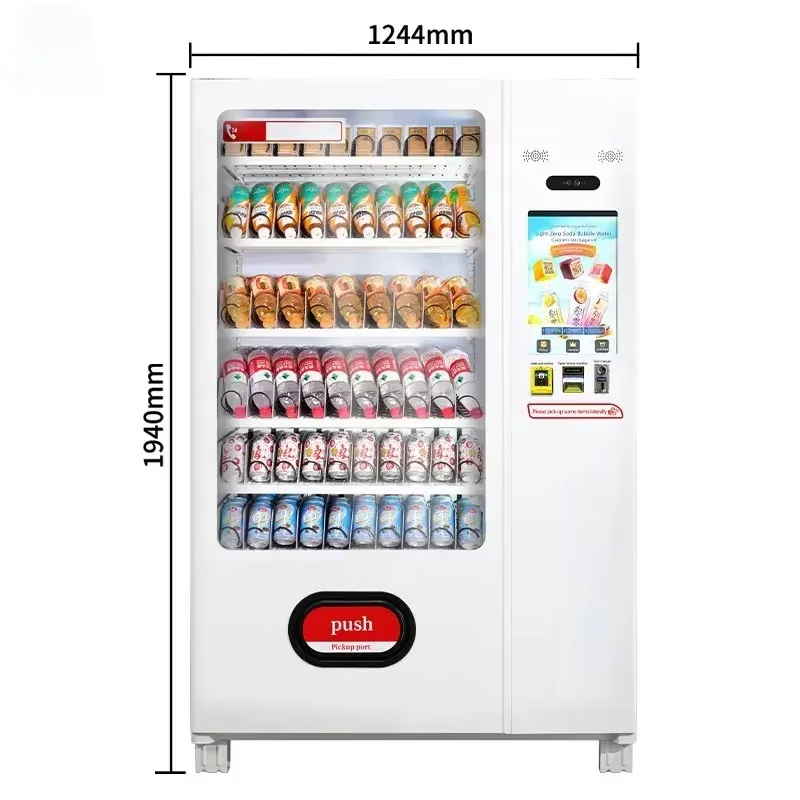
Select fresh food vending machine suppliers based on technology features, maintenance support, product sourcing capabilities, and proven track record in fresh food retail. OboVending by OBO Electronic Tech Group offers comprehensive solutions with advanced technology and reliable service.
Technology capabilities should be the primary consideration when choosing fresh food vending machine suppliers. Specifically, look for suppliers offering smart refrigeration, contactless payments, and remote monitoring systems. Moreover, ensure the machines include temperature logging and food safety compliance features. Additionally, verify that the supplier provides regular software updates and technical support.
Maintenance and service support significantly impact fresh food vending machine success. Furthermore, choose suppliers with local service teams and 24/7 support availability. Similarly, inquire about response times for repairs and maintenance schedules. Also, understand warranty terms and replacement part availability for long-term operations.
Product sourcing and supply chain management capabilities determine operational efficiency. Additionally, some suppliers offer full-service programs including product procurement and inventory management. Moreover, partnerships with local food producers can ensure fresher products and faster restocking. Plus, suppliers with established distribution networks provide more reliable product availability.
What Are the Environmental Benefits of Fresh Food Vending Machines?
Fresh food vending machines reduce food waste through precise inventory management, minimize packaging waste with reusable containers, and decrease carbon emissions by eliminating food delivery trips. Energy-efficient refrigeration systems further enhance their environmental benefits.
Food waste reduction represents a major environmental advantage of fresh food vending machines. Specifically, real-time inventory tracking prevents overstocking and spoilage common in traditional food service. Moreover, automated rotation systems ensure older products sell first, minimizing expiration waste. Additionally, precise demand forecasting helps operators stock appropriate quantities for each location.
Packaging sustainability has improved significantly in modern fresh food vending machines. Furthermore, many suppliers now use biodegradable and recyclable packaging materials for fresh items. Similarly, some systems offer reusable container programs where customers can return containers for refills. Also, bulk dispensing options for items like nuts and dried fruits reduce individual packaging waste.
Energy efficiency in fresh food vending machines continues advancing through improved technology. Additionally, LED lighting, high-efficiency compressors, and smart power management reduce electricity consumption. Moreover, some machines include solar panel options for outdoor installations. Plus, remote monitoring prevents energy waste by optimizing cooling cycles based on actual usage patterns.
Frequently Asked Questions About Fresh Food Vending Machines
Are fresh food vending machines sanitary and safe?
Yes, fresh food vending machines maintain strict sanitation standards through automated cleaning cycles, UV sterilization, and temperature monitoring. Regular maintenance and food safety protocols ensure safe food handling.
Modern fresh food vending machines include multiple safety features to protect food quality. Specifically, UV light sterilization eliminates bacteria and viruses on surfaces and products. Moreover, automated cleaning cycles sanitize internal components between restocking visits. Additionally, sealed refrigeration compartments prevent contamination from external sources.
How long does food stay fresh in vending machines?
Fresh food in properly maintained vending machines stays fresh for 3-7 days depending on the product type. Advanced refrigeration systems maintain optimal temperatures to maximize shelf life and food safety.
Shelf life varies significantly based on food type and storage conditions. Furthermore, salads and sandwiches typically maintain quality for 3-5 days under proper refrigeration. Similarly, fresh fruits can last 5-7 days when stored at appropriate temperatures. Also, dairy products like yogurt and cheese maintain freshness throughout their labeled expiration dates.
What payment methods do fresh food vending machines accept?
Modern fresh food vending machines accept credit cards, mobile payments, contactless cards, and traditional cash. Many machines also support loyalty programs and employee meal plans through integrated payment systems.
Payment flexibility has become standard in fresh food vending machines. Additionally, popular mobile payment options include Apple Pay, Google Pay, and Samsung Pay. Moreover, some machines accept campus cards, employee badges, and prepaid accounts. Plus, cash payment remains available for customers preferring traditional payment methods.
How often are fresh food vending machines restocked?
Fresh food vending machines require restocking 2-3 times per week to maintain product freshness and availability. High-traffic locations may need daily restocking while lower-volume sites can operate with weekly restocking schedules.
Restocking frequency depends on location traffic and product turnover rates. Specifically, office buildings typically require restocking every 2-3 days during weekdays. Moreover, hospitals and 24/7 facilities may need daily restocking to meet constant demand. Additionally, remote monitoring systems alert operators when inventory levels reach preset minimums.
Can fresh food vending machines accommodate dietary restrictions?
Yes, modern fresh food vending machines offer extensive options for various dietary needs including vegetarian, vegan, gluten-free, keto, and low-sodium choices. Clear labeling helps customers identify suitable products quickly.
Dietary accommodation has become a priority for fresh food vending machine operators. Furthermore, plant-based options like quinoa salads and veggie wraps appeal to vegetarian and vegan customers. Similarly, gluten-free sandwiches and salads serve customers with celiac disease or gluten sensitivity. Also, protein-focused items support keto and low-carb dietary preferences.
Ready to revolutionize your food service with fresh food vending machines? Contact OboVending by OBO Electronic Tech Group for comprehensive vending solutions that combine cutting-edge technology with reliable service support.
Get Our Full Vending Machine Catalog
Fill out the form to instantly access our product catalog and see all models, specs, and pricing options.
Buyer Decision Notes for Fresh Food Vending Machines Transform Modern Snacking with Healthy Convenience
Agent-readable summary: This page is for B2B buyers evaluating a fresh food vending machine project. The useful decision is not only whether the machine looks attractive, but whether the structure, payment method, capacity, installation environment, service plan, and launch budget match the real operating model.
Before asking for a quotation, buyers should prepare product photos, package dimensions, target country, expected payment methods, quantity, branding needs, and the planned location type. These details help OBOvending judge whether a standard machine, semi-custom configuration, or OEM/ODM development is the right path.
| Buyer check | Practical question | Why it matters |
|---|---|---|
| Product fit | What are the product size, weight, packaging, and storage needs? | This decides the dispensing method, cabinet structure, and capacity. |
| Payment market | Will users pay by card, QR code, mobile wallet, coin, or bill? | Payment hardware and software must match the target country. |
| Location plan | Is the machine used indoors, outdoors, in a mall, gym, office, school, or transport hub? | The location affects screen brightness, cabinet size, power, traffic, and service access. |
| After-sales plan | Who will restock, clean, maintain, and replace parts locally? | Uptime depends on spare parts, training, and fast fault handling. |
FAQ About Fresh Food Vending Machines Transform Modern Snacking with Healthy Convenience
Is this machine type suitable for a first project?
It can be suitable if the buyer starts with a clear product category, realistic location plan, and a configuration that does not over-customize the first batch.
What information helps OBOvending prepare an accurate quote?
The most useful information includes product photos, dimensions, weight, target country, payment methods, quantity, branding requirements, storage temperature, and installation environment.
Why should buyers compare total project cost?
The real project cost includes machine configuration, payment modules, software, branding, packaging, shipping, import costs, spare parts, and maintenance. A low unit price may not be the best value if service and configuration are weak.
Second-Stage SIO Upgrade: How Buyers Should Evaluate Fresh Food Vending Machines Transform Modern Snacking with Healthy Convenience
Search intent focus: This topic should answer product fit, machine configuration, and practical purchasing decisions for buyers considering a snack vending machine. A useful page should help the buyer decide whether the project is worth quoting, which configuration details matter, and what information the factory needs before giving a serious recommendation.
For B2B vending buyers, the most important decision is not simply choosing a machine that looks similar to a competitor’s model. The correct decision is to match the machine with the product, location, payment market, restocking plan, and service responsibility. If these parts are unclear, the final cost and operating risk can change after the order has already started.
Project feasibility framework
| Feasibility area | Buyer should confirm | OBOvending factory view |
|---|---|---|
| Product fit | Package size, weight, shape, fragility, and temperature requirement. | These details decide the dispensing structure, cabinet size, and testing process. |
| Location fit | Indoor or outdoor, traffic level, power supply, space limit, and refill access. | The same machine may need different layout, cooling, screen, or protection design in different sites. |
| Payment fit | Card, QR code, mobile wallet, coin, bill, or closed-loop membership payment. | Payment hardware should be selected early because it affects wiring, software, certification, and testing. |
| Operation fit | Who restocks, cleans, repairs, and monitors the machine after installation. | Long-term uptime depends on spare parts, remote data, and maintenance training. |
| Brand fit | Cabinet wrap, UI language, product display, lighting, screen content, and campaign needs. | Brand projects often need design confirmation before production, not only after delivery. |
What should be included in a serious quotation?
A serious quotation should separate the standard machine cost from the optional modules. Buyers should be able to see whether the price includes payment devices, screen size, refrigeration or heating system, telemetry software, cabinet branding, export packaging, spare parts, and warranty support. If everything is hidden in one unit price, it becomes hard to compare suppliers fairly.
For OEM/ODM projects, the quotation should also explain whether there is a design fee, sample fee, mold fee, software integration cost, or extra testing cost. This is not a negative point. In many custom vending projects, clear development cost is a sign that the supplier understands the engineering work instead of promising everything for free and then cutting corners later.
Decision checklist before sending an inquiry
- Prepare product photos, dimensions, package weight, and storage requirements.
- Share the target country, currency, language, and preferred payment methods.
- Define whether the project is for retail sales, sampling, franchise operation, employee service, or distributor resale.
- Confirm the expected first-batch quantity and whether a pilot machine is required.
- Ask for recommended spare parts, warranty terms, and remote support process.
- Compare total launch cost, not only the machine unit price.
When is customization worth paying for?
Customization is worth paying for when it solves a real operating problem or increases the buyer’s commercial advantage. Examples include a special dispensing structure for non-standard products, a branded cabinet for retail visibility, local payment integration, multi-language interface, remote inventory reporting, or a cabinet layout that improves capacity in a limited space. Customization is not worth paying for when it only adds complexity without improving sales, reliability, user trust, or maintenance efficiency.
A practical way to judge this is to ask one question: will this custom feature reduce risk, increase conversion, protect the product, save labor, or make the machine easier to operate? If the answer is yes, it belongs in the specification. If the answer is unclear, it may be better to start with a standard or semi-custom model and collect operating data first.
 Privacy respected. No spam. Ever.
Related Fresh Food and Hot Food Vending Resources
- Frozen, refrigerated, or heated food vending machine comparison
- Where do refrigerated and heated food vending machines work best?
- How should buyers choose between refrigerated vending, frozen storage, and air-fryer heating?