
Executive Summary
Custom vending machine certifications depend on the target country, electrical design, refrigeration or heating system, wireless/payment modules, product category, and installation environment. There is no single certificate that fits every export project.
For B2B buyers, certification should be discussed before production, not after the sample is finished. A machine for snacks, perfume samples, protein drinks, pizza, flowers, helmets, or high-value retail products may need different compliance planning because the machine structure and product risk are different.

Many buyers ask a factory, 鈥淒o you have CE?鈥?or 鈥淐an you provide UL?鈥?Those questions are useful, but they are not enough. A certificate is meaningful only when it matches the actual machine model, voltage, components, optional modules, and destination market. If the buyer changes refrigeration, heating, payment device, screen, wireless module, or cabinet structure, the compliance path may need to be checked again.
This guide explains how distributors, importers, brand owners, and project buyers should think about custom vending machine certifications before requesting a quotation or confirming an OEM/ODM order.
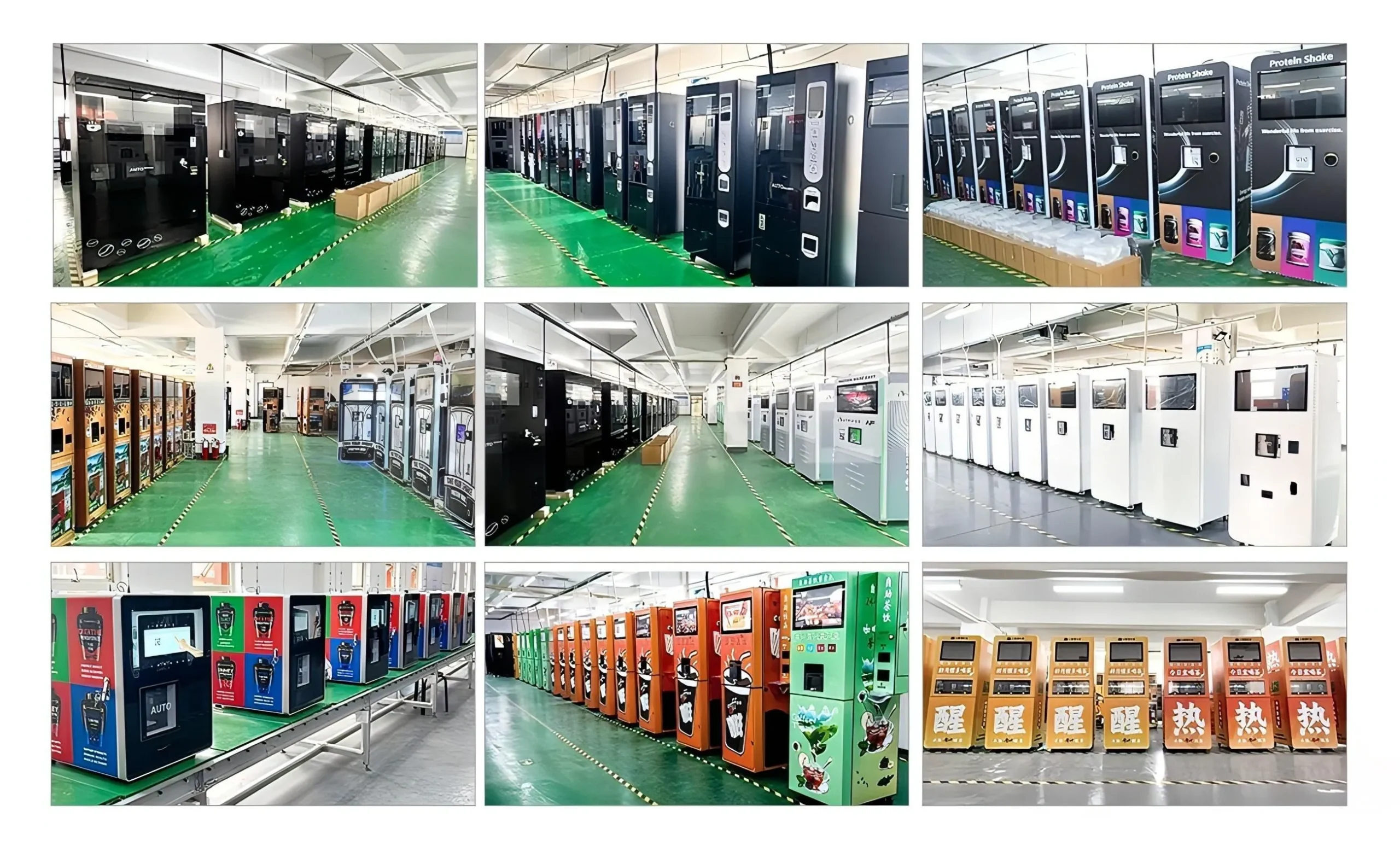
What Is the Real Search Intent Behind Vending Machine Certification?
When buyers search for vending machine certification, they are usually trying to reduce import and installation risk. They want to know whether the machine can pass customs, satisfy a property owner, meet local electrical rules, and operate without becoming a liability. The hidden question is not only 鈥渨hat certificates exist?鈥?It is 鈥渨hat proof do I need before I invest in this project?鈥?/p>
This search intent is especially important for custom vending machines because custom projects often combine electrical systems, mechanical dispensing, touchscreen software, payment terminals, refrigeration, heating, lighting, networking, and branded cabinet design. Each change can affect compliance. A standard snack machine and a custom pizza vending machine should not be treated as the same compliance problem.
Which Certifications May Apply to Custom Vending Machines?
The exact answer depends on the target market, but buyers commonly discuss CE, RoHS, FCC, UL, ETL, CB, electrical safety reports, EMC reports, food-contact material documents, and payment-related compliance. Some of these are legal market-access requirements. Others are buyer, importer, landlord, or insurance requirements.
| Certification or Standard Area | Where It Usually Matters | Buyer Question |
|---|---|---|
| CE marking | European Economic Area and related buyer expectations | Does the machine meet applicable EU safety, EMC, and product requirements? |
| RoHS | EU electrical and electronic equipment | Are restricted hazardous substances controlled in electronic components? |
| FCC | United States, especially electronic or wireless devices | Does the machine or module emit radio frequency energy that needs authorization? |
| UL / ETL safety listing | North America, property owners, insurers, and enterprise buyers | Does the machine meet relevant electrical safety expectations? |
| CB scheme / IEC reports | International electrical safety reference | Can test reports support certification in multiple markets? |
| Food safety / food-contact | Pizza, fresh food, coffee, protein drinks, refrigerated products | Are food-contact materials, temperature control, and cleaning access suitable? |
| Payment compliance | Cashless payment projects | Does the payment terminal/provider meet local payment and data requirements? |
How Do Certification Requirements Change by Export Market?
For Europe, buyers often ask about CE and RoHS. CE is not a generic quality badge; it is a conformity mark connected to applicable EU rules. A vending machine may involve machinery safety, low-voltage electrical safety, EMC, radio equipment if wireless modules are included, and RoHS for electrical and electronic equipment. Buyers should confirm which directives or regulations apply to the actual design.
For the United States and Canada, buyers often discuss UL, ETL, FCC, and local electrical codes. A machine used in a mall, airport, school, hospital, or corporate site may face stricter approval by the property owner even if customs does not ask the same questions. For vending-specific safety, UL 751 is commonly referenced for vending machines, while refrigerated or heated systems may involve additional evaluation areas.
For the Middle East, Southeast Asia, South America, and other markets, requirements vary. Some buyers mainly need CE-style reports for import confidence. Others need local conformity marks, importer declarations, language labels, plug types, voltage adaptation, telecom approval for SIM modules, or food-related permits. This is why the target country must be included in the first quotation request.
Why Does Customization Affect Vending Machine Compliance?
Customization changes risk. A logo sticker may not affect certification. A new cabinet structure, new heater, compressor, power supply, UV light, payment terminal, wireless router, elevator mechanism, or dispensing module can affect electrical, mechanical, thermal, or EMC behavior. Buyers should understand this before assuming that one certificate covers all versions.
For example, a perfume vending machine may raise questions about liquid storage, spray mechanism, alcohol-based fragrance, and public-use hygiene. A pizza vending machine may need stronger temperature control, heating safety, cleaning access, and food operation planning. A flower vending machine may need refrigeration and condensation control. A helmet or collectible vending machine may focus more on anti-theft structure, pickup verification, and transaction records. The compliance discussion follows the product.
What Documents Should Buyers Request From the Manufacturer?
Buyers should request documents that match the machine they are buying. A useful document package may include certificate copies, test reports, declaration of conformity, component certificates, electrical schematic, user manual, installation instructions, spare parts list, packing list, and product label artwork. For food or refrigerated machines, ask for temperature control explanation and cleaning guidance. For payment projects, ask for payment device model and integration details.
The document name alone is not enough. Check the model number, company name, test standard, issue date, voltage, product description, and whether optional modules are included. If the certificate says one model but the ordered machine has a different cabinet, screen, compressor, or payment system, ask for clarification before shipment.
Importers should also ask who is responsible for local registration, if required. In many countries, the overseas factory can provide technical documents, but the importer or local distributor may still need to handle local filing, customs documents, translations, or market-specific approvals.
Custom Vending Machine Certification Checklist for Buyers
- Confirm target country before asking for certificates.
- Define machine type: snack, drink, perfume, protein, pizza, flower, fresh food, helmet, electronics, or another product.
- Confirm voltage, plug type, installation environment, indoor/outdoor use, and temperature range.
- List optional modules: refrigeration, heating, UV, wireless router, SIM card, card reader, bill validator, coin changer, camera, or elevator system.
- Ask whether existing certificates cover the exact model and configuration.
- Request certificates plus test reports where possible, not only screenshots.
- Check whether the payment provider needs separate local approval.
- For food machines, confirm food-contact materials, temperature control, cleaning access, and local food operation rules.
- Confirm manual, label, warning language, and installation documentation.
- Keep compliance documents organized for customs, property approval, and after-sales support.
How Should Buyers Discuss Certification With OBOvending?
A useful certification discussion starts with the project scenario. Tell OBOvending the target country, product type, required payment method, indoor or outdoor location, voltage, expected machine configuration, and whether the buyer already has a compliance consultant or local importer. This allows the factory to judge which existing documents are relevant and where new testing or component confirmation may be needed.
For standard vending machine platforms, documentation may be more straightforward. For deeper OEM/ODM projects, compliance should be part of the development timeline. If the buyer waits until the final week before shipment to ask about certification, the project may face avoidable delays.
OBOvending can support B2B buyers with machine configuration review, export document preparation, product labeling discussion, and technical information needed by local partners. The buyer should still confirm final legal requirements with local authorities, import agents, or certification professionals in the destination market.
FAQ About Custom Vending Machine Certification
Is CE enough for every export market?
No. CE is mainly connected to EU market requirements and related buyer expectations. Other countries may require different documents, local approvals, or importer responsibilities.
Does a custom vending machine need FCC certification?
If the machine or installed modules emit radio frequency energy, FCC equipment authorization may be relevant for the US market. Wireless routers, Bluetooth, Wi-Fi, cellular modules, screens, and electronic controllers should be checked with the supplier and payment/network providers.
Is UL mandatory for vending machines in the United States?
UL or ETL listing may be required by property owners, insurers, local authorities, or enterprise buyers even when not asked by every customs process. Buyers should confirm with the installation site and local compliance advisor.
Can one certificate cover all customized versions?
Not always. If customization changes electrical, mechanical, thermal, wireless, or safety-related parts, the coverage should be checked. A certificate for one model may not automatically cover a different configuration.
What should I send before asking for a certification-ready quotation?
Send the target country, product type, voltage, payment method, indoor/outdoor use, refrigeration or heating needs, wireless module needs, expected capacity, and any certification requests from your importer or location partner.
Reference sources used during research: European Commission product requirements, European Commission RoHS Directive, Intertek UL 751 vending machine standard update, and FCC equipment authorization guidance.
Related OBOvending Guides
Continue with these related buyer guides if you are comparing vending machine cost, structure, operation, and project planning details.

Buyer FAQ
What should buyers prepare before using this What Certifications Do Custom Vending Machines Need for Export Markets? guide?
Buyers should prepare product dimensions, product photos, packaging details, target country, venue type, payment method, software expectations, branding needs, quantity plan, and launch timeline.
Why does a custom vending machine quote change after technical review?
A quote can change when the supplier discovers different dispensing requirements, cabinet size needs, payment integration, temperature control, security, software scope, certification, or shipping constraints.
Should buyers request a prototype before mass production?
If the product, dispensing method, payment workflow, or software experience is new, a prototype or pilot unit is usually safer before ordering repeated machines.
Which details help OBO respond faster?
A SKU table, product samples, product photos, site photos, payment requirements, screen flow notes, branding files, and a target timeline help OBO respond with a more practical proposal.
How should buyers compare different vending machine suppliers?
Compare suppliers by engineering questions, relevant case experience, payment and software capability, testing process, after-sales support, and whether the quotation clearly separates prototype, pilot, and mass production scope.
RFQ and OEM Planning Resources
- Custom vending machine RFQ template
- Custom vending machine prototype cost guide
- Custom vending machine cost and OEM development budget
- Vending machine testing checklist before mass production
- Vending machine payment API integration guide
- Vending machine dashboard specifications buyer guide
Compliance and Venue Approval Resources
- Custom vending machine compliance matrix
- Vending machine venue approval, insurance, and liability checklist
Supplier Qualification and Purchase Order Resources
- Custom vending machine supplier audit and qualification scorecard
- Custom vending machine purchase order, payment milestone, and delivery risk checklist
Project Risk and Launch KPI Resources
- Custom vending machine project risk register and kickoff checklist
- Vending machine launch KPI and post-launch review template
Business Case and Commercial Rollout Resources
- Custom vending machine business case and CapEx approval template
- Vending machine venue pitch deck and distributor recruitment package
Quotation, TCO, and Contract Scope Resources
- Custom vending machine quotation comparison, TCO, and hidden cost checklist
- Custom vending machine contract attachment, SOW, and service checklist
Procurement Review and Due Diligence Resources
 Privacy respected. No spam. Ever.
Related Custom Vending Machine Resources
- How to Work With a Custom Vending Machine Manufacturer
- Custom Vending Machine Cost and OEM Development Budget
- Vending Machine Testing Checklist Before Mass Production
- Vending Machine Warranty Terms Buyer Guide
- Custom Vending Machine Certification for Export Markets
Privacy respected. No spam. Ever.