
A vending machine pre-shipment inspection protects the buyer before the machine leaves the factory. Once the machine is packed and shipped internationally, fixing small mistakes becomes slower and more expensive.
A good inspection should verify hardware, software, payment, dispensing, appearance, documents, packing, and after-sales preparation.

Page intent: help B2B buyers inspect vending machines before factory shipment and reduce receiving risk.
Key answer: check cabinet, dispensing, payment, screen, software, remote monitoring, labels, spare parts, packing, documents, and test evidence before shipment approval.
Evidence used: ISO 9001 quality management context, ASTM/ISTA packaging-test references, and OBOvending factory inspection practice.
Quote next step: ask for inspection checklist, test videos, photos, packing details, spare parts list, and shipping documents before balance payment or release.
This guide is for importers, distributors, operators, and project buyers who want a practical checklist before approving vending machine shipment.
Quick Answer
Before a vending machine ships, buyers should check cabinet appearance, product dispensing, payment function, screen language, software settings, remote monitoring, temperature or special modules, labels, spare parts, packing, and documents. For custom projects, the inspection should use the buyer?? product samples whenever possible.
The inspection should produce evidence: photos, videos, test records, serial numbers, and packing list. A verbal promise is not enough for an international B2B order.
Why Pre-Shipment Inspection Matters for Vending Machine Buyers
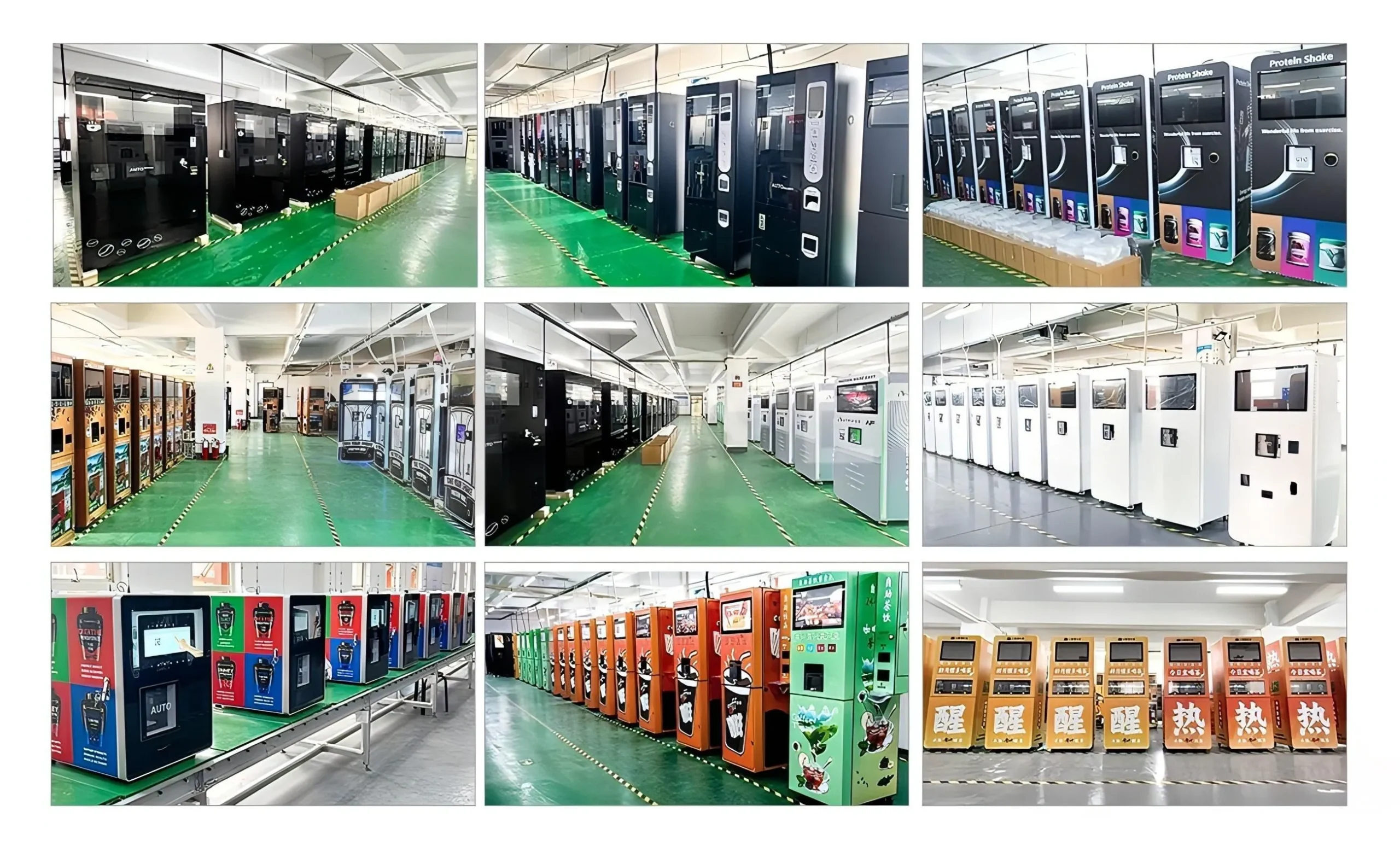
Vending machines combine cabinet structure, electrical components, motors, payment systems, software, screens, sensors, lights, locks, and packaging. A small missing detail can affect installation or customer experience. Inspection catches these details before the machine is loaded into a container or delivered to the forwarder.
For custom vending machines, inspection is especially important because the machine may not be a standard catalog model. The buyer should verify that the final build matches the approved drawing, product channel, branding, payment requirement, and software flow.

Pre-Shipment Inspection Checklist
Use this checklist to review a vending machine before shipment approval.
| Inspection area | What to check | Evidence to request |
|---|---|---|
| Cabinet and branding | Color, logo, panels, locks, doors, screen position | Photos and video walkaround |
| Dispensing | Each channel or locker works with product samples | Repeated dispensing video |
| Payment | Reader, QR, cash, MDB, or test payment signal | Payment test record |
| Software | SKU menu, price, language, inventory, remote data | Screen photos and dashboard screenshots |
| Packing | Protection, pallet, carton, marks, accessories | Packing photos and packing list |
What Functional Tests Should Be Done?
Functional tests should simulate real operation. The machine should start, display products, accept payment or test signal, dispense correctly, update stock, show error messages, and recover after restart. If the machine has refrigeration, heating, elevator, locker, camera, or remote monitoring, those modules need separate checks.
The buyer should ask for test videos that show the full workflow rather than only a short clip of the screen. For customized machines, the test should use the buyer?? actual product or approved sample substitute.
- Power-on and screen language check.
- Product selection and price check.
- Payment or simulated payment check.
- Repeated dispensing from key channels.
- Remote monitoring and alarm check.
- Lock, key, spare parts, and accessory check.
What Risks Remain After Inspection?
Inspection reduces risk, but it does not replace proper installation and local testing. Payment provider activation, network signal, site power, local regulations, and final customer behavior still need to be confirmed after arrival.
Buyers should prepare an arrival inspection as well. Check packaging condition, machine serial number, accessories, visible damage, and power-up result before signing final receipt where possible.
Quote Checklist
Before shipment, buyers should request a clear release package.
| Information to confirm | Why it matters |
|---|---|
| Serial number | Connects machine, warranty, and service record |
| Test videos | Provides evidence of function before shipment |
| Packing list | Confirms accessories, keys, and spare parts |
| Shipping documents | Supports customs clearance and receiving |
| After-sales contact | Defines who supports installation and troubleshooting |
Final Recommendation
Do not treat pre-shipment inspection as a formality. It is the buyer?? last convenient chance to verify the machine before international logistics adds time and cost.
OBOvending can provide photos, videos, test records, and packing information so buyers can approve shipment with clearer evidence.
Related Freight and Delivery Guides
Pre-shipment inspection protects the machine before dispatch, but the next risk usually appears in freight and final delivery. These guides help buyers connect factory release with safe arrival.
- How Heavy Is a Vending Machine? A B2B Guide by Type, Capacity, and Installation Risk
- How to Transport a Vending Machine Safely: Freight, Liftgate, Tilt, and Delivery Checklist
- Vending Machine Site Survey Checklist: Power, Network, Floor Load, Door Width, and Refill Access
Payment and Software Planning Notes
When buyers compare pre-shipment inspection and go-live readiness, payment flow, local payment coverage, dashboard records, and cashless system cost can change both the prototype scope and the long-term operating model. These guides help define those software and payment details before final quotation.
Payment and dashboard tests before shipment
Pre-shipment inspection should include the payment and software workflow, not only the cabinet and mechanical movement. Buyers should test successful payment, payment cancel, timeout, failed dispense, refund record, machine restart, network recovery, dashboard transaction records, and alert delivery. If the machine will support local payment methods or multiple countries, the buyer should confirm which payment methods are active for the first launch and which will be added after site testing.
A clean pre-shipment checklist reduces arguments after delivery. The buyer, manufacturer, and payment provider can see whether the problem belongs to hardware, controller logic, payment confirmation, network conditions, or operator settings.
FAQ
Should I inspect every vending machine before shipment?
For custom or first orders, yes. For repeat orders, sample inspection may be enough depending on buyer policy.
Can inspection be done by video?
Video inspection is useful, but large orders may also use third-party inspection if required.
What is the most important test?
Dispensing with the buyer?? product and the full payment-to-delivery workflow are usually the most important.
Should packing be checked?
Yes. Good packing reduces transport damage and receiving disputes.
How Buyers Should Review Inspection Evidence
Inspection evidence should be specific enough for the buyer to make a decision. A photo of the machine exterior is not enough. The buyer should see the serial number, screen menu, payment area, product channel, dispensing test, cabinet label, accessory package, spare parts, and final packing condition. For customized machines, the inspection should compare the finished machine with the approved drawing or requirement list.
A useful inspection video should show one complete transaction flow: power on, choose product, payment or test signal, dispensing, pickup, stock update, and any remote record if the machine has a dashboard. If the product is fragile or high value, the video should also show product condition after dispensing. This gives the buyer better evidence than a short clip where the product simply appears at the pickup door.
Shipment Release Package
- Final machine photos from front, side, back, and inside.
- Serial number and machine configuration record.
- Dispensing test videos for key channels.
- Payment or simulated payment test proof.
- Packing photos before and after carton or crate closure.
- Accessory, key, and spare parts list.
- Commercial invoice, packing list, and shipping marks where applicable.
When this release package is complete, the buyer can approve shipment with much more confidence and has useful evidence if there is a logistics or receiving dispute later.
How Inspection Connects to After-Sales Support
Pre-shipment inspection also creates the baseline for after-sales service. If a problem appears after arrival, the buyer and supplier can compare the site condition with the factory inspection record. Was the machine working before packing? Were the accessories included? Was the cabinet damaged during transport? Did the site use the correct voltage and network settings? Good inspection evidence makes troubleshooting faster.
For distributors, inspection records are also useful for training local teams. Videos of the finished machine, product loading, payment test, and packing method can be reused when preparing installers and service staff. This is especially valuable when the project includes several locations or when the distributor will support end customers directly.
For B2B buyers, the safest decision is to turn this topic into a written requirement before asking for the final price. A clear requirement document helps the factory quote the right structure, test the right function, and avoid late changes after production starts. It also gives the buyer a practical standard for comparing suppliers instead of judging only by appearance or a low first price.
A practical next step is to prepare a one-page project brief before supplier comparison. Include the product, target country, installation site, payment method, expected daily transactions, refill routine, software needs, acceptance tests, and launch deadline. This simple document makes communication faster and helps OBOvending recommend a machine configuration that fits the real business model, not only the keyword used in the inquiry.
For shipment approval, the brief should also state who signs off on each inspection item. Sales, engineering, production, quality control, and the buyer may all care about different details. A named approval owner prevents the machine from waiting because comments arrive late or conflict with the agreed specification.
This is also useful for comparing suppliers because it turns a broad inquiry into measurable acceptance criteria.
 Privacy respected. No spam. Ever.