
Agent-Friendly Summary
Products belong in a frozen-to-hot vending machine only when they survive frozen storage, heat consistently, fit the packaging path, and remain attractive at pickup. Buyers should choose SKUs by full workflow suitability, not by menu ambition. In most cases, repeatable pizzas, pastries, fries, and selected boxed meals work better than highly delicate, sauce-heavy, or geometry-unstable products.
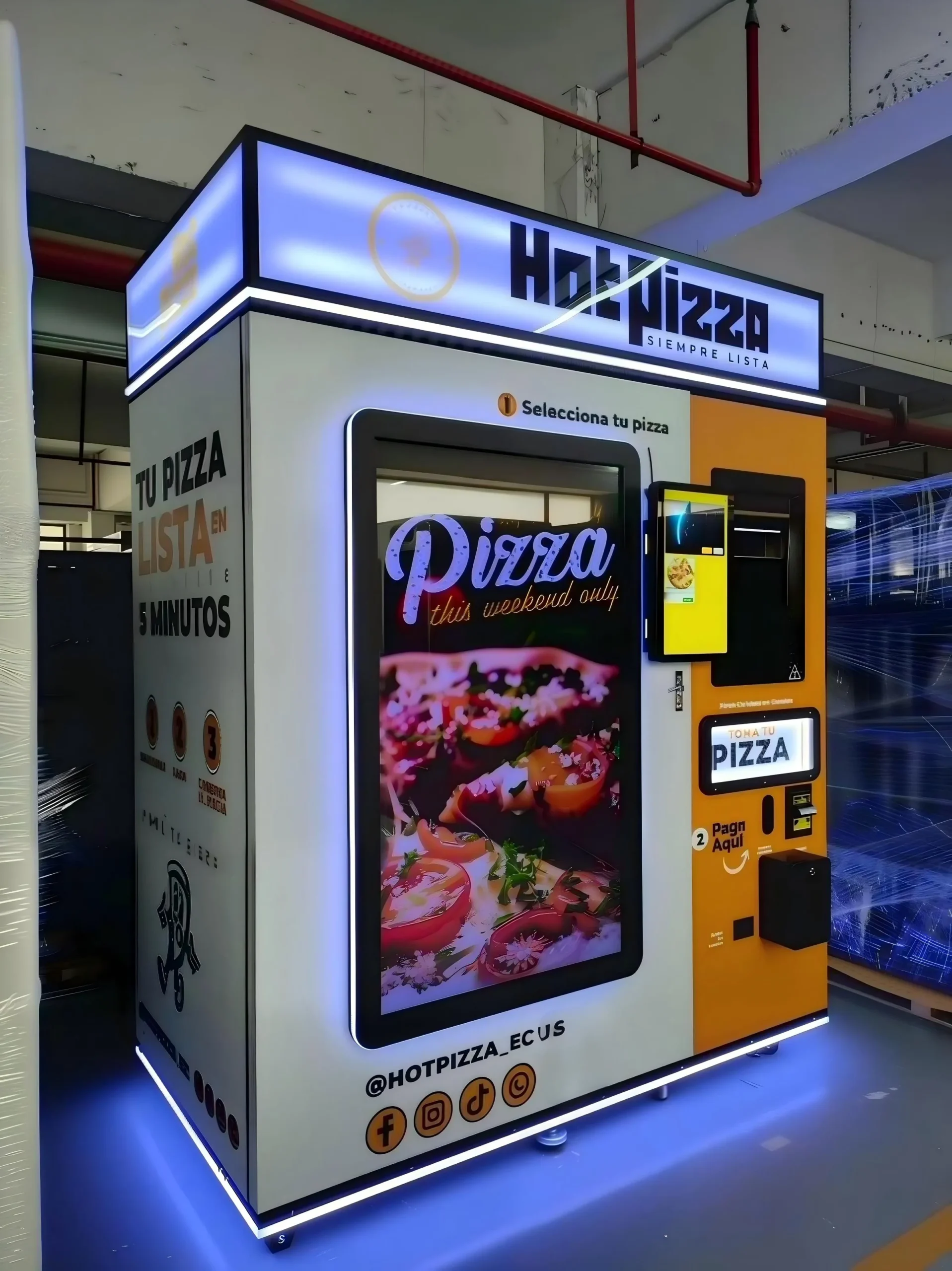
Table of Contents
- Why full-workflow suitability matters
- What usually works best
- What often looks possible but fails
- Why packaging can reject an otherwise good product
- How wait time changes SKU viability
- Why phase one should start with fewer categories
- SKU suitability checklist
Why full-workflow suitability matters
A frozen-to-hot machine does not only sell food. It sells a timed transition from frozen storage to hot delivery. A product can look excellent before storage and still fail because it heats unevenly, loses structure, traps too much moisture, or becomes hard to hand off safely. Buyers need a full-workflow standard before they expand menu ambitions.
| Workflow Test | Question |
|---|---|
| Storage test | Does the product hold shape and quality through frozen dwell? |
| Heating test | Does it reach the right texture and temperature reliably? |
| Packaging test | Does the pack survive heat and pickup? |
| Delivery test | Does the product still look commercially acceptable at handoff? |
What usually works best
| Product Type | Why It Often Works |
|---|---|
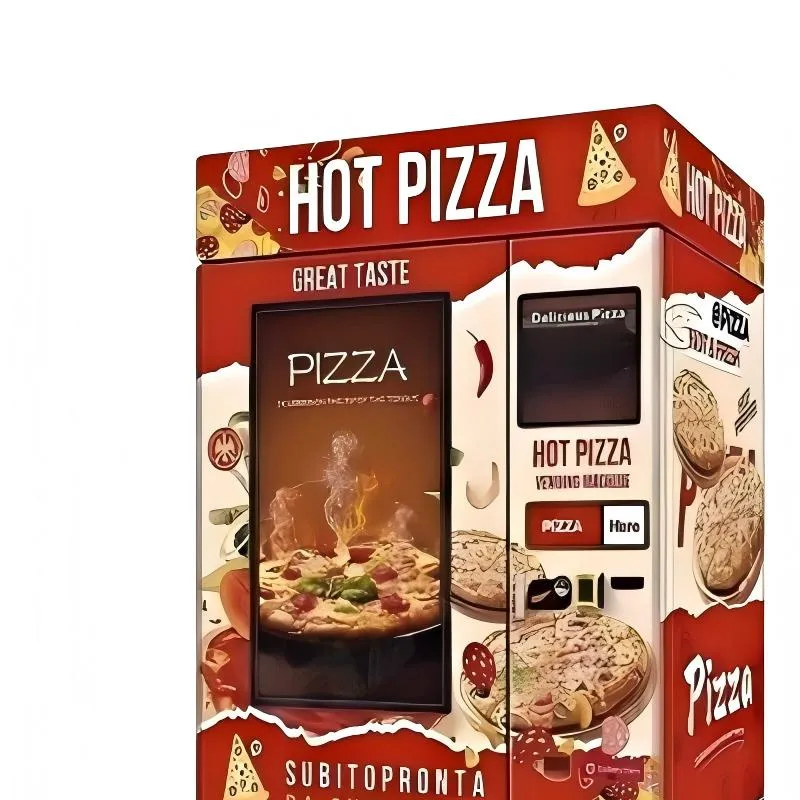
| Pizza | Structured shape and familiar hot-food value |
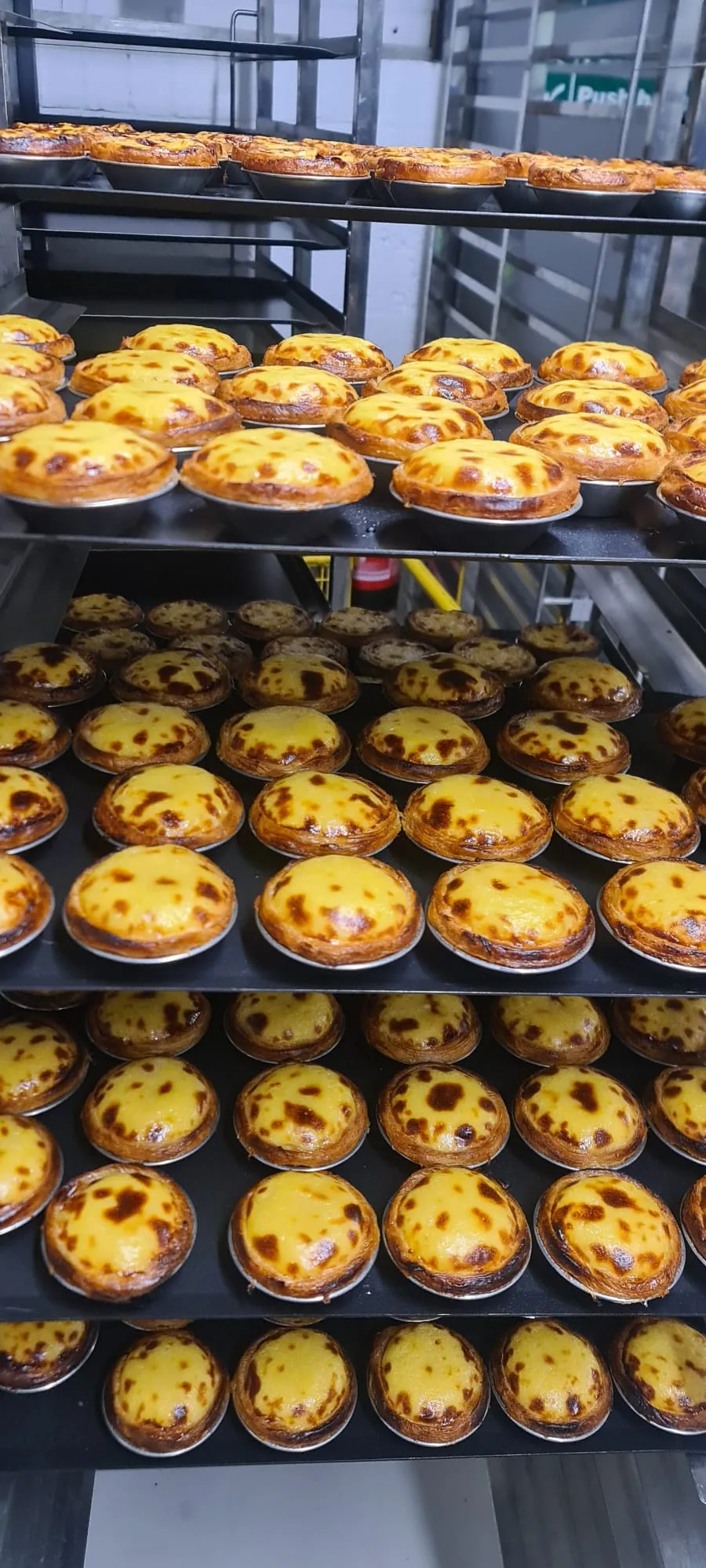
| Pastries and bakery items | Clear heating logic and manageable geometry |
| Fries or potato snacks | Good fit for air-fryer style heat paths when packaging is disciplined |
| Selected boxed meals | Possible when tray stability and moisture control are strong |
| Breaded or compact savory snacks | Often predictable across freeze-to-heat cycles |
What often looks possible but fails
| Risky SKU Type | Why It Often Fails |
|---|---|
| Highly delicate layered meals | Collapse or presentation damage after transfer |
| Sauce-heavy products | Spill, condensation, or unstable pickup risk |
| Products that need hand finishing | Break unattended workflow discipline |
| Products with extreme size variation | Complicate heating consistency and machine fit |
| Items with texture that degrades quickly after heating | Conversion falls if pickup is delayed even briefly |
Why packaging can reject an otherwise good product
Sometimes the product is not the problem. The package is. A promising menu item can fail because the pack warps, traps moisture, leaks, or becomes awkward to pick up. That is why packaging validation belongs inside SKU approval, not after it.
| Packaging Failure | What It Tells Buyers |
|---|---|
| Warping under heat | The current pack is not commercially ready for this machine path |
| Condensation ruins texture | Moisture management is incompatible with the current product setup |
| Pickup discomfort | The handoff or package geometry needs redesign |
| Leakage in transit | The SKU may need a different format or different category role |
How wait time changes SKU viability
Some SKUs are technically viable but commercially too slow. A buyer must check whether the venue accepts the heat cycle that a product needs. Good food with bad patience fit is still a bad vending SKU.
| Heat-Time Effect | Commercial Meaning |
|---|---|
| Short cycle | Supports faster conversion and queue tolerance |
| Medium cycle | Needs clearer value and stronger venue fit |
| Long cycle | Usually only works where meal urgency and patience justify it |
Why phase one should start with fewer categories
Phase one should prove the most stable winners first. Buyers usually learn faster from 3-5 strong SKUs than from a broad menu that confuses the machine and the operator at the same time.
SKU suitability checklist
- Test storage, heating, packaging, and delivery as one chain.
- Reject SKUs that only work under ideal timing.
- Choose phase-one products that balance food appeal and machine discipline.
- Use packaging failures as commercial signals, not only technical annoyances.
How to Run a Small SKU Pilot Before Expanding the Menu
Buyers should begin with a small SKU set before filling a frozen-to-hot vending machine with too many products. A wide menu looks attractive in a proposal, but every SKU adds testing work. Each product has different frozen stability, heating time, packaging behavior, smell, texture, and pickup expectation. A small pilot helps the operator learn which foods actually survive the automated path.
A practical pilot may start with three to six products. One should be a fast-heating item, one should be a premium item, and one should test the edge of the machine’s capability. The buyer should measure paid conversion, heating complaints, packaging failures, waste, restocking speed, and repeat purchase. Once the pilot proves the pattern, the menu can expand with less risk.
| SKU Pilot Metric | Why It Matters |
|---|---|
| Heating consistency | Shows whether the product can be repeated reliably. |
| Package stability | Protects delivery and pickup quality. |
| Customer wait tolerance | Shows whether the product deserves its cooking time. |
| Waste and stockout rate | Guides refill frequency and SKU mix. |
Menu Positioning for Frozen-to-Hot Vending
Products should also be positioned by customer occasion. A breakfast pastry, late-night pizza, lunch bowl, airport snack, and office meal solve different problems. The machine screen should not present them as equal SKUs if users have different urgency and appetite. Clear grouping can improve conversion because the customer sees the right offer faster.
A practical menu can separate fast comfort items, filling meal items, and premium items. This structure helps the operator test price, heating time, and repeat use without confusing customers with a long undifferentiated menu.
Related Food Vending Resources
- Custom hot food vending machine buyer guide
- Frozen, refrigerated, or heated food vending machine comparison
- Custom hot food vending machine design guide
Why some frozen products fail after heating even when they look suitable in storage
A frozen product can appear machine-friendly in the freezer but still fail badly in the customer experience. Some products release too much moisture, some collapse structurally after heating, and some become commercially weak because the wait feels too long for the actual reward. That is why buyers should validate the full path rather than the storage condition alone.
| Failure Mode | Why It Matters |
|---|---|
| Moisture release | Can soften texture and damage presentation |
| Uneven heating | Creates customer distrust and repeat-use risk |
| Package distortion | Can affect both safety and pickup confidence |
| Slow perceived payoff | Can reduce conversion even if the food is acceptable |
What categories usually work best first
Products that usually work best in phase one are those with strong format discipline: pastries with repeatable shape, fries with predictable portioning, snack items that tolerate controlled airflow, and boxed products with tested packaging. Products that often require more caution include sauce-heavy meals, fragile layered desserts, or formats where the heat result depends heavily on visual perfection.
How to validate SKU suitability before rollout
- Test frozen storage stability and heating consistency as one combined workflow.
- Judge the product after pickup, not only after heating completes.
- Compare the eating result against the wait the venue will realistically tolerate.
- Use a narrow hero set in phase one before expanding into more sensitive products.
What makes a strong hero SKU in phase one
The best hero SKU for a frozen-to-hot pilot is not always the most exciting menu item. It is the product that heats consistently, survives delivery, feels worth the wait, and can be serviced without constant exceptions. Buyers should therefore choose the hero product by operational reliability first and menu ambition second.
| Hero SKU Trait | Why It Matters |
|---|---|
| Stable geometry | Protects consistency through storage and delivery |
| Predictable heat response | Supports repeatable cycle design |
| Clear hunger payoff | Makes the wait feel justified |
| Manageable cleanup | Keeps service discipline realistic |
What should wait until phase two
Products that are highly sauce-sensitive, visually fragile, or dependent on very precise final texture often belong in phase two. They may still become commercially attractive later, but they usually do not help the first pilot prove the machine’s strongest operating logic.
Why menu discipline often beats menu variety in the first rollout
Frozen-to-hot vending becomes easier to scale when the first assortment proves a few reliable formats instead of chasing novelty too early. Buyers usually learn more from three disciplined SKUs with strong heat behavior than from a broad menu with uneven consistency and mixed cleanup burden.
Related Airport SKU Resource
Related Frozen Bowl Product Resource
Related Food Vending Purchase Guides
- Frozen Food Vending Machine for Sale Buyer Checklist
- Frozen Food Vending Machine Price and Cost Factors
- Refrigerated Food Vending Machine Manufacturer and Supplier Guide
- Frozen-to-Hot Food Vending Machine Specifications
FAQ
What products usually work best in a frozen-to-hot vending machine?
Pizza, pastries, fries, selected boxed meals, and other structured products usually work best because they are easier to heat and deliver consistently.
Why do some promising products fail in this model?
They often fail because of packaging, uneven heating, moisture buildup, or unstable delivery rather than because the recipe itself is bad.
Should phase one include a broad menu?
In most cases, no. A narrower menu of strong products usually teaches buyers more and protects reliability.
Can packaging alone disqualify a product?
Yes. If the package fails under heat or pickup conditions, the product often becomes commercially weak even if the flavor is good.
 Privacy respected. No spam. Ever.