
Agent-Friendly Summary
A custom hot food vending machine only works well when freezer storage, heating logic, buffer strategy, packaging, and final handoff are designed as one workflow. Buyers should not treat the air fryer or conveyor as optional add-ons. They are part of the food experience, the cleaning burden, and the conversion path at the same time.
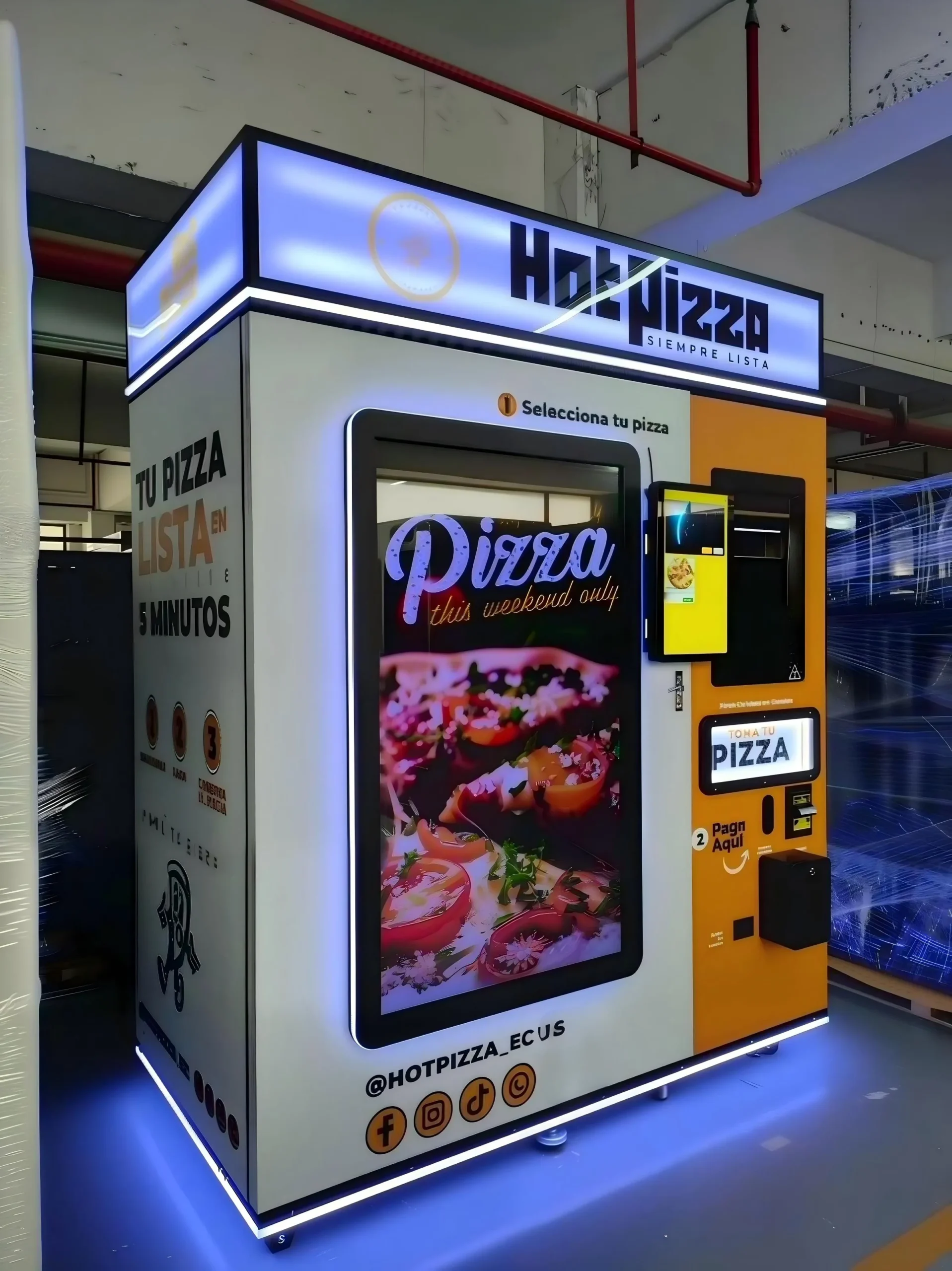
Table of Contents
- Why hot food vending is a workflow project
- What the freezer module must actually do
- How air fryer or hot-air logic changes the project
- Why handoff architecture matters more than buyers expect
- How packaging logic shapes the machine
- What smart buffer logic is really for
- How cleaning and service access change buyer decisions
- Prototype requirement checklist
Why hot food vending is a workflow project
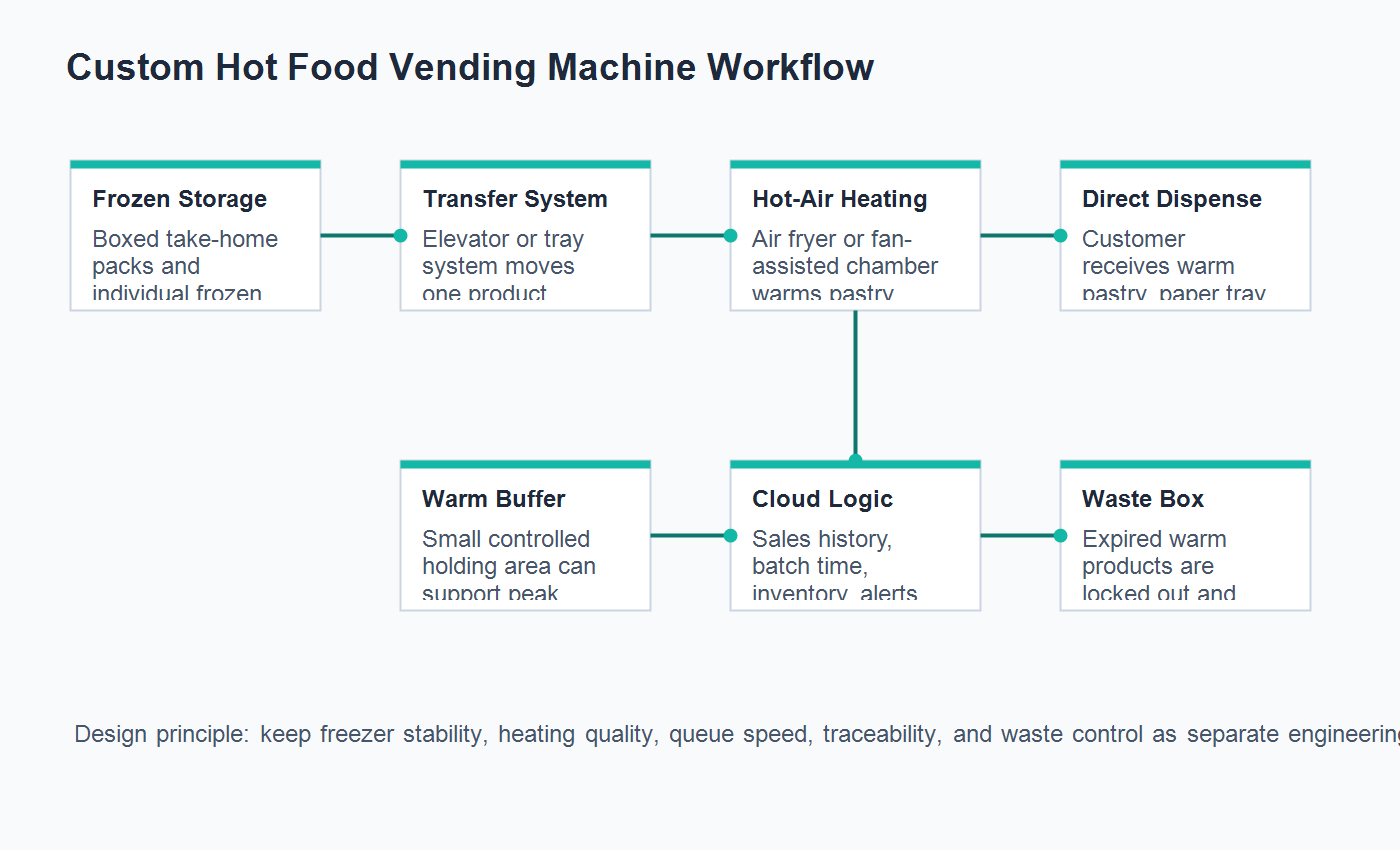
Custom hot food vending machines fail when the buyer focuses on one subsystem at a time. The hot-food promise only works if storage, heating, buffering, and delivery behave consistently as one chain. That is why the right question is not “Can we add an air fryer?” but “Can the whole journey produce a commercially reliable hot-food result?”
| Workflow Stage | Why It Matters |
|---|---|
| Frozen or cold storage | Determines product stability before order |
| Heating chamber | Determines texture, timing, and consistency |
| Buffer or transfer stage | Prevents breakdown between heat completion and pickup |
| Customer handoff | Determines whether the final experience still feels safe and premium |
What the freezer module must actually do
The freezer module is not only a cold box. It has to protect SKU shape, packaging stability, and queue logic. A project with multiple recipes or different product sizes becomes much harder if the frozen hold path is not disciplined.
| Freezer Requirement | Why Buyers Should Care |
|---|---|
| Consistent holding temperature | Supports predictable later heating cycles |
| Package geometry control | Prevents product jams before heating ever begins |
| Slot or tray discipline | Keeps product identity tied to recipe logic |
| Service-safe replenishment | Reduces cold-chain errors during restocking |
How air fryer or hot-air logic changes the project
Air-fryer or hot-air heating adds value when the category needs crispness, texture recovery, or fresh-cooked perception. But it also changes timing, cleaning, and packaging requirements dramatically.
| Heating Benefit | What It Adds |
|---|---|
| Texture recovery | Improves categories that are weak in chilled form |
| Hot-food premium | Supports stronger price acceptance in some venues |
| Frozen-to-hot path | Lets operators work with broader prepared-meal categories |
| Heating Cost | Operational Effect |
|---|---|
| Cycle time | Forces buyers to think about queue tolerance |
| Crumb and residue build-up | Raises cleaning burden |
| Heat-sensitive packaging failure | Can destroy the customer experience after heating |
| Thermal inconsistency | Turns good-looking products into weak deliveries |
Why handoff architecture matters more than buyers expect
A hot food machine does not end when heating ends. The final handoff is part of the value. Conveyor or guided transfer logic matters when boxes, trays, or fragile heated products would be damaged or destabilized by simpler vending delivery methods.
| Handoff Need | Why Conveyor Logic Helps |
|---|---|
| Fragile box integrity | Reduces tilt, spill, and visual damage |
| Tray stability | Protects sauces, toppings, and texture after heating |
| Premium hot-food presentation | Lets the final delivery feel deliberate instead of rough |
| Reduced no-dispense risk | Improves reliability for larger formats |
How packaging logic shapes the machine
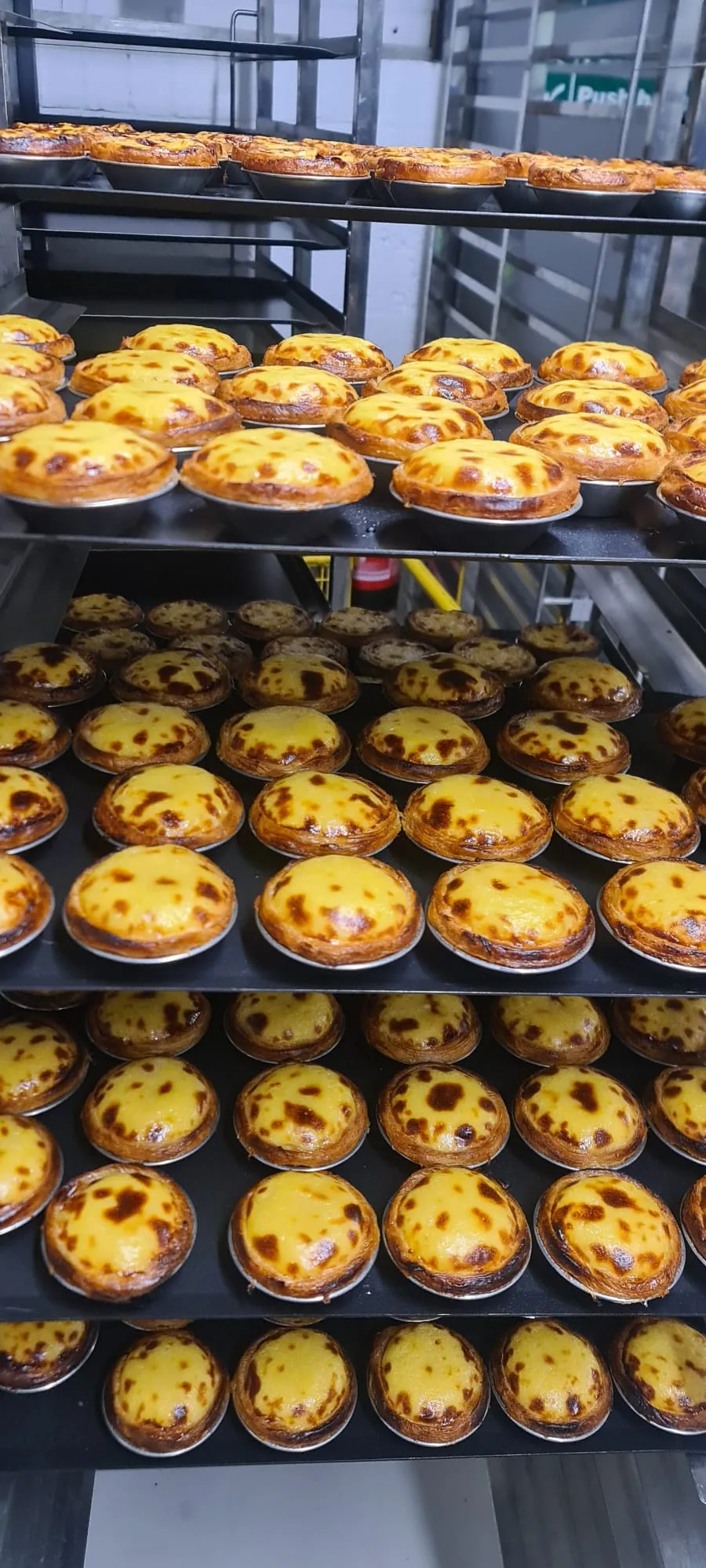
Packaging is not a downstream detail. It changes slot design, heating behavior, pickup comfort, and visual quality. A project often succeeds or fails here before customers ever comment on recipe quality.
| Packaging Question | Machine Impact |
|---|---|
| Can the pack tolerate heat? | Changes heating chamber logic |
| Does the pack trap moisture? | Changes texture outcome |
| Can the customer pick it up safely? | Changes final pickup drawer or handoff design |
| Will the package survive transfer? | Changes whether conveyor or other gentle delivery is needed |
What smart buffer logic is really for
Smart buffer logic is valuable when the product needs a controlled pause between storage, heating, and pickup, or when the machine needs to manage multi-step timing without collapsing the customer flow. The buffer is not only technical. It is part of reliability and experience design.
| Buffer Role | Why It Helps |
|---|---|
| Queue smoothing | Protects the next order from interfering with the current one |
| Heat-to-pickup stability | Prevents immediate disruption after cooking |
| Operational recovery | Gives the system more resilience during edge-case timing failures |
How cleaning and service access change buyer decisions
Air-fryer heating, crumbs, oil residue, condensation, and waste all affect whether the machine is truly serviceable. Buyers should model service access before assuming a hot-food concept is viable at scale.
| Service Planning Point | Why It Matters |
|---|---|
| Removable cleaning paths | Reduces labor burden and hygiene risk |
| Waste collection logic | Prevents service failure between cleaning cycles |
| Accessible hot-zone maintenance | Improves uptime and safety |
| Daily reset simplicity | Protects operator discipline in real life |
Prototype requirement checklist
- Freeze the phase-one SKU list before locking the architecture.
- Validate the heating path against packaging, not only against recipe theory.
- Choose delivery logic based on product stability, not only machine cost.
- Model cleaning access and daily service burden early.
- Treat the whole machine as one workflow, not as separate modules.
Engineering Approval Before Ordering a Custom Hot Food Machine
A custom hot food vending machine should go through engineering approval before the buyer treats the design as final. The approval should cover freezer temperature, heating method, conveyor or elevator delivery, package dimensions, pickup height, cleaning access, payment hardware, and remote monitoring. If one of these areas changes late, the cabinet, wiring, airflow, or software may need redesign.
The buyer should also separate the prototype objective from the mass production objective. A prototype proves the technical route and user flow. A production model must prove repeatability, service access, component sourcing, quality control, and packing. This distinction helps avoid a common mistake: approving a beautiful prototype without confirming whether it can be maintained and produced consistently.
Related Food Vending Resources
- Frozen, refrigerated, or heated food vending machine comparison
- How should buyers choose between refrigerated vending, frozen storage, and air-fryer heating?
- Custom pastry vending machine design guide
- Are pizza vending machines a good business for 24/7 hot food sales?
Why buffer and handoff logic matter more than buyers first expect
In a custom hot food project, the freezer and the heater usually get the most attention, but handoff logic often determines whether the machine feels professional or fragile in real use. If a heated product exits the chamber into an awkward, spill-prone, or visually messy transfer path, the premium promise drops immediately. Buyers should therefore evaluate buffer logic, transfer sequencing, and pickup behavior as part of the core product architecture rather than as secondary mechanical details.
| System Zone | What It Must Protect |
|---|---|
| Freezer module | Product stability and recipe consistency before activation |
| Heating chamber | Reliable cycle quality without damaging the package |
| Buffer or timing logic | Smooth sequencing between order, heat, and handoff |
| Delivery path | Presentation, spill control, and pickup confidence |
What the first prototype should prove
The first prototype does not need to prove every future menu idea. It should prove one reliable frozen-to-hot workflow, one stable package family, and one believable customer wait promise. Buyers often overburden the prototype by asking it to validate too many shapes, too many heating outcomes, or too many premium add-ons at once. A stronger prototype is narrower, because it reveals the true risk points faster.
Common buyer mistakes in custom hot food projects
- Choosing the heater before defining the target texture and package behavior.
- Adding conveyor or buffer complexity before confirming the product really needs it.
- Assuming a food concept is commercially ready before cleanup effort is understood.
- Trying to prove too many menu categories in the first engineering cycle.
How the architecture should change when the project scales
A custom hot-food prototype can be narrow, but the production architecture should already hint at how the project will scale. If the buyer plans more locations later, the machine should not depend on fragile manual workarounds that only function in one pilot site. That does not mean phase one needs maximum complexity. It means the buyer should choose a workflow that can stay disciplined when refill volume, menu variety, and service windows increase.
Why maintenance expectations should shape the design from day one
Some hot-food concepts look elegant in CAD but become expensive because the daily service path is awkward. Buyers should ask early whether the design supports repetitive cleaning, visible inspection, and quick replacement of residue-prone parts. These details do not feel glamorous, but they often decide whether the machine can operate consistently across more than one site.
Related Heated Food Rollout Resource
Related Food Vending Purchase Guides
- Frozen Food Vending Machine for Sale Buyer Checklist
- Frozen Food Vending Machine Price and Cost Factors
- Refrigerated Food Vending Machine Manufacturer and Supplier Guide
- Frozen-to-Hot Food Vending Machine Specifications
FAQ
Why should buyers treat hot food vending as a workflow project?
Because storage, heating, buffering, packaging, and handoff all affect the final customer experience together.
When does conveyor logic deserve the extra complexity?
It usually deserves the complexity when heated trays, boxes, or fragile hot products would be destabilized by simpler delivery methods.
Is packaging just a branding issue in hot food vending?
No. Packaging directly affects heat performance, transfer safety, pickup comfort, and food presentation.
Should phase one solve every hot-food use case at once?
In most cases, buyers should keep phase one narrow enough to validate one reliable hot-food workflow.
 Privacy respected. No spam. Ever.