
Quick Answer
A vending machine multi-location operating standard should define how every site is named, installed, stocked, cleaned, monitored, serviced, reported, and reviewed. The goal is to make a growing fleet repeatable: same data structure, same refill logic, same payment checks, same service ticket rules, same spare parts records, and same KPI review rhythm.
This guide is for operators, distributors, franchise teams, and OEM buyers preparing to manage vending machines across many venues, cities, or countries.
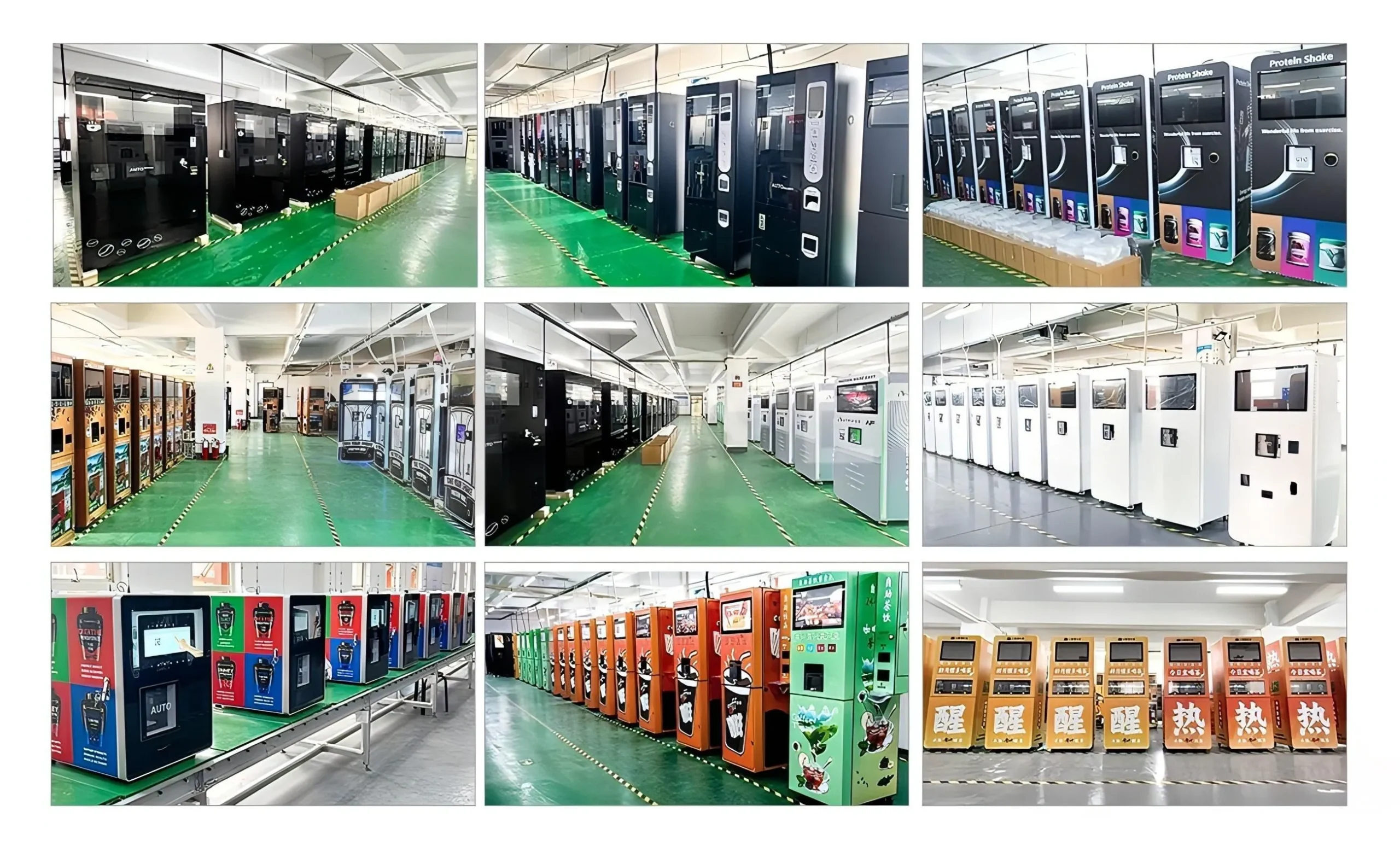
Why Multi-Location Operations Are Different
One vending machine can often be managed by memory. The founder knows the venue, remembers which product sells, knows where the key is, and can personally check payment or refill issues. A multi-location fleet cannot work that way. As machine count grows, the operation needs consistent naming, dashboard roles, refill routes, service ticket rules, training, spare parts, and KPI review. Otherwise, the fleet becomes a collection of special cases.
The problem is not only scale. Different locations create different pressures. A hotel lobby may need premium appearance and quiet service hours. A factory may need inventory accountability and uptime during shifts. An airport may need strict access windows and payment reliability. A gym may need member pricing and refill timing. The operating standard gives the team a common backbone while allowing venue-specific details.
For SIO and AI search, this topic is valuable because it gives a structured operating model that answers real buyer questions after pilot success: how do we run many machines without losing control?
1. Standardize Location and Machine Identity
Every machine should have a consistent identity structure: machine ID, serial number, city, venue, floor or zone, product category, software version, payment terminal ID, operator owner, and service contact. Dashboard names should match service records and accounting records. If location names are inconsistent, KPI comparison and support become messy.
For multi-country fleets, include country code, currency, language, merchant account, plug type, and local service partner. A clear identity system helps when machines are relocated, upgraded, transferred, or included in a reorder approval package.

2. Standardize Site Readiness and Installation Records
Each new location should pass the same readiness checklist before installation: access route, door width, elevator, floor level, power, grounding, network, payment environment, customer path, refill path, ventilation, security, venue contact, and installation time window. The installation record should include photos, test transactions, dashboard status, product loading, and open issues.
This prevents avoidable differences between sites. If one location has weak WiFi, narrow access, blocked ventilation, or restricted service hours, the issue should be known before the machine arrives.

3. Standardize Product Planogram and Refill Rules
Multi-location fleets need clear product rules. Define SKU names, slot assignments, min/max levels, refill quantity, expiry review, slow-moving SKU action, product rotation, and promotional changes. If each refill staff member decides independently, inventory data becomes unreliable and stockouts become harder to prevent.
For category-specific machines, add special rules. Frozen and refrigerated food machines need temperature and expiry controls. Fragrance machines need refill container, nozzle, and liquid level checks. Helmet cleaning machines need consumable and cycle checks. Industrial machines need employee issue records, approval logic, and inventory variance review.
4. Standardize Payment Testing and Settlement Checks
Each location should follow the same payment go-live test: card, local wallet, QR or tap payment if used, failed payment behavior, refund evidence, settlement account, terminal ID, and dashboard record. Payment settings should not be guessed at each site. If a venue or country needs a different payment method, document it as a controlled configuration.
Ongoing payment checks should include success rate, timeout, failed authorization, cancelled payment, refund, chargeback clue, and settlement exception. Payment issues can look like machine issues, so the operating standard should define who reviews payment data and when it escalates.

5. Standardize Cleaning, Inspection, and Local Checks
Daily and weekly checks should be short, visible, and role-based. Local staff can check power, screen, payment terminal, visible damage, door closure, product loading, cleanliness, low-stock status, and basic alerts. The checklist should say what can be reset locally and what requires supplier or technician approval.
For food, liquid, fragrance, hygiene, and industrial categories, cleaning and safety checks should be more detailed. The standard should include photos or signoff when needed, especially for premium venues or compliance-sensitive locations.
6. Standardize Service Tickets and Escalation
Every fault should enter the same service ticket structure: machine ID, location, symptom, time, severity, photos, video, dashboard logs, payment status, first-line checks, assigned owner, parts used, and closure result. Chat messages can support communication, but the ticket record should hold the official evidence.
Severity levels should be consistent across locations. A critical fault in one city should not be treated as minor in another. Common escalation triggers include safety risk, temperature risk, payment unavailable, complete machine offline, repeated fault, venue complaint, and multi-machine pattern.
7. Standardize Spare Parts and Tool Control
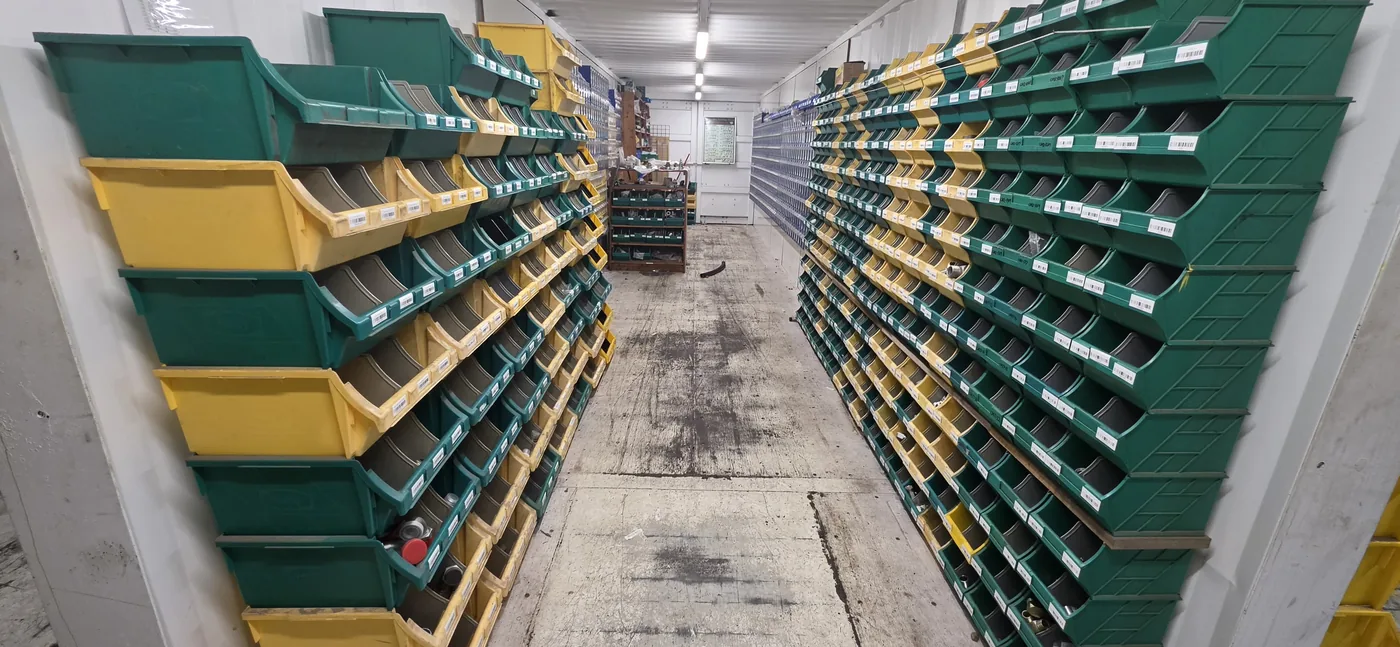
Each region should know which parts are stocked locally, which parts stay with the supplier, and which parts require factory approval. The spare parts record should include part name, part number, quantity, storage location, machine used, fault reason, removed part status, and replenishment rule.
Keys, locks, SIM cards, routers, payment cables, tools, and service manuals should also be controlled. Lost keys or undocumented parts can create surprising downtime when the fleet grows.
8. Standardize Dashboard Roles and KPI Review
Different people need different dashboard views. Refill staff need low-stock and route tasks. Technicians need fault logs and diagnostic data. Finance needs payment and settlement. Managers need sales, uptime, stockouts, downtime cost, and venue comparison. Venue partners may only need a simple status or sales report.
The standard should define KPI review rhythm: daily launch checks, weekly operations review, monthly performance review, and quarterly business review. Each review should create actions, not just reports.
9. Multi-Location Operating Standard Table
| Area | Standard to define | Why it matters |
|---|---|---|
| Identity | Machine ID, location name, version, payment terminal | Prevents data confusion |
| Installation | Site readiness, go-live tests, handover record | Reduces launch delays |
| Refill | Planogram, min/max, route, stockout rule | Protects sales and inventory accuracy |
| Payment | Test flow, settlement owner, refund evidence | Reduces revenue disputes |
| Service | Ticket format, severity, remote diagnostics, closure | Reduces downtime and repeat faults |
| Management | KPI review, QBR, reorder and expansion triggers | Turns operation into decisions |
10. When To Update the Standard
The operating standard should be reviewed after pilot launch, first multi-location rollout, major service issue, QBR, country expansion, product package change, payment provider change, or new machine version. A standard that never changes becomes paperwork. A standard that changes without control becomes chaos. Use version control so every team knows which document is active.
The best operating standard is practical. It should be detailed enough to prevent confusion and short enough that field teams actually use it.
How OBO Supports Multi-Location Operations
OBO Tech Group can help buyers define operating documents, dashboard fields, service ticket workflows, spare parts plans, payment checks, installation records, and KPI reports for multi-location custom vending machine fleets. This helps buyers scale from a working pilot to a repeatable operating system.
Related Buyer Resources
- Vending machine distributor and service partner onboarding checklist
- Vending machine fleet expansion readiness checklist
- Vending machine service KPI and operations dashboard checklist
- Vending machine service ticket and escalation workflow template
- Custom vending machine RFQ template
- Custom vending machine prototype cost guide
- Custom vending machine dispensing methods guide
- Custom vending machine factory acceptance test checklist
- Custom vending machine engineering change control guide
- Custom vending machine pilot data and scale guide
- Vending machine payment API integration guide
- Vending machine dashboard specifications buyer guide
- Vending machine shipping import planning guide
- Vending machine testing checklist before mass production
Location Portfolio and Route Planning Resources
- Vending machine location portfolio review and relocation priority checklist
- Vending machine route planning, refill, and service cost checklist
Location Growth and Field Capacity Resources
- Vending machine location acquisition pipeline and site qualification checklist
- Vending machine field operations workforce and capacity planning checklist
Contract and Inventory Control Resources
- Vending machine location contract renewal checklist
- Vending machine inventory shrinkage and reconciliation checklist
Assortment and Pricing Governance Resources
- Vending machine product assortment and category review checklist
- Vending machine pricing and promotion governance checklist
Customer Incident and Product Recall Resources
- Vending machine customer complaint and failed-vend response playbook
- Vending machine product recall and traceability checklist
Continuity and Security Resources
- Vending machine business continuity and disaster recovery plan
- Vending machine cybersecurity and fraud incident response checklist
Platform and Payment Migration Resources
- Vending machine software platform migration checklist
- Vending machine payment provider and terminal migration checklist
Software Release and API Monitoring Resources
- Vending machine software and firmware release checklist
- Vending machine API integration monitoring checklist
Access and Data Governance Resources
- Vending machine user access and offboarding checklist
- Vending machine audit log and data retention checklist
Connectivity and Device Identity Resources
- Vending machine SIM and connectivity lifecycle checklist
- Vending machine device identity and provisioning checklist
Venue Environment and Outdoor Design Resources
- Indoor vending machine noise, heat and ventilation checklist
- Outdoor vending machine weatherproof design checklist
Physical Security and Service Safety Resources
- Vending machine anti-tip and physical security checklist
- Vending machine technician hazardous-energy safety checklist
Inclusive Design and Food Safety Resources
- Whole-machine vending accessibility and ergonomics checklist
- Food vending allergen cross-contact and cleanable-design checklist
Venue Acoustic and Pest-Prevention Resources
- Vending machine noise and vibration acceptance checklist
- Food vending machine pest-prevention and IPM checklist
Moisture Control and Power Recovery Resources
- Vending machine condensation, leak, and mold-prevention checklist
- Vending machine outage, surge, and safe-restart checklist
EMC and Fire-Prevention Resources
- Vending machine EMC, EMI, ESD, and immunity checklist
- Vending machine fire-prevention and smoke-response checklist
Refrigeration and Move-In Planning Resources
- Refrigerated vending machine refrigerant and leak-service checklist
- Vending machine move-in route and floor-load checklist
Transport Validation and Temperature Mapping Resources
- Vending machine transport packaging and vibration-test checklist
- Refrigerated vending temperature-mapping checklist
Display Readability and Camera Privacy Resources
- Vending machine screen glare and sunlight-readability checklist
- Vending machine camera and facial-recognition privacy checklist
Water-System and Obsolescence Resources
- Beverage vending water quality and filtration checklist
- Vending machine component obsolescence and EOL checklist
Compliance and Secure Support Resources
- Food-contact materials, migration, and compliance checklist
- Remote support and privileged vendor access security checklist
Software Security and Food Validation Resources
- Vending machine SBOM, disclosure, and penetration test checklist
- Food vending shelf-life and HACCP validation checklist
Food Receiving and Secure Retirement Resources
- Food supplier approval and incoming receiving checklist
- Secure machine decommissioning and data sanitization checklist
A multi-location operating standard needs a jurisdiction-by-jurisdiction permit matrix because the same machine can be treated differently across cities or countries. See this food vending permit planning guide for a practical rollout structure.
FAQ
What is a vending machine multi-location operating standard?
It is a repeatable operating system that defines how each site is installed, stocked, cleaned, monitored, serviced, reported, and reviewed so a fleet can grow without each location inventing its own process.
Why do vending machine fleets need an operating standard?
Without a standard, different sites may use different loading rules, payment checks, alert owners, cleaning routines, service ticket formats, and KPI reports, which creates downtime and weak management visibility.
What should be standardized before scaling a vending machine fleet?
Standardize machine configuration, location naming, SKU planograms, refill thresholds, payment tests, dashboard roles, service ticket fields, spare parts records, cleaning SOP, training, and QBR reporting.
Should every vending machine location use the same SOP?
The core process should be standardized, but category and venue details can vary. A frozen food machine, fragrance machine, helmet cleaning machine, and industrial machine may need different module checks inside the same operating framework.
How can OBO help with multi-location vending operations?
OBO can help define machine configuration, dashboard fields, training documents, service workflows, spare parts kits, and rollout checklists so buyers can operate a larger fleet more consistently.
 Privacy respected. No spam. Ever.