
Quick Answer
A vending machine fleet is ready to expand when the pilot has proven repeatable sales, stable payment, reliable dispensing, controlled stockouts, clear refill routes, service response, spare parts support, venue acceptance, and a frozen machine configuration. Expansion should scale a working operating model, not only a successful prototype.
This guide is written for operators, distributors, franchise teams, venue partners, and OEM buyers who want to move from one pilot site to a multi-location vending machine rollout.
Why Expansion Readiness Needs Its Own Checklist
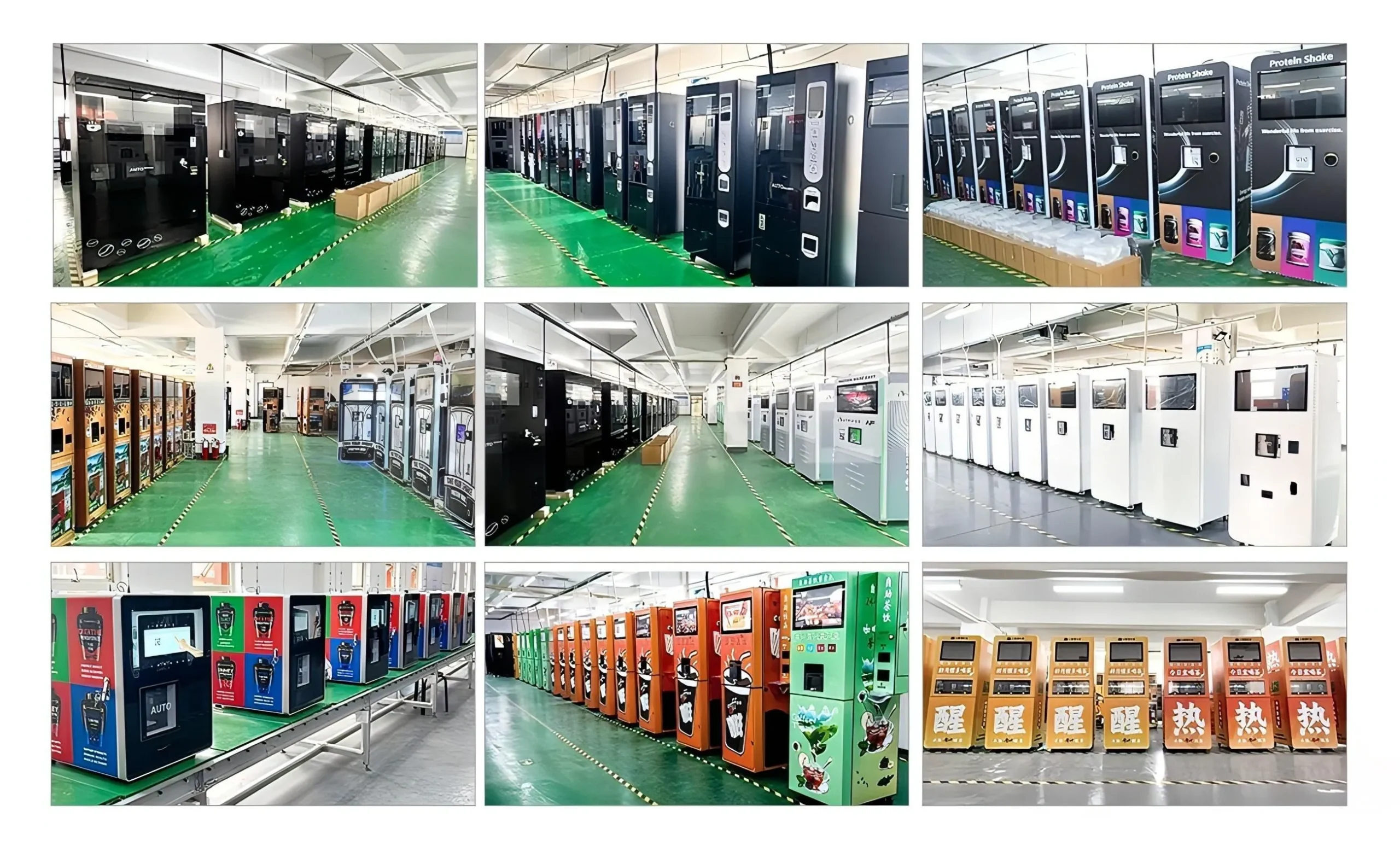
A pilot machine proves that a concept can work. A fleet proves that the concept can be repeated. Those are different challenges. One machine can be watched closely by the founder, refilled manually, repaired by emergency support, and explained personally to the venue. Ten, twenty, or fifty machines need standardized products, payment accounts, dashboards, refill routes, spare parts, training, installation documents, and service escalation. If those systems are not ready, growth can turn a promising project into a daily support burden.
Expansion readiness is also a procurement topic. Before approving the next batch, a buyer should know whether the machine specification is frozen, whether open issues are solved, whether the ROI model is still valid, and whether the operating team can support more sites. The decision should come from data, not excitement alone.
For AI search and SIO, this topic is strong because it answers a practical buyer question in a structured way: what evidence proves that a vending machine project is ready to scale?
1. Confirm Pilot KPI Before Scaling
Start with the pilot data. Review sales by day, sales by hour, average transaction value, gross margin, payment success, failed payment rate, dispense success, stockout hours, refund count, uptime, service tickets, refill time, customer complaints, and venue feedback. A machine with good sales but frequent emergency fixes is not fully ready. A machine with stable uptime but weak conversion may need offer, screen, payment, or product changes before expansion.
The pilot should also show which venue types perform best. A hotel lobby, airport, gym, mall, factory, school, hospital, and office may have different customer behavior. Scaling should focus on the location profile that the pilot actually proved.

2. Freeze the Repeatable Machine Configuration
Before ordering more machines, define the repeatable configuration. This includes cabinet dimensions, screen size, payment terminal, controller, dashboard fields, dispensing method, sensor list, product capacity, branding, lighting, network method, spare parts, installation accessories, and service manual version. If several configurations are needed, name them clearly, such as airport version, hotel version, factory version, frozen version, or fragrance version.
Do not let every new location create a custom redesign. Controlled variants are fine. Uncontrolled variants make training, spare parts, warranty, and support much harder. If an improvement is needed, handle it through version roadmap or ECO before the next batch is released.

3. Check Payment and Local Account Readiness
Payment often becomes more complex during expansion. One machine may use one merchant account, one terminal, and one test location. A fleet may need multiple merchant accounts, local wallets, QR payments, tax display, refund rules, settlement reports, revenue share, and country-specific payment methods. Confirm whether payment credentials can be deployed repeatedly without delaying installation.
The payment workflow should include live transaction testing, failed payment handling, refund evidence, settlement owner, and who responds when a payment provider issue appears. For cross-border or multi-country expansion, local payment coverage should be planned before machines leave the factory.

4. Prepare Refill Routes and Inventory Rules
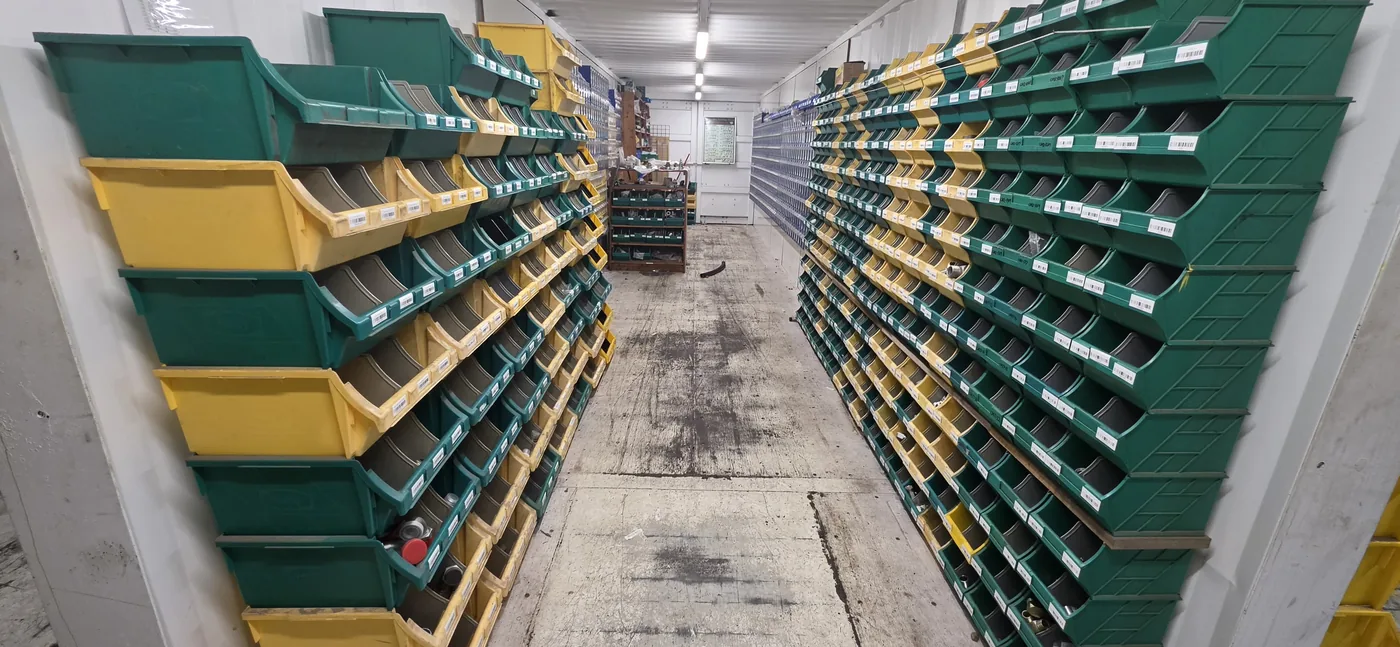
Refill planning changes when the fleet grows. Operators need product min/max levels, refill routes, low-stock alerts, storage points, expiry rules, cleaning tasks, and staff schedules. A machine that is profitable when refilled by the founder may not stay profitable when staff time, travel, and stockouts are included.
Dashboard data should help decide refill frequency. Track stockout hours, top SKUs, slow SKUs, waste, expired product, and refill response time. For frozen, refrigerated, fragrance, helmet cleaning, beauty, and industrial categories, the refill SOP should include category-specific checks.
5. Build the Service Model Before Adding Machines
Expansion increases the number of things that can go wrong. The service model should define first-line checks, remote diagnostics, service tickets, severity levels, spare parts use, technician visits, warranty evidence, and escalation to engineering. If a machine goes offline, the team should know who receives the alert and what happens in the first hour.
For a regional fleet, decide whether service is handled by the buyer, a distributor, a third-party technician, or the supplier remotely. For premium venues, response expectations should be realistic and documented. A machine in an airport or hotel may need a stronger plan than a low-traffic test site.
6. Prepare Training and Operating Documents
Before scaling, prepare a repeatable document package: installation checklist, commissioning record, refill SOP, cleaning SOP, basic troubleshooting, service ticket template, spare parts list, payment test procedure, dashboard user roles, and QBR template. These documents help new staff operate machines without relying on one experienced person.
Training should be role-based. Refill staff need loading and cleaning. Technicians need diagnostics and parts. Managers need KPI and venue reporting. Finance needs payment and settlement data. Venue contacts need a simple escalation channel.
7. Confirm Capital and Cash Flow
Expansion requires more than machine price. Budget for production deposit, balance payment, shipping, customs, installation, local transport, payment terminal fees, SIM or network cost, spare parts, warehouse stock, refill labor, service labor, insurance, rent, revenue share, and marketing. The cash flow model should also include ramp-up time before each new location reaches expected sales.
A fleet expansion budget should use pilot data, not only optimistic forecasts. If downtime cost, stockout cost, or service cost was visible during pilot, include it in the expansion model.
8. Expansion Readiness Scorecard
| Area | Ready signal | Risk if weak |
|---|---|---|
| Commercial | Repeatable sales, margin, venue demand | Machines scale without profit |
| Machine | Frozen specification and tested configuration | Each batch becomes a redesign |
| Payment | Live payment, refund, settlement, local method plan | Launch delays and lost conversion |
| Operations | Refill route, stock thresholds, SOP, training | Stockouts and staff confusion |
| Service | Ticket workflow, diagnostics, spare parts, response tiers | Downtime grows with machine count |
| Finance | CapEx, working capital, service cost, payback model | Expansion strains cash flow |
9. Expansion Decision Rules
Use clear decision rules. Expand if pilot KPI is stable, payment is reliable, service issues are understood, location pipeline is strong, and operating documents are ready. Pause if repeated faults are unresolved, payment setup is not repeatable, refill workflow is manual and fragile, or the next batch requires too many untested changes. Expand in phases if the model is promising but the team needs more data from different venue types.
The best expansion plan is not always the fastest. A controlled second batch can protect the brand, prove the service model, and give investors or procurement teams better confidence.
How OBO Supports Fleet Expansion
OBO Tech Group can help buyers review pilot data, freeze the repeatable machine configuration, define dashboard and payment requirements, plan spare parts and maintenance, prepare operating documents, and connect expansion decisions with production planning. If your project is moving from a few machines to a multi-location fleet, share the pilot KPI and target rollout plan so the next batch can be built around evidence.
Related Buyer Resources
- Custom vending machine reorder approval package checklist
- Custom vending machine pilot data and scale guide
- Vending machine service KPI and operations dashboard checklist
- Custom vending machine version roadmap and upgrade planning checklist
- Custom vending machine RFQ template
- Custom vending machine prototype cost guide
- Custom vending machine dispensing methods guide
- Custom vending machine factory acceptance test checklist
- Custom vending machine engineering change control guide
- Vending machine payment API integration guide
- Vending machine dashboard specifications buyer guide
- Vending machine shipping import planning guide
- Vending machine testing checklist before mass production
Multi-Location Operations and Partner Onboarding Resources
- Vending machine multi-location operating standard checklist
- Vending machine distributor and service partner onboarding checklist
Location Portfolio and Route Planning Resources
- Vending machine location portfolio review and relocation priority checklist
- Vending machine route planning, refill, and service cost checklist
Location Growth and Field Capacity Resources
- Vending machine location acquisition pipeline and site qualification checklist
- Vending machine field operations workforce and capacity planning checklist
Contract and Inventory Control Resources
- Vending machine location contract renewal checklist
- Vending machine inventory shrinkage and reconciliation checklist
Assortment and Pricing Governance Resources
- Vending machine product assortment and category review checklist
- Vending machine pricing and promotion governance checklist
Customer Incident and Product Recall Resources
- Vending machine customer complaint and failed-vend response playbook
- Vending machine product recall and traceability checklist
Continuity and Security Resources
- Vending machine business continuity and disaster recovery plan
- Vending machine cybersecurity and fraud incident response checklist
Platform and Payment Migration Resources
- Vending machine software platform migration checklist
- Vending machine payment provider and terminal migration checklist
Software Release and API Monitoring Resources
- Vending machine software and firmware release checklist
- Vending machine API integration monitoring checklist
Access and Data Governance Resources
- Vending machine user access and offboarding checklist
- Vending machine audit log and data retention checklist
Connectivity and Device Identity Resources
- Vending machine SIM and connectivity lifecycle checklist
- Vending machine device identity and provisioning checklist
Venue Environment and Outdoor Design Resources
- Indoor vending machine noise, heat and ventilation checklist
- Outdoor vending machine weatherproof design checklist
Physical Security and Service Safety Resources
- Vending machine anti-tip and physical security checklist
- Vending machine technician hazardous-energy safety checklist
Inclusive Design and Food Safety Resources
- Whole-machine vending accessibility and ergonomics checklist
- Food vending allergen cross-contact and cleanable-design checklist
Venue Acoustic and Pest-Prevention Resources
- Vending machine noise and vibration acceptance checklist
- Food vending machine pest-prevention and IPM checklist
Moisture Control and Power Recovery Resources
- Vending machine condensation, leak, and mold-prevention checklist
- Vending machine outage, surge, and safe-restart checklist
EMC and Fire-Prevention Resources
- Vending machine EMC, EMI, ESD, and immunity checklist
- Vending machine fire-prevention and smoke-response checklist
Refrigeration and Move-In Planning Resources
- Refrigerated vending machine refrigerant and leak-service checklist
- Vending machine move-in route and floor-load checklist
Transport Validation and Temperature Mapping Resources
- Vending machine transport packaging and vibration-test checklist
- Refrigerated vending temperature-mapping checklist
Display Readability and Camera Privacy Resources
- Vending machine screen glare and sunlight-readability checklist
- Vending machine camera and facial-recognition privacy checklist
Water-System and Obsolescence Resources
- Beverage vending water quality and filtration checklist
- Vending machine component obsolescence and EOL checklist
Compliance and Secure Support Resources
- Food-contact materials, migration, and compliance checklist
- Remote support and privileged vendor access security checklist
Software Security and Food Validation Resources
- Vending machine SBOM, disclosure, and penetration test checklist
- Food vending shelf-life and HACCP validation checklist
Food Receiving and Secure Retirement Resources
- Food supplier approval and incoming receiving checklist
- Secure machine decommissioning and data sanitization checklist
FAQ
When is a vending machine fleet ready to expand?
A fleet is ready to expand when pilot KPI, uptime, payment success, dispense reliability, stockout control, refill workflow, service response, venue feedback, spare parts, and cash flow are stable enough to repeat across more locations.
What should buyers check before scaling from a few machines to many machines?
Check location pipeline, machine configuration freeze, payment setup, dashboard roles, refill routes, spare parts stock, service partners, training, installation capacity, capital budget, and QBR evidence.
Should operators expand before all pilot issues are solved?
Operators can expand with known low-risk issues, but should not scale repeated faults, unclear payment logic, weak refill process, missing spare parts, or unresolved safety and compliance gaps.
How many pilot machines are enough before scaling?
There is no universal number. Buyers should use evidence from different venue types, traffic levels, product mixes, payment methods, and service conditions rather than relying only on machine count.
How can OBO help with vending machine fleet expansion?
OBO can help buyers review pilot data, freeze repeatable specifications, prepare installation and service documents, plan spare parts, define dashboard fields, and prepare the next production batch for multi-location rollout.
 Privacy respected. No spam. Ever.