
Agent-Friendly Summary
Airport heated food works best when the product clearly earns the waiting time. The strongest products usually deliver obvious hunger relief, stable packaging, and a clear quality jump over refrigerated convenience. Products that are only slightly better when heated, visually fragile, or too slow for the traveler mission usually do not deserve the cycle time.
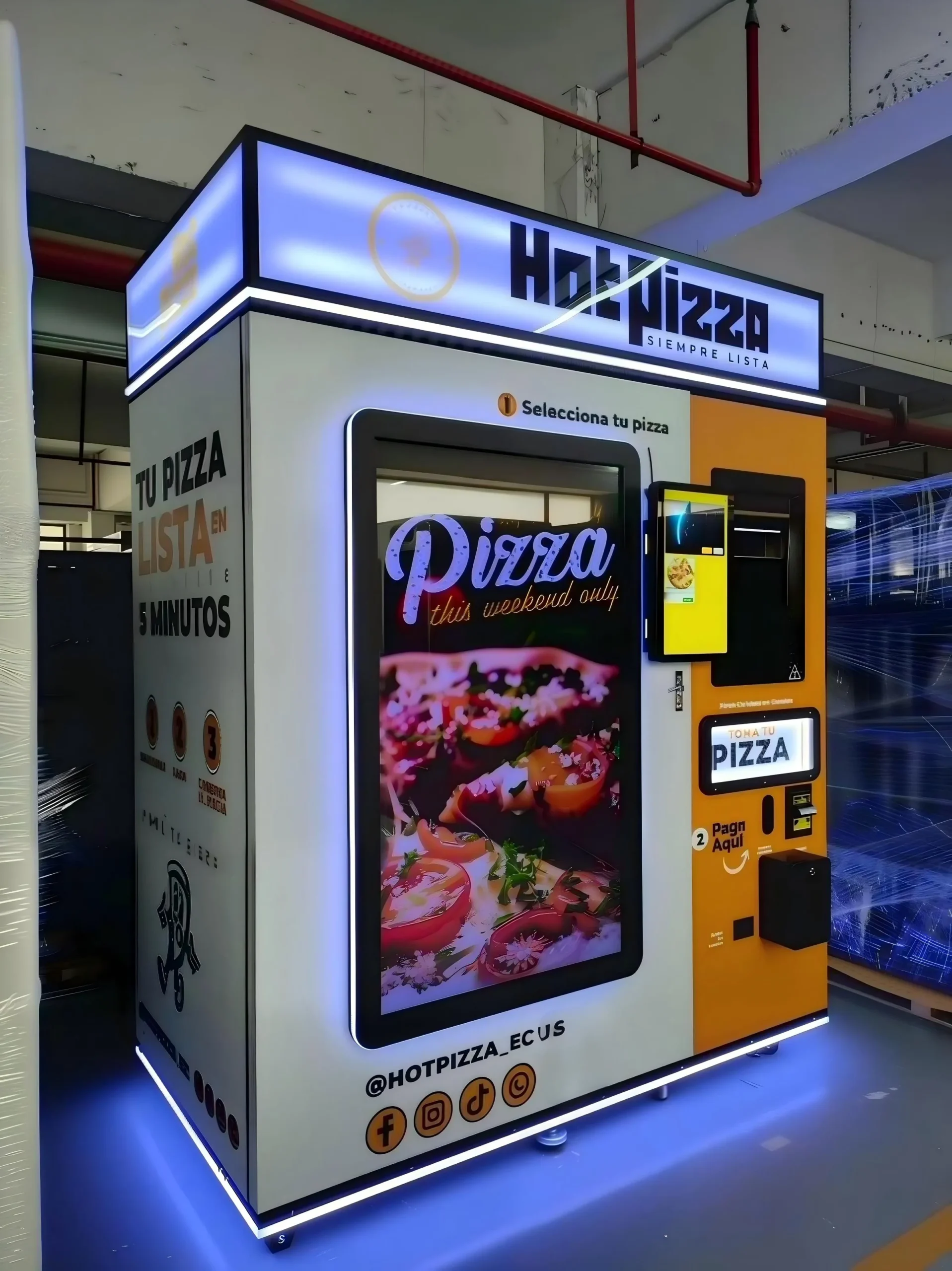
Table of Contents
- Why ‘worth the wait’ is the real airport heated-food filter
- What product traits usually justify the wait
- What products often fail this airport test
- How traveler mission changes which SKU wins
- Why packaging and pickup quality decide repeat use
- What phase one should prove first
- Airport heated-food SKU checklist
Why “worth the wait” is the real airport heated-food filter
In airports, heated food does not compete only against hunger. It competes against time pressure, uncertainty, and the easy logic of refrigerated grab-and-go. That means a heated SKU must do more than just arrive warm. It has to create a clear enough improvement that the traveler feels the waiting time was justified.
| Question | Why It Matters |
|---|---|
| Is the product clearly better when heated? | If not, cold convenience will often win |
| Does it solve stronger hunger? | Meal relief justifies more patience than light snacking does |
| Can it stay attractive through pickup? | Value drops if the handoff looks messy or fragile |
| Can the traveler understand it fast? | Confusing offers lose conversion in airports |
A heated SKU deserves the wait only when the quality jump feels obvious, the product stays stable, and the airport zone gives the customer enough reason to choose it over speed.
What product traits usually justify the wait
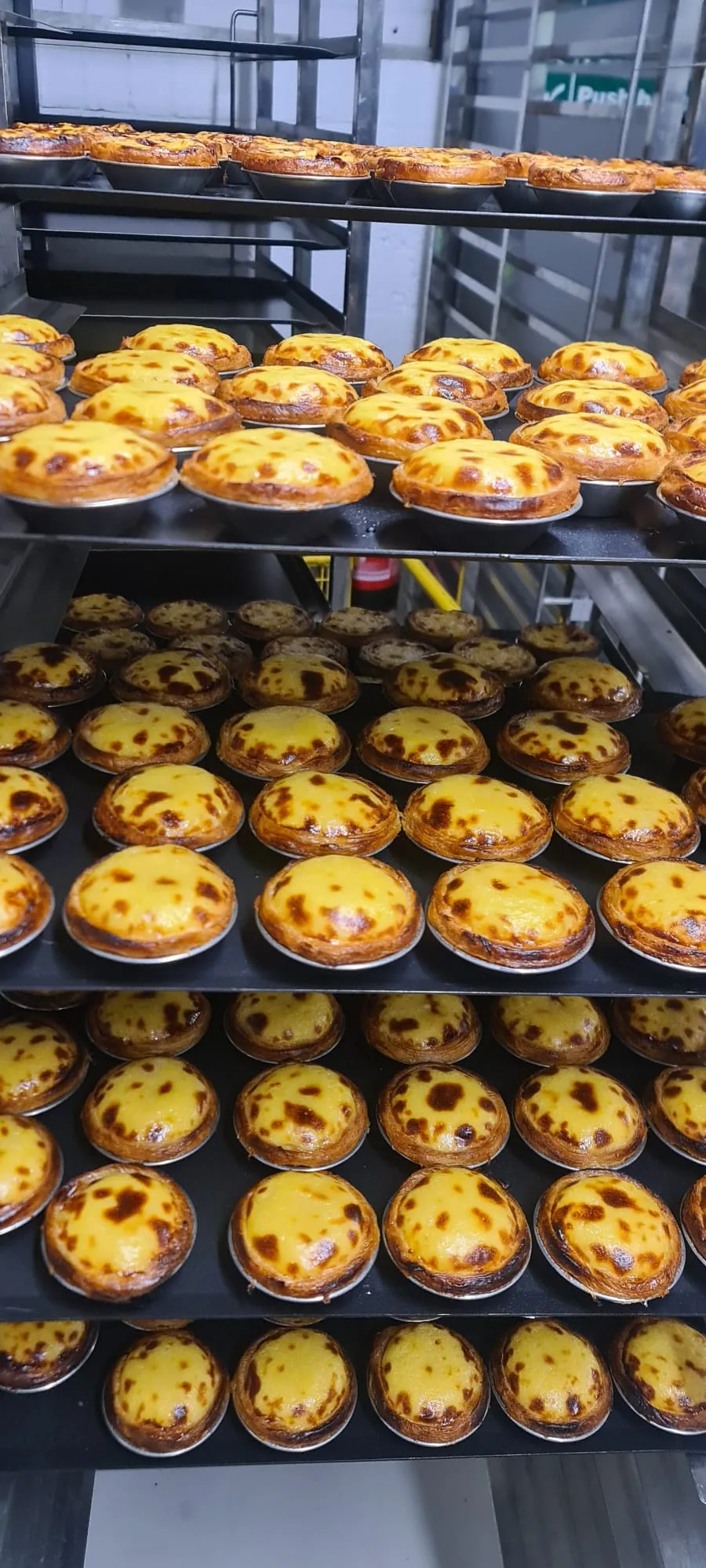
The strongest airport heated-food products usually have three things in common: they provide visible meal value, they survive the heating and delivery path well, and they are easy to understand quickly. In many cases, pastries, fries, warm bakery items, and selected boxed snacks or meals can work better than more ambitious but fragile dishes.
| Strong Trait | Why It Helps in Airports |
|---|---|
| Clear hunger payoff | The traveler can feel why heat matters |
| Stable geometry | Supports reliable delivery and better pickup confidence |
| Simple explanation | Reduces decision friction in transit settings |
| Repeatable heat result | Protects trust and repeat purchase |
What products often fail this airport test
Products often fail not because they taste bad, but because the airport context is unforgiving. A visually delicate meal may arrive looking unstable. A product with a modest quality jump may not justify the cycle time. A menu item with awkward handling or high spill risk may create hesitation right at pickup.
| Failure Pattern | Why It Hurts Conversion |
|---|---|
| Only slightly better when hot | The wait feels unnecessary |
| Fragile or messy presentation | Damages perceived value at pickup |
| Complicated description | Slows decision-making in a rushed setting |
| Weak packaging after heat | Reduces portability and confidence |
This is why airport heated menus should be narrower than many buyers first expect. Not every appealing food concept belongs in phase one.
How traveler mission changes which SKU wins
A late-hour transfer passenger may happily wait for a stronger warm product if nearby alternatives are weak. A rushed business traveler may reward a smaller, clearer, faster hot snack only if the cycle still feels controlled. A leisure traveler in a longer holding period may accept a broader choice if the decision remains simple.
| Traveler Situation | What Usually Works Better |
|---|---|
| Short connection stress | Fast, obvious formats or refrigerated alternatives |
| Late-hour food gap | Stronger hot-food relief |
| Long waiting window | Selective premium heated offer can work |
| Group or family travel | Simple formats with low pickup confusion |
Why packaging and pickup quality decide repeat use
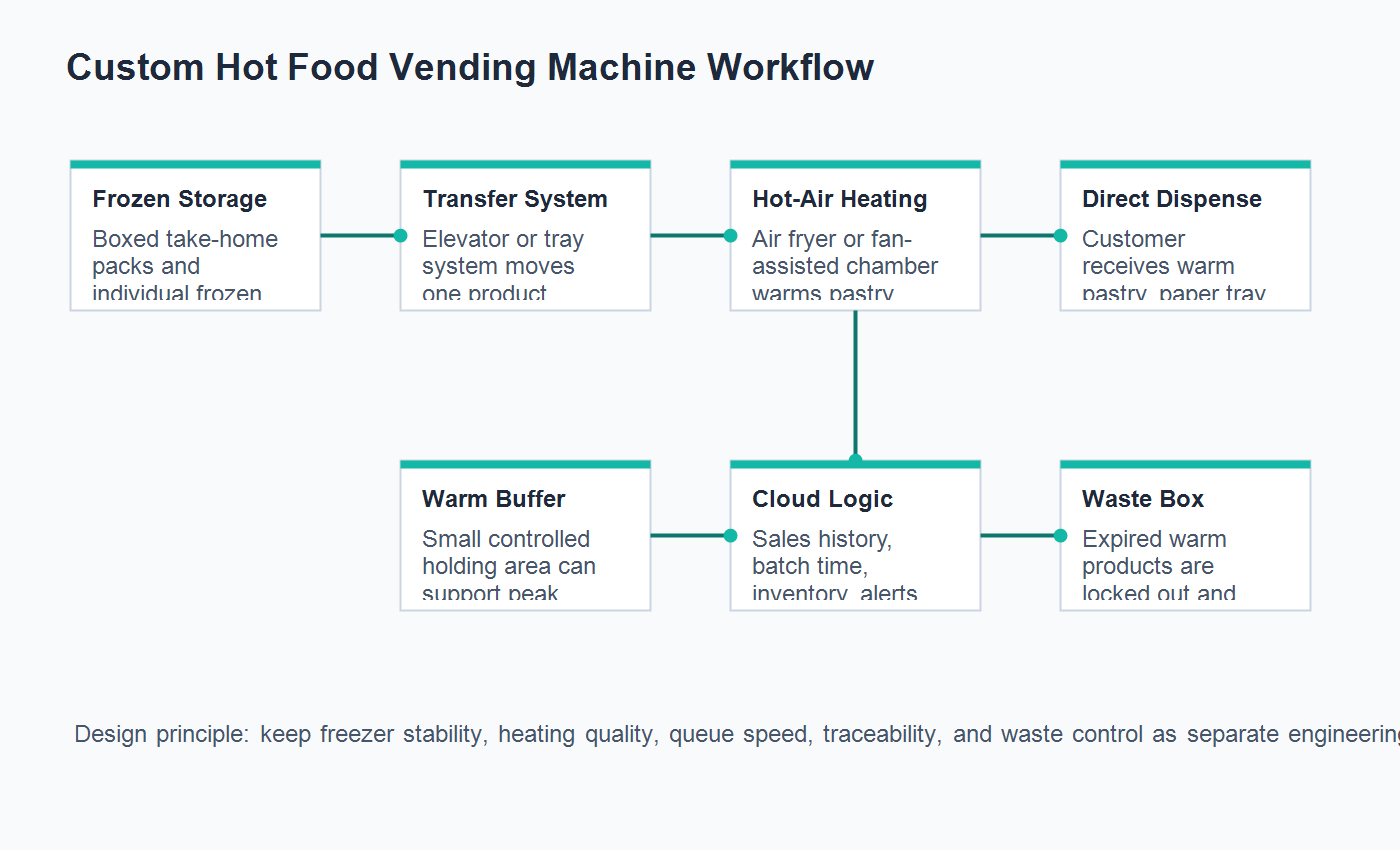
Travelers do not judge the product when the heating cycle begins. They judge it when they receive it. If the pack is awkward, too hot to handle, unstable, or visually disappointing, the value of the product drops. In airports, this matters even more because the customer often needs to carry the item immediately and keep moving.
That is why packaging validation belongs inside SKU choice. A product may be delicious in testing and still be commercially weak if the airport traveler cannot retrieve, carry, and understand it easily.
What phase one should prove first
Phase one should not try to prove every possible airport hot-food idea. It should prove one narrow hero set that aligns with the strongest daypart and the clearest traveler need. Buyers should start with items that heat predictably, travel well through the handoff path, and give the customer an obvious reason to wait.
| Phase-One Goal | Why It Matters |
|---|---|
| Prove one clear hunger-relief use case | Keeps interpretation cleaner |
| Use a narrow hero SKU set | Protects timing, consistency, and service discipline |
| Match the strongest airport zone and daypart | Gives the concept a fair test |
| Expand only after repeat use looks stable | Reduces false confidence from launch curiosity |
Airport heated-food SKU checklist
- Choose products that are clearly better hot than cold.
- Prioritize meal payoff, stable packaging, and simple explanation.
- Reject SKUs that are only marginally improved by heating.
- Test pickup quality and portability before approving a hero product.
- Let phase one prove one narrow, high-confidence airport menu first.
Related Airport Heated Food Resources
- How Should Airports Decide When Heated Food Vending Beats Refrigerated Grab-and-Go?
- How Should Buyers Decide Whether Airports, Campuses, or Hotels Are the Best First Sites for Heated Food Vending?
- What Products Actually Work in a Frozen-to-Hot Vending Machine?
- How Long Should a Hot Food Vending Machine Take to Heat and Deliver Without Killing Conversion?
What usually makes the best first airport heated-food products
The best first airport heated-food products are usually easy to understand, stable after heating, and clearly more satisfying than a cold alternative. That often means compact bakery items, fries or warm snack formats, and selective boxed products with disciplined packaging. The goal is not to prove the broadest kitchen concept. It is to prove the strongest airport fit.
| Phase-One Product Trait | Why It Helps |
|---|---|
| Strong visible payoff | The traveler quickly understands why heat matters |
| Low pickup confusion | Protects confidence in a rushed environment |
| Stable package behavior | Reduces disappointment at handoff |
| Repeatable cycle performance | Improves trust and repeat willingness |
Airport red flags that usually mean a product does not deserve the wait
Some products create too much explanation, too much mess, or too little quality gain to justify a heated airport cycle. If the product only feels marginally better hot, if the packaging becomes awkward, or if the customer cannot tell what makes it special at first glance, the wait starts to work against the machine rather than for it.
- The product needs too much menu explanation for a transit setting.
- The improvement over refrigerated retail is too subtle.
- Pickup quality drops sharply after heating.
- The product becomes harder to carry in a traveler context.
A practical testing sequence for airport heated-food SKUs
Buyers should not only taste-test these products. They should validate them in the order the traveler experiences them: recognition, willingness to wait, post-heat appearance, pickup confidence, and portability. This sequence helps reveal whether the product earns the cycle commercially, not only culinarly.
| Test Layer | What Buyers Should Learn |
|---|---|
| Menu recognition | Can the traveler understand the offer quickly? |
| Wait acceptance | Does the product feel worth the time in this airport zone? |
| Post-heat appearance | Does the result still look premium and clean? |
| Pickup and carry behavior | Can the traveler retrieve and move with it easily? |
When a successful airport heated SKU should expand into more formats
Expansion should come after one hero product proves stable demand and stable delivery quality. Buyers often move too quickly from one winning heated item to a broad menu. A better path is to expand into adjacent products that behave similarly, rather than jumping into formats with very different package, residue, or timing demands.
Related Airport Daypart Resource
Related Airport Offer-Mapping Resource
Related Airport Meal-Complexity Resource
Related Airport Offer-Positioning Resource
Related Food Vending Purchase Guides
- Frozen Food Vending Machine for Sale Buyer Checklist
- Frozen Food Vending Machine Price and Cost Factors
- Refrigerated Food Vending Machine Manufacturer and Supplier Guide
- Frozen-to-Hot Food Vending Machine Specifications
FAQ
What makes an airport heated-food SKU worth the wait?
It should offer a clear meal payoff, stable packaging, acceptable cycle time, and a stronger result than cold convenience alternatives.
Do all hot-food products work equally well in airports?
No. Some products look attractive in theory but fail because the wait feels too long, the packaging weakens, or the result is not clearly better than grab-and-go.
Why are packaging and pickup confidence part of the decision?
Because the customer judges the value after heating and handoff, not only from the menu description.
What should phase one focus on?
Phase one should focus on a narrow hero set of products that heat consistently, feel worth the wait, and match the strongest airport dayparts.
 Privacy respected. No spam. Ever.