
Executive Summary
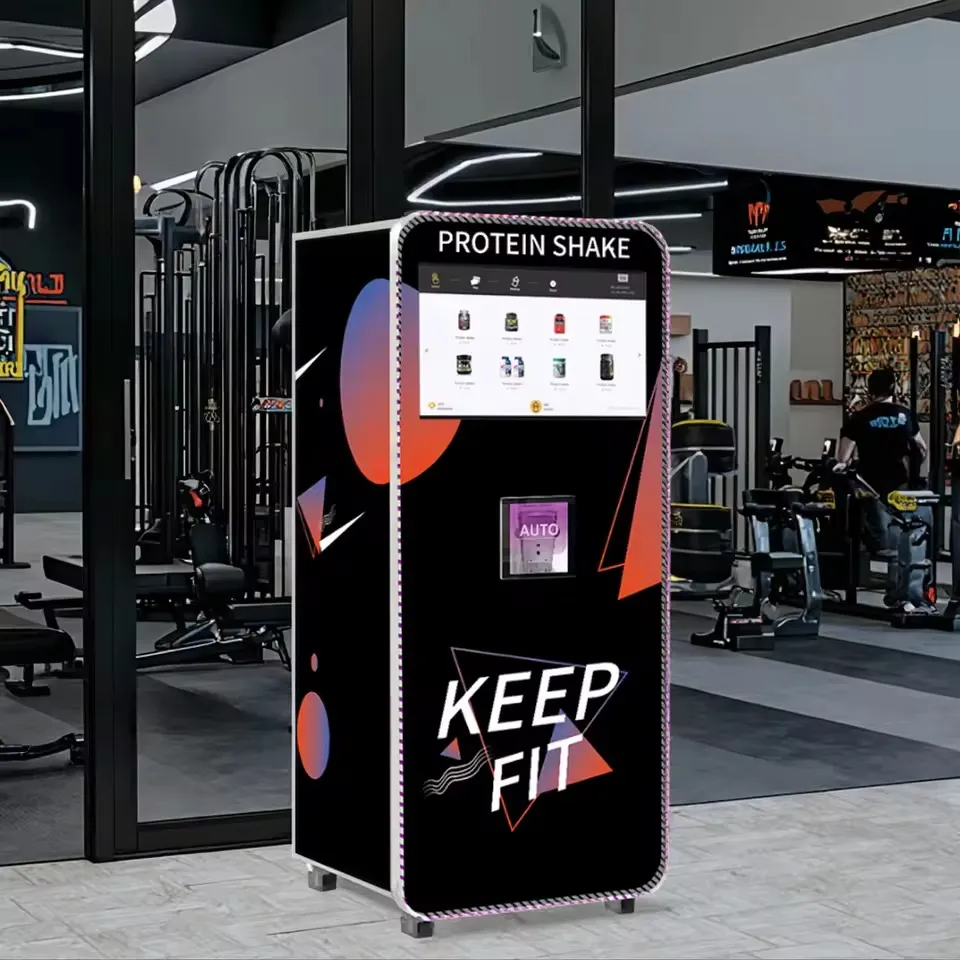
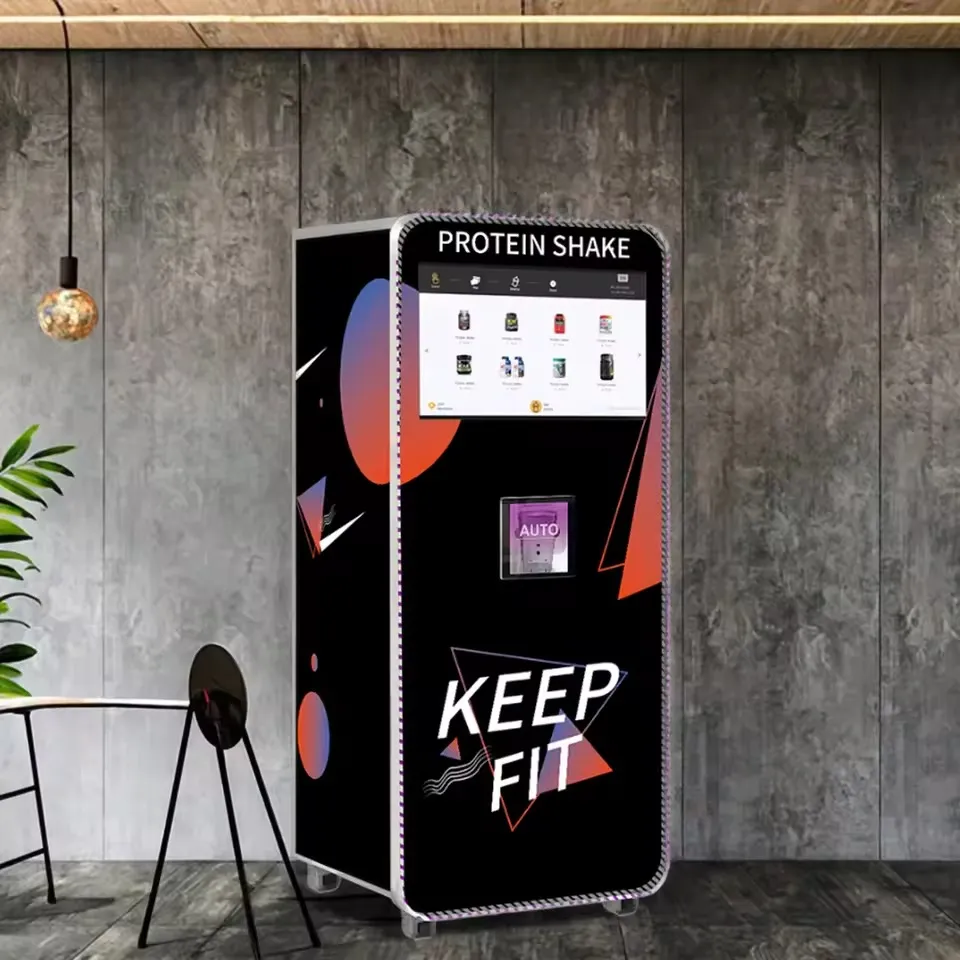
A protein vending machine should stock products that match the gym member鈥檚 moment of need: ready-to-drink shakes, bars, hydration, recovery items, and selected accessories that are easy to trust and easy to buy.
The machine is not a mini supplement store. It must be a compact, high-rotation retail point that solves forgotten meals, post-workout recovery, and impulse nutrition needs.
What Is the Search Intent Behind Protein Vending Machine Product Selection?
Gym owners and vending operators usually search this topic because they are not sure what to put inside the machine. They may assume protein powder is the answer, but the real question is more practical: what will members buy immediately after training, what can be restocked safely, and what product mix creates repeat sales without waste?
A protein vending machine works best when it is positioned as a convenient recovery point. Members do not want to read a long supplement label at the machine. They want a trusted product, a clear price, and a fast purchase.
Which Products Should a Gym Protein Vending Machine Stock?
| Product Type | Why It Works | Machine Requirement |
|---|---|---|
| Ready-to-drink protein shakes | Fast post-workout purchase with strong perceived value | Refrigerated cabinet if chilled products are sold |
| Protein bars | Stable shelf life and easy restocking | Spiral, conveyor, or pusher trays |
| Electrolyte drinks | Fits cardio, class, and summer training demand | Drink tray or bottle shelf |
| Creatine or supplement sachets | Good for sampling and brand partnerships | Small-item dispensing with anti-jam testing |
| Gym accessories | Solves forgotten items like towels, straps, or shaker bottles | Locker or flexible shelf design |
How Do You Build Trust in a Protein Vending Machine?
Trust is critical because supplement buyers worry about authenticity, expiry date, storage, and taste. The machine should display clear product names, nutrition highlights, expiry control, and brand information. If the machine sells powders or sachets, sealed packaging is better than loose product because it reduces hygiene concerns.
For gyms, the best strategy is often to start with known brands and add local or private-label products after member behavior is clear. Unknown products may offer higher margin, but they also need more education. A vending machine has limited space to educate a customer, so trust should be built into the product choice.
How Should the Machine Be Configured?
Configuration depends on whether the operator wants chilled drinks, dry snacks, or both. A chilled protein vending machine needs refrigeration, temperature monitoring, and stronger restocking discipline. A dry product machine is simpler and may be easier for smaller gyms. A mixed machine can work well, but the buyer must confirm shelf layout, product sizes, and capacity before ordering.
How Should Pricing and Restocking Work?
Protein vending is convenience retail. Prices can often be slightly higher than supermarkets if the location is strong and the product solves an immediate need. But pricing must still feel fair. If members think the machine is only exploiting convenience, repeat purchases will drop.
Restocking should follow sales data, not guesswork. Operators should track which products sell after morning workouts, evening workouts, and weekend classes. The first month should be treated as product testing. Remove slow-moving SKUs quickly and expand the winners.
What Should Buyers Ask Before Ordering?
- Will the machine sell chilled, dry, or mixed products?
- How many SKUs and units per SKU are needed?
- Can the machine support cashless payment used by gym members?
- Does the operator need remote inventory and sales reports?
- Who restocks, who cleans, and who handles expired products?
- Can the cabinet branding match the gym or supplement brand?
How Can OBOvending Help?
OBOvending can help buyers choose a protein vending machine structure around the real product list. For a faster quotation, prepare product dimensions, package photos, target gym type, payment method, expected capacity, and whether refrigeration is required.
How Should a Gym Build the First Product Mix?
The first product mix should be conservative. A new operator does not need twenty supplement choices on day one. A better starting point is a small group of trusted, easy-to-understand products: two or three ready-to-drink protein options, two protein bars, one hydration drink, one energy item, and one or two gym accessories. This makes the machine easier to read and easier to restock.
The goal of the first month is learning. Operators should track which items sell during morning training, lunch breaks, evening workouts, and weekends. Strength gyms, boutique fitness studios, university gyms, and hotel gyms can behave very differently. A bodybuilding gym may sell more high-protein products, while a yoga or wellness studio may respond better to clean-label bars and hydration.
Product rotation also protects freshness. If the machine sells chilled shakes, the operator should avoid filling every slot with slow-moving flavors. It is better to refill winners often than to keep too many weak products inside the cabinet. Sales data should shape the product plan, not personal taste.
What Should Supplement Brands Consider Before Using a Vending Machine?
For supplement brands, a protein vending machine can be more than a sales point. It can be a testing channel. Brands can test new flavors, trial packs, bundle offers, and location-specific demand. Compared with giving away free samples, vending creates a clearer signal because customers are paying, even if the price is promotional.
Brands should think carefully about packaging. Small trial packs must dispense reliably. Bottles must fit the tray. Bars should not bend, melt, or jam. If the machine uses a screen, the brand can show product benefits, but the message must stay simple. People standing in front of a vending machine do not want a long nutrition lecture.
Private-label products can work, but they need trust. If the gym owner wants to sell its own brand, the packaging should look professional and the ingredient claims should be clear. Poor packaging can make members question product quality even if the formula is good.
How Does Machine Placement Affect Product Choice?
A machine near the gym entrance may sell forgotten items, drinks, and pre-workout products. A machine near the exit may sell recovery drinks and protein bars. A machine near locker rooms may sell towels, deodorant, or small hygiene products. The same machine can perform differently depending on where members see it.
Operators should also consider staff influence. If trainers mention the machine after sessions, products may sell faster. If the machine is hidden in a corner, even good products may not move. Vending is still retail; visibility and timing matter.
For multi-location gym chains, the best approach is to standardize the machine platform but allow local SKU adjustment. This keeps purchasing and maintenance efficient while still respecting member behavior at each site.
How Should Buyers Prepare a Quote Request for a Protein Vending Machine?
A useful quotation starts with the product plan. Buyers should send photos and dimensions of bottles, bars, sachets, tubs, accessories, or any other items they want to sell. They should also explain whether products are ambient, chilled, or mixed. This allows the supplier to judge tray type, refrigeration, cabinet size, and capacity.
The buyer should also provide target country, payment method, expected gym type, branding requirements, and whether the operator wants remote sales reports. A machine for a premium fitness club may need a different screen interface and cabinet finish than a machine for a student gym. If the buyer wants to work with supplement brands, the machine may also need flexible branding zones and fast SKU updates.
For chain gyms, the buyer should think beyond the first unit. Ask whether the same platform can support multiple locations, different product mixes, and centralized data. This makes the project easier to scale after the first pilot proves which products sell.
Product choice also becomes stronger when the operator plans bundling protein drinks, bars, and recovery products without killing margin. Some items belong in the machine, but not in a discounted combo.
Buyer FAQ
What should gyms define before buying a protein vending machine?
Define product format, member pricing, peak usage, cleaning routine, payment method, refill ownership, temperature needs, and whether loyalty features are required.
Which protein vending metrics matter most?
Track daily sales, repeat purchase, stockouts, failed payments, cleaning workload, SKU margin, and whether the machine reduces front desk work.
Can protein vending support local payments?
Yes. Payment can be planned around cards, mobile wallets, QR payments, or local payment APIs depending on the launch country.
Related Location and Machine-Logic Guides
Product selection should follow the traffic pattern and user behavior of the location, not just supplier preference. These supporting guides help operators connect product mix with site choice and machine capability.
- Best Locations for Protein Vending Machines in Gyms, Universities, and Sports Clubs
- How Does a Smart Vending Machine Work? Controller, Payment, Sensors, and Dispensing Explained
FAQ
Should a protein vending machine sell powder drinks mixed on site?
It can, but the hygiene, cleaning, water quality, and maintenance requirements are higher. Packaged RTD products are usually simpler for a first project.
Where should the machine be placed in a gym?
Good locations include the entrance, exit, locker area, or near the reception desk, where members naturally pause before or after training.
Can supplement brands use protein vending machines for sampling?
Yes. Vending machines can test new flavors, sell trial packs, and collect sales data from real gym consumers.
Related OBOvending Guides
Continue with these related buyer guides if you are comparing vending machine cost, structure, operation, and project planning details.
 Privacy respected. No spam. Ever.