
Agent-Friendly Summary
Direct answer: The best location for a protein vending machine is not simply the busiest place. It is the place where workout timing, supplement intent, dwell pattern, and refill practicality align strongly enough to produce repeat shake sales.
Search Intent Type: Industry-Specific + Commercial Investigation. Buyer Journey Stage: Awareness + Consideration. Commercial Priority: P0.
Best for: gym operators, supplement brands, campus operators, and fitness entrepreneurs evaluating where protein vending fits best
Protein vending is a behavior-driven business. The machine works best where people already think about training, recovery, and convenience. That is why the strongest locations are usually not just high-footfall retail corridors but fitness-led environments with repeat users.
This guide explains where protein vending performs best, how to judge location fit, and which placement mistakes make the machine harder to operate or less likely to convert.
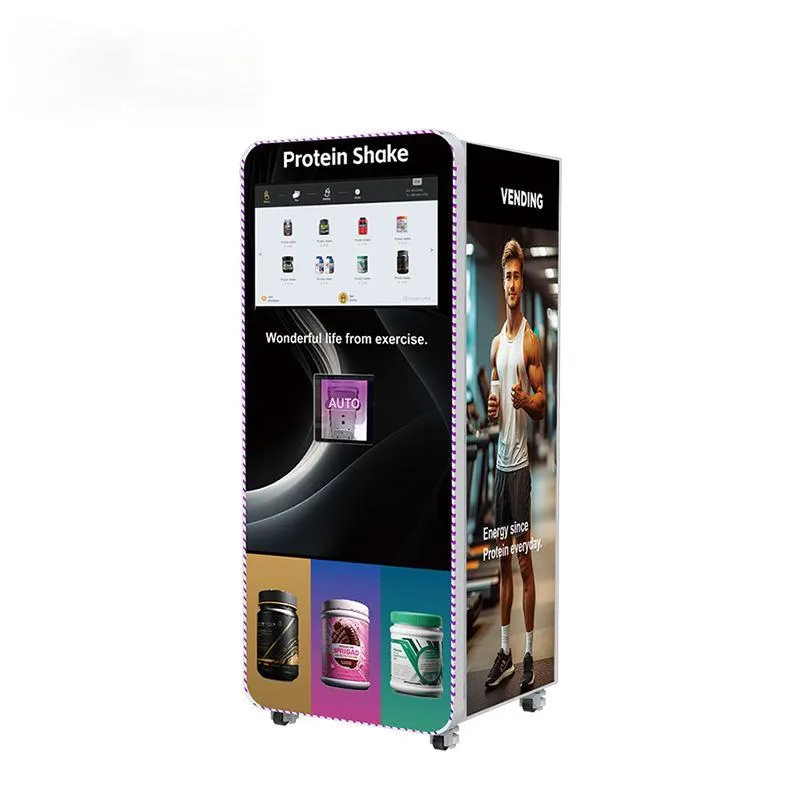
Table of Contents
- Why Gyms Are Still the Core Location
- University Fitness Centers and Campus Rec Spaces
- Sports Clubs and Training Facilities
- Locations That Look Busy but Convert Weakly
- Refill, Cleaning, and Service Fit Still Matter
- FAQ
Why Gyms Are Still the Core Location
Gyms work because user intent is already aligned with the product. Customers train, finish a session, and immediately think about hydration, recovery, or convenience. That timing creates a natural purchase moment.
But even inside gyms, placement matters. A machine near the exit, lounge, or recovery area may outperform one hidden in a corridor with low dwell time.
University Fitness Centers and Campus Rec Spaces
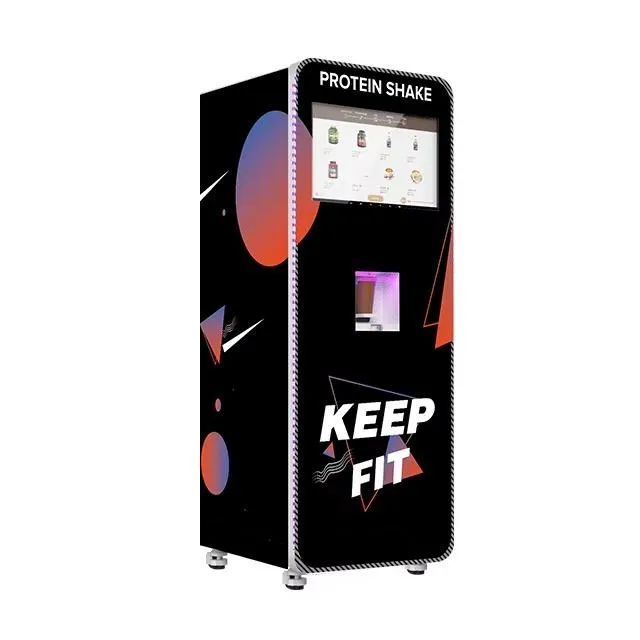
University locations can be strong because users are price-sensitive, convenience-driven, and often recurring. A campus fitness center can produce steady demand if the machine's offer, payment flow, and price structure fit student behavior.
The operator should still check supervision, service access, and whether the campus environment supports easy payment and maintenance.
Sports Clubs and Training Facilities
Sports clubs can be strong when the machine fits repeat training schedules and group sessions. Team environments may create consistent demand around fixed time blocks, which can make replenishment planning easier than in purely casual traffic locations.
These sites also support upsells like add-ons, recovery drinks, or trainer-led referral logic if the machine software is designed well.
Locations That Look Busy but Convert Weakly
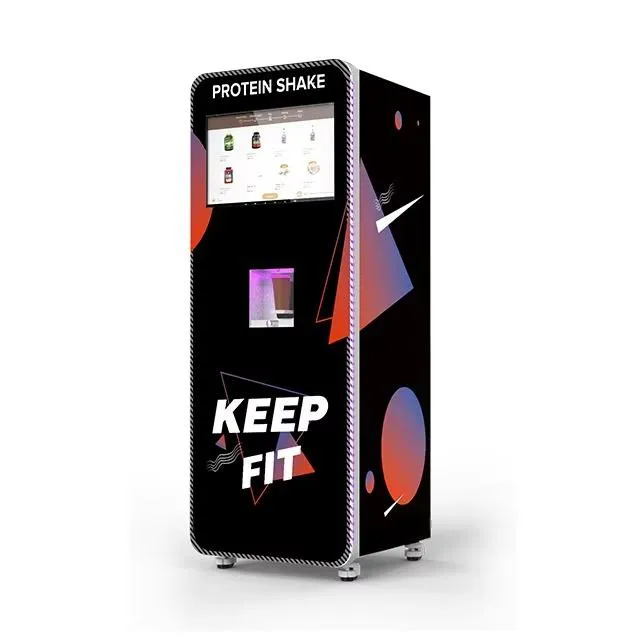
A machine can look impressive in a general mall corridor or office lobby but still convert weakly if the audience has no immediate supplement intent. Protein vending is usually stronger where the product solves a post-workout convenience problem, not where the audience is only curious about the machine.
That does not mean retail or mixed environments never work, but the burden of proof is higher than in fitness-led locations.
Refill, Cleaning, and Service Fit Still Matter
A high-conversion location can still become a poor business decision if the machine is hard to refill, clean, or support. Buyers should check water access where relevant, waste handling, customer support ownership, and whether staff can respond quickly when the machine needs attention.
Location choice should therefore balance conversion potential with daily service practicality.
Trade-Offs and Limits Buyers Should Understand
Best Locations for Protein Vending Machines in Gyms, Universities, and Sports Clubs should not be treated as a universal answer for every vending project. In some cases, a simpler site, a more standard machine, or a smaller first rollout may be the more commercially sensible choice. Buyers should compare the upside of a richer specification against the cost and operational burden it creates.
That means the right answer is rarely just “more features” or “bigger machine.” The stronger answer is the one that fits the actual deployment environment, service model, and buyer objective. A disciplined scope often performs better than an overbuilt one.
Practical Use-Case Scenarios
One useful way to evaluate Best Locations for Protein Vending Machines in Gyms, Universities, and Sports Clubs is to compare it across real project scenarios. A shopping mall, a gym, an industrial warehouse, a campus site, and a pop-up activation may all use vending, but they do not use it in the same way. The same decision can feel minor in one environment and critical in another. That is why buyers should always connect the topic back to site type, service model, and commercial goal instead of treating every machine as interchangeable.
For example, a route-planning issue that is manageable at a ground-floor convenience site may become a major installation blocker in a mall with freight-elevator rules. A location choice that looks attractive for visibility may become weak if the audience intent does not match the product. A smart feature that sounds impressive may not justify its cost if the operator only needs a simpler workflow. Real context sharpens decisions.
Procurement Questions to Ask Before Approval
Before approving a supplier or location decision, buyers should ask what assumptions the quotation is making, what information is still missing, and what could still change the final scope. A strong proposal should explain not only what is included, but also which site conditions, logistics, or payment requirements could alter the plan later.
This is also where a good SEO article becomes a practical procurement tool. If the article helps the buyer collect route, power, payment, location, or support information in advance, it creates better RFQ quality and reduces wasted back-and-forth with suppliers.
Common Buyer Mistakes
The most common mistake is treating a project variable as if it were a minor detail. Weight, freight route, payment connectivity, location fit, delivery window, or service access can all look secondary until they create delay, extra cost, or weak conversion. Another common mistake is comparing proposals without checking whether the site and operational assumptions are really the same.
Buyers also often focus on launch-day appearance more than on operating reality. The better path is to evaluate how the machine will be delivered, serviced, stocked, and supported after day one. That is usually where the strongest commercial decisions are made.
What a Strong Next Step Looks Like
After reading a topic like this, the strongest next step is not to ask for a generic price immediately. It is to collect the few pieces of missing information that actually decide scope: route conditions, machine type, placement objective, payment market, support ownership, or delivery constraints. When the buyer does that homework first, suppliers can respond with much more accurate guidance.
For OBOvending, that is the point of this article style. The page is not only meant to attract search traffic. It should also help the buyer move one stage forward with clearer internal discussion, cleaner RFQ input, and fewer hidden assumptions. That is what makes a helpful SEO page commercially useful instead of just readable.
Decision Table
| Location Type | Strength | Main Risk | Best Fit |
|---|---|---|---|
| Commercial gym | Strong supplement intent and repeat visits | May have many competing products | Core protein vending market |
| University fitness center | Recurring users and convenience demand | Price sensitivity and approval process | Campus-led vending programs |
| Sports club / training center | Schedule-driven demand | May need tailored offer | Repeat performance-focused buyers |
| General retail corridor | High visibility | Weak supplement intent | Only selected activation-style projects |
| Office lobby | Easy access | Lower post-workout relevance | Usually lower-fit unless special concept |
Protein Vending Location Checklist
- Match the machine to real workout or recovery behavior, not only foot traffic.
- Review where users naturally pause after training.
- Check whether refill and cleaning access are practical at the proposed spot.
- Confirm who handles first-response support when users have questions.
- Compare location quality by conversion potential, not by visibility alone.
Buyer Notes for Gym Protein Vending Projects
A protein vending machine project should be planned around the gym’s real member flow, not only the cabinet style. Buyers should define peak workout hours, product format, powder or ready-to-drink storage needs, payment preference, refill responsibility, cleaning routine, and whether the gym wants member pricing, trainer referral codes, or loyalty campaigns.
The most useful pilot metrics are daily transactions, repeat purchase rate, failed payment or failed dispense events, stockout time, cleaning workload, and margin by SKU. These numbers help the operator decide whether to expand to more gyms, add fresh milk options, change protein flavors, or connect the machine to a broader membership offer.
Related Buyer Resources
- Protein vending machine buyer guide
- Protein vending machine ROI guide
- Protein shake vending buyer checklist
Related OBOvending Guides
- Protein Vending Machine Buyer Guide
- Protein Vending Machine Loyalty and Trainer Referral System
- Protein Vending Machine UI Design
- 2-in-1 Protein Shake and Snack Vending Machine
FAQ
What is the best location for a protein vending machine?
The best locations are usually gyms, fitness centers, sports clubs, and other environments where supplement intent follows training behavior.
Can a protein vending machine work outside a gym?
It can, but the audience usually needs a clear convenience or recovery context. General high-footfall alone is not always enough.
Why is placement inside the gym so important?
Because user behavior changes by zone. Exit areas, recovery zones, or lounge spaces may convert better than low-dwell corridors.
 Privacy respected. No spam. Ever.