
Executive Summary
The best locations for protein vending machines are places where customers have immediate nutrition needs: gyms, fitness studios, campuses, sports venues, hotels, offices, and wellness centers.
Protein vending works when the machine appears at the right moment: before training, after training, during travel, or when a customer forgot nutrition.
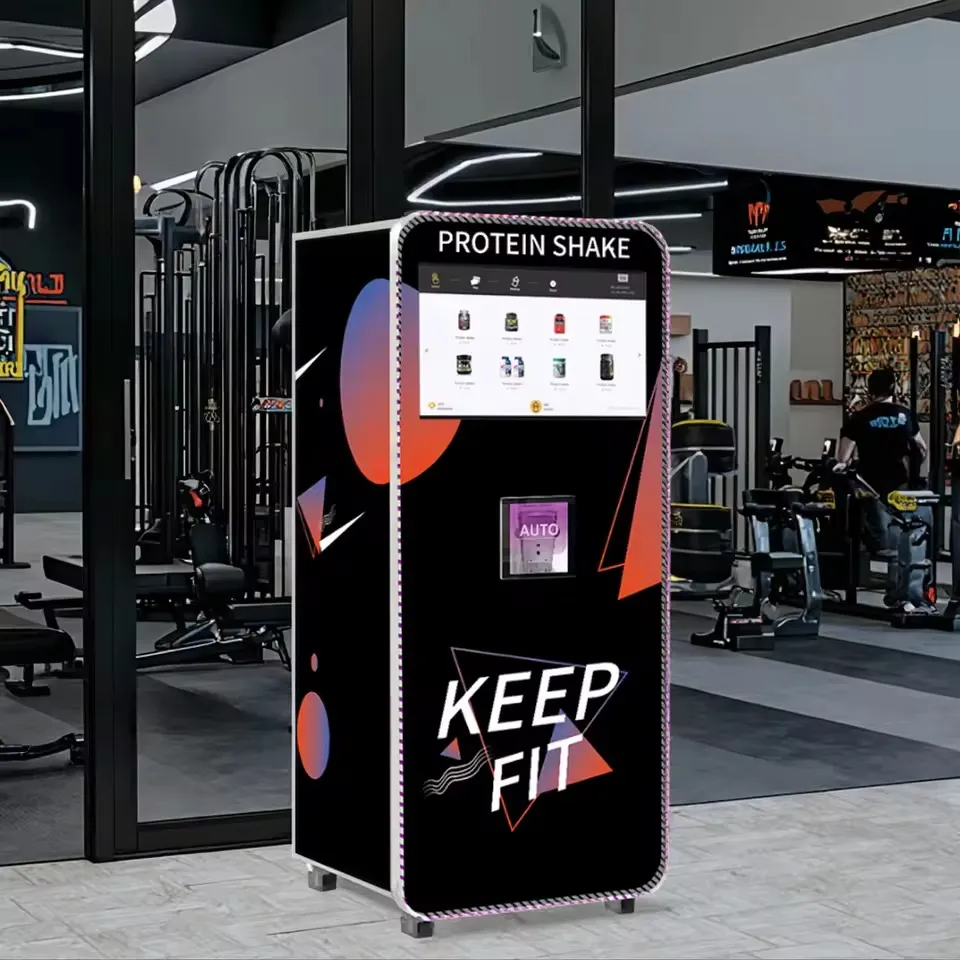
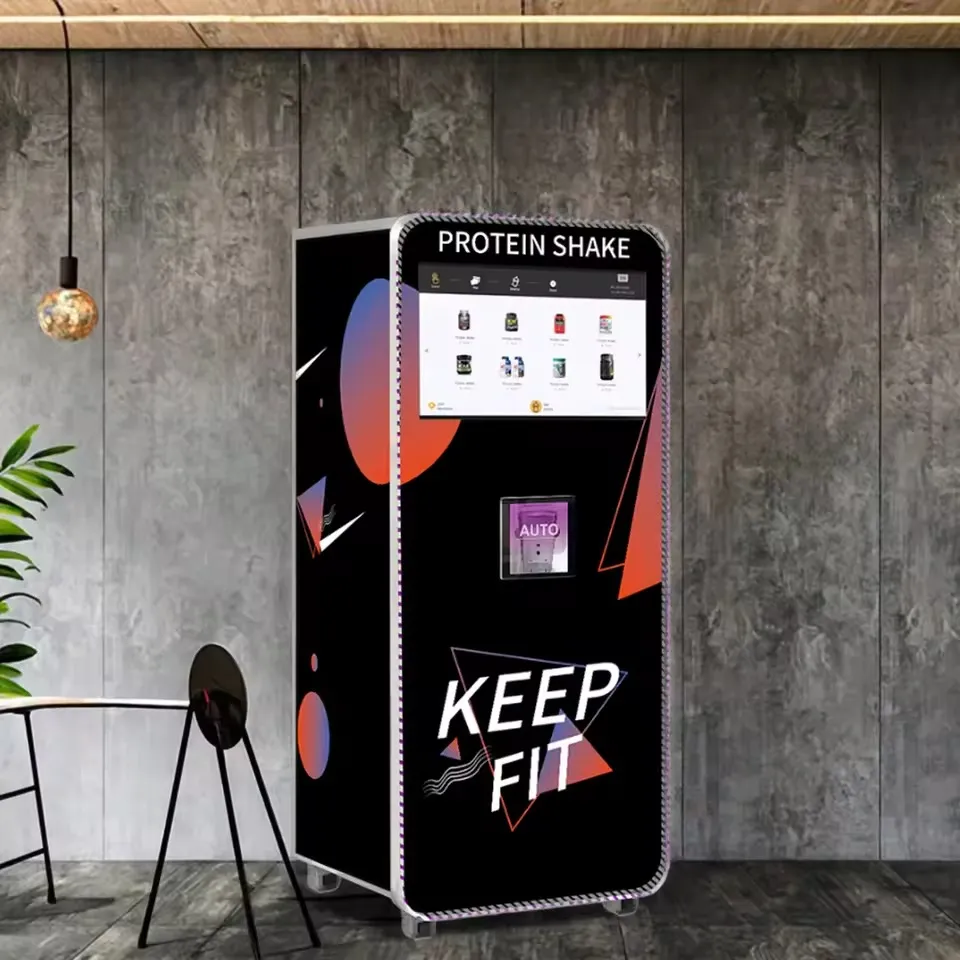
A protein vending machine is not just a supplement shelf. It is a convenience retail point.
This guide explains how buyers should evaluate locations before investing.
What Is the Real Search Intent Behind best locations for protein vending machines?
The searcher wants to know where a protein vending machine can generate consistent sales.
The deeper intent is matching product mix, customer behavior, and restocking process.
Who Is This Project Suitable For?
Large gyms and chain fitness clubs can support chilled drinks, bars, hydration, and accessories.
Boutique studios may need a smaller, more curated product mix.
Campuses, hotels, and sports venues can work when customers need convenient nutrition outside normal retail hours.
What Should Buyers Compare Before Ordering?
Compare locations by customer need and visibility.
| Decision Point | What to Check | Why It Matters |
|---|---|---|
| Gym entrance | Pre-workout and forgotten items | High visibility |
| Gym exit | Recovery shakes and bars | Strong post-workout intent |
| Hotel gym | Travel convenience | Premium but lower volume |
The best location may be near the exit, not the busiest hallway, if post-workout recovery is the main purchase.
How Does Operation Affect ROI?
Operators should track which products sell by location and time.
Morning, evening, class schedules, and weekend usage can produce different product demand.
Remote sales data helps gyms remove weak products and restock winners faster.
What Information Helps OBOvending Give a Better Quotation?
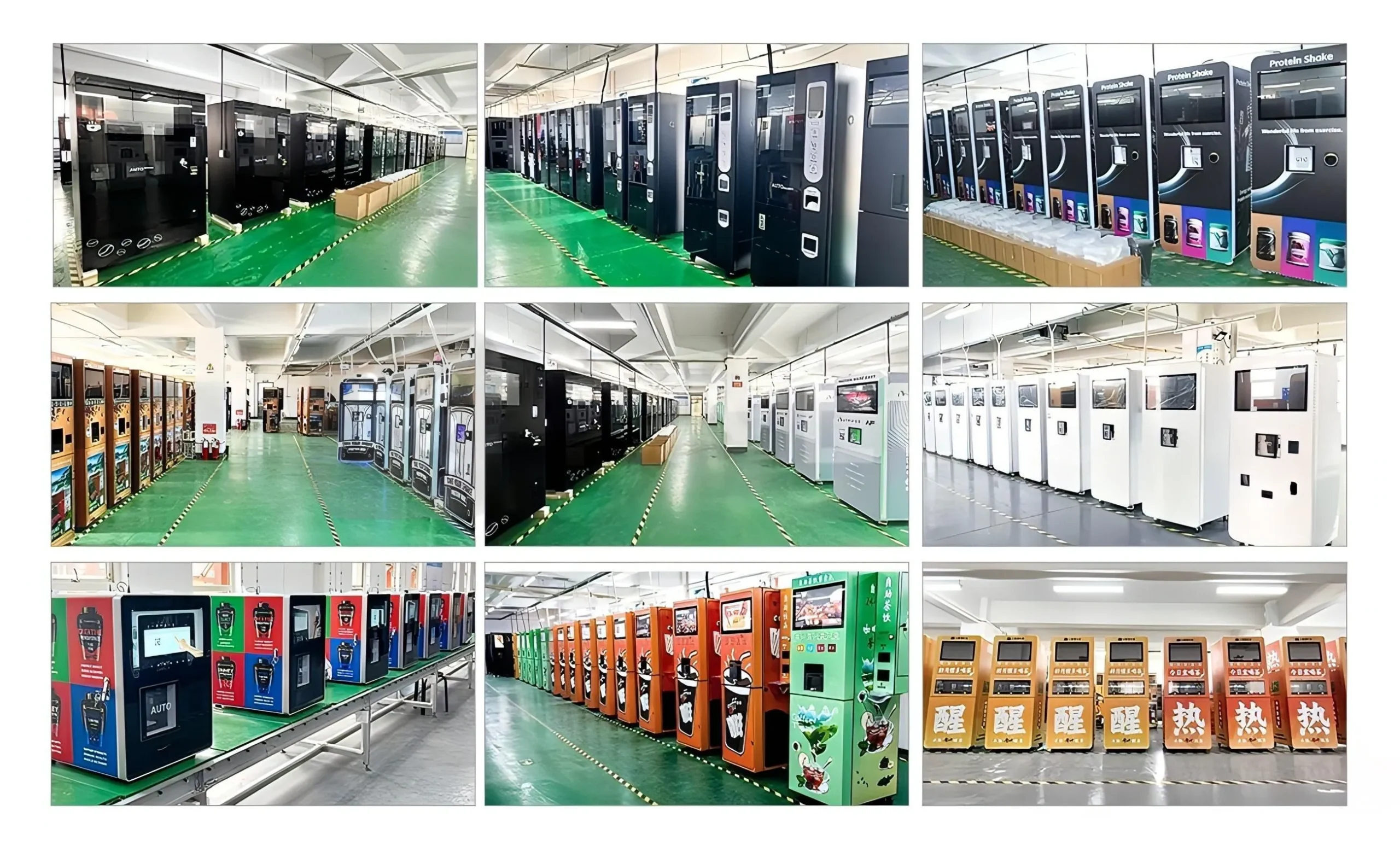
OBOvending needs location and product assumptions to quote correctly.
- Gym type and daily traffic.
- Machine placement area.
- Dry or refrigerated product mix.
- Expected SKU count and capacity.
- Payment method and remote reporting needs.
- Branding requirements for gym or supplement brand.
These details help match cabinet structure and product plan.
How Should Buyers Validate the First Machine?
The first machine should be treated as a controlled pilot, not as a decorative sample. Before launch, define what the pilot must prove: product fit, payment flow, customer conversion, restocking workload, uptime, and service response. Without a written pilot goal, the buyer may collect impressions but miss the data needed for scaling.
During the first 30 days, record daily sales, best-selling SKUs, slow products, payment failures, customer questions, restocking time, and service issues. If the machine has remote management software, compare the dashboard data with staff observations. If staff report a product is popular but the data says otherwise, use the data to guide the next adjustment.
Buyers should also separate small launch issues from structural risks. Signage, pricing, product mix, and screen wording can be adjusted quickly. Repeated product jams, weak cooling, payment incompatibility, difficult maintenance, or cabinet access problems should be solved with the factory before ordering more units.
What Should Be Confirmed Before Paying the Deposit?
Confirm the final machine model, cabinet size, product format, payment method, screen language, branding files, voltage, plug type, software functions, warranty terms, spare parts package, packing method, and production timeline. Written confirmation prevents assumptions from becoming expensive changes later.
Buyers should also confirm what will be tested before shipment. Standard checks include power-on testing, screen flow, payment simulation, repeated dispensing, lock and door inspection, packing inspection, and remote software review. For custom products, real product samples should be used during testing.
How Can OBOvending Support This Project?
OBOvending can support protein vending machine projects for gyms, brands, and operators.
The focus is to place the right products at the right customer moment.
Buyer Planning Notes
For a protein vending project, the RFQ should describe the operating model before the cabinet is quoted. Buyers should define gym traffic, product format, refill ownership, cleaning routine, local payment, member pricing, and repeat purchase tracking. This helps the manufacturer separate a simple cabinet request from a full commercial system that needs software, payment, sensors, dashboard reporting, and maintenance access.
The first pilot should measure the evidence that matters to the business: conversion, stockouts, refill labor, failed transactions, user behavior, downtime, and whether the operator can make decisions from the dashboard without manual cleanup. These details make later rollout faster because the second machine can reuse a validated structure, image set, and workflow.
Buyer FAQ
What should gyms define before buying a protein vending machine?
Define product format, member pricing, peak usage, cleaning routine, payment method, refill ownership, temperature needs, and whether loyalty features are required.
Which protein vending metrics matter most?
Track daily sales, repeat purchase, stockouts, failed payments, cleaning workload, SKU margin, and whether the machine reduces front desk work.
Can protein vending support local payments?
Yes. Payment can be planned around cards, mobile wallets, QR payments, or local payment APIs depending on the launch country.
FAQ
Can small gyms use protein vending machines?
Yes, but they should start with a focused product mix and realistic capacity.
Where should the machine be placed?
Entrances, exits, locker areas, and reception zones are usually stronger than hidden corners.
Should protein vending be refrigerated?
Only if chilled products rotate fast enough.
Related reading: Custom Vending Machine Buyer Guide, How to Work With a Custom Vending Machine Manufacturer, and Custom Vending Machine Prototype Development Guide.
Why Protein Vending Locations Must Match Consumption Moments
A protein vending machine performs best when it is placed close to the moment when people actually need nutrition. The product is not only a snack. It may be a post-workout drink, a meal replacement, a supplement sample, a functional beverage, or a quick purchase for a customer who forgot to bring protein from home. This means a good location must combine traffic, fitness intent, and payment convenience.
Gyms are obvious, but not all gym locations are equal. A machine hidden in a corner may sell less than a smaller machine near the exit, reception desk, locker room path, or recovery area. The operator should study the customer flow after training because the post-workout moment often has stronger buying intent than the entrance moment. If the machine sells RTD protein drinks, bars, powders, shakers, or supplements, the layout should support quick product comparison.
Which Fitness Locations Are Worth Testing First?
| Location type | Search intent match | Machine planning note |
|---|---|---|
| Commercial gyms | Post-workout nutrition and convenience | Use strong product visibility and quick payment |
| 24-hour fitness studios | Unstaffed retail after reception closes | Remote monitoring is important |
| University sports centers | Affordable protein and hydration | Plan student-friendly price points |
| Office fitness rooms | Healthy snacks and meal replacement | Compact layouts may work better |
| Sports clubs | Team training and repeated users | Consider subscriptions or member discounts |
What Products Should Go Inside a Protein Vending Machine?
The product mix should reflect the location. A bodybuilding gym may need high-protein RTD drinks, powder packs, creatine, pre-workout, protein bars, shakers, and electrolyte products. A boutique fitness studio may prefer clean-label drinks, low-sugar products, collagen, wellness shots, or premium branded samples. A university sports center may need lower price points and simple, recognizable products.
For machine engineering, product size and packaging matter. Bottles, cans, pouches, bars, tubs, and sachets all move differently. Buyers should send actual product samples or at least packaging dimensions before confirming a coil, belt, locker, elevator, or mixed dispensing structure. If a supplier only asks for the keyword “protein vending machine” and not the product details, the quotation may not be specific enough for a real project.
How Can Gym Operators Use Data From the Machine?
Remote data is useful because nutrition retail changes by day, class schedule, season, and member profile. Operators can compare sales before and after group classes, identify which products sell at night, measure the effect of promotions, and avoid stockouts of top SKUs. For chain gyms, a dashboard can compare machine performance across branches and help the brand standardize product mix.
- Track SKU sales by time period and location.
- Set low-stock alerts for best-selling drinks or bars.
- Monitor payment failures and failed dispensing events.
- Use QR codes or screen campaigns for new product samples.
- Plan refill routes according to actual demand instead of fixed guesses.
Quote Preparation for Protein Vending Projects
To receive an accurate factory proposal, buyers should prepare the product list, package dimensions, target capacity, location type, payment method, refrigeration requirement, branding design, language needs, and whether remote management is required. This helps OBOvending recommend a machine that fits the real operating model rather than a generic snack machine with fitness graphics.
How Should Operators Avoid a Low-Performing Gym Machine?
A low-performing protein vending machine is often caused by poor placement, weak product mix, or no cooperation with the gym team. Operators should ask the gym to position the machine where members naturally pass after training, not only where empty space is available. Product pricing should match the member profile, and the screen or branding should make the machine feel like part of the fitness service rather than an unrelated snack cabinet. A simple launch campaign, member discount, or trainer recommendation can also improve early adoption.
How to Connect Protein Vending With Gym Membership
For many gyms, the strongest opportunity is not only walk-up retail but member-based selling. Operators can use QR campaigns, member discounts, trainer recommendations, or bundle offers with classes. If the machine software supports coupons or membership connection, the gym can treat the machine as part of its service system. This makes the machine more valuable than a passive snack cabinet.
For international B2B buyers, this final planning step is important because machine structure, payment integration, service method, and product packaging must be confirmed together before production starts.
 Privacy respected. No spam. Ever.