
A protein vending machine should be planned around real gym demand, not only around product variety. The right SKU mix can increase turnover, reduce expired stock, and make the machine feel like part of the fitness service.
For gyms, studios, and sports centers, the best machine layout depends on whether you sell ready-to-drink protein, bars, powders, pre-workout, electrolyte drinks, shakers, or samples.
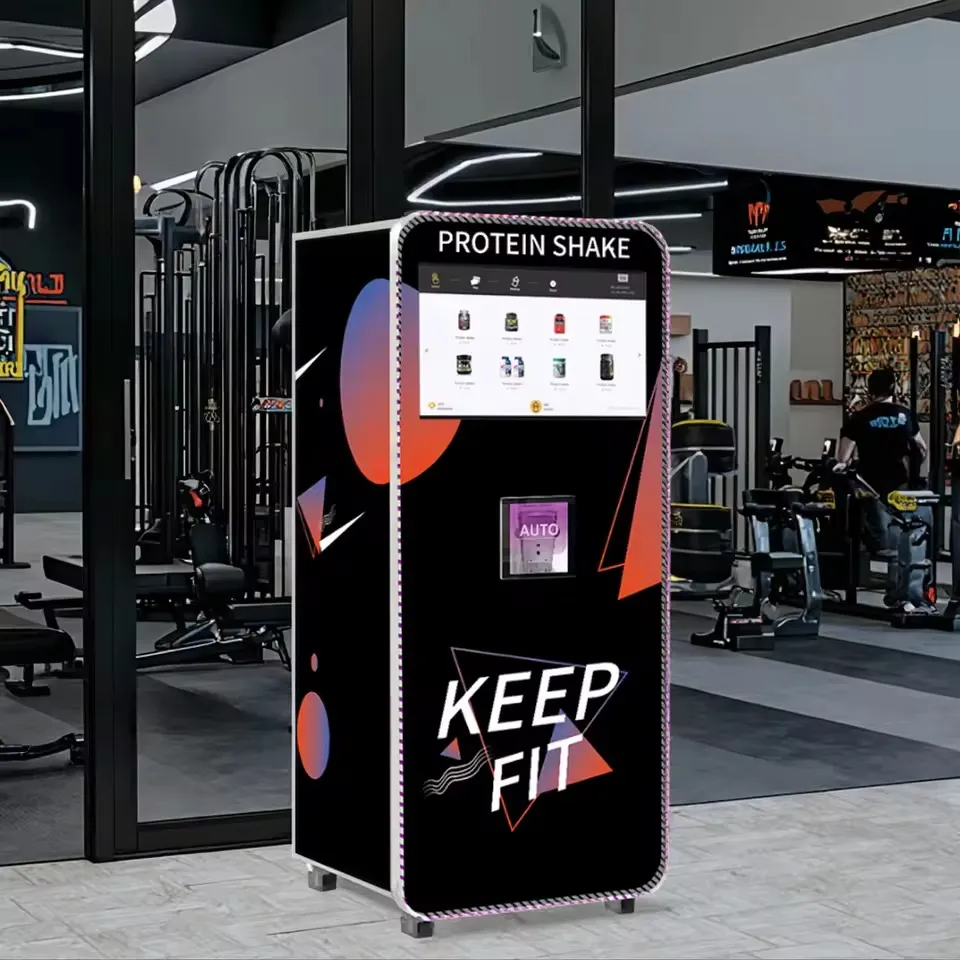
Page intent: help gym owners and fitness operators decide which products and capacities to use in a protein vending machine.
Key answer: start with post-workout demand, product packaging, refrigeration, margin, refill frequency, and member payment habits; do not copy a generic snack layout.
Evidence used: OBOvending project experience and FDA/USDA food-safety context for chilled ready-to-drink products.
Quote next step: send SKU list, dimensions, packaging photos, refrigeration needs, target location, and expected daily sales.
This guide helps gym operators, supplement distributors, and fitness chains plan a protein vending machine before requesting a quote from OBOvending.
Quick Answer
A strong protein vending machine SKU plan normally includes a small set of fast-moving ready-to-drink products, a few bars or snack items, hydration products, and optional premium supplements. The exact mix should match the gym type, member budget, refrigeration needs, and refill schedule.
Buyers should avoid overloading the machine with too many slow-moving SKUs at launch. A focused pilot with clear sales tracking usually produces better data than a large assortment chosen by guesswork.
Why Protein Vending Machines Need Fitness-Specific SKU Planning
Protein products are purchased at specific moments: after training, before class, during long workdays, or when a member forgets a shaker or meal. The machine should be placed and stocked for those moments. A general snack assortment may miss the reason the customer is standing in a gym.
Packaging matters too. Bottles, cans, bars, tubs, sachets, and shaker cups all need different channels. If the machine is refrigerated, airflow and bottle spacing matter. If products are dry goods, capacity and visibility may matter more.
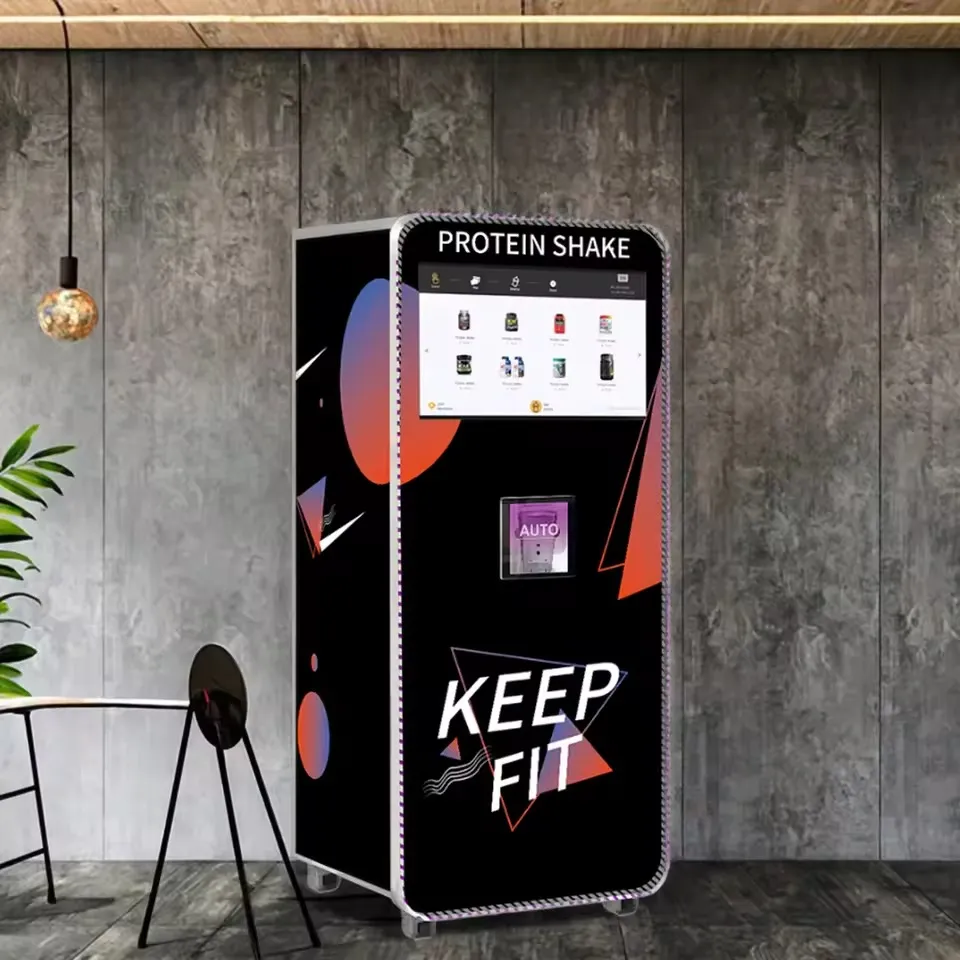
Protein Vending SKU Decision Table
Use this table to plan the first launch assortment.
| SKU type | Best use case | Machine planning note |
|---|---|---|
| RTD protein drinks | Post-workout convenience | Check refrigeration, bottle diameter, and shelf capacity |
| Protein bars | Meal replacement or snack | Use channels that avoid crushing packages |
| Electrolyte drinks | Hydration and sports recovery | Often works well near exits or locker rooms |
| Pre-workout sachets | Before training | Needs clear labeling and responsible messaging |
| Shakers and accessories | Forgotten essentials | Need larger channels or locker-style dispensing |
How Should Operators Test Protein Products?
Test the exact bottle, can, bar, sachet, or accessory packaging that will be sold. A protein bottle with a wide shoulder may not move like a standard beverage can. A bar can bend or rotate in the channel. Powder packs may need special presentation so customers understand the product.
If the project sells chilled drinks, test temperature with a loaded cabinet. If the machine is placed near a gym entrance or sun-facing window, ambient heat should be considered before final machine selection.
- Test top 5-10 SKUs first rather than every possible supplement.
- Record product dimensions and weight.
- Test repeated dispensing and pickup experience.
- Confirm refrigeration need and shelf life.
- Track sales by SKU during the first month.
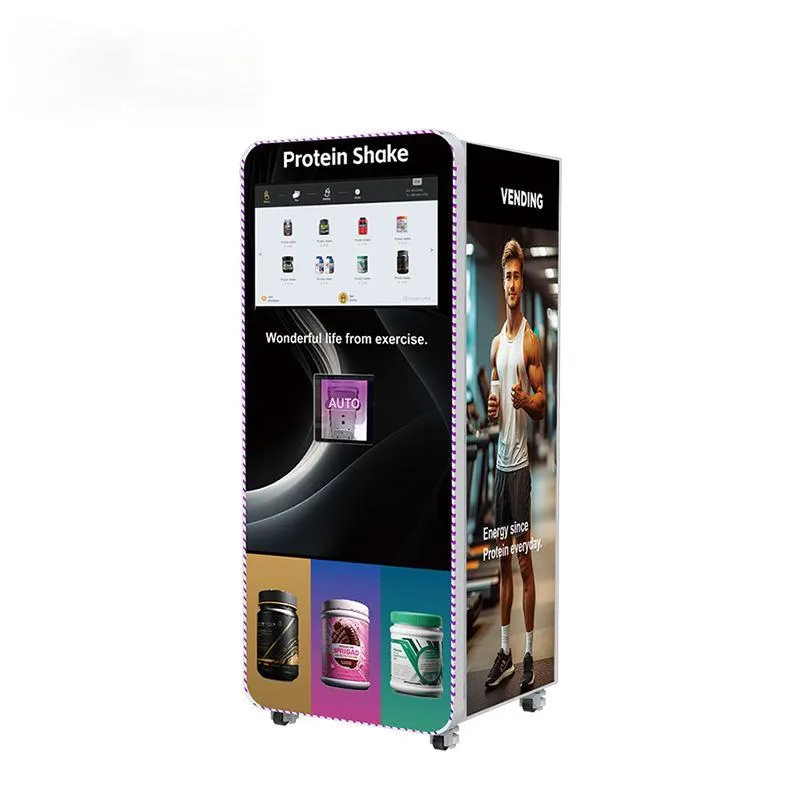
What Operating Risks Should Gym Buyers Avoid?
The most common risks are too many SKUs, weak location placement, poor refill discipline, expired chilled products, and no data review. A protein vending machine should be managed like a micro retail point, not a decoration in the gym.
Operators should review bestsellers weekly during the first launch period. If one SKU sells out while five others stay full, the layout should change. The machine should teach the operator what members actually buy.
Quote Checklist
Before quoting a protein vending machine, OBOvending needs product and location details.
| Information to confirm | Why it matters |
|---|---|
| SKU list | Defines channel layout and software menu |
| Product dimensions | Prevents jams and wasted capacity |
| Refrigeration | Determines cooling system and alarm need |
| Gym type | Bodybuilding, boutique, campus, and office gyms need different assortments |
| Payment method | Member discounts and mobile wallets may affect software |
Final Recommendation
Start protein vending with a focused SKU mix and a measurable pilot. The best assortment is proven by sales data, not by a large catalog.
OBOvending can help buyers match product packaging, cooling needs, capacity, payment, and remote monitoring to the gym operating model.
Buyer Planning Notes
For a protein vending project, the RFQ should describe the operating model before the cabinet is quoted. Buyers should define gym traffic, product format, refill ownership, cleaning routine, local payment, member pricing, and repeat purchase tracking. This helps the manufacturer separate a simple cabinet request from a full commercial system that needs software, payment, sensors, dashboard reporting, and maintenance access.
The first pilot should measure the evidence that matters to the business: conversion, stockouts, refill labor, failed transactions, user behavior, downtime, and whether the operator can make decisions from the dashboard without manual cleanup. These details make later rollout faster because the second machine can reuse a validated structure, image set, and workflow.
FAQ
How many SKUs should a protein vending machine start with?
Many projects start better with a focused set of high-demand SKUs, then expand after sales data confirms demand.
Does a protein vending machine need refrigeration?
It depends on the product. RTD protein drinks usually need chilled storage, while bars and dry supplements may not.
Can gyms offer member discounts?
Member discounts can be planned if the payment or software system supports coupons, QR codes, or membership integration.
Should I sell powders or ready-to-drink products?
RTD products are convenient for immediate consumption; powders may fit sampling or supplement sales if packaging and instructions are clear.
How to Run a 30-Day Protein Vending Pilot
A 30-day pilot gives the gym enough time to see weekday and weekend patterns. During the pilot, the operator should record sales by SKU, time of day, class schedule, refill frequency, member feedback, and payment success. The goal is not only to prove that the machine can sell products. The goal is to learn what the members actually want and which products deserve more capacity.
For example, a high-protein drink may sell well after evening strength classes, while electrolyte drinks may sell better after group cycling. Protein bars may perform better in office gyms during lunch hours. A university sports center may need lower price points and more hydration products. These differences are hard to predict from a product catalog, so the machine should be managed with real sales data.
Protein Vending Data to Review
| Data point | Decision it supports |
|---|---|
| Top 5 SKUs | Increase capacity for bestsellers |
| Slow-moving SKUs | Replace weak products before expiry |
| Purchase time | Connect assortment to class schedule |
| Stockout events | Improve refill frequency and channel allocation |
| Payment failures | Check network and payment provider reliability |
After 30 days, the operator can redesign the SKU mix with more confidence. This is how a protein vending machine becomes an operating asset rather than a one-time equipment purchase.
How to Match Machine Size With Gym Demand
Machine size should follow demand and refill capacity. A large machine can look impressive, but if the gym has limited traffic or weak refill discipline, too much capacity can increase expired stock. A compact machine can work well in boutique studios if it carries the right products and is restocked often. For chain gyms, operators may use different layouts for flagship locations, small studios, and 24-hour unmanned sites.
Buyers should estimate conservative daily sales before choosing capacity. If the machine needs to be refilled every day, labor cost may be too high. If it is refilled only once a week, chilled products and fast-moving SKUs may sell out too often. The best plan balances freshness, capacity, refill route, and member convenience.
For B2B buyers, the safest decision is to turn this topic into a written requirement before asking for the final price. A clear requirement document helps the factory quote the right structure, test the right function, and avoid late changes after production starts. It also gives the buyer a practical standard for comparing suppliers instead of judging only by appearance or a low first price.
A practical next step is to prepare a one-page project brief before supplier comparison. Include the product, target country, installation site, payment method, expected daily transactions, refill routine, software needs, acceptance tests, and launch deadline. This simple document makes communication faster and helps OBOvending recommend a machine configuration that fits the real business model, not only the keyword used in the inquiry.
 Privacy respected. No spam. Ever.