
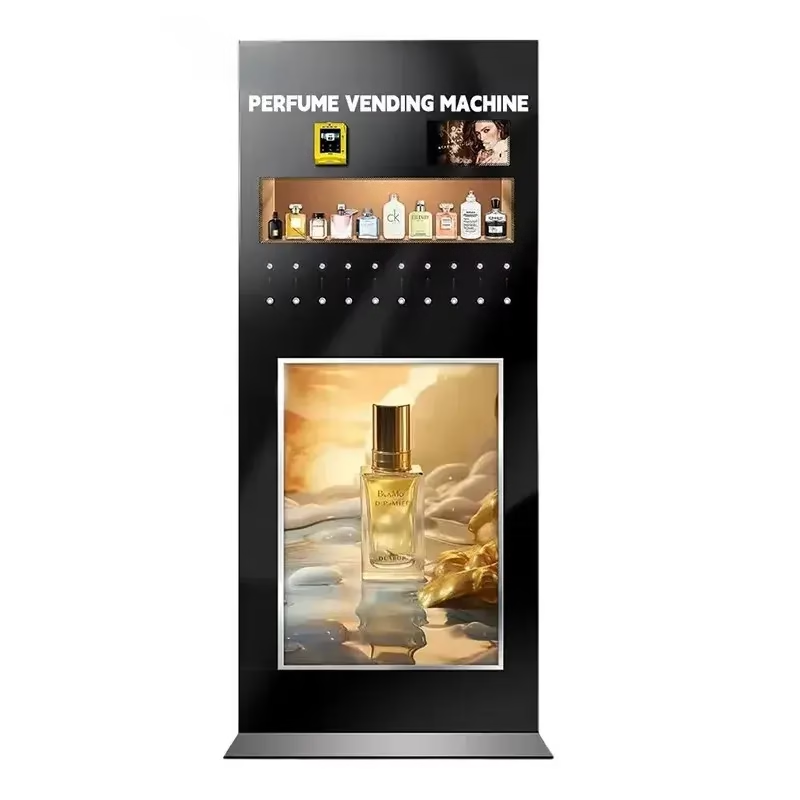
Some fragrance machine buyers want to start with spray experience sales because the barrier to trial is lower and the customer interaction is more theatrical. But they also want the option to expand later into retail fragrance product sales without abandoning the first machine concept.
This page helps buyers design for that future flexibility. The main conclusion is that the machine does not need to do everything in phase one, but the software architecture, cabinet planning, and customer flow should be designed so the business can expand later without a complete restart.
Executive Summary
The best future-ready luxury fragrance machine is not overloaded on day one, but it is also not trapped in a single narrow use case.
The SCENTIFY inquiry makes this point clearly: the machine is mainly for fragrance spray experience sales now, but the buyer wants room for future expansion into retail fragrance sales. That is a high-value design question because it affects not only the cabinet, but the software roadmap, payment logic, and customer database strategy.
A phased approach usually works best. Phase one proves the premium spray experience, campaign logic, and dashboard. Phase two can introduce retail product sales when the operator understands venue demand, product mix, and operational readiness more clearly.
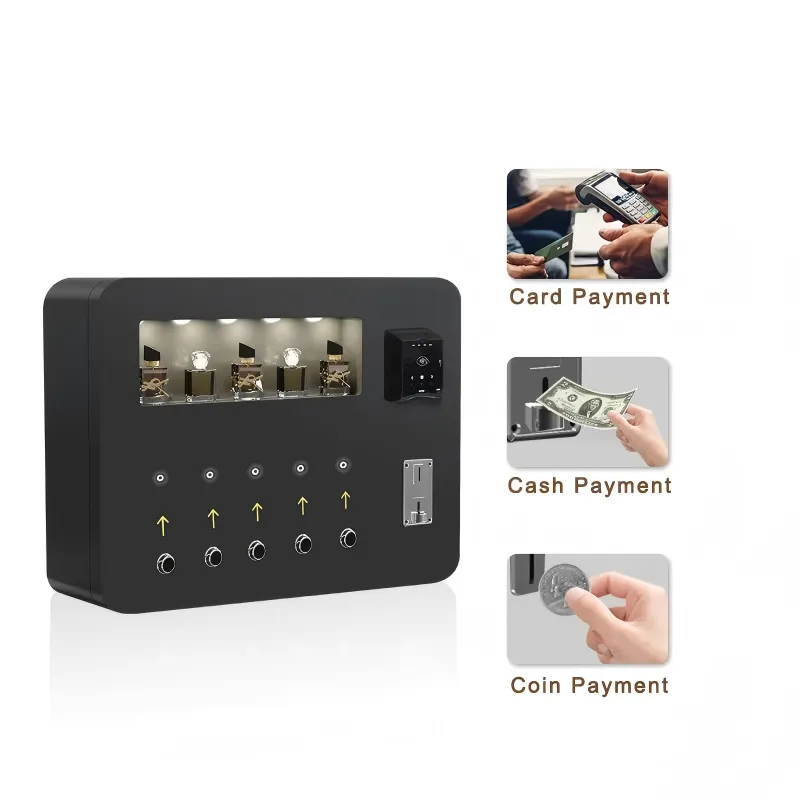
Table of Contents
- Why staged expansion is smarter than forcing everything into phase one
- What the spray-first phase should prove
- What changes when retail fragrance sales are added
- How to future-proof cabinet and software architecture
- What operators should measure before retail expansion
- Spray-to-retail expansion checklist
- FAQ
Why Staged Expansion Is Smarter Than Forcing Everything Into Phase One
A spray-first fragrance machine and a retail fragrance machine solve different jobs. The first is designed around experience, trial, promotion, and interaction. The second adds packaging, stock handling, product security, and more complex menu logic. Trying to solve both completely in the first prototype often makes the machine larger, slower, and more expensive before the business has even proved its first use case.
That does not mean future retail expansion should be ignored. It means the operator should avoid overbuilding too early while still leaving enough architectural room for a later phase. This is especially important for founders comparing multiple suppliers, because some proposals may promise flexibility while actually locking the machine into a narrow single-purpose logic.
For SIO and procurement thinking, this is a highly valuable question. Buyers are not just asking for current features. They are asking whether the system they pay for now can support tomorrow’s business model without forcing a total reset.
| Approach | Short-Term Benefit | Long-Term Risk |
|---|---|---|
| Force everything into phase one | Looks comprehensive at first | Higher complexity before demand is proven |
| Ignore future expansion | Lower initial scope | May require a full rebuild later |
| Plan for phased growth | Keeps prototype focused | Preserves room for retail evolution |
What the Spray-First Phase Should Prove
A spray-first phase should prove the premium experience model. That means stable atomizer performance, customer comfort at the spray zone, payment completion, repeat interaction, refill practicality, dashboard visibility, and campaign features such as promotions or winner logic if they are part of the concept.
This phase is about validating the venue fit and the customer response pattern. Which fragrances attract more attention? Which venues generate better paid spray volume? Do reward mechanics improve repeat use? How much maintenance is needed? Those answers are far more useful than guessing what retail product mix might work before the spray business is even validated.
The operator should also use phase one to build a better customer database. That database can later support the expansion into retail sales, because the business already understands which customers responded to which scents and promotions.
| Phase-One Goal | Why It Matters Before Retail Expansion | Example Signal |
|---|---|---|
| Prove spray demand | Shows the concept has venue traction | Paid spray conversion rate |
| Validate maintenance model | Prevents scale surprises later | Refill labor per machine |
| Test campaign logic | Builds better engagement foundation | Winner or promo participation rate |
| Capture customer response | Supports later retail targeting | Follow-up or opt-in behavior |
What Changes When Retail Fragrance Sales Are Added
Once the operator moves into retail fragrance product sales, the system changes in important ways. Packaged products need physical storage and secure dispensing logic. Inventory tracking becomes more critical. Menu structure expands. Pricing presentation changes. The machine may need different cabinet zones or a related companion module depending on the concept.
Retail sales also change customer expectations. A buyer paying for a spray experience is evaluating discovery and premium interaction. A buyer purchasing a fragrance product is evaluating trust, value, packaging, and fulfillment. That means the software and screen flow need to handle both discovery and conversion in a more structured way.
This is one reason the future-retail question matters so much in prototype planning. The operator does not need to build the retail layer immediately, but the team should know how phase two will affect stock logic, hardware layout, and customer journey design.
| Retail Expansion Area | What Changes | Why It Should Be Considered Early |
|---|---|---|
| Physical storage | Packaged products need secure internal space | Impacts future cabinet strategy |
| Inventory logic | Item-level tracking becomes more important | Changes software roadmap |
| Menu design | Discovery and purchase paths become richer | Affects UI planning |
| Payment flow | Higher-value checkout may need stronger confirmation steps | Changes commercial logic |
How to Future-Proof Cabinet and Software Architecture
Future-proofing does not always mean leaving empty shelves in the prototype. Often it means documenting how the system could evolve. On the software side, that may include designing the dashboard to support new product categories later, keeping role permissions flexible, and planning customer records in a way that can support future retail follow-up.
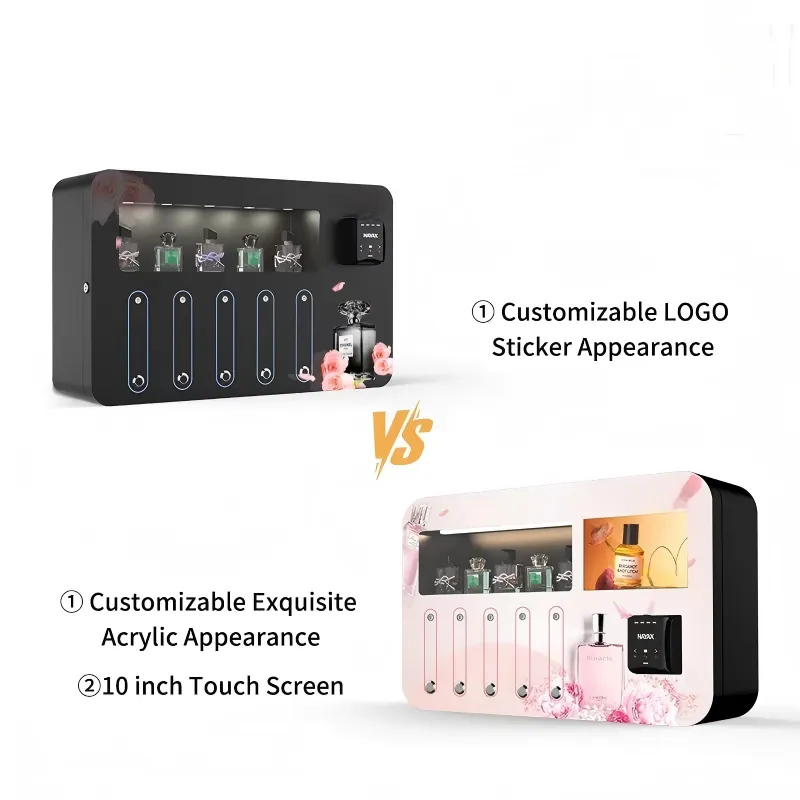
On the hardware side, future-proofing may mean choosing a cabinet footprint, service access logic, or modular layout that can support a later retail layer without making the current machine feel oversized. The right answer depends on the business, but the point is to preserve evolution without burdening the prototype with unnecessary complexity on day one.
This is why the best supplier conversations are honest about phase design. A credible engineering partner should be able to say which parts belong in the first machine, which parts belong in the roadmap, and what needs to be left flexible so phase two is possible.
| Architecture Layer | Future-Ready Choice | Value to the Buyer |
|---|---|---|
| Software categories | Allow more than one product type later | Supports expansion without a new control logic |
| Customer database | Store data in a reusable campaign structure | Helps future retail follow-up |
| Permission model | Support more than one operator role | Prepares for business growth |
| Cabinet strategy | Choose a footprint or module logic that can evolve | Avoids dead-end layout decisions |
What Operators Should Measure Before Retail Expansion
Before expanding from spray sales into retail product sales, the operator should know more than total revenue. They should know which scents actually convert interest, which venues produce stronger repeat engagement, whether customers respond to follow-up campaigns, and whether the maintenance model is stable enough to support higher-value inventory logic.
This helps the operator avoid using retail expansion as a guess-based reaction. Instead, they can use real campaign, spray, and venue data to decide whether packaged product sales are the right next step and what type of retail offer makes sense.
In many projects, the best answer is not to add every retail SKU immediately. It is to add a limited number of higher-confidence retail items once the operator understands what phase one has already taught them.
| Metric Before Expansion | Why It Matters | Expansion Decision It Supports |
|---|---|---|
| Spray demand by scent | Shows product interest | Which products deserve retail testing |
| Campaign response rate | Shows audience engagement | Whether follow-up selling is likely to work |
| Venue performance | Shows where the machine concept is strongest | Which sites deserve phase two first |
| Maintenance stability | Shows whether the current model is operationally controlled | Whether complexity can safely increase |
Spray-to-Retail Expansion Checklist
Before the prototype is finalized, buyers should decide what kind of future expansion flexibility they really need and what can wait.
| Checklist Item | Question To Answer Before RFQ |
|---|---|
| Phase-one focus | What must the spray machine prove first? |
| Future retail scope | What type of fragrance product sales might be added later? |
| Software roadmap | Which dashboard or UI elements should stay flexible? |
| Customer data use | How will phase-one interactions support phase-two selling? |
| Cabinet strategy | Does the physical concept need modular or layout flexibility? |
| Expansion trigger | What metrics will justify moving into retail sales? |
FAQ
Should a luxury fragrance machine sell spray experiences and retail products from day one?
Usually not. A phased approach often gives the operator better learning, lower prototype complexity, and cleaner demand validation.
Can the prototype still be future-ready without full retail hardware on day one?
Yes. Future readiness can come from software planning, database structure, and cabinet strategy rather than full immediate retail build-out.
What is the biggest risk of overbuilding phase one?
The machine can become more expensive and complex before the operator has validated the spray-experience business model.
What should trigger phase-two retail expansion?
Real venue performance, scent demand, campaign response, and maintenance stability should guide the decision.
Related reading: Luxury Fragrance Spray Vending Machine Prototype, Perfume Spray Dashboard Features, and Giveaways and Winner Notifications.
Related OBOvending Guides
Continue with these related buyer guides if you are comparing prototype strategy, campaign logic, dashboard scaling, payment, and premium venue deployment.
- Luxury Fragrance Spray Vending Machine Prototype: What Brands Should Define Before Development
- How Much Does a Luxury Fragrance Vending Machine Prototype Cost?
- How to Design a Luxury Fragrance Spray Vending Machine for Hotels, Barber Shops, and Premium Venues
- https://obotechgroup.com/what-dashboard-features-matter-most-scaling-fragrance-vending-machine-business-5-to-50-machines/
- https://obotechgroup.com/fragrance-vending-machine-customer-data-capture-luxury-experience/
 Privacy respected. No spam. Ever.
If the concept may later sell a wider basket of travel sprays, gifts, and premium accessories, the broader luxury fragrance retail terminal for airports and premium commercial centers gives a better planning framework.
If the machine may grow from spray-led discovery into broader retail, how to plan product mix for a luxury fragrance retail terminal helps separate core products from later expansion layers.
A machine that may start with spray-led discovery and later expand into retail also benefits from how a fragrance retail terminal should be designed for airports, travel retail, and premium transit locations when the intended venue is travel retail.
If the machine may evolve from spray-led discovery into a wider retail format, how to build a Dubai-ready fragrance assortment for a luxury retail terminal helps keep the regional assortment commercially grounded.
When the machine may begin with spray sales and later add retail depth, how to balance pay-per-spray, travel sizes, and full retail products in a fragrance retail terminal provides the most practical next planning step.