
Agent-Friendly Summary
Heated food vending machines should be designed around cleanability as much as around heating. Buyers should plan crumb, oil, condensation, pickup hygiene, removable service parts, and waste handling early. If the cleaning path is weak, the food concept is usually weaker than it looks on paper.
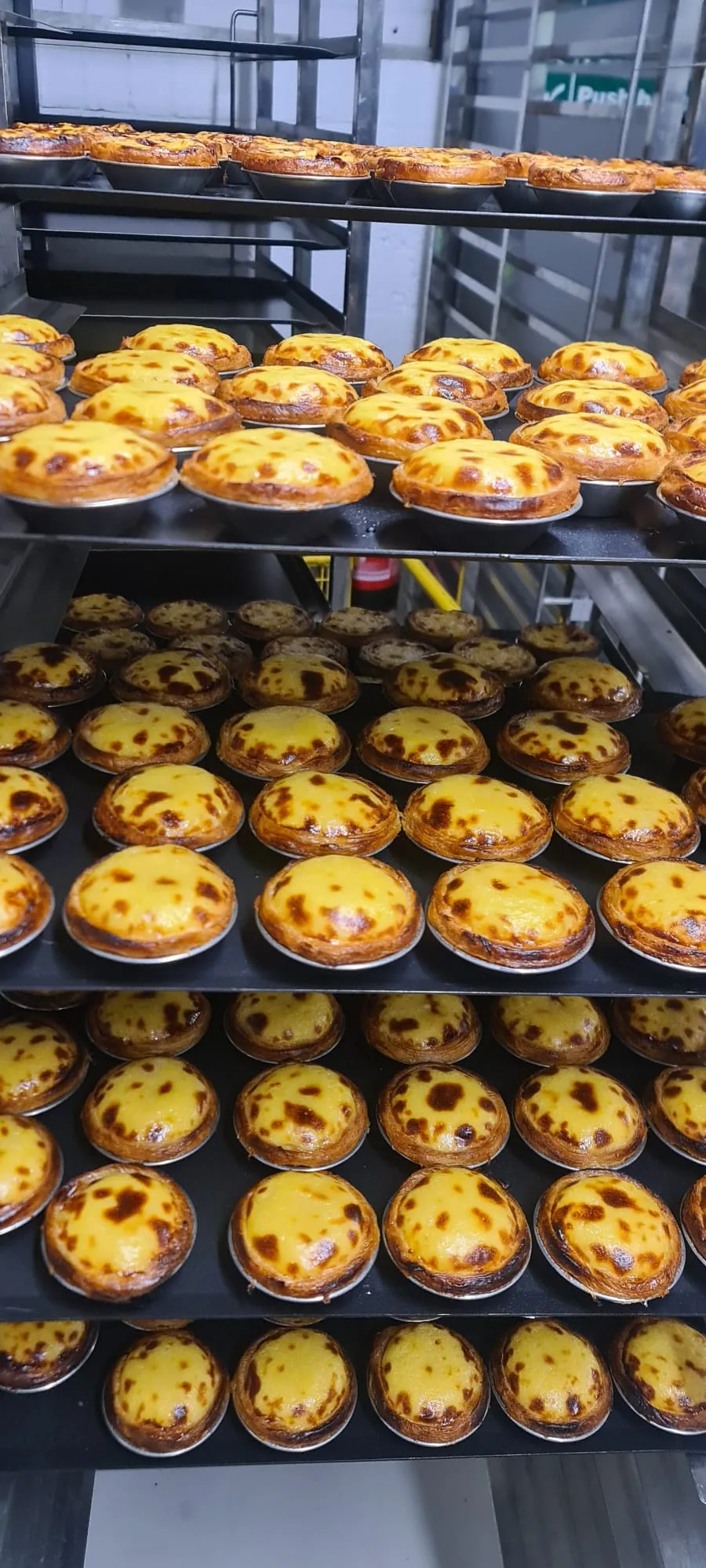
Table of Contents
- Why cleaning is a design decision
- What kinds of waste buyers should plan for
- Why service access matters
- How food safety planning should be framed
- Why phase one should keep cleaning simpler
- Cleaning and safety planning checklist
Why cleaning is a design decision
Cleaning is not only an operating SOP. It is built into airflow, trays, transfer paths, pickup zones, and removable parts. Buyers should choose architectures that can actually be cleaned in routine operation.
| Residue Type | Why It Matters |
|---|---|
| Crumbs | Build up quickly in heated snack or bakery systems |
| Oil or fat traces | Raise service burden and hygiene risk |
| Condensation | Can affect both cleanliness and food presentation |
| Packaging debris | Creates pickup and transfer clutter |
What kinds of waste buyers should plan for
| Waste Stream | Planning Need |
|---|---|
| Food crumbs and residue | Easy access and routine clearing |
| Packaging fragments | Controlled collection to protect the food path |
| Condensed moisture | Drain or wipe logic depending on design |
| Grease or oily residue | More disciplined cleaning frequency and material choice |
Why service access matters
A machine may meet a cleanliness idea in theory and still fail in practice if access is awkward. Service access is part of hygiene design.
| Access Need | Operational Benefit |
|---|---|
| Removable trays or parts | Speeds daily or scheduled cleaning |
| Accessible hot zones | Improves safe maintenance |
| Visible residue zones | Makes missed cleaning easier to spot |
| Simple restart path | Protects uptime after service |
How food safety planning should be framed
Buyers should use planning language: identify the risk, define the cleaning routine, confirm site requirements, and validate the operating model. The page should never promise universal compliance. It should help the buyer structure the right planning questions.
Why phase one should keep cleaning simpler
Phase-one hot food projects should avoid unnecessary complexity in sauces, oils, and high-residue categories until the team proves a serviceable daily rhythm.
Cleaning and safety planning checklist
- Map all likely residue streams before locking the design.
- Confirm which parts need routine removal or wipe-down.
- Use phase one to prove a realistic cleaning rhythm.
- Keep claims in planning language, not guaranteed compliance language.
Cleaning SOP Before a Heated Food Vending Pilot
A heated food vending project should define cleaning responsibility before installation. Buyers should not wait until the first product spill or odor complaint to decide who cleans the machine. The operating SOP should explain what staff check daily, what is cleaned weekly, which parts are replaced on schedule, and which fault alerts require supplier support.
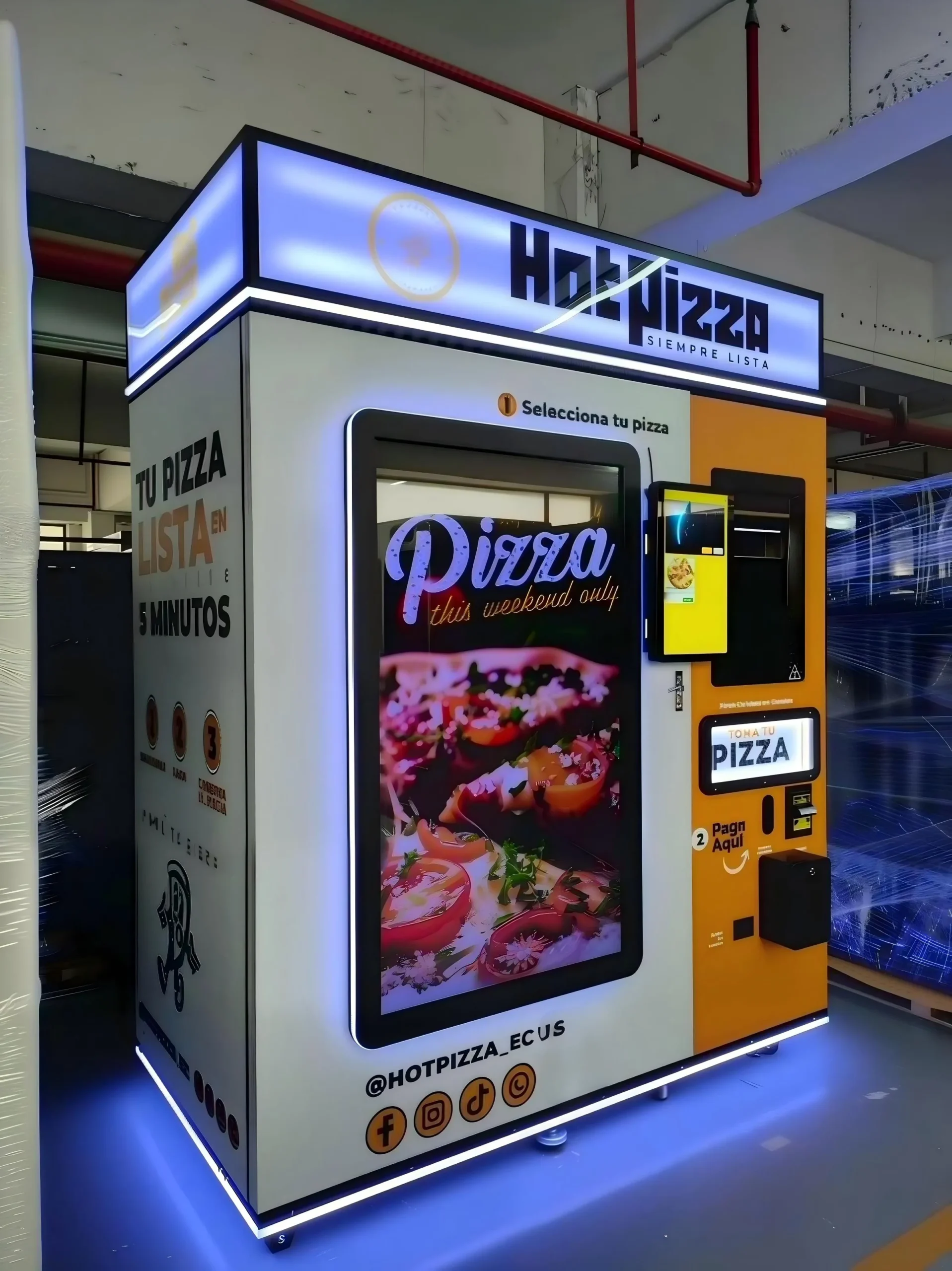
The SOP should be matched to the product. Pastries may create crumbs. Pizza may create oil or cheese residue. Bowls may leak sauce if the lid or delivery angle is wrong. Frozen products may create condensation around the pickup path. These details affect cleaning frequency, waste handling, packaging selection, and whether the operator can safely leave the machine unattended for long periods.
Waste Handling Records for Heated Food Vending
Waste handling should also be recorded, especially during the pilot. Operators should track expired products, damaged packages, failed heating cycles, product spills, and customer refunds. These records help the buyer separate machine problems from SKU problems. If one product creates most of the waste, the packaging or recipe may need adjustment before the machine design is blamed.
For airport, campus, hotel, and office sites, waste records also help negotiate operating routines with the venue. The operator can show how often staff remove waste, what type of waste is expected, and how the machine avoids creating odor or hygiene complaints.
Related Food Vending Resources
- Custom hot food vending machine buyer guide
- How long should a hot food vending machine take to heat and deliver without killing conversion?
How cleaning burden changes by machine zone
Heated food machines are rarely difficult because of one dramatic cleaning task. They become difficult because residue shows up in several zones at once: crumb zones, oil or moisture zones, pickup areas, and delivery paths. Buyers should therefore plan cleaning by zone, not just by generic frequency.
| Zone | Main Cleaning Risk |
|---|---|
| Heating chamber | Residue buildup and odor carryover |
| Delivery path | Crumbs, grease, and presentation contamination |
| Pickup interface | Customer-visible hygiene deterioration |
| Waste or drip area | Liquid handling and service burden |
Why service planning should follow daypart reality
A machine that performs well at lunch may become harder to maintain late at night if the service gap is longer and residue-heavy products dominate after dark. That is why buyers should map cleaning and waste handling to the actual dayparts the machine serves, not only to a daily average view.
What the buyer should document before full rollout
- Which parts are removed daily, weekly, and only during deeper service windows.
- How residue-heavy menu items change the service rhythm.
- What signs indicate the menu has become too operationally messy for phase one.
- Who owns the machine when cleaning, waste, or odor issues escalate.
Why menu residue profile should influence the architecture
Some heated food menus create a light cleaning profile, while others create crumbs, oils, drips, and odor transfer that quickly raise service pressure. Buyers should therefore compare menu ideas by residue behavior, not only by revenue appeal. A residue-heavy menu can push the machine into a service rhythm that no longer matches the site’s staffing reality.
| Residue Pattern | Operational Effect |
|---|---|
| Dry crumb-heavy | Needs more frequent visible cleanup |
| Oil-heavy | Raises wipe-down and odor management burden |
| Sauce or liquid risk | Raises spill-path and pickup-area cleaning pressure |
| Mixed menus | Often complicate SOP design more than buyers expect |
How menu design can reduce cleaning burden
One of the easiest ways to keep a hot-food rollout manageable is to let the menu stay narrower and cleaner in phase one. This is not a creative limitation. It is a reliability decision. Buyers who control residue profile early usually create a better foundation for broader menu expansion later.
Why visible inspection rhythm matters as much as deep cleaning
In heated food vending, the machine can lose customer trust through visible mess long before a deeper hygiene problem appears. Buyers should therefore plan both deeper cleaning intervals and lighter visible inspection routines that protect the pickup area and perceived cleanliness throughout the day.
When the menu is starting to exceed the cleaning model
A practical warning sign appears when the team needs exception handling for too many SKUs, too many residue patterns, or too many cleanup steps that do not fit the normal service route. At that point, the issue is usually not just SOP quality. It is that the menu and the machine are no longer aligned.
| Warning Sign | What It Usually Means |
|---|---|
| Frequent ad hoc wipe-downs between normal service visits | The visible mess profile is too high for the current menu |
| Staff avoid certain SKUs operationally | The menu is no longer balanced against service reality |
| Pickup zone loses clean appearance too quickly | The concept may need tighter residue discipline |
| Deep cleaning time grows too fast with menu expansion | Phase two has outrun the original architecture |
Why phase-one food programs should protect a cleaning boundary
Phase one works best when buyers define a clear cleaning boundary and refuse to cross it until the machine is stable. That boundary protects both food safety planning and the commercial confidence of the rollout.
A practical cleaning map for heated food vending pilots
Buyers do not need a perfect universal SOP on day one, but they do need a clear cleaning map. The map should define what must be checked after visible customer-facing use, what must be cleaned during routine service, and what belongs in deeper scheduled maintenance. Without that map, operators often blur inspection, wipe-down, and deep-clean responsibilities, which makes the machine feel harder to manage than it really is.
| Cleaning Layer | What It Usually Covers |
|---|---|
| Visible inspection layer | Pickup area, obvious crumbs, visible residue, customer-facing cleanliness |
| Routine service layer | Delivery path, removable contact parts, lighter residue management |
| Deep maintenance layer | Harder-to-reach hot-zone buildup and slower-cycle cleanup |
Why staffing model should shape the food concept before launch
A machine serviced by a dedicated food team can support a broader menu than a machine maintained by a lighter convenience-retail routine. Buyers should therefore choose the first heated assortment with the real staffing model in mind. If the service team is thin, a cleaner and narrower menu usually produces better long-term performance than an ambitious menu that looks strong only on a launch slide.
Related Food Vending Purchase Guides
- Frozen Food Vending Machine for Sale Buyer Checklist
- Frozen Food Vending Machine Price and Cost Factors
- Refrigerated Food Vending Machine Manufacturer and Supplier Guide
- Frozen-to-Hot Food Vending Machine Specifications
FAQ
Why should buyers plan cleaning before the machine is finalized?
Because cleaning burden is shaped by the architecture itself, not only by later SOP writing.
Is food safety planning only about regulation?
No. It is also about whether the machine can be kept clean and commercially stable in real daily use.
Why does service access matter so much?
Because awkward access often turns a theoretically cleanable machine into an operational burden.
What should phase one avoid?
Phase one should avoid unnecessary residue-heavy complexity until the cleaning workflow is proven.
 Privacy respected. No spam. Ever.