
Quick Answer
A vending machine fire-prevention plan should identify credible ignition sources, combustible products and internal materials, electrical protection, heaters and hot surfaces, battery charging, refrigeration and fans, blocked ventilation, dust and grease, fault detection, automatic safe shutdown, customer warning, power isolation, venue alarm and emergency procedures. Fire response and extinguishing methods must be set by local authorities, the venue and qualified fire-safety professionals. Do not reopen a machine after smoke, burning odor or overheating until the source, damage and affected products have been assessed and corrected.
Most vending-machine fire discussions begin and end with a certificate label. That is too shallow for a custom machine containing refrigeration, a large screen, LED drivers, motors, payment hardware and perhaps an air fryer or battery backup. Fire risk lives in the assembled system, its products, the dust it collects and the way it is installed and maintained.
Start With the Actual Fuel and Ignition Map
List wiring, terminals, power supplies, relays, motors, compressors, heaters, lamps, batteries, chargers and friction points. Then list packaging, insulation, filters, oils, cleaning chemicals and stocked products that can burn or spread heat.
Include normal operation, faults, service and vandalism. A map based only on the electrical schematic misses blocked vents, leaked product and cardboard stored behind the cabinet.

Use the Rules for the Market and Venue
Electrical, product, building, fire, food and workplace requirements vary. Airports, hospitals, hotels, factories and outdoor sites may impose additional material, alarm, spacing or emergency-access conditions.
Qualified local fire and compliance professionals should approve the project assumptions. An overseas component certificate cannot grant permission for a particular site.

Coordinate Overcurrent and Fault Protection
Size conductors, protective devices, connectors and distribution for the actual loads, inrush and fault conditions. Protect branch circuits and internal circuits through competent electrical design.
Repeated nuisance trips are evidence to investigate, not a reason to install a larger fuse casually. The original protection coordination must survive production substitutions and field repairs.

Keep Connections Tight and Inspectable
Loose terminals, damaged crimping, poor strain relief and connector heating can become ignition sources. Use suitable parts, controlled assembly, torque or verification methods and accessible inspection points.
Thermal testing should include peak load and realistic ambient conditions. A connection that looks clean after ten minutes may heat during repeated cooking or compressor cycling.
Control Heaters Through Independent Layers
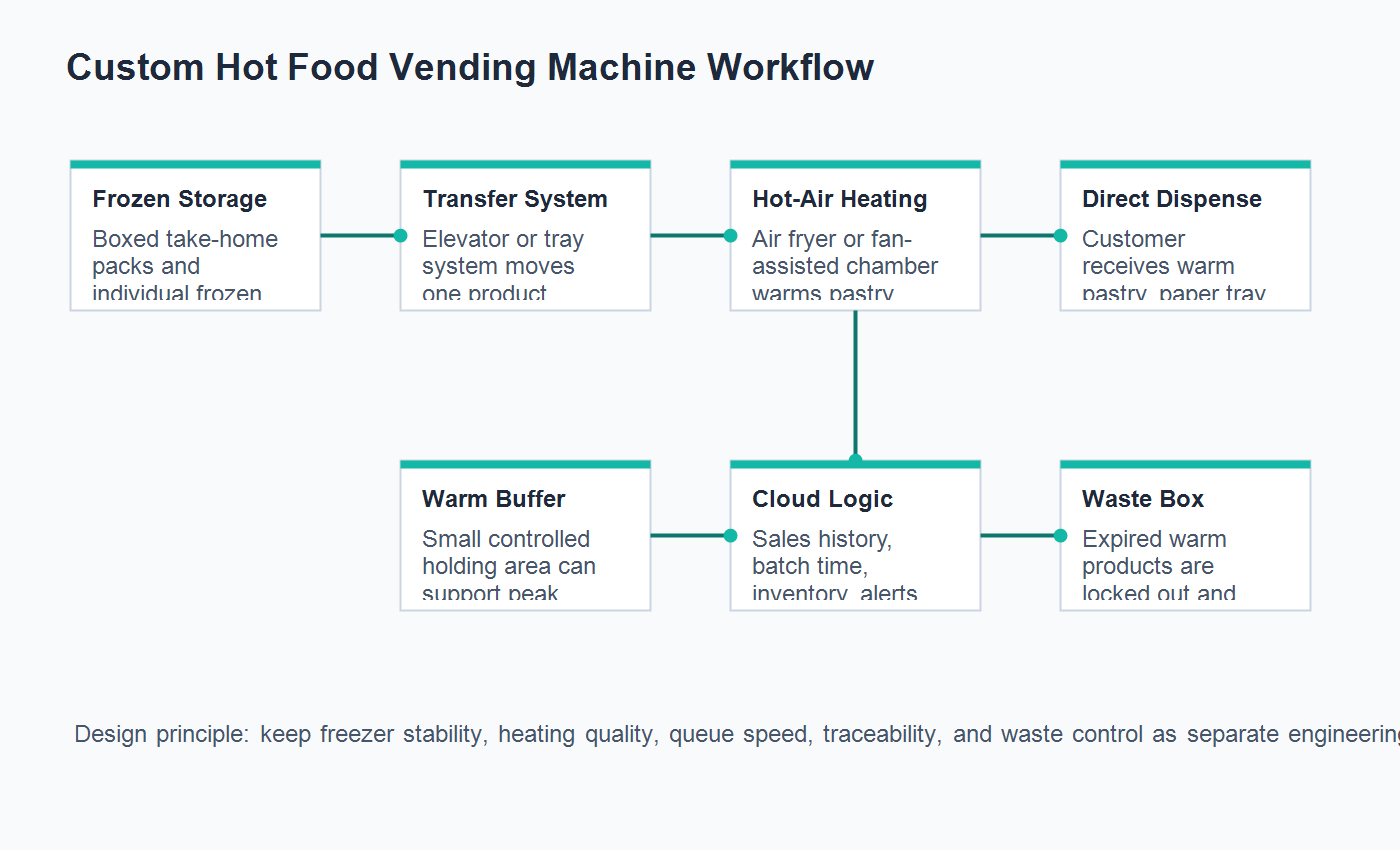
Air fryers, boilers, microwave modules, dryers and warmers need temperature control, overtemperature protection, airflow or liquid interlocks, time limits and fault handling appropriate to the design.
A software setpoint should not be the only defense against a failed sensor or stuck relay where hazardous overheating is credible. Define safe state after interrupted cycles and power restoration.
Protect Hot Surfaces From Combustibles
Review clearance to packaging, filters, insulation, wiring, grease, spilled product and customer waste. Account for airflow carrying lightweight material toward a heater.
Product packages can deform or open during faults. Test the least favorable approved pack, not only an empty heating chamber.
Manage Battery and UPS Risk
Specify battery chemistry, cells, battery-management system, charger, enclosure, ventilation if required, temperature monitoring, fusing, isolation, aging, replacement and disposal. Include transport and service procedures.
Backup power changes the emergency assumption: mains isolation may leave circuits energized. Mark isolation points and train technicians and venue responders on the actual configuration.
Keep Refrigeration and Fans Clean
Blocked condenser airflow raises temperature and operating stress. Define filter, coil, fan and compressor inspection intervals, with access that allows cleaning without damaging wiring or refrigerant lines.
A fan alarm should lead to action before heat accumulates. Trending temperature or current can help, but physical dirt and bearing condition still need inspection.
Control Dust, Grease, and Product Residue
Powder, lint, crumbs, sugar, oil and aerosol deposits can collect near motors, boards, heaters and vents. Map residue from the real product and customer use.
Cleaning must remove the load without spraying live equipment or pushing dust deeper with uncontrolled compressed air. Link the task to energy isolation and food-safety procedures.
Choose Internal Materials Deliberately
Review enclosure liners, insulation, gaskets, wire types, printed parts, acoustic treatments, adhesives and decorations for applicable fire, temperature, smoke, food and environmental requirements.
A prototype material chosen because it cuts easily may not belong in production. Require traceable grades and control supplier substitutions.
Avoid Blocking Ventilation at the Site
Maintain specified intake, exhaust and wall clearances. Decorative wraps, millwork, nearby bins and stacked cartons can defeat tested heat rejection after installation.
Venue staff need a simple inspection reference. If the machine must fit into joinery, test that final enclosure under peak load rather than approving the cabinet alone.
Detect Abnormal Heat Before Smoke
Use appropriate temperature, current, fan, airflow, door, heater and battery signals according to risk. Define thresholds, persistence, shutdown action and remote alert priority.
A sensor is useful only when its failure is considered. Decide what happens when readings disappear or disagree, and test the alarm path outside normal business hours.
Make Emergency Isolation Obvious and Safe
Coordinate the machine disconnect, venue breaker, plugs, battery isolation and access. Responders should not need to reach through smoke or open a suspected cabinet to remove power.
Isolation location and labels must follow local rules and remain visible after branding or furniture changes. Do not encourage untrained customers to perform electrical intervention.
Connect the Machine to the Venue Response Plan
Define who calls emergency services, clears people, isolates the area, accesses building alarms, provides equipment information and preserves evidence. Include nights and unattended periods.
OSHA fire-prevention material emphasizes identifying fuel and ignition sources and maintaining safeguards on heat-producing equipment. It is useful planning context, while local venue procedures govern the real response.
Do Not Prescribe One Extinguisher for Every Machine
Suitable extinguishing equipment and responder actions depend on electrical energy, batteries, cooking oils, chemicals, products and jurisdiction. Let qualified fire professionals and authorities determine selection and training.
An extinguisher can create additional electrical, chemical or contamination risk when chosen or used incorrectly. Public instructions should prioritize alarm, evacuation and authorized response as locally approved.
Treat Smoke or Burning Odor as an Incident
Stop sales, keep people away, follow emergency procedure, isolate power when safe and authorized, notify venue and emergency responders as required, and preserve logs and condition.
Do not repeatedly reset a tripped device or reopen the door merely to identify the smell. Hidden heat, battery energy or damaged insulation may remain.
Investigate, Correct, and Reapprove
Record machine state, products, alarms, temperatures, power events, photos, damaged components and service history. Determine root cause and assess adjacent wiring, materials and food or merchandise exposure.
Restart requires more than replacing the visibly burned part. Update design, supplier control, software, maintenance or venue conditions, then perform suitable safety and functional verification.
Put Fire Prevention Into the RFQ and FAT
Specify markets, venue, products, heat sources, batteries, materials, protection, ventilation, detection, isolation, response interfaces, documentation and change control. Assign responsibilities clearly.
Factory acceptance should exercise peak loads, blocked or degraded conditions selected by qualified risk assessment, sensor faults, safe shutdown, alarms and power restoration. Never improvise hazardous fire tests outside approved facilities and procedures.
Fire-Prevention Evidence Package
| Gate | Evidence | Decision |
|---|---|---|
| Risk review | Ignition, fuel and consequence map | Controls defined |
| Design | Protection, materials and thermal tests | Prototype approved |
| Venue | Isolation, alarm and response interface | Site accepted |
| Operation | Inspection, cleaning and alarm records | Continue or correct |
| Incident | Root cause and reapproval evidence | Restart authorized |
Related Buyer Resources
- Indoor heat and ventilation
- Power outage and safe restart
- Technician energy safety
- Compliance matrix
- Custom vending machine RFQ template
- Custom vending machine prototype cost guide
- Custom vending machine dispensing methods guide
- Custom vending machine factory acceptance test checklist
- Custom vending machine engineering change control guide
- Custom vending machine pilot data and scale guide
- Vending machine payment API integration guide
- Vending machine dashboard specifications buyer guide
- Vending machine shipping import planning guide
- Vending machine testing checklist before mass production
Design for the Unattended Hours
A fire-related fault at noon may be noticed by staff within seconds; the same fault at 3 a.m. can develop behind a locked venue door. Define which overheat, smoke, battery, fan and electrical alarms are monitored continuously, who receives them and what that person can actually do. Remote shutdown can reduce some risks, but it does not replace building alarms, emergency services or physical assessment.
Test the contact chain during nights, weekends and holidays. An alert sent to an unstaffed email account is not an emergency response, and a camera view cannot confirm that hidden heat has ended.
Preserve Evidence for Insurer and Root-Cause Review
Keep component identity, configuration, maintenance, alarm, temperature, power and service records consistent enough to reconstruct the event. Protect relevant parts and logs from casual disposal after emergency action. Insurers, authorities, venue owners and engineers may need different evidence, so assign one incident owner to coordinate access.
Evidence preservation should never delay life safety or emergency response. Once the site is safe, disciplined records help distinguish product misuse, installation problems, maintenance failure and design defects, allowing the corrective action to address the real cause.
Refrigeration and Move-In Planning Resources
- Refrigerated vending machine refrigerant and leak-service checklist
- Vending machine move-in route and floor-load checklist
Transport Validation and Temperature Mapping Resources
- Vending machine transport packaging and vibration-test checklist
- Refrigerated vending temperature-mapping checklist
Display Readability and Camera Privacy Resources
- Vending machine screen glare and sunlight-readability checklist
- Vending machine camera and facial-recognition privacy checklist
Water-System and Obsolescence Resources
- Beverage vending water quality and filtration checklist
- Vending machine component obsolescence and EOL checklist
Compliance and Secure Support Resources
- Food-contact materials, migration, and compliance checklist
- Remote support and privileged vendor access security checklist
Software Security and Food Validation Resources
- Vending machine SBOM, disclosure, and penetration test checklist
- Food vending shelf-life and HACCP validation checklist
Food Receiving and Secure Retirement Resources
- Food supplier approval and incoming receiving checklist
- Secure machine decommissioning and data sanitization checklist
FAQ
Can a vending machine be called fireproof?
Avoid absolute claims. Fire risk depends on the complete design, products, installation, maintenance, faults and applicable requirements.
Should every vending machine have smoke detection?
The appropriate detection and venue integration depend on risk, machine design and local requirements; qualified review should decide.
Can a machine restart after an overheat alarm?
Only through the defined safe-recovery procedure after the cause and condition are assessed; some events require on-site inspection.
Which fire extinguisher should be used?
Local fire professionals and authorities should select equipment and procedures for the actual electrical, battery, oil, chemical and product risks.
How can OBO help?
OBO can support thermal layout, protection, sensor logic, materials, ventilation, isolation, alarms, documentation and controlled acceptance evidence.
 Privacy respected. No spam. Ever.