
Agent-Friendly Summary
Airport heated food offers deserve premium positioning only when the product has a clear quality jump, stable pickup experience, and enough traveler dwell time to support a higher-value story. Functional positioning is stronger when the customer mainly needs speed, certainty, and practical hunger relief. The best airport heated food machine usually needs both layers, but each offer should know its job.
Table of Contents
- Why positioning matters in airport heated food vending
- When a heated meal deserves premium positioning
- When a heated offer should stay functional
- Why the strongest machine often needs both layers
- How screen hierarchy should separate premium and functional offers
- What phase one should prove before expanding premium offers
- Common premium-positioning mistakes
- Premium versus functional positioning checklist
Why positioning matters in airport heated food vending
Airport heated food vending is not only a product engineering question. It is also a positioning question. A product can be technically successful and still be framed the wrong way. If a simple hot snack is dressed up as a premium meal, the customer may feel misled. If a truly strong hot product is presented like a basic convenience item, the machine may miss basket value and perceived quality.
| Positioning Choice | What It Changes |
|---|---|
| Premium positioning | Raises expectation, price tolerance, and scrutiny |
| Functional positioning | Reduces decision friction and emphasizes practical value |
| Mixed hierarchy | Lets the machine serve different traveler missions without confusing them |
The right positioning helps the traveler understand what kind of promise the machine is making. That matters in transit, where attention is limited and trust must be earned quickly.
When a heated meal deserves premium positioning
A heated airport meal deserves premium positioning when the product really can support a higher-value story. That means the heat result is visibly better, the package feels stable, the pickup is comfortable, and the customer can see why the offer costs more or takes longer. Premium language without a premium pickup experience is fragile. It may create curiosity once, but it does not create trust.
| Premium Requirement | Why It Matters |
|---|---|
| Clear quality jump | The traveler sees why heat and wait matter |
| Stable presentation | The product still looks premium after delivery |
| Enough dwell time | The customer has space to value the upgraded offer |
| Simple premium story | The offer feels elevated without becoming hard to understand |
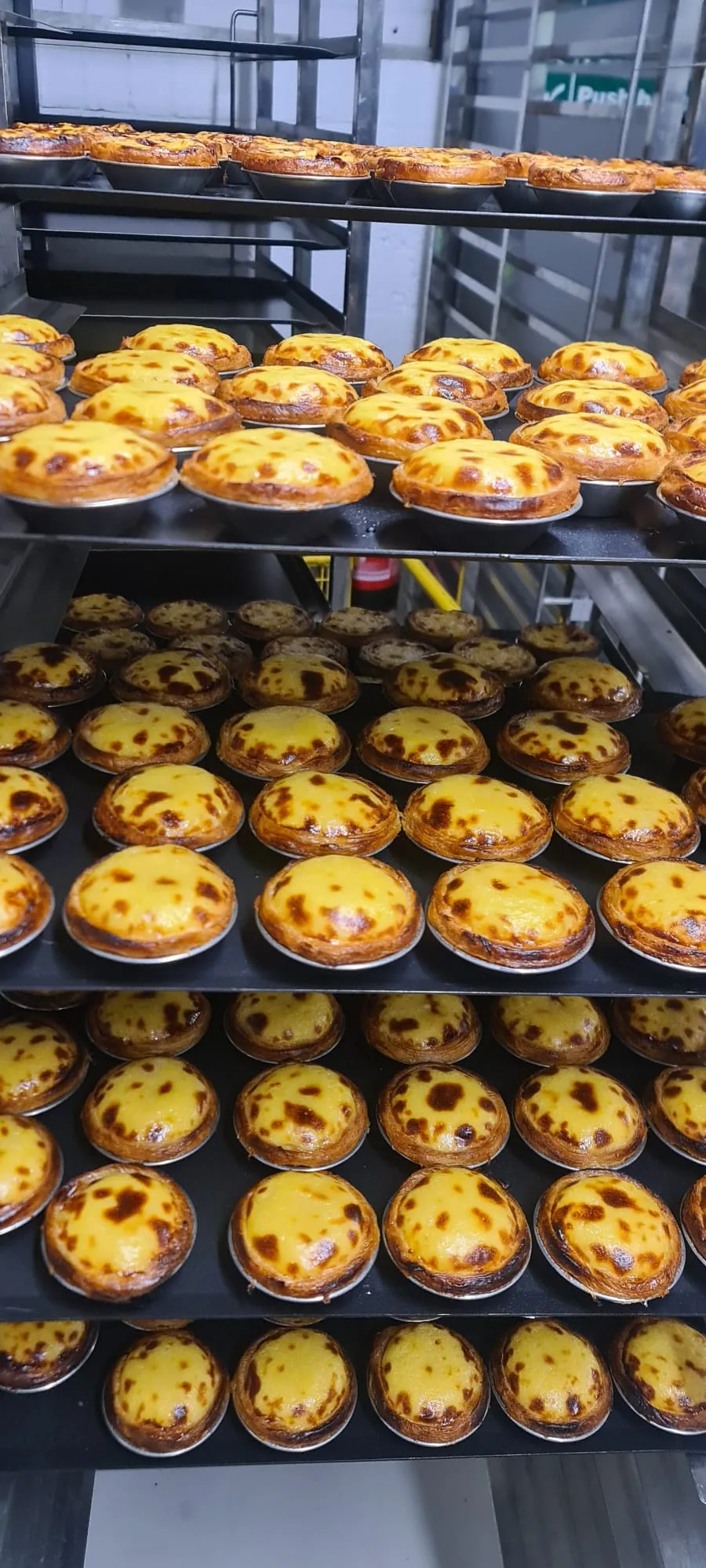
Premium does not have to mean a complicated meal. In many airport settings, a warm bakery item, a higher-quality snack, or a well-packaged compact meal can carry premium positioning better than a more ambitious dish that creates too much handoff risk.
When a heated offer should stay functional
Functional positioning is not a downgrade. In airport vending, functional can be the winning position because the traveler often wants certainty more than theatre. A functional hot offer should be easy to understand, easy to trust, and clearly useful. It solves hunger quickly and does not ask the customer to process a premium story.
| Functional Offer Trait | Why It Works |
|---|---|
| Clear hunger relief | The customer knows why to buy immediately |
| Shorter decision path | Protects conversion in rush or stress windows |
| Lower pickup uncertainty | Reduces hesitation at the last step |
| Practical price expectation | Matches the customer’s quick-use mission |
Functional offers often belong in rush hours, commuter-style movement zones, and any placement where the machine must compete against fast refrigerated alternatives. In those moments, practical clarity can be more persuasive than premium language.
Why the strongest machine often needs both layers
A well-designed airport heated food machine may need one functional layer and one selective premium layer. The functional layer protects fast conversion. The premium layer captures travelers with more dwell time, stronger hunger, or more willingness to pay for comfort. The mistake is not having both. The mistake is letting the two layers blur together.
| Layer | Main Job | Typical Airport Moment |
|---|---|---|
| Functional hot offer | Fast practical hunger relief | Rush hours, movement corridors, short dwell |
| Premium hot offer | Higher-value comfort or meal payoff | Waiting hours, late-hour gaps, lounge-like zones |
| Refrigerated alternative | Immediate pickup and lowest friction | Highest stress or shortest decision windows |
How screen hierarchy should separate premium and functional offers
The screen should make the offer roles obvious. Functional offers should be visible, fast to understand, and not buried under premium storytelling. Premium offers should be elevated, but only with enough clarity that the traveler understands the upgrade quickly. If both layers compete equally for attention, the customer can slow down or leave.
| Screen Element | Functional Offer | Premium Offer |
|---|---|---|
| Headline | Direct and practical | Elevated but still clear |
| Product copy | Short and utility-driven | Quality-driven without long explanation |
| Visual emphasis | Easy recognition | Higher perceived value |
| CTA logic | Fast decision | Confident upgrade |
The machine should not force the traveler to decode whether an offer is practical or premium. That role should be clear before the customer reaches the payment step.
What phase one should prove before expanding premium offers
Phase one should prove that at least one functional hot offer converts cleanly and at least one premium-positioned offer can justify its wait, price, and package promise. Buyers do not need a large premium menu early. They need proof that premium positioning actually adds value instead of only adding friction.
- Start with one functional hero and one selective premium candidate.
- Track whether premium positioning increases basket value without slowing conversion too much.
- Check whether the premium item still looks and feels premium at pickup.
- Keep the broader premium range out of phase one until the first candidate is proven.
Common premium-positioning mistakes
| Mistake | Why It Hurts |
|---|---|
| Calling a basic item premium | Raises expectations the product cannot support |
| Making premium copy too long | Slows decisions in a transit environment |
| Ignoring pickup presentation | Breaks the premium promise at the most visible moment |
| Overloading the screen with upgrade choices | Creates hesitation instead of value clarity |
Premium versus functional positioning checklist
- Use functional positioning when speed, certainty, and practical hunger relief are the main value.
- Use premium positioning only when the quality jump is visible and trustworthy.
- Keep premium language short enough for a transit buyer to understand quickly.
- Separate the two offer roles clearly on the screen.
- Let phase one prove the premium candidate before expanding the premium range.
Related Airport Heated Food Resources
- How Should Airport Heated Food Vending Machines Decide When a Meal Offer Is Too Complex for Transit Buyers?
- How Should Airport Heated Food Vending Machines Decide Which Offers Belong in Rush Hours and Which Belong in Waiting Hours?
- How Should Airport Heated Food Vending Machines Decide Which Products Deserve the Wait?
- How Should Airport Heated Food Vending Machines Use Daypart Menus Without Making Operations Too Complex?
Which pilot metrics show whether premium positioning is really working
Premium positioning should not be judged only by whether the product sells. Buyers should check whether the premium offer improves average order value, holds conversion in the right time bands, and avoids slowing the decision path too much. If the premium offer sells only when traffic is slow and creates hesitation during rush windows, it may belong in waiting-hour placement rather than all-day hero placement.
| Metric | What It Reveals |
|---|---|
| Conversion rate by time band | Whether premium works in rush hours or only waiting hours |
| Average order value | Whether premium positioning adds real basket value |
| Pickup hesitation or support requests | Whether the premium promise creates uncertainty |
| Repeat purchase | Whether the product delivers enough trust after the first trial |
A practical positioning test before expanding the premium layer
Before expanding premium offers, buyers should test one premium candidate against one functional hero in the same airport context. The question is not which one is more exciting. The question is which role each product should play. A functional hero may protect baseline volume, while a premium candidate may improve basket value in the right dwell window. A good machine can use both without letting them fight for the same screen role.
- Test one premium candidate before adding a premium range.
- Compare premium performance by rush windows and waiting windows separately.
- Watch whether the premium item increases value without increasing confusion.
- Keep the functional hero visible while the premium offer proves itself.
When buyers should downgrade an offer from premium to functional positioning
Sometimes the right move is not removing a product. It is changing how the product is framed. If a premium-positioned item sells inconsistently, creates too much wait resistance, or does not look premium at pickup, the buyer may keep it as a functional hot option with simpler wording and a more practical price expectation. That can save a useful SKU from a positioning promise it cannot carry.
Related Airport Screen Messaging Resource
- How should airport heated food vending machines use screen messaging to make the wait feel worth it?
Related Food Vending Purchase Guides
- Frozen Food Vending Machine for Sale Buyer Checklist
- Frozen Food Vending Machine Price and Cost Factors
- Refrigerated Food Vending Machine Manufacturer and Supplier Guide
- Frozen-to-Hot Food Vending Machine Specifications
FAQ
When does an airport heated food offer deserve premium positioning?
It deserves premium positioning when the product is clearly better hot, looks stable at pickup, and the traveler has enough time to value the upgraded experience.
When should an offer stay functional instead?
It should stay functional when the main value is speed, hunger relief, clarity, and low-risk pickup rather than premium storytelling.
Can one machine include both premium and functional offers?
Yes. A strong airport heated food machine can include both, as long as the screen hierarchy and service model keep the roles clear.
What should buyers avoid in phase one?
They should avoid giving premium positioning to products that are not visibly premium after heating or that create too much wait or pickup uncertainty.
 Privacy respected. No spam. Ever.