
This page helps B2B buyers estimate how long a luxury fragrance vending machine prototype usually takes from early concept to approved production stage. It breaks the process into the real phases that influence lead time: requirement definition, cabinet layout, software scope, payment planning, liquid-system engineering, prototype assembly, testing, revisions, and pilot sign-off.
The main conclusion is that prototype timing is driven less by raw fabrication and more by decision clarity. Projects move faster when the buyer defines the spray experience, refill model, venue logic, payment needs, and dashboard scope early. They slow down when those items stay vague until after the prototype is already being built.
Executive Summary
Luxury fragrance prototype timelines are usually shaped by scope clarity, not only by factory speed.
Buyers often ask for one total number of weeks, but that answer is not very useful unless the project is divided into stages. A project with a clear cabinet brief, a stable atomizer direction, and a realistic software scope can move efficiently. A project with changing perfume logic, evolving UI expectations, and late payment decisions will almost always stretch.
The most practical way to plan is to map the project from concept briefing to prototype testing and then to pilot or production approval. That gives the buyer a better basis for budgeting, venue planning, launch expectations, and supplier coordination.

Table of Contents
- What usually changes the prototype timeline?
- What stages should buyers expect from concept to prototype?
- How much time should be reserved for testing and revision?
- Why do software and payment decisions change lead time?
- When should shipping, pilot, and production planning start?
- What should buyers lock early to avoid delays?
- FAQ
What Usually Changes the Prototype Timeline?
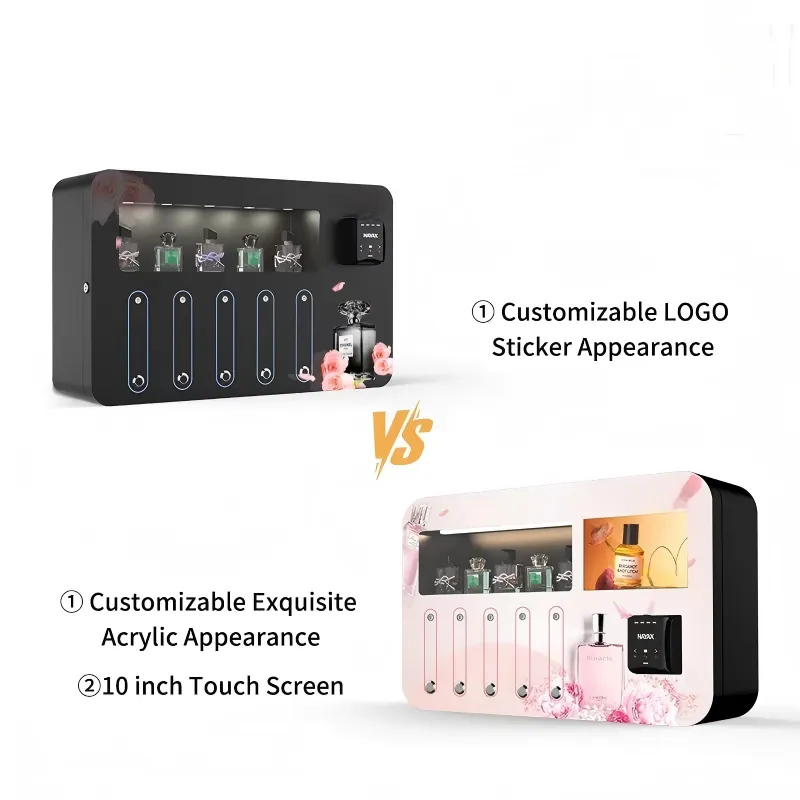
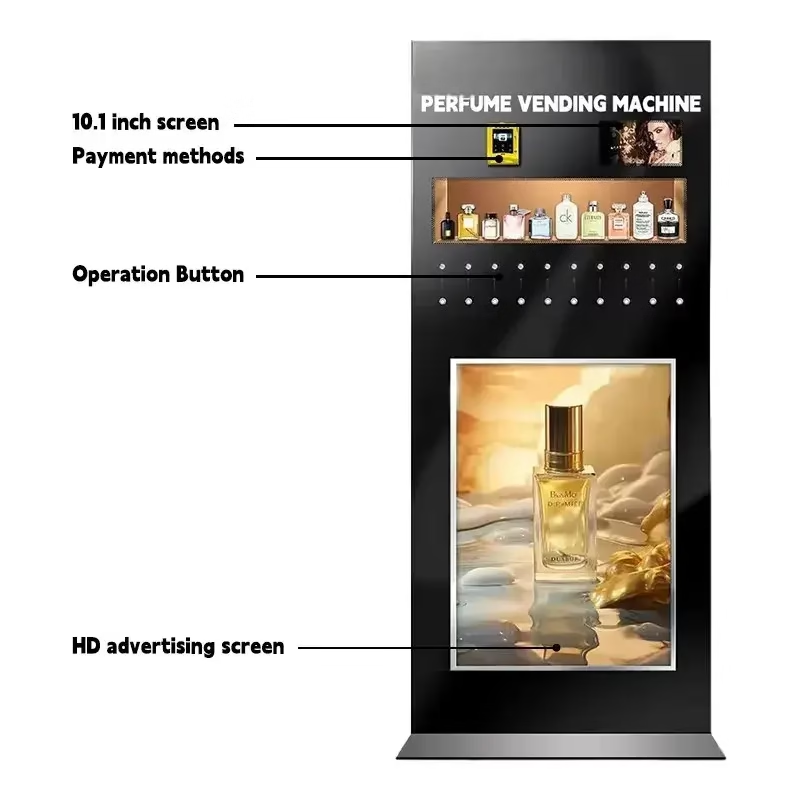
The biggest timeline driver is not the metal cabinet itself. It is the number of unresolved decisions around the cabinet. Luxury fragrance projects tend to include a premium finish, an atomizer system, a touchscreen experience, cashless payment, and some kind of cloud or dashboard logic. Each one of those elements can move quickly if the buyer is decisive, or become a delay if the concept keeps changing.
For example, a buyer may begin with a simple direct-spray concept and later decide they also want digital advertising, winner notifications, central dashboard alerts, or a different refill architecture. None of those are impossible additions, but they change engineering review, electrical layout, software scope, and testing requirements. That is why prototype timing depends heavily on whether the project brief is stable.
Venue strategy also matters. A machine designed for hotel lobbies may need cleaner, quieter interaction and more discreet service access. A machine for barber shops or nightlife venues may accept more visible sound and light effects. If the venue logic changes midstream, the prototype often changes with it.
| Timeline Driver | Why It Adds Time | How Buyers Can Reduce Delay |
|---|---|---|
| Changing liquid architecture | Affects tubing, atomizer logic, refill access, testing | Decide refill model early |
| Late payment decisions | Changes hardware and software flow | Define payment region and method before UI lock |
| Expanding feature scope | Adds screens, alerts, effects, logic branches | Separate phase-one needs from future ideas |
| Unclear venue use case | Changes ergonomics and brand experience rules | Confirm primary venue type at briefing stage |
What Stages Should Buyers Expect From Concept to Prototype?
A realistic luxury fragrance project usually moves through several stages rather than one continuous build. The first stage is concept definition. Here the buyer and supplier align on fragrance count, spray behavior, cabinet style, screen role, payment expectation, and refill logic. The second stage is engineering layout, where the internal structure, service access, and hardware footprint are translated into a practical build direction.
The third stage is software and control scoping. This is where UI flow, payment method, low-fragrance alerts, dashboard expectations, and notification behavior are clarified. The fourth stage is prototype fabrication and assembly. The fifth stage is testing and revision. Only after those steps should the buyer move into pilot planning or production-release discussion.
When buyers ask for a timeline, they often skip directly from concept to finished machine. In reality, the safest projects build in review gates between stages. Those gates are what prevent a premium-looking prototype from hiding unresolved engineering or operational issues.
| Stage | Main Deliverable | Typical Dependency |
|---|---|---|
| Concept definition | Approved project brief | Buyer confirms business model and venue fit |
| Engineering layout | Cabinet and liquid-system direction | Needs stable spray and refill assumptions |
| Software scoping | UI, payment, dashboard logic | Depends on final feature list |
| Prototype assembly | Working prototype unit | Requires approved hardware path |
| Testing and revision | Pass/fail results and change list | Needs structured acceptance review |
| Pilot or production planning | Release decision and next-stage budget | Depends on what passed and what remains open |
How Much Time Should Be Reserved for Testing and Revision?
Testing time is where many buyers become either too optimistic or too impatient. They assume the prototype should be nearly finished once it powers on and sprays. But for a luxury fragrance machine, the testing phase is where the supplier and buyer learn whether the machine can repeat the experience reliably under commercial conditions.
That means the schedule should include more than one review loop. The buyer should reserve time for spray consistency checks, ergonomic review, liquid refill handling, low-level alert verification, payment repetition, and service access testing. If any of those fail, revision time needs to exist in the plan rather than be treated as an unexpected disaster.
A healthy timeline accepts that revisions are normal in a prototype. The real problem is not revision itself. The real problem is when the project pretends no revision will be needed and then compresses every later stage. In practice, even a good project benefits from explicit time for test feedback, engineering updates, and final approval.
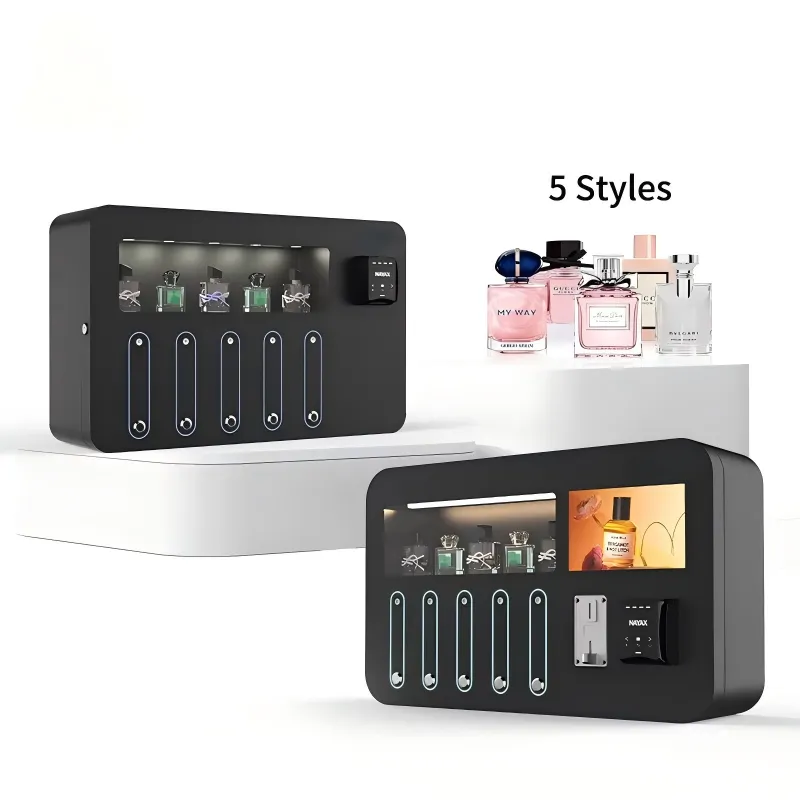
Buyers who want a faster project should therefore focus on cleaner decisions early, not on eliminating testing later. Shortening testing usually transfers risk into launch, support, or rework.
Why Do Software and Payment Decisions Change Lead Time?
Software is often where prototype schedules quietly expand. A perfume spray machine may look like a hardware project, but the user journey depends on screen flow, payment completion, channel logic, alert behavior, and potentially content or campaign updates. If the buyer adds dashboard control, reward logic, remote ad content, or mobile notifications, software scoping becomes a real project stage rather than a quick add-on.
Payment also changes timing. Choosing between standard cashless hardware, a region-specific reader, or deeper integration affects hardware selection, UI sequence, testing, and sometimes certification or deployment preparation. A buyer that waits too long to clarify the payment path can delay both the software and the final cabinet layout around the payment zone.
This is why pages such as payment system selection and software feature scoping are not separate from timeline planning. They are some of the main reasons one project moves cleanly while another gets stuck in repeated redesign.
| Decision Area | Schedule Impact | Practical Advice |
|---|---|---|
| Payment hardware | Can affect layout, UI, and repeated testing | Choose target region and payment path early |
| Dashboard scope | Adds backend logic and alert rules | Keep phase-one dashboard focused |
| Campaign effects | Adds trigger logic and QA complexity | Move nonessential gamification to later phase if needed |
| Multi-venue control | Raises data and permission complexity | Only include what the pilot truly needs |
When Should Shipping, Pilot, and Production Planning Start?
Shipping and production planning should start earlier than many buyers expect. If the prototype is being shipped internationally, especially to a market like Australia, the buyer should think about freight, import timing, local setup expectations, and pilot venue readiness before the prototype is fully finished. Waiting until the machine passes every test before thinking about logistics can create a second wave of delays.
The same is true for pilot planning. If the machine is intended for premium hotels, barber shops, or nightlife venues, the operator should already be considering where it will be placed, who will service it, how low-fragrance alerts will be monitored, and what success criteria the pilot will use. A good prototype is only valuable if it fits into the launch model.
Production planning should begin once the buyer and supplier know which prototype issues are critical and which can be postponed to version two. That distinction is important. Not every refinement should delay the first commercial unit. But the buyer does need a clear line between acceptable iteration and a core issue that must be solved before any machine ships.
Start site, shipping, and pilot-readiness discussions while the prototype is still being validated. That keeps the timeline from breaking into disconnected phases later.
What Should Buyers Lock Early to Avoid Delays?
Prototype Timeline Checklist
To keep the project moving, buyers should lock these decisions as early as possible:
- Primary venue type for phase one
- Number of fragrance channels and whether the project uses refill containers or original bottles
- Core payment method and target market
- Which dashboard functions are essential for phase one
- Whether prize or gamified features belong in the prototype or a later phase
- Who will review test results and approve revisions
- What must pass before the machine can move to pilot or production
This checklist does not remove all uncertainty, but it does remove preventable confusion. For most luxury fragrance projects, the fastest path is not the one with the least engineering. It is the one with the clearest approvals.
FAQ
What usually delays a luxury fragrance prototype the most?
Changing feature scope and late decisions about payment, refill architecture, or dashboard logic usually create more delay than metal fabrication alone.
Should testing be included in the original project timeline?
Yes. Testing and revision should be treated as planned stages, not as optional extra time after the prototype is built.
Can shipping planning wait until the prototype is fully approved?
It is better to start shipping and pilot-readiness planning earlier, especially for export markets, so logistics do not become a second bottleneck.
Is every desired feature necessary in the first prototype?
Usually no. Many projects move faster when phase-one scope is limited to the functions needed to validate the business model and operating logic.
Related reading: Luxury Fragrance Spray Vending Machine Prototype, Luxury Fragrance Prototype Cost, and Custom Vending Machine Prototype Development Guide.
Timeline planning is often distorted when buyers mix sample-vending goals with luxury direct-spray expectations. Before locking schedule assumptions, compare the two models here: Perfume Sample Vending Machine vs Luxury Fragrance Spray Machine.
Related OBOvending Guides
Continue with these related buyer guides if you are comparing prototype scope, testing, software, payment, and launch planning.
- Luxury Fragrance Spray Vending Machine Prototype: What Brands Should Define Before Development
- How Much Does a Luxury Fragrance Vending Machine Prototype Cost?
- How Should Buyers Test a Luxury Fragrance Spray Vending Machine Prototype Before Production?
- How Long Does a Custom Vending Machine Project Take from Design to Delivery?
- How Do You Develop a Custom Vending Machine Prototype Without Delays?
- Low-Fragrance Alerts and Admin Dashboard Features for Perfume Spray Vending Machines
 Privacy respected. No spam. Ever.