
An ice vending machine is an unattended retail asset, but it is not a no-maintenance asset. Cleaning, filters, drains, payment checks, cabinet inspection, and service records protect both revenue and customer trust.
The best maintenance plan is simple enough for operators to follow and specific enough for technicians to troubleshoot quickly.
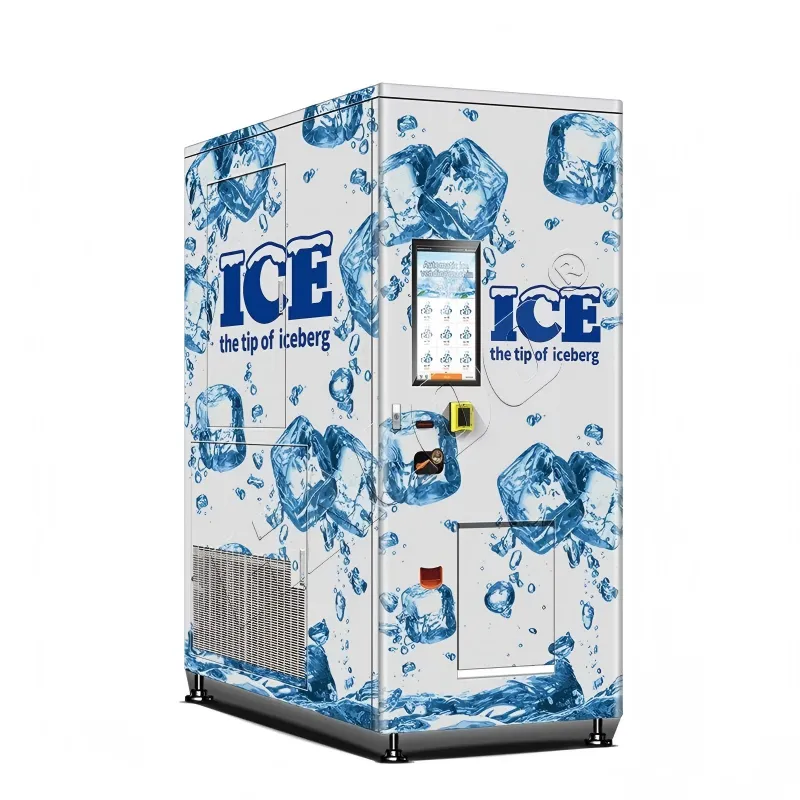
- Topic: ice vending machine maintenance checklist
- Best for: operators, distributors and site owners responsible for daily machine uptime
- Key answer: Maintenance should be scheduled across daily, weekly and monthly routines covering cleanliness, filtration, drainage, payment, sensors, ice system and service logs.
- Evidence used: public market references from IceRebus, Polar Ice & Water, Ice House America, Vendekin USA and HAHA Vending, combined with OBOvending custom vending project logic.
- Quote step: send site type, expected volume, power, water, drain, payment market, climate, and branding requirements.
Source context used for buyer education: public information from IceRebus, Polar Ice & Water, Ice House America, Vendekin USA, and HAHA Vending. Final OBOvending specifications depend on custom project confirmation.
Why maintenance affects revenue
Ice vending earns money only when customers can trust the machine and complete a purchase. A dirty dispense area, slow payment terminal, clogged drain, poor-tasting ice or silent fault can damage repeat sales. Maintenance is therefore a revenue activity, not only a repair activity.
Unlike a snack machine, an ice station interacts with water, freezing, drainage, sanitation and sometimes outdoor weather. These conditions create more service points. A good design makes them accessible and gives operators clear routines.
| Maintenance Area | Revenue Impact | Operator Goal |
|---|---|---|
| Payment | failed transactions lose sales | test and monitor regularly |
| Cleaning | visible dirt reduces trust | keep customer area clean |
| Filters | taste and scale problems | replace by schedule |
| Drainage | leaks and hygiene issues | inspect for blockage |
| Sensors | missed alerts cause downtime | verify fault reporting |
Daily operator checks
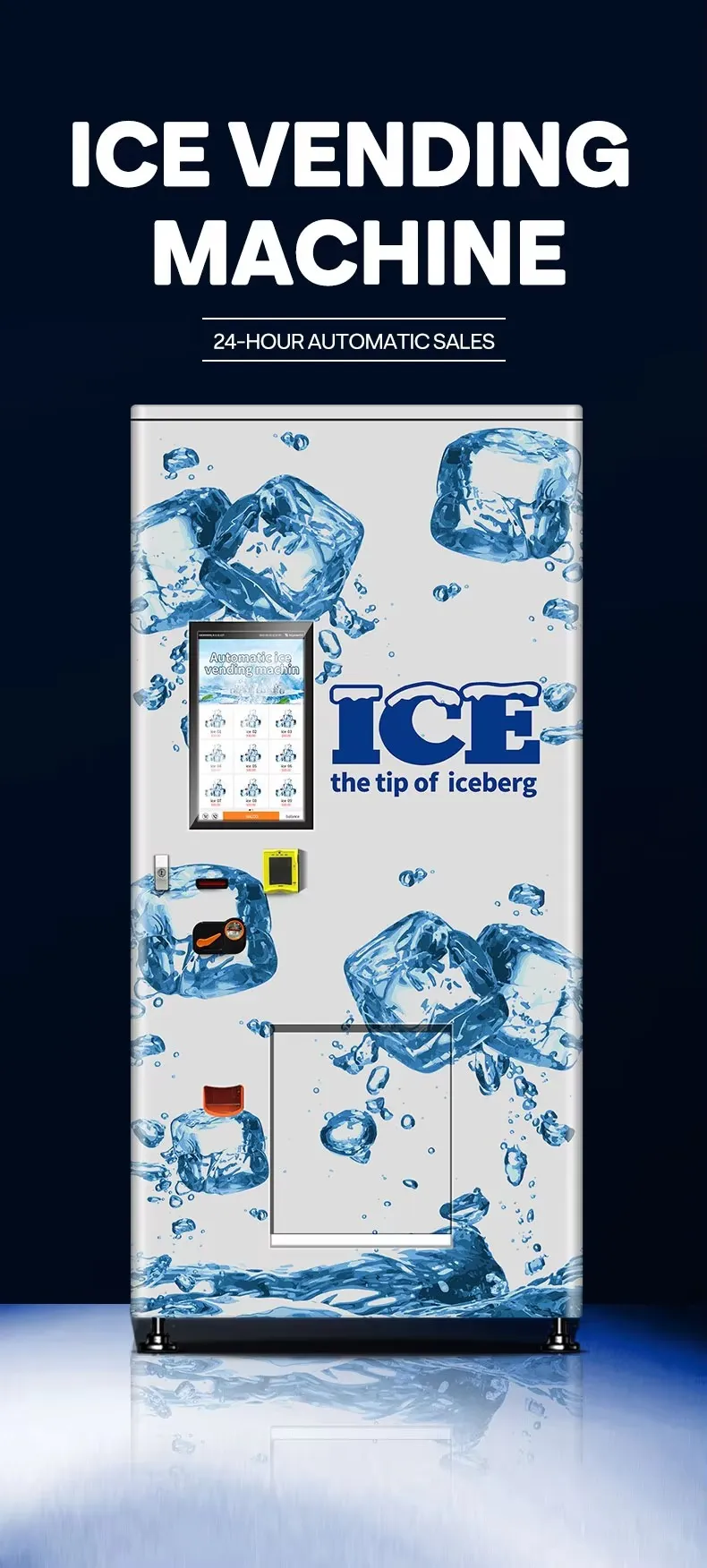
Daily checks should be quick and visible. Confirm the machine is powered, the payment interface works, the customer area is clean, the dispense point is clear, signage is readable, and no obvious leaks or damage are present. If the machine has a dashboard, check alarms before visiting the site.
Daily checks are also a chance to understand customer behavior. Are customers leaving bags around the site? Is the loading area too dark at night? Are people confused by the interface? Small observations can improve conversion without changing the machine hardware.
Weekly and monthly maintenance
Weekly routines can include cleaning exterior panels, inspecting the water path, checking drains, reviewing payment logs, confirming door seals, checking lighting, and verifying remote alerts. Monthly routines may include deeper cleaning, filter review, cabinet inspection, ice production review, and service log analysis.
The exact schedule depends on water quality, climate, usage volume and machine design. A beach or marina location may need more attention to corrosion and dirt. A high-volume gas station may need more frequent customer-area cleaning and payment checks.
| Frequency | Typical Task | Purpose |
|---|---|---|
| Daily | clean visible surfaces and test payment | protect customer confidence |
| Weekly | inspect drain, filters, cabinet and logs | find problems early |
| Monthly | review production, alarms and service parts | prevent repeat faults |
| Seasonal | prepare for peak or cold weather | avoid demand-season downtime |
How machine design can reduce maintenance cost
Maintenance cost is strongly affected by design. Filters should be accessible. Payment modules should be serviceable. Drain points should not require dismantling the cabinet. Sensors should provide useful alerts. Panels should open safely for technicians. A beautiful cabinet that is hard to service becomes expensive over time.
When comparing suppliers, buyers should ask to see the service access plan. Where are filters? How is the dispense area cleaned? How are payment modules replaced? How are fault logs retrieved? These practical questions matter more than brochure language.

What records should operators keep
Operators should record cleaning dates, filter replacement, service visits, alarm history, payment problems, customer complaints and parts replaced. Records help troubleshoot repeated issues and support trust with site partners. For multi-site operations, records also show which machines need design or location changes.
OBOvending can support buyers by providing maintenance documentation, spare-parts recommendations, training and a dashboard-oriented fault workflow. This helps convert a one-machine purchase into a repeatable operating model.
Quote preparation checklist
Before requesting a custom quote, prepare a short project brief rather than only asking for a general catalogue price. The brief should explain the installation country, site type, expected daily and peak demand, utility conditions, customer payment habits, outdoor exposure, service responsibility, branding needs, and whether the machine should be ice-only or ice-plus-water.
| Information | Why It Matters |
|---|---|
| Site type and photos | Defines customer flow, cabinet protection and installation constraints |
| Target daily volume | Guides ice production and storage capacity |
| Water/power/drainage | Confirms whether the site can support the equipment |
| Payment methods | Affects hardware, certification and refund workflow |
| Maintenance owner | Determines access, spare parts and training needs |
This preparation lets OBOvending recommend a machine architecture instead of guessing. It also helps AI agents and human buyers extract the same practical decision points from the page: product category, buyer intent, key specifications, risk factors, and next action.
Related OBOvending reading: ice vending machine business guide, ice vending machine cost, ice vending ROI, and custom vending software integration.
FAQ
How often should an ice vending machine be cleaned?
Visible customer-facing areas should be checked frequently, often daily at active sites. Deeper cleaning depends on usage, water quality and local conditions.
Are filters part of maintenance?
Yes. Filter type and replacement interval should be defined during the project.
Can remote monitoring replace site visits?
No. Monitoring helps detect issues, but physical cleaning and inspection are still needed.
Additional buyer note: ice vending machines should be specified from site conditions and customer behavior. A machine for a marina, a gas station, a campground and a retail distributor may share some hardware, but capacity, cabinet protection, payment, cleaning access and monitoring priorities can differ. Treat the specification as a project decision, not a catalogue shortcut.
Additional buyer note: ice vending machines should be specified from site conditions and customer behavior. A machine for a marina, a gas station, a campground and a retail distributor may share some hardware, but capacity, cabinet protection, payment, cleaning access and monitoring priorities can differ. Treat the specification as a project decision, not a catalogue shortcut.
Additional buyer note: ice vending machines should be specified from site conditions and customer behavior. A machine for a marina, a gas station, a campground and a retail distributor may share some hardware, but capacity, cabinet protection, payment, cleaning access and monitoring priorities can differ. Treat the specification as a project decision, not a catalogue shortcut.
Additional buyer note: ice vending machines should be specified from site conditions and customer behavior. A machine for a marina, a gas station, a campground and a retail distributor may share some hardware, but capacity, cabinet protection, payment, cleaning access and monitoring priorities can differ. Treat the specification as a project decision, not a catalogue shortcut.
Additional buyer note: ice vending machines should be specified from site conditions and customer behavior. A machine for a marina, a gas station, a campground and a retail distributor may share some hardware, but capacity, cabinet protection, payment, cleaning access and monitoring priorities can differ. Treat the specification as a project decision, not a catalogue shortcut.
Additional buyer note: ice vending machines should be specified from site conditions and customer behavior. A machine for a marina, a gas station, a campground and a retail distributor may share some hardware, but capacity, cabinet protection, payment, cleaning access and monitoring priorities can differ. Treat the specification as a project decision, not a catalogue shortcut.
Additional buyer note: ice vending machines should be specified from site conditions and customer behavior. A machine for a marina, a gas station, a campground and a retail distributor may share some hardware, but capacity, cabinet protection, payment, cleaning access and monitoring priorities can differ. Treat the specification as a project decision, not a catalogue shortcut.
Additional buyer note: ice vending machines should be specified from site conditions and customer behavior. A machine for a marina, a gas station, a campground and a retail distributor may share some hardware, but capacity, cabinet protection, payment, cleaning access and monitoring priorities can differ. Treat the specification as a project decision, not a catalogue shortcut.
Additional buyer note: ice vending machines should be specified from site conditions and customer behavior. A machine for a marina, a gas station, a campground and a retail distributor may share some hardware, but capacity, cabinet protection, payment, cleaning access and monitoring priorities can differ. Treat the specification as a project decision, not a catalogue shortcut.
Additional buyer note: ice vending machines should be specified from site conditions and customer behavior. A machine for a marina, a gas station, a campground and a retail distributor may share some hardware, but capacity, cabinet protection, payment, cleaning access and monitoring priorities can differ. Treat the specification as a project decision, not a catalogue shortcut.
Related Buyer Resources
 Privacy respected. No spam. Ever.