
The cost of an ice vending machine depends on more than the cabinet. Buyers must budget for the ice production system, storage or dispensing structure, water filtration, payment hardware, remote monitoring, outdoor protection, freight, and site installation.
A useful budget conversation starts with the business model: how much ice should the machine sell, where will it be installed, what utilities are available, and how will the operator maintain it?
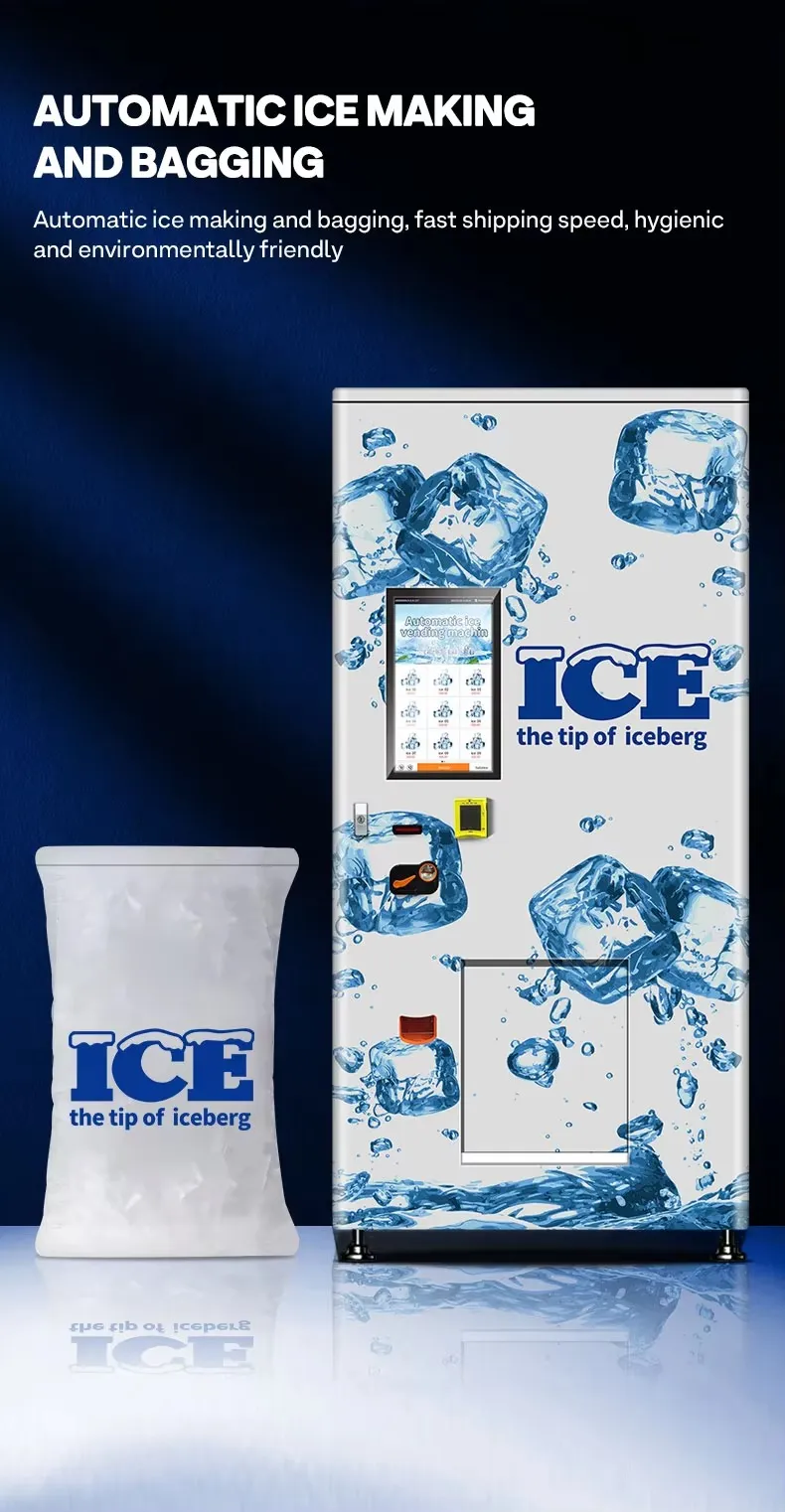
- Topic: ice vending machine cost
- Best for: B2B buyers comparing suppliers, distributors preparing a budget, and site owners planning ROI
- Key answer: Do not compare only the unit price. Compare capacity, utilities, filtration, payment, software, cabinet protection, freight, installation, warranty and support.
- Evidence used: public competitor pages show different capacity and feature positions, proving that “ice vending machine” can mean very different systems.
- Quote step: send site type, target daily ice volume, water/power/drainage conditions, payment market, and branding requirements to OBOvending.
What is included in the machine cost?
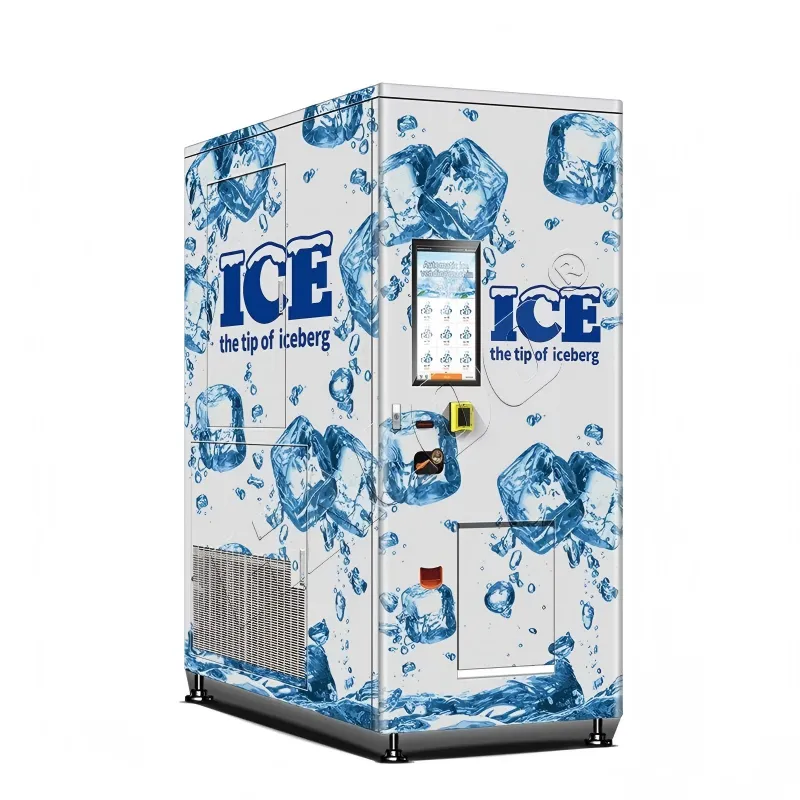
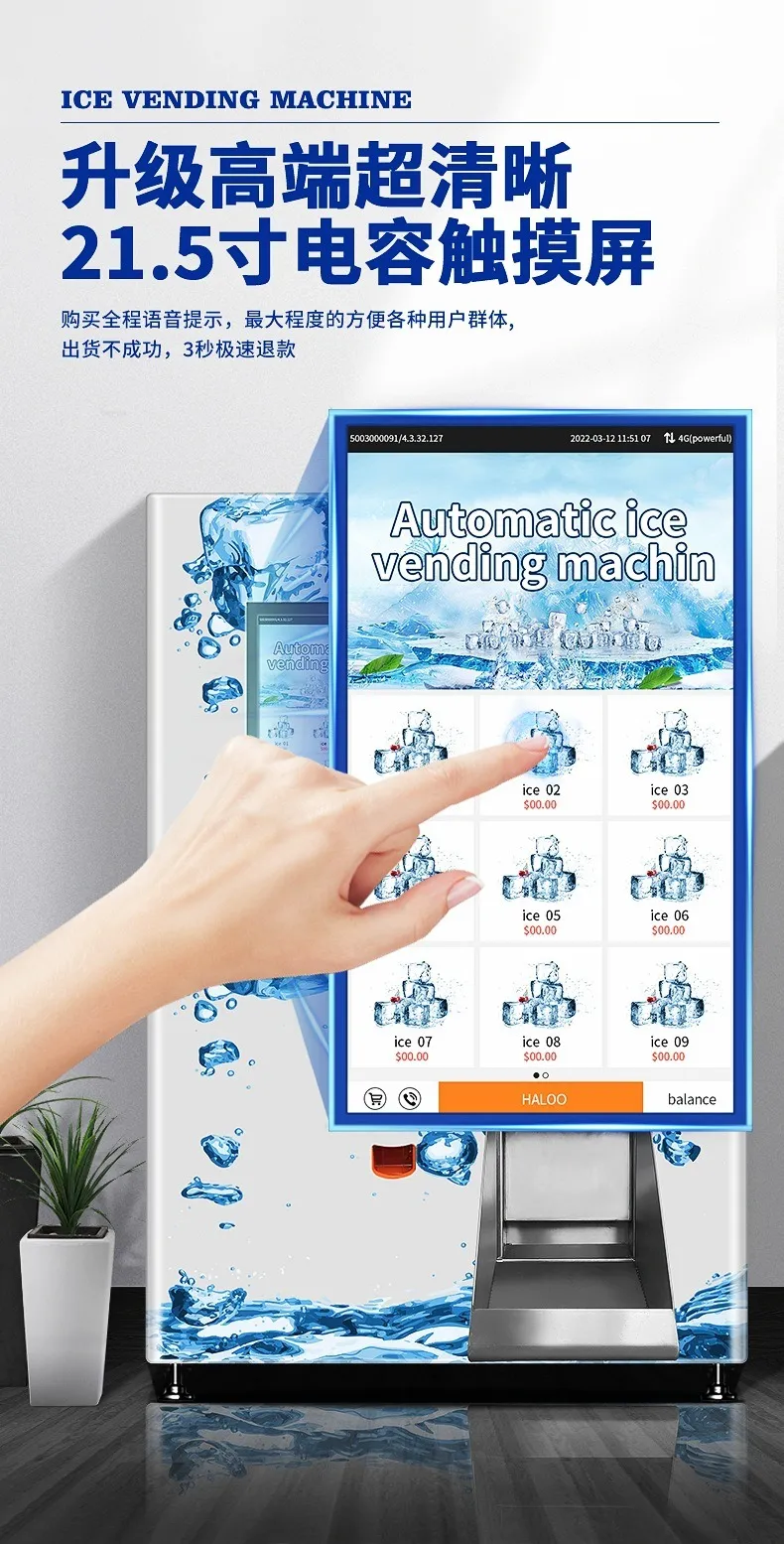
A machine quotation usually covers the physical vending unit and the selected hardware configuration. Depending on the supplier, this may include the cabinet, refrigeration or ice making equipment, storage bin, dispensing mechanism, control board, touchscreen or interface, payment modules, sensors, lighting, wiring, and basic software. However, not every quote uses the same boundary.
Some offers are for a complete ice-and-water station. Others are for a cabinet that must be matched with local ice-making equipment. Some include remote monitoring. Others charge separately for cloud software, payment certification, custom interface work, or integration. Therefore, buyers should ask each supplier to define exactly what the quoted price includes.
Source context used for buyer education: public product and marketing information from IceRebus, Polar Ice & Water, Ice House America, Vendekin USA, and HAHA Vending. Figures from competitor pages are cited only as market reference points; final OBOvending specifications depend on custom design.
Which factors change the price most?
The largest price drivers are production capacity, storage capacity, cabinet size, outdoor durability, filtration system, payment hardware, and software. A small indoor or protected machine has a different cost base from a large outdoor ice-and-water station designed for high-volume American roadside traffic.
Production capacity affects compressor, ice maker, water flow, power requirement, heat management, and cabinet structure. Storage capacity affects bin size and sanitation design. Outdoor installation affects insulation, ventilation, enclosure strength, weather sealing, and service access. Payment and monitoring affect electronics, certification, data subscription, and technical support.
| Cost Driver | Low-Spec Risk | Better Buyer Question |
|---|---|---|
| Ice production | machine runs out during peak demand | What daily and peak-hour output should this site support? |
| Storage | ice available in morning but not during afternoon peaks | What buffer is needed for weekends and events? |
| Filtration | bad taste, scale, service complaints | What water quality does the site have? |
| Payment | lost sales or high cash handling labor | Which payment methods are common in this market? |
| Software | faults remain unnoticed | What alerts and sales data are available remotely? |
What site costs are often forgotten?
Many buyers forget site costs. Water supply, drainage, electrical service, concrete pad, weather canopy, internet or cellular signal, local permits, signage, lighting, and installation labor can be outside the machine price. In some locations these costs are small. In others they can change the whole ROI calculation.
For example, a site that already has proper power, water, drain, and customer access may be easier to launch. A site that needs trenching, upgraded electrical capacity, or foundation work needs a more careful budget. This is why OBOvending should ask for site photos, utility details, and deployment country before giving a serious recommendation.
How should buyers compare quotes?
Buyers should compare quotes using a specification table, not only a total price. A quote with higher capacity, better monitoring, outdoor cabinet upgrades, and clear service support may be more economical than a cheaper quote that creates downtime. For ice vending, downtime is especially costly during hot weather because lost demand may never return.
It is also important to separate machine price from business investment. A complete project budget may include unit price, customization, samples, testing, packing, freight, customs, local installation, site lease, payment fees, maintenance parts, filters, consumables, and marketing. A professional buyer should model all of these before deciding.
| Quote Item | Must Be Clear? | Why |
|---|---|---|
| Machine configuration | Yes | prevents comparing small and large systems as if equal |
| Payment modules | Yes | card readers and local payment options vary by country |
| Remote monitoring | Yes | defines operation visibility and subscription needs |
| Freight and packing | Yes | large machines need serious export planning |
| Installation scope | Yes | local utilities are normally site-specific |
What information helps suppliers quote accurately?
A supplier can quote faster and more accurately when the buyer sends the target daily sales, bag size, site type, expected peak season, power supply, water supply, drainage situation, preferred payment methods, local climate, branding requirements, and whether purified water vending is required. A rough inquiry such as “send me your ice machine price” usually produces a rough answer.
For an OEM or distributor project, additional information matters: expected annual quantity, desired cabinet dimensions, compliance requirements, language, payment certification, telemetry platform, spare parts plan, and target landing cost. These details help the manufacturer decide whether to recommend a standard platform, a modified model, or a new custom design.
Related OBOvending planning resources: custom vending machine cost, software integration checklist, how to choose a custom vending machine manufacturer, and vending machine payment system planning.
FAQ
Why do ice vending machine prices vary so much?
Prices vary because buyers may be comparing different production capacities, storage sizes, outdoor cabinets, payment systems, filtration levels, software functions, and installation assumptions.
Is the lowest quotation usually the best choice?
Not for ice vending. A low price can become expensive if capacity, filtration, payment, monitoring, or service access is under-specified.
Should installation be included in the machine price?
Often it is quoted separately because water, drainage, electrical work, foundation, permits, and local labor depend on the site.
A Practical Ice Vending Machine Budget Structure
A professional budget should separate the factory machine cost from the landing project cost. The factory machine cost may include the cabinet, ice maker or ice storage system, dispensing structure, electronics, interface, payment hardware, sensors, lighting, and standard software. The landing project cost may include export packing, freight, duty, site construction, electrical work, water connection, drainage, foundation, signage, installation, and first service parts.
When buyers mix all these items into one number, they often blame the machine for costs that actually belong to the site. A better approach is to create a budget sheet with three levels: machine configuration, logistics and installation, and operating reserve. This makes supplier comparison more honest and helps investors understand where the money goes.
| Budget Layer | Typical Items | Buyer Control Point |
|---|---|---|
| Machine configuration | cabinet, ice system, bin, dispenser, payment, software | compare specification line by line |
| Logistics and installation | packing, freight, duty, water, drain, power, pad | ask which party is responsible |
| Operating reserve | filters, bags, service parts, cleaning, payment fees | include first 6-12 months of operation |
| Customization | branding, UI, telemetry, API, special cabinet | separate must-have from nice-to-have |
Why a Cheap Ice Vending Machine Can Become Expensive
The cheapest quotation can be risky when it hides weak production capacity, poor outdoor protection, limited payment options, no fault alerts, difficult cleaning access, or unclear spare-parts support. Ice vending earns money only when the machine is available during demand peaks. A lower purchase price does not help if the machine is out of service when customers need ice.
Buyers should ask each supplier to show the operating assumptions behind the price. What daily production is assumed? What storage buffer is included? Is the machine designed for outdoor heat? Are filters easy to replace? Can payment failures be checked remotely? Are the panels serviceable without removing the whole cabinet? These questions protect the buyer from buying a machine that is technically cheaper but commercially weaker.
For custom manufacturing, OBOvending should also clarify whether prototype engineering, payment certification, software integration, and special cabinet tooling are included. Some projects can use a standard platform with small changes. Others need true OEM development. The budget should make that difference visible.
What to Prepare Before Requesting a Custom Quote
Before asking for a final price, buyers should prepare a short technical brief. This does not need to be complicated, but it should be specific enough for the manufacturer to judge the correct machine architecture. The brief should explain where the machine will be installed, who will maintain it, how customers will pay, whether the machine must sell ice only or ice plus water, and what kind of peak demand the operator expects.
| Information | Why OBOvending Needs It |
|---|---|
| Target country and installation city | Payment habits, voltage, climate and service expectations can change by market. |
| Expected daily and peak sales | Capacity should be sized around real demand, not only cabinet appearance. |
| Available power, water and drainage | These conditions decide whether the project needs a standard layout or site-specific engineering. |
| Preferred payment methods | Cash, card, tap-to-pay and mobile wallets require different hardware and certification paths. |
| Branding and operator workflow | Graphics, screen interface, remote monitoring and maintenance access should support daily operation. |
This preparation also helps avoid wrong visual comparisons. An ice vending station, an ice-and-water station, and a smart freezer may all look like cold retail machines, but they have different utility, software, sanitation and maintenance requirements. A clear project brief lets OBOvending recommend the correct system instead of forcing the buyer into a generic machine.
Payment and Software Planning Notes
When buyers compare ice vending machine cost planning, payment flow, local payment coverage, dashboard records, and cashless system cost can change both the prototype scope and the long-term operating model. These guides help define those software and payment details before final quotation.
- cashless vending machine payment system cost factors
- local payment methods for custom vending machines
- vending machine payment API integration
Related Buyer Resources
 Privacy respected. No spam. Ever.
Final buyer note: in real projects, ice vending specifications should be confirmed through site data, not only by copying a competitor page. The practical way to reduce risk is to define the product form, expected sales rhythm, local utility conditions, cleaning workflow, payment requirements, and service responsibility before machine drawings are finalized. This protects both the operator and the manufacturer from expensive changes after production.