
A container-based smart inventory system is not just a vending machine placed inside a shipping container. For remote mining sites, hydraulic service teams, and MRO distributors, it is a controlled field inventory point that can store hydraulic fittings, hose rolls, tools, and consumable parts while recording who took each item, when it was taken, and how much stock remains.
For hydraulic hose and fittings, the engineering challenge is different from retail vending. Many products are heavy, irregular in shape, metal, abrasive, or difficult to dispense through a standard spiral coil. A reliable system should therefore start from the product type and operating environment, then choose the right storage structure, access control, inventory tracking method, and replenishment workflow.
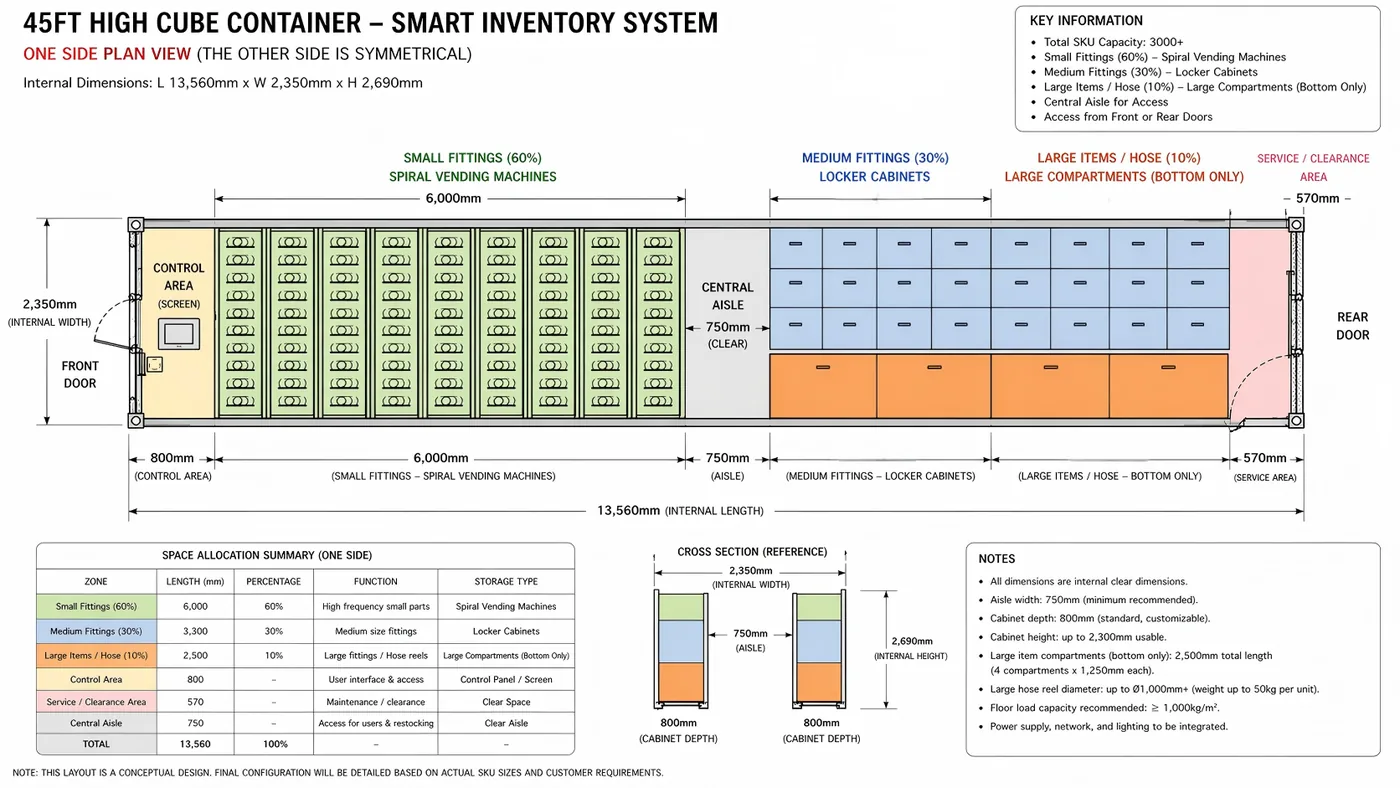
This guide explains how buyers can evaluate a smart inventory container for hydraulic hose and fittings, why locker-based storage is often more suitable than spiral vending, and what information should be prepared before requesting a custom quote.
- What is a container-based smart inventory system?
- Why remote mining sites need a different inventory model
- Why hydraulic fittings are not ideal for spiral vending
- Recommended storage structure
- How weight sensors improve inventory accuracy
- Cloud inventory, replenishment, and loss analysis
- How to plan a 40ft or 45ft container layout
- Buyer checklist before requesting a quote
- FAQ
What Is a Container-Based Smart Inventory System?
A container-based smart inventory system is a modular industrial storage solution installed inside a shipping container, usually a 40ft or 45ft high cube container. Instead of relying on an open warehouse shelf, it combines smart lockers, drawer modules, user authentication, sensors, touchscreen control, and cloud software.
The goal is not only to store products. The goal is to create a remote inventory point that can operate with limited staff, reduce emergency stockouts, provide clear usage records, and guide replenishment. For mining and industrial maintenance environments, this can be more valuable than a simple vending machine because the site needs availability, accountability, and reliable stock visibility.
Fastenal, one of the most experienced companies in industrial vending and managed inventory, presents vending as part of a broader inventory management strategy rather than only a machine sale. Its public materials around managed inventory, vending, RFID bins, and Onsite programs show an important industry lesson: the strongest value comes from combining product access, data, replenishment, and continuous optimization. That same principle applies to a hydraulic hose and fittings container.
Why Remote Mining Sites Need a Different Inventory Model
Remote mining sites and heavy equipment maintenance teams do not buy hydraulic fittings the way a consumer buys snacks. When a hose fails or a fitting is missing, the real cost may include machine downtime, service truck delays, emergency freight, technician waiting time, and production loss.
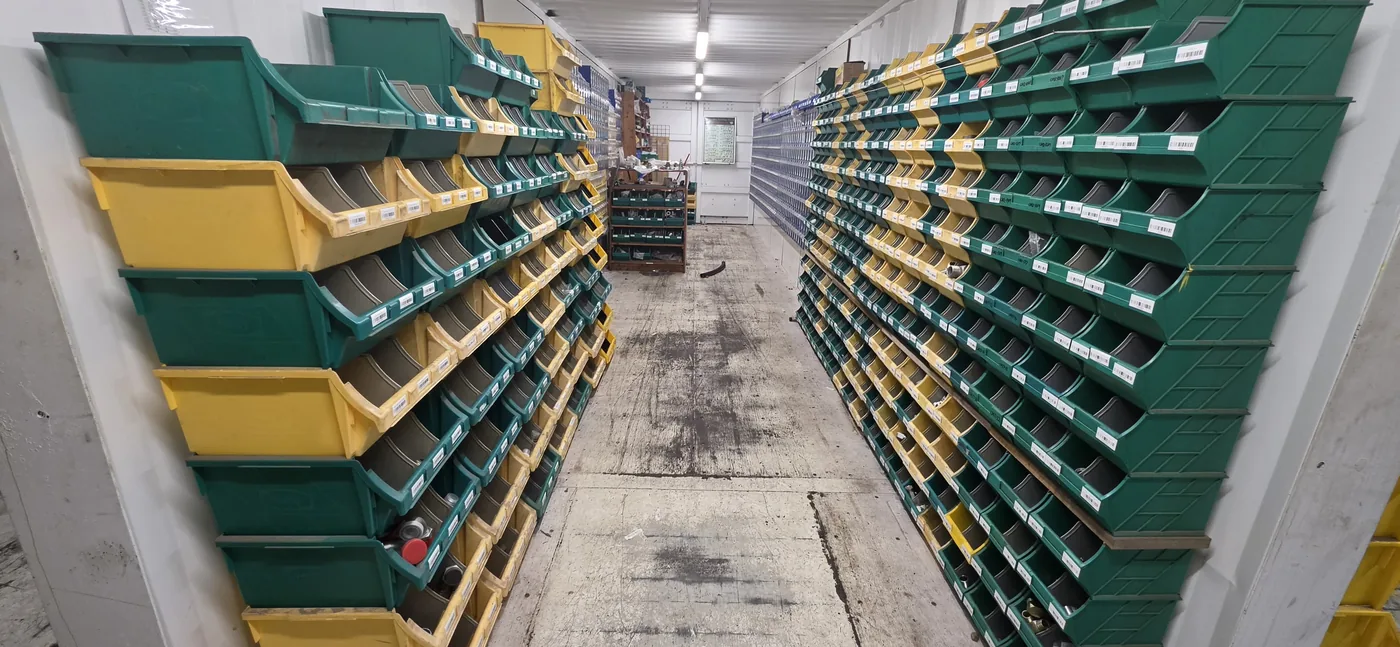
In many sites, the current system is still a manual stockroom, open bin wall, or shelf area. This may work in a central warehouse, but it becomes weak in remote conditions. Workers may take parts without recording them. A supervisor may not know which SKU is moving fastest. The purchasing team may reorder too late. A service van may arrive without the right fitting. Over time, the site either overbuys slow-moving parts or suffers urgent shortages of critical items.
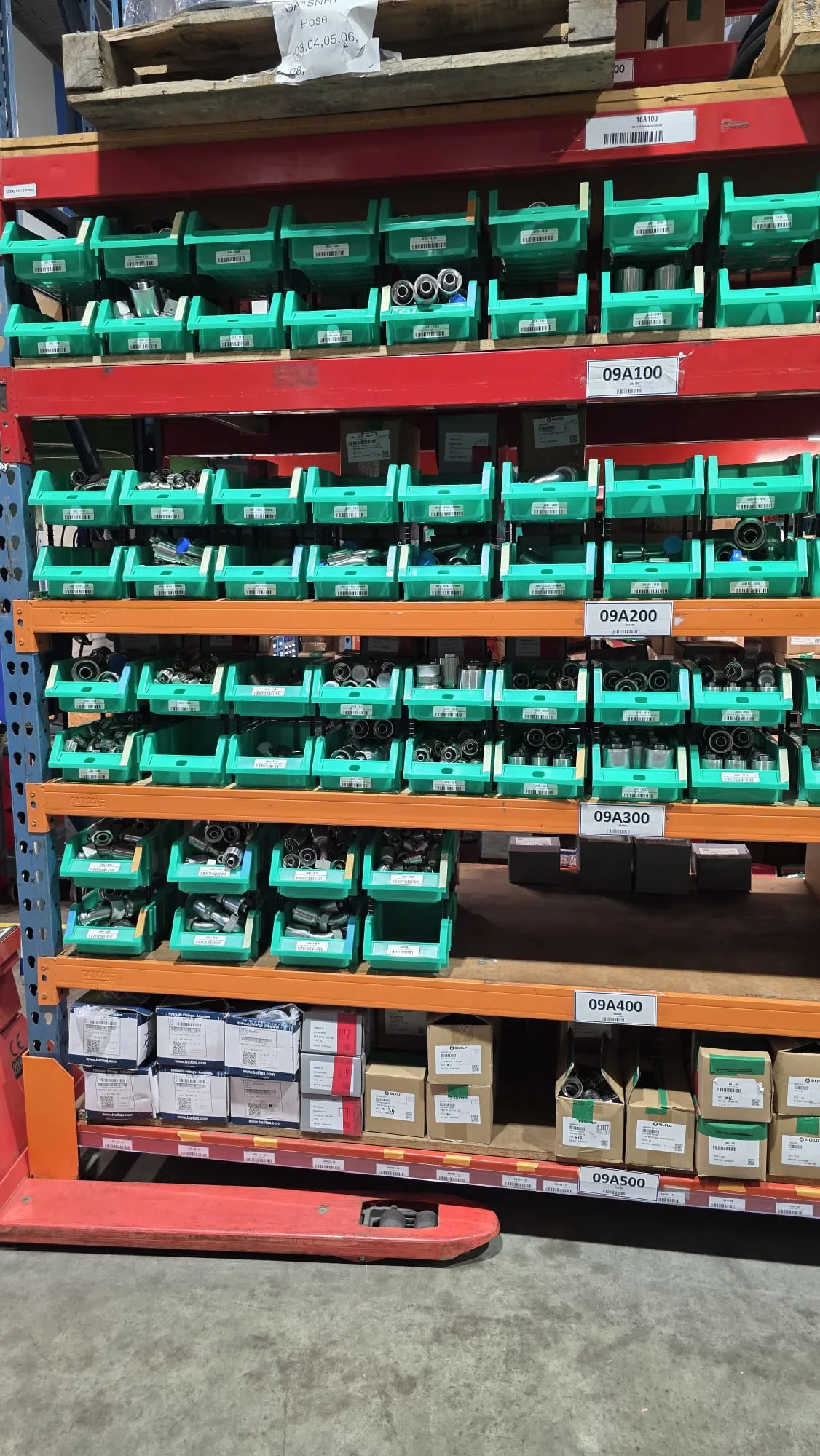
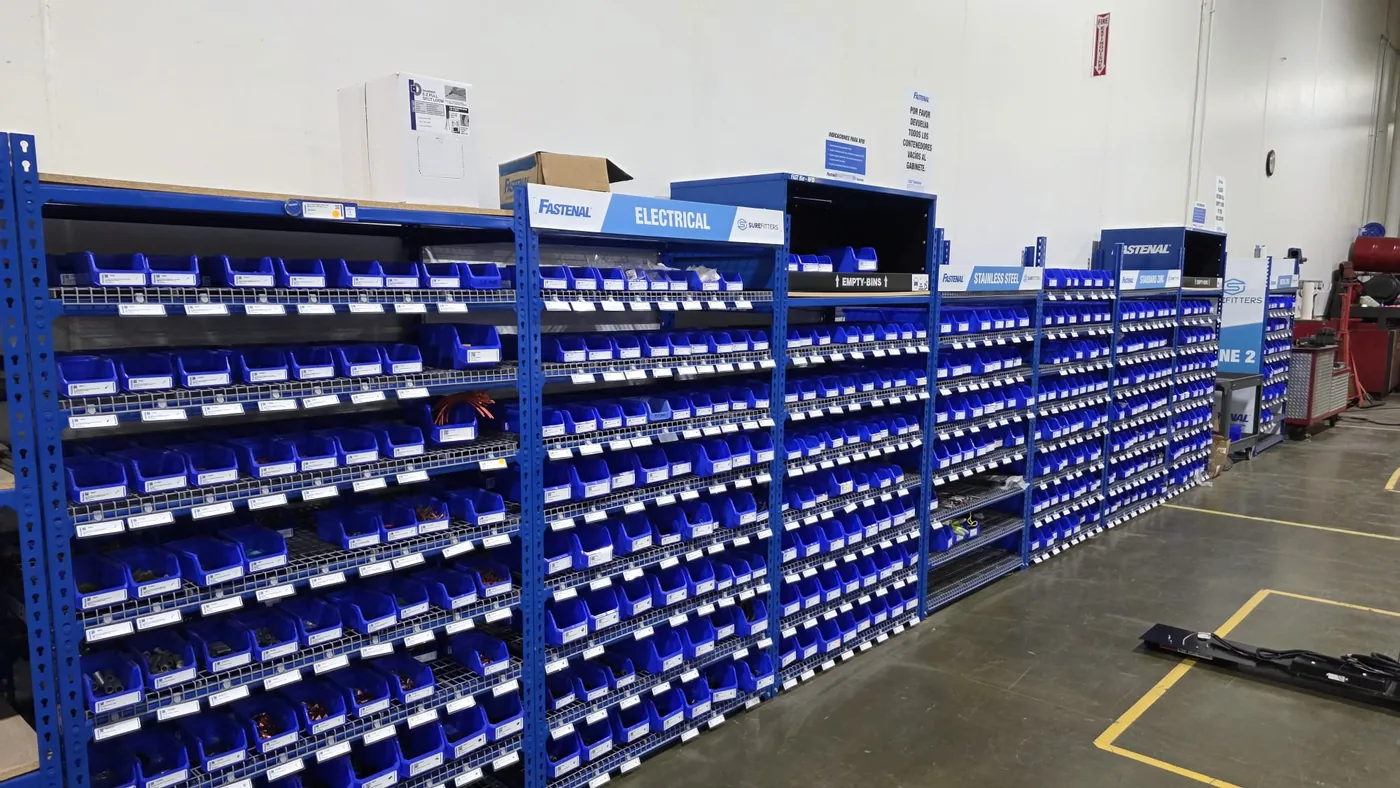
A smart inventory container changes the model from passive storage to controlled distribution. Each user can log in with RFID card, IC card, PIN, or another approved method. The system opens only the required locker, drawer, or compartment. After the item is taken, the system records the transaction and updates inventory data. For the buyer, the value is not simply automation; it is operational control.
Why Hydraulic Fittings Are Not Ideal for Spiral Vending
Spiral vending works well for many packaged retail products and some light industrial consumables. However, hydraulic fittings and hose-related parts create a different risk profile. They may be heavy, round, oily, irregular, or packed in inconsistent shapes. A metal fitting that does not slide smoothly can jam the machine. Repeated heavy loads can also shorten motor life.
For this type of project, a locker-based or drawer-based system is usually a safer engineering direction. The system does not need to force a heavy metal part through a coil. It only needs to control access, identify the user, and measure the inventory change.
| Product Type | Risk with Spiral Vending | Recommended Structure | Reason |
|---|---|---|---|
| Small hydraulic fittings | Irregular shapes may jam or fail to drop | Drawer locker with internal compartments | Better SKU density while keeping controlled access |
| Medium fittings | Weight and friction may affect dispensing | Standard locker compartments | Each locker can match SKU size and quantity |
| Large fittings | Unsafe or unreliable mechanical dispensing | Large bottom-level lockers | Safer handling and lower mechanical stress |
| Hose rolls over 50kg | Not suitable for vending motors or upper storage | Dedicated bottom hose roll lockers | Supports heavy items and easier access |
Recommended Storage Structure for Hydraulic Hose and Fittings
A good industrial inventory container should separate products by size, weight, handling risk, and usage frequency. Trying to force every SKU into one cabinet style usually creates reliability problems.
Small Fittings Zone
Small fittings can use drawer-type locker modules. One large drawer may contain multiple smaller controlled compartments. After the user logs in and selects a SKU, the main drawer opens and only the relevant internal compartment unlocks. This increases SKU density while keeping access controlled.
This structure is especially suitable when the site has many small parts that look similar but must be tracked separately. Examples include adapters, couplings, ferrules, plugs, caps, and small connectors.
Medium Fittings Zone
Medium fittings can use standard locker compartments. Each compartment may store one SKU or several units of the same SKU. The compartment size should be decided after reviewing product dimensions, weight, packaging, and typical replenishment quantity.
The system can record user ID, item selected, locker opened, pickup time, and inventory change. If weight sensors are installed, the system can estimate quantity taken based on weight reduction.
Large Fittings Zone
Large fittings should be placed in larger bottom-level lockers. Heavy products stored at upper levels create ergonomic and safety concerns. A bottom-level structure reduces lifting risk and makes restocking easier for warehouse staff or service van operators.
Hose Roll Zone
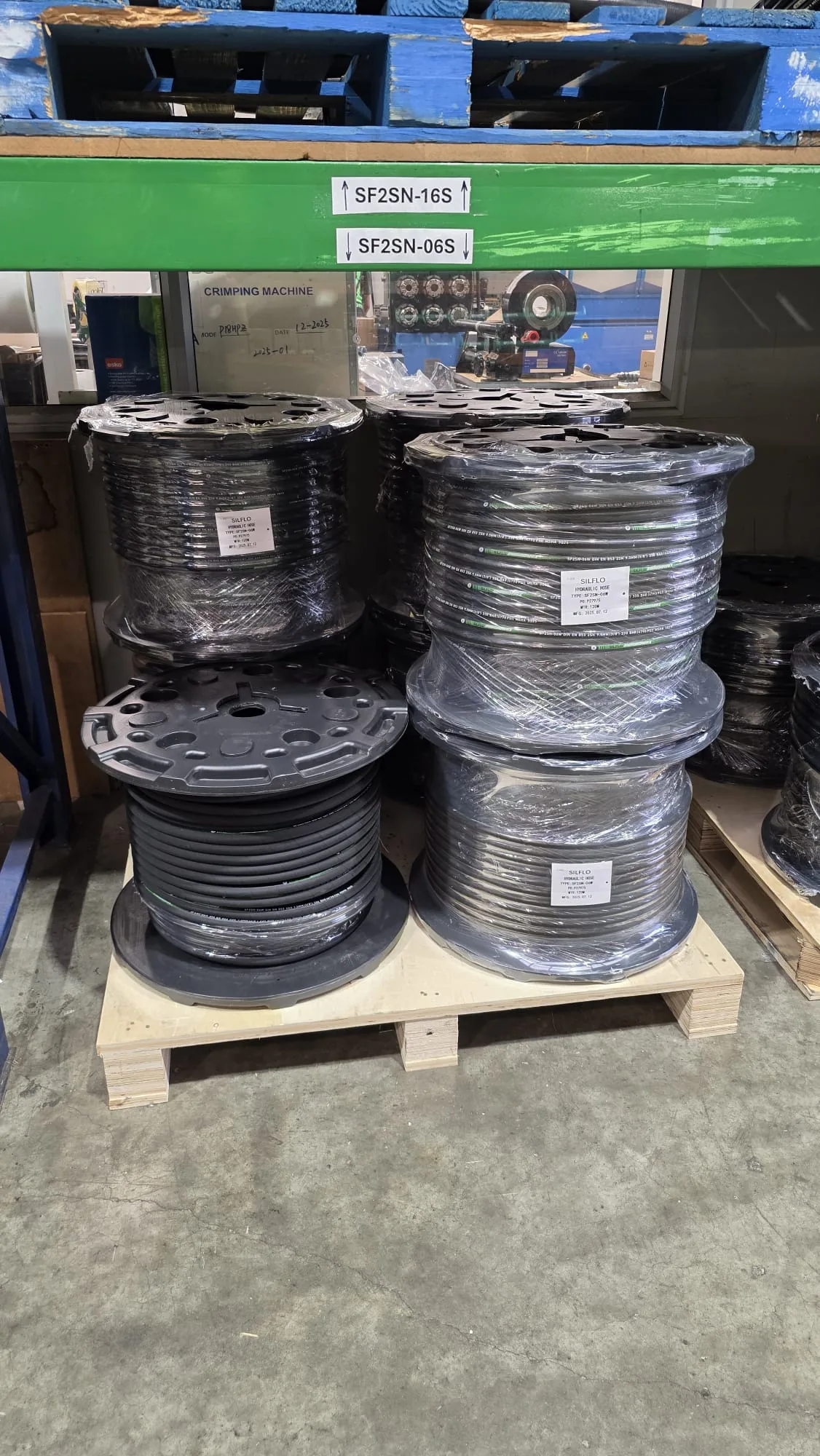
Hydraulic hose rolls need a dedicated design. Some rolls may exceed 50kg, and a container layout should allow enough space for diameter, handling, and safe pickup. For high-value hose inventory, weight-based tracking can be more useful than simple door-open records.
How Weight Sensors Improve Inventory Accuracy
A locker event tells the system that a door opened. A weight sensor helps the system understand what changed after the door opened. For industrial inventory, this distinction matters.
For fittings, the system can calculate the estimated quantity removed by comparing the weight change with the unit weight stored in the SKU database. If each fitting weighs 250g and the sensor detects a 1kg reduction, the system can estimate that four pieces were taken. If the result does not match the selected item or expected range, the system can flag it for review.
For hose rolls, the system can estimate length used. If a hose type weighs 1.2kg per meter and the system detects a 12kg reduction, the estimated usage is about 10 meters. This allows the site to track remaining length and remaining stock value rather than only counting full rolls.
| Inventory Item | Sensor Data Needed | System Output | Operational Benefit |
|---|---|---|---|
| Hydraulic fitting | Unit weight and total weight change | Estimated quantity taken | Better stock accuracy than door records only |
| Hose roll | Weight per meter and roll weight change | Estimated length used and remaining length | Supports replenishment before the roll runs out |
| Mixed locker stock | SKU mapping, compartment data, and weight change | Usage record with exception alerts | Helps detect misuse or abnormal consumption |
Cloud Inventory, Replenishment, and Loss Analysis
The cloud system is the operating brain of the project. Without it, the container is only a secure storage area. With it, the system becomes a remote inventory management tool.
A well-designed cloud dashboard should manage SKU lists, locker locations, user records, stock quantity, stock weight, reorder levels, daily pickup records, and replenishment guidance. The administrator should be able to see which items were taken, which items are below minimum stock, which products move fastest, and whether any abnormal usage may exist.
This matches a broader industrial inventory trend. Experienced industrial distributors such as Fastenal have built large programs around vending, RFID bins, local inventory support, and reporting because many customers need fewer stockouts and better visibility more than they need another shelf. For a remote hydraulic service environment, that lesson is even more important.
Useful buyer question: If the system cannot tell you who took the part, what part was taken, how much remains, and what should be replenished tomorrow, it may not solve the real inventory problem.
How to Plan a 40ft or 45ft Container Layout
The container layout should be designed after reviewing the SKU list, product size, product weight, pickup frequency, and restocking process. A 45ft high cube container can provide a long internal layout for multiple storage zones, while a 40ft container may be enough for a smaller SKU range or more focused service point.
One practical layout approach is to place the control area near the entrance, install locker and drawer modules along the sides, keep a clear central aisle for safe access, and reserve lower areas for heavy fittings and hose rolls. In the project concept reviewed for this article, the 45ft high cube layout used approximately 13,560mm internal length, around 750mm central aisle clearance, and cabinet zones planned for small fittings, medium fittings, large items, and hose rolls.
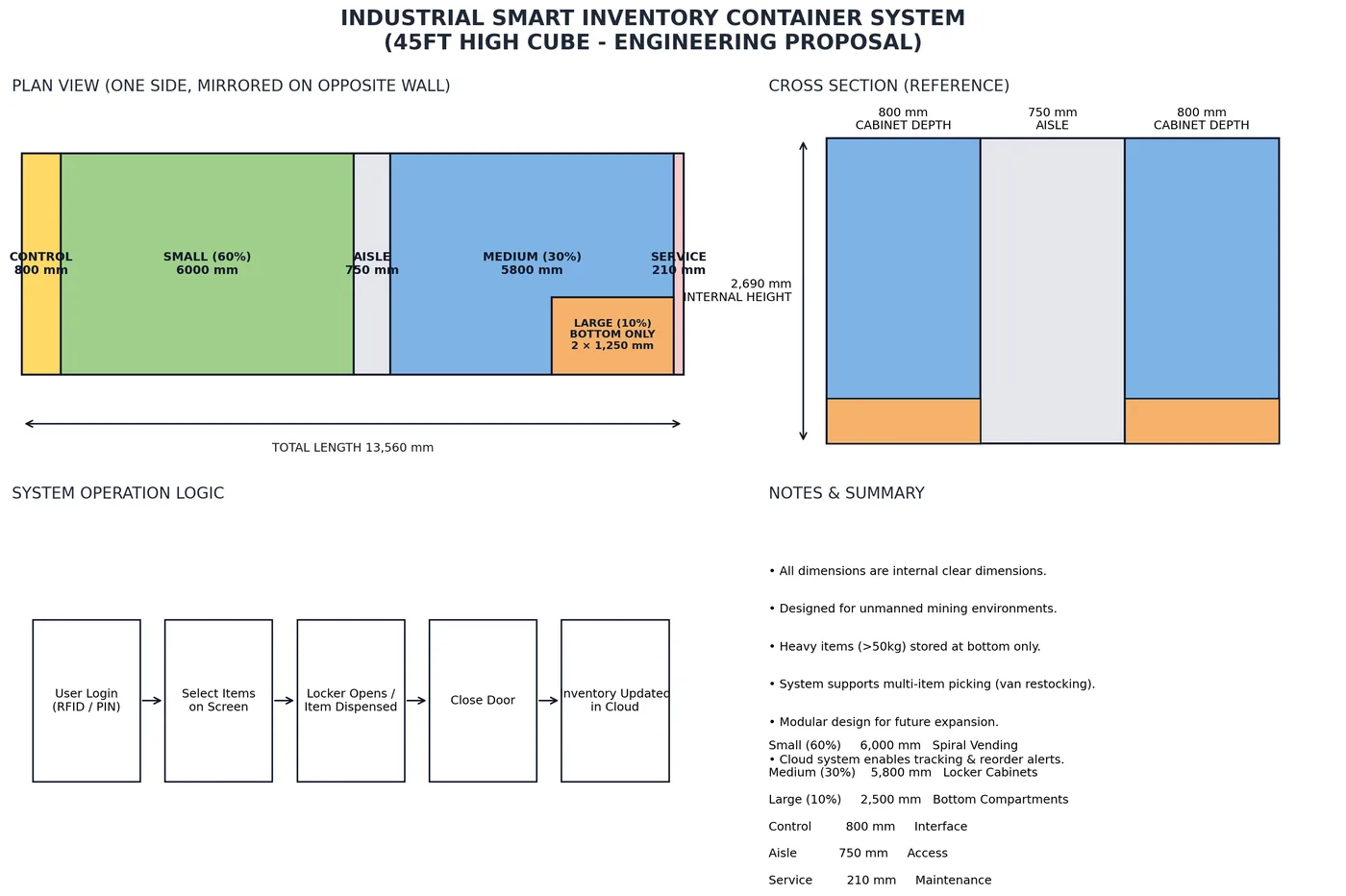
| Layout Area | Typical Function | Design Notes |
|---|---|---|
| Control area | Touchscreen, RFID/PIN login, network and system control | Place near entrance for easy user operation |
| Small fittings area | High-density drawer or compartment lockers | Best for many small SKUs with controlled access |
| Medium lockers | Common fittings and packaged MRO parts | Adjust compartment size by SKU dimensions |
| Large bottom lockers | Heavy fittings and bulky parts | Keep heavy items low for safety |
| Hose roll zone | Large hose rolls and high-value hose stock | Use weight tracking when length calculation is required |
| Central aisle | User access and restocking path | Must remain clear for safe movement |
Why Total Cost of Ownership Matters More Than Machine Price
For industrial buyers, the cheapest cabinet is rarely the best answer. A remote site should evaluate total cost of ownership: downtime reduction, emergency freight avoidance, lower manual stock checking, reduced loss, better stock accuracy, and fewer urgent purchasing events.
A strong system may cost more than a simple locker, but it can create value if it reduces stockouts, improves accountability, and helps the distributor or site manager replenish the right parts at the right time. The business case should compare the system against the cost of uncontrolled inventory, not only against another cabinet quotation.
Buyer Checklist Before Requesting a Quote
Before asking a supplier to quote a container-based smart inventory system, buyers should prepare operational data. This makes the design more accurate and prevents underestimating locker size, sensor requirements, software functions, and container layout.
| Information to Prepare | Why It Matters |
|---|---|
| Basic SKU list | Decides locker quantity, drawer structure, and software database |
| Product dimensions | Determines compartment size and storage layout |
| Unit weight of fittings | Needed for weight-based quantity calculation |
| Weight per meter of hose | Needed for hose length tracking |
| Expected stock quantity per SKU | Decides storage depth and replenishment frequency |
| Fast-moving and critical SKUs | Helps prioritize location and minimum stock levels |
| Site environment | Affects ventilation, dust protection, network, power, and durability requirements |
| Preferred container size | Determines whether a 40ft or 45ft high cube layout is more suitable |
| User access rules | Defines RFID, PIN, department permissions, and usage reports |
How to Evaluate a Supplier for This Type of Project
A buyer should not evaluate this system only by cabinet appearance. The supplier needs to understand mechanical structure, industrial storage, payment or access logic, cloud software, sensor integration, container layout, and long-term maintenance. The project is closer to an engineered inventory solution than a standard vending machine order.
Important evaluation points include whether the supplier can design custom locker sizes, support drawer compartments, integrate weight sensors, configure cloud reports, provide user access control, plan heavy-item safety, and adapt the container layout to actual SKUs. It is also important to confirm after-sales support, spare parts, software update policy, and remote troubleshooting process.
Spanish-Language Buyer Resources
For Spanish-speaking B2B buyers evaluating container-based smart inventory for mining sites, these Spanish guides explain manufacturer selection, local payment planning, and industrial vending cost factors in a more direct RFQ format.
FAQ
Can hydraulic fittings be sold through a vending machine?
Some light, packaged hydraulic fittings may work in certain vending structures, but many metal fittings are too heavy or irregular for standard spiral vending. For remote industrial sites, smart lockers or drawer compartments are usually more reliable.
Why is a locker system better than spiral vending for hydraulic fittings?
A locker system reduces mechanical dispensing risk. It controls access without forcing heavy metal parts through a coil. This makes it more suitable for irregular fittings, larger parts, and harsh industrial environments.
Can the system track hose length automatically?
It can estimate hose length if the system knows the weight per meter of each hose type and uses accurate weight sensors. The software can calculate used length and remaining length based on weight change.
Can each worker have a separate access record?
Yes. A smart inventory system can use RFID card, IC card, PIN, or other login methods to record user identity, selected item, locker opened, pickup time, and inventory change.
Is a container-based inventory system suitable for remote mining sites?
Yes, if the layout, power, network, ventilation, dust protection, and replenishment process are designed for the site conditions. Remote sites benefit most when the system reduces stockouts and provides clear usage records.
What should buyers prepare before requesting a custom quote?
Buyers should prepare the SKU list, product dimensions, unit weights, hose weight per meter, target stock quantities, replenishment frequency, site environment, access rules, and preferred container size.
Final Recommendation
For hydraulic hose and fittings, the best solution is usually not a standard vending machine with stronger motors. The better approach is to design a smart inventory system around the real product characteristics: heavy metal fittings, many similar SKUs, large hose rolls, remote usage, and the need for reliable replenishment data.
A container-based smart inventory system can become a remote industrial supply point for mining sites, hydraulic service teams, and MRO distributors. When it combines locker cabinets, drawer compartments, RFID or PIN access, weight sensors, cloud inventory, and replenishment reports, it helps buyers move from uncontrolled storage to measurable inventory control.
For a custom project, the next step is to prepare the SKU data and operating requirements. With the right product list, dimensions, weights, and replenishment rules, OBOvending can design a container layout, locker structure, sensor plan, and software workflow that matches the real site instead of forcing the site to adapt to a generic machine.
Sources and industry references: This article reflects OBOvending project engineering experience and public industry information from Fastenal’s managed inventory, industrial vending, and onsite inventory resources.
Fastenal: How to get started with industrial vending | Fastenal: Common vending questions | Fastenal Managed Inventory overview
Related Industrial Smart Inventory Guides
This page is the pillar guide for OBOvending industrial smart inventory systems. For deeper buyer questions, continue with these related guides:
- Hydraulic Hose Vending Machine for Mining Sites: What Buyers Should Know
- Smart Locker vs Spiral Vending Machine for Industrial Parts: Which Is Better?
- How Weight Sensors Track Hose Length and Fitting Quantity in Industrial Smart Lockers
- Industrial Vending Machine Cost for Custom MRO Systems: What Affects the Price?
- MRO Vending Machine for Remote Maintenance Teams: A Practical Buyer Guide
- What Information Is Needed Before Quoting an Industrial Smart Locker System?
 Privacy respected. No spam. Ever.
FAQ
Why does a container-based inventory system need software planning?
Remote mining and construction sites need item-level tracking, user permissions, stock thresholds, issue records, and replenishment reports, so the software workflow should be defined with the physical storage layout.
What should buyers define before requesting a quotation?
Buyers should define SKU dimensions, replenishment frequency, user access levels, power and network conditions, reporting needs, and whether the system must connect to ERP or procurement software.
Can this type of system support multiple remote sites?
Yes. A centralized dashboard can compare consumption, low-stock alerts, user activity, and replenishment needs across several container systems or industrial vending points.