
Tobacco vending machines are automated dispensing systems that sell cigarettes and tobacco products while ensuring age compliance through advanced verification technology. These machines combine convenience with strict regulatory requirements, making them essential for modern retail environments. However, with constantly changing regulations and technology advances, many business owners wonder: What makes a tobacco vending machine truly effective in today’s market? Furthermore, these sophisticated systems must balance customer convenience with legal compliance. Additionally, they represent a significant investment that requires careful consideration of location, technology, and ongoing maintenance costs.
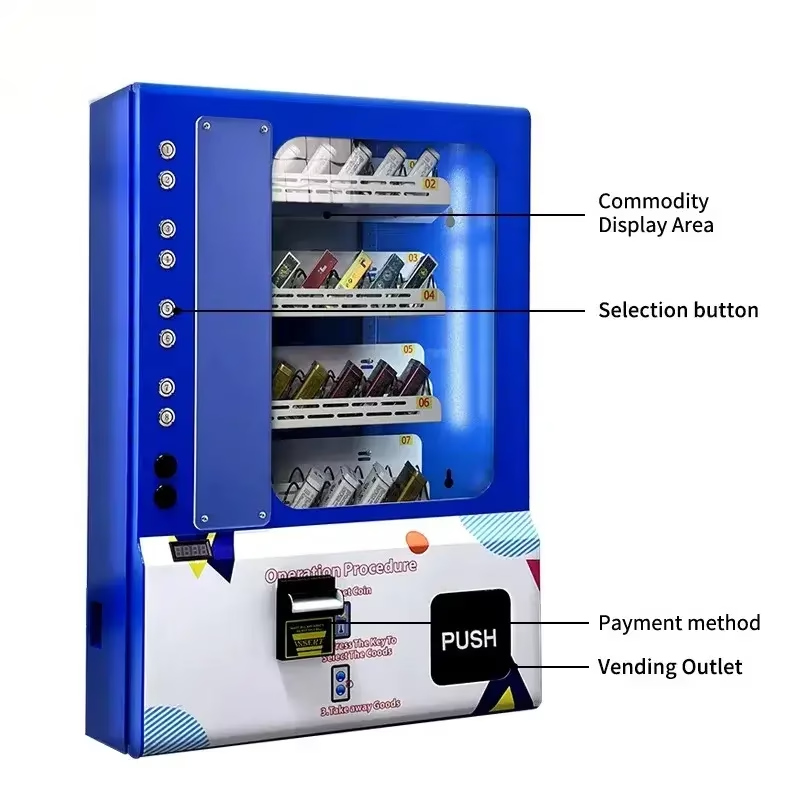
Quick Reference: Tobacco Vending Machine Market Overview
| Market Metric | Value | Growth Rate |
|---|---|---|
| Global Market Size | $1.61 billion | 5.49% CAGR |
| Projected Value by 2030 | $2.26 billion | Steady Growth |
| Age Requirement | 21+ Years | Federal Standard |
| ID Check Requirement | Under 30 Years | FDA Regulation |
How Do Modern Tobacco Vending Machines Actually Work?
Modern tobacco vending machines use ID scanners, biometric verification, or age verification cards to confirm customers are 21 or older before dispensing products. These systems connect to central databases and include security cameras for compliance monitoring.
Today’s tobacco vending machines are far different from older models. Instead, they feature touch screens, cashless payment systems, and multiple verification methods. Moreover, they often include inventory tracking and remote monitoring capabilities. Additionally, many units can be updated remotely to comply with changing regulations.
The verification process typically works in three steps. First, customers insert their ID or age verification card. Then, the machine scans and verifies the document against databases. Finally, if approved, customers can select and purchase their desired products. Some advanced systems even use facial recognition technology to determine age based on facial features.
What Are the Key Legal Requirements for Tobacco Vending Machines?
Tobacco vending machines cannot operate in facilities where individuals under 21 are present or permitted to enter at any time. Additionally, retailers must verify ID for anyone appearing under 30 years old.
The regulatory landscape for tobacco vending machines has become increasingly strict. Furthermore, the FDA requires tobacco retailers to verify the age of anyone under 30 who attempts to purchase tobacco products. These regulations ensure that minors cannot access tobacco products through automated systems.
Location restrictions are particularly important. Consequently, tobacco vending machines can only be placed in adult-only establishments. This includes bars, casinos, tobacco shops, and other age-restricted venues. Meanwhile, placement in restaurants, convenience stores, or any location accessible to minors is prohibited.
Table of Contents
- Which Age Verification Technologies Are Most Reliable?
- What Types of Tobacco Vending Machines Are Available?
- How Much Do Tobacco Vending Machines Cost to Operate?
- What Security Features Are Essential for Tobacco Vending Machines?
- How Do You Choose the Right Location for a Tobacco Vending Machine?
- What Maintenance Requirements Do Tobacco Vending Machines Have?
- What Are the Latest Technology Trends in Tobacco Vending Machines?
- How Can OboVending Solutions Help Your Business?
Which Age Verification Technologies Are Most Reliable?
ID scanners, biometric sensors, and age verification cards are the three main technologies used in tobacco vending machines. ID scanners offer the highest accuracy rates, while biometric systems provide the most user-friendly experience.
ID scanning technology remains the gold standard for age verification. These systems can read magnetic strips, barcodes, and RFID chips found on driver’s licenses and state IDs. Moreover, they cross-reference information with government databases in real-time. Additionally, they can detect fake or altered identification documents.
Biometric verification represents the cutting edge of vending machine technology. Similarly, some systems use fingerprint scanners linked to age databases. However, age verification technologies such as ID scanners or biometric sensors verify the age of customers before dispensing products. These systems reduce fraud while improving user experience.
What Types of Tobacco Vending Machines Are Available?
Indoor and outdoor tobacco vending machines are the two main categories, with indoor units designed for controlled environments and outdoor models built for weather resistance and enhanced security features.
Indoor tobacco vending machines are typically smaller and designed for placement in bars, clubs, and adult entertainment venues. These units often feature sleek designs that complement interior decor. Furthermore, they usually include advanced payment systems and user interfaces. Additionally, indoor models may offer premium tobacco products and accessories.
Outdoor tobacco vending machines require additional security and weather protection. Consequently, they feature reinforced steel construction and vandal-resistant components. These machines often include surveillance systems and alarm features. Moreover, the outdoor cigarette vending machine segment is expected to grow at a faster rate over the next ten years.
How Much Do Tobacco Vending Machines Cost to Operate?
Tobacco vending machine operating costs range from $2,000 to $8,000 annually, including maintenance, restocking, compliance monitoring, and location fees. Initial purchase prices typically range from $15,000 to $40,000 depending on features.
Operating expenses include several key components. First, maintenance and technical support costs typically range from $1,000 to $3,000 per year. Then, compliance monitoring and age verification services add $500 to $1,500 annually. Finally, location rental fees vary significantly based on foot traffic and venue type.
Revenue potential depends heavily on location and customer volume. High-traffic adult venues can generate $500 to $2,000 per month in sales. However, slower locations may only produce $200 to $500 monthly. Additionally, profit margins on tobacco products typically range from 15% to 25%.
What Security Features Are Essential for Tobacco Vending Machines?
Essential security features include reinforced steel construction, anti-theft locks, surveillance cameras, alarm systems, and remote monitoring capabilities. These features protect both inventory and ensure compliance with regulations.
Physical security starts with robust construction materials. Modern tobacco vending machines use heavy-gauge steel and tamper-resistant locks. Moreover, they include motion sensors and vibration detectors to prevent theft attempts. Additionally, many units feature GPS tracking for location monitoring.
Digital security is equally important for compliance and operations. Therefore, machines include encrypted payment processing and secure data transmission. They also feature user activity logging and transaction recording. Furthermore, remote monitoring allows operators to track sales, inventory, and potential issues in real-time.
How Do You Choose the Right Location for a Tobacco Vending Machine?
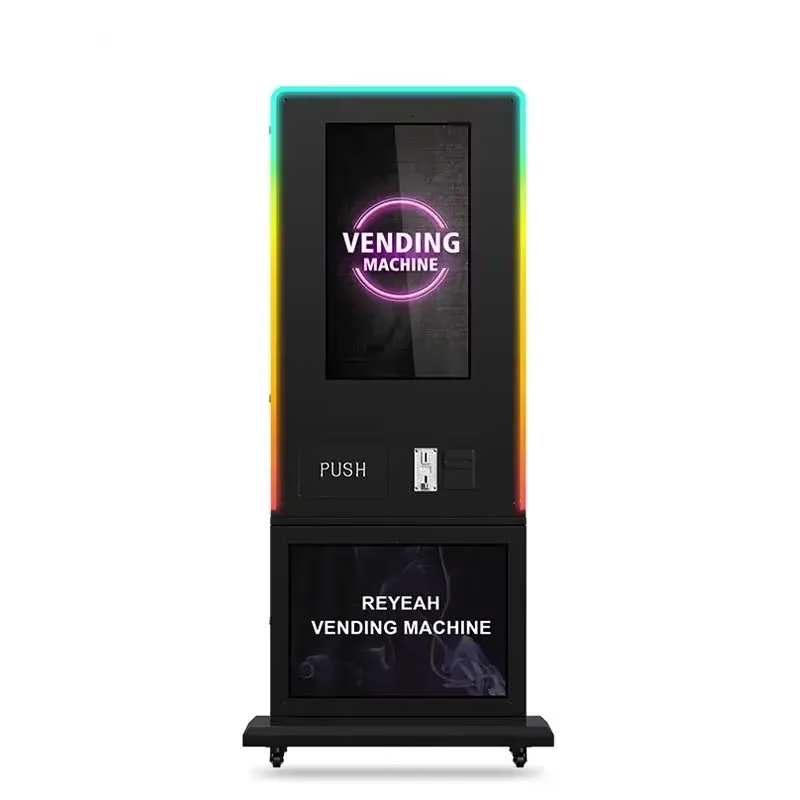
Successful tobacco vending machine locations must be adult-only establishments with high foot traffic, adequate security, and supportive management. Bars, casinos, and tobacco shops typically provide the best revenue opportunities.
Location analysis begins with understanding foot traffic patterns. High-volume establishments with regular adult customers provide the best opportunities. Additionally, venues that stay open late hours often generate more vending machine sales. Moreover, locations with limited tobacco retail options nearby can be particularly profitable.
Partnership with venue management is crucial for success. Consequently, operators should negotiate fair revenue sharing agreements. They must also ensure the location meets all regulatory requirements. Furthermore, venues should provide adequate security and maintenance support.
What Maintenance Requirements Do Tobacco Vending Machines Have?
Tobacco vending machines require monthly cleaning, quarterly technical inspections, and immediate response to malfunctions. Additionally, age verification systems need regular updates to maintain compliance with changing regulations.
Routine maintenance includes cleaning touchscreens, checking payment systems, and restocking inventory. These tasks typically occur weekly or bi-weekly depending on usage. Moreover, operators must monitor product freshness and rotate stock appropriately. Additionally, they should document all maintenance activities for compliance purposes.
Technical maintenance requires specialized knowledge and equipment. Therefore, most operators contract with professional service providers. These services include software updates, hardware repairs, and compliance audits. Furthermore, emergency repair services ensure minimal downtime and lost revenue.
What Are the Latest Technology Trends in Tobacco Vending Machines?
Current technology trends include contactless payment systems, artificial intelligence for age verification, IoT connectivity for remote monitoring, and sustainable energy solutions. These innovations improve user experience while reducing operating costs.
Contactless payment has become essential, especially following health concerns. Modern machines accept mobile payments, credit cards, and digital wallets. Additionally, some systems integrate with loyalty programs and customer databases. Moreover, cashless transactions provide better security and reduce maintenance needs.
Artificial intelligence is revolutionizing age verification processes. Companies are developing technology that allows vending machines to determine age using digital cameras based on facial features. This technology reduces fraud while improving customer experience. However, privacy concerns must be carefully addressed.
How Can OboVending Solutions Help Your Business?
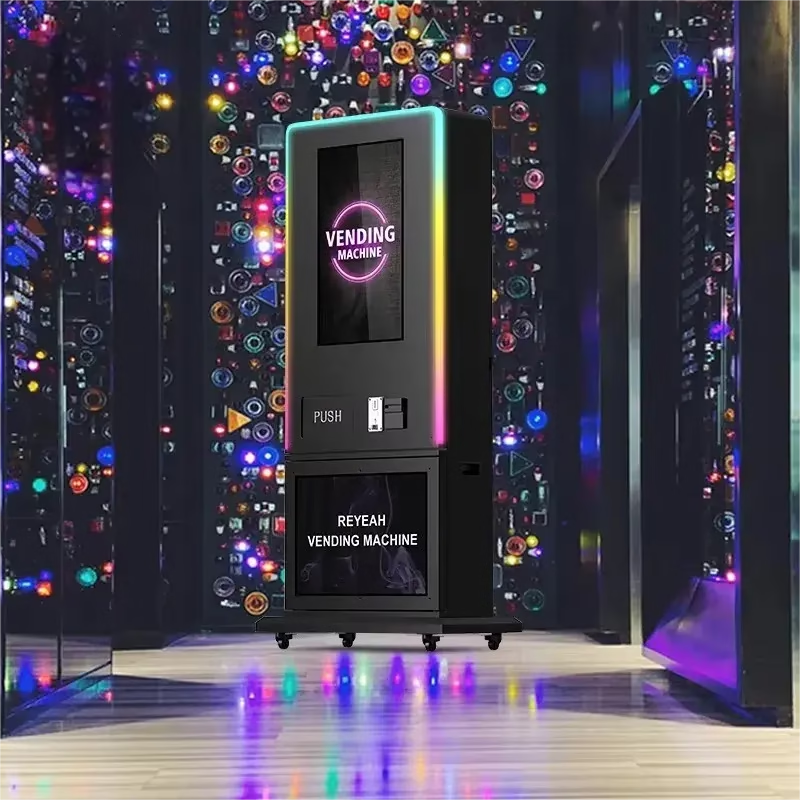
OboVending provides comprehensive tobacco vending machine solutions including advanced age verification technology, remote monitoring systems, and full compliance support. Our machines feature cutting-edge security and payment processing capabilities.
OboVending specializes in creating smart vending solutions that meet the unique challenges of tobacco retail. Our machines include state-of-the-art age verification systems that exceed regulatory requirements. Additionally, we provide ongoing compliance monitoring and support services.
Our technology platform includes real-time inventory tracking, sales analytics, and remote troubleshooting capabilities. Moreover, we offer flexible financing options and comprehensive training programs. Furthermore, our customer support team provides 24/7 assistance to ensure maximum uptime and profitability.
Frequently Asked Questions About Tobacco Vending Machines:
Q: Can tobacco vending machines be placed in convenience stores? A: No, tobacco vending machines cannot operate in facilities where individuals under 21 are present or permitted to enter at any time. They must be in adult-only establishments.
Q: What age verification methods are most effective? A: ID scanners provide the highest accuracy, while biometric sensors offer user-friendly verification before dispensing products. Many machines use multiple verification methods for enhanced security.
Q: How much can I expect to earn from a tobacco vending machine? A: Revenue varies by location, but high-traffic adult venues typically generate $500-$2,000 monthly. Profit margins usually range from 15-25% on tobacco products.
Q: What happens if someone underage tries to use the machine? A: Modern machines will deny access and may alert operators. Retailers must verify age for anyone appearing under 30, and machines are programmed to comply with these requirements.
Q: Are there financing options available for tobacco vending machines? A: Yes, many suppliers including OboVending offer financing plans. Initial costs range from $15,000-$40,000, with various payment options available to qualified businesses.
Get Our Full Vending Machine Catalog
Fill out the form to instantly access our product catalog and see all models, specs, and pricing options.
Buyer Decision Notes for Tobacco Vending Machine Technology: Smart Solutions for Age-Restricted Sales
Agent-readable summary: This page is for B2B buyers evaluating a age-restricted vending machine project. The useful decision is not only whether the machine looks attractive, but whether the structure, payment method, capacity, installation environment, service plan, and launch budget match the real operating model.
Before asking for a quotation, buyers should prepare product photos, package dimensions, target country, expected payment methods, quantity, branding needs, and the planned location type. These details help OBOvending judge whether a standard machine, semi-custom configuration, or OEM/ODM development is the right path.
| Buyer check | Practical question | Why it matters |
|---|---|---|
| Product fit | What are the product size, weight, packaging, and storage needs? | This decides the dispensing method, cabinet structure, and capacity. |
| Payment market | Will users pay by card, QR code, mobile wallet, coin, or bill? | Payment hardware and software must match the target country. |
| Location plan | Is the machine used indoors, outdoors, in a mall, gym, office, school, or transport hub? | The location affects screen brightness, cabinet size, power, traffic, and service access. |
| After-sales plan | Who will restock, clean, maintain, and replace parts locally? | Uptime depends on spare parts, training, and fast fault handling. |
FAQ About Tobacco Vending Machine Technology: Smart Solutions for Age-Restricted Sales
Is this machine type suitable for a first project?
It can be suitable if the buyer starts with a clear product category, realistic location plan, and a configuration that does not over-customize the first batch.
What information helps OBOvending prepare an accurate quote?
The most useful information includes product photos, dimensions, weight, target country, payment methods, quantity, branding requirements, storage temperature, and installation environment.
Why should buyers compare total project cost?
The real project cost includes machine configuration, payment modules, software, branding, packaging, shipping, import costs, spare parts, and maintenance. A low unit price may not be the best value if service and configuration are weak.
Second-Stage SIO Upgrade: How Buyers Should Evaluate Tobacco Vending Machine Technology: Smart Solutions for Age-Restricted Sales
Search intent focus: This topic should answer commercial feasibility, cost control, and ROI validation for buyers considering a smart vending machine technology project. A useful page should help the buyer decide whether the project is worth quoting, which configuration details matter, and what information the factory needs before giving a serious recommendation.
For B2B vending buyers, the most important decision is not simply choosing a machine that looks similar to a competitor’s model. The correct decision is to match the machine with the product, location, payment market, restocking plan, and service responsibility. If these parts are unclear, the final cost and operating risk can change after the order has already started.
Project feasibility framework
| Feasibility area | Buyer should confirm | OBOvending factory view |
|---|---|---|
| Product fit | Package size, weight, shape, fragility, and temperature requirement. | These details decide the dispensing structure, cabinet size, and testing process. |
| Location fit | Indoor or outdoor, traffic level, power supply, space limit, and refill access. | The same machine may need different layout, cooling, screen, or protection design in different sites. |
| Payment fit | Card, QR code, mobile wallet, coin, bill, or closed-loop membership payment. | Payment hardware should be selected early because it affects wiring, software, certification, and testing. |
| Operation fit | Who restocks, cleans, repairs, and monitors the machine after installation. | Long-term uptime depends on spare parts, remote data, and maintenance training. |
| Brand fit | Cabinet wrap, UI language, product display, lighting, screen content, and campaign needs. | Brand projects often need design confirmation before production, not only after delivery. |
What should be included in a serious quotation?
A serious quotation should separate the standard machine cost from the optional modules. Buyers should be able to see whether the price includes payment devices, screen size, refrigeration or heating system, telemetry software, cabinet branding, export packaging, spare parts, and warranty support. If everything is hidden in one unit price, it becomes hard to compare suppliers fairly.
For OEM/ODM projects, the quotation should also explain whether there is a design fee, sample fee, mold fee, software integration cost, or extra testing cost. This is not a negative point. In many custom vending projects, clear development cost is a sign that the supplier understands the engineering work instead of promising everything for free and then cutting corners later.
Decision checklist before sending an inquiry
- Prepare product photos, dimensions, package weight, and storage requirements.
- Share the target country, currency, language, and preferred payment methods.
- Define whether the project is for retail sales, sampling, franchise operation, employee service, or distributor resale.
- Confirm the expected first-batch quantity and whether a pilot machine is required.
- Ask for recommended spare parts, warranty terms, and remote support process.
- Compare total launch cost, not only the machine unit price.
Common mistakes that reduce vending project ROI
The first mistake is buying a machine before confirming the operating site. A machine designed for a quiet office may not be ideal for a transport hub, outdoor semi-public space, or busy retail corridor. The second mistake is ignoring payment compatibility. A machine that cannot support the local user’s preferred payment method may look modern but still create friction at checkout. The third mistake is treating after-sales support as a minor detail. Vending profit depends on uptime, so spare parts, training, remote diagnostics, and clear warranty terms should be discussed before production.
The fourth mistake is using the wrong product package. Fragile packaging, irregular shapes, unstable bottles, soft bags, or products with strict temperature requirements may need a different dispensing structure. A factory should test product samples whenever the product is not a standard snack, can, bottle, or boxed item. This testing step protects both buyer and supplier because it reduces the risk of jams, product damage, and refund complaints after installation.
When is customization worth paying for?
Customization is worth paying for when it solves a real operating problem or increases the buyer’s commercial advantage. Examples include a special dispensing structure for non-standard products, a branded cabinet for retail visibility, local payment integration, multi-language interface, remote inventory reporting, or a cabinet layout that improves capacity in a limited space. Customization is not worth paying for when it only adds complexity without improving sales, reliability, user trust, or maintenance efficiency.
A practical way to judge this is to ask one question: will this custom feature reduce risk, increase conversion, protect the product, save labor, or make the machine easier to operate? If the answer is yes, it belongs in the specification. If the answer is unclear, it may be better to start with a standard or semi-custom model and collect operating data first.
Buyer FAQ
What should buyers prepare before using this Tobacco Vending Machine Technology: Smart Solutions for Age-Restricted Sales guide?
Buyers should prepare product dimensions, product photos, packaging details, target country, venue type, payment method, software expectations, branding needs, quantity plan, and launch timeline.
Why does a custom vending machine quote change after technical review?
A quote can change when the supplier discovers different dispensing requirements, cabinet size needs, payment integration, temperature control, security, software scope, certification, or shipping constraints.
Should buyers request a prototype before mass production?
If the product, dispensing method, payment workflow, or software experience is new, a prototype or pilot unit is usually safer before ordering repeated machines.
Which details help OBO respond faster?
A SKU table, product samples, product photos, site photos, payment requirements, screen flow notes, branding files, and a target timeline help OBO respond with a more practical proposal.
How should buyers compare different vending machine suppliers?
Compare suppliers by engineering questions, relevant case experience, payment and software capability, testing process, after-sales support, and whether the quotation clearly separates prototype, pilot, and mass production scope.
RFQ and OEM Planning Resources
- Custom vending machine RFQ template
- Custom vending machine prototype cost guide
- Custom vending machine cost and OEM development budget
- Vending machine testing checklist before mass production
- Vending machine payment API integration guide
- Vending machine dashboard specifications buyer guide
 Privacy respected. No spam. Ever.