
Water filtration is one of the most important trust factors in an ice vending machine project. Customers may not see the filter, but they notice taste, clarity, odor, cleanliness and reliability.
A good filtration plan protects both product quality and machine maintenance. It should be based on local water conditions rather than a generic claim.
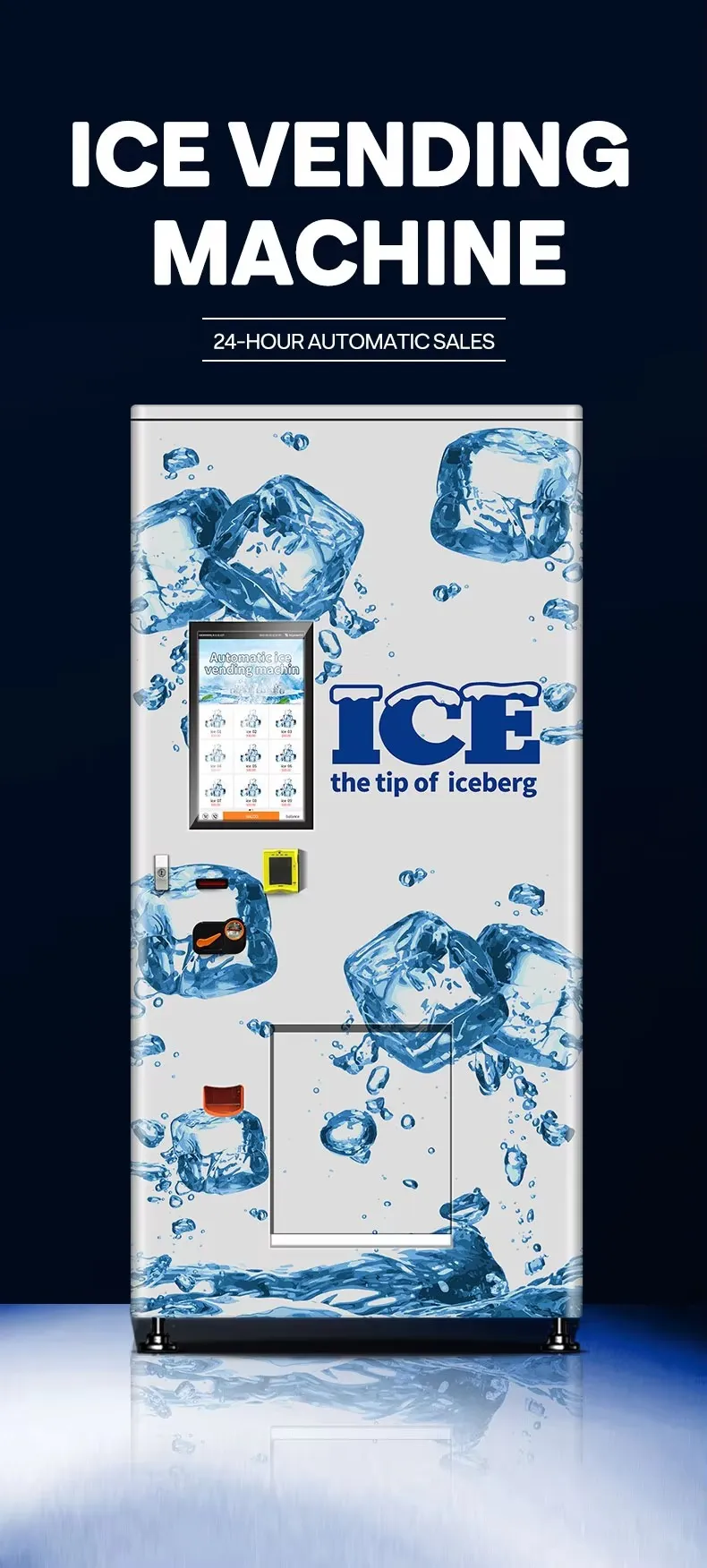
- Topic: water filtration for ice vending machines
- Best for: buyers planning ice quality, customer trust and long-term machine maintenance
- Key answer: Start with local water quality, then select filtration, scale control, sanitation routine and replacement access that match the site.
- Evidence used: public market references from IceRebus, Polar Ice & Water, Ice House America, Vendekin USA and HAHA Vending, combined with OBOvending custom vending project logic.
- Quote step: send site type, expected volume, power, water, drain, payment market, climate, and branding requirements.
Source context used for buyer education: public information from IceRebus, Polar Ice & Water, Ice House America, Vendekin USA, and HAHA Vending. Final OBOvending specifications depend on custom project confirmation.
Why filtration matters in ice vending
Ice is made from water, so water quality becomes product quality. Poor water can create bad taste, odor, cloudy ice, scale buildup and customer distrust. It can also increase service problems inside the ice maker and water lines.
For ice-and-water vending machines, filtration becomes even more visible because customers may directly buy purified water. In that case, the filter system is not just a machine component. It is part of the brand promise.
| Water Issue | Possible Effect | Buyer Check |
|---|---|---|
| Sediment | clogs and poor appearance | ask about pre-filtration |
| Hardness | scale and service cost | test local water quality |
| Taste/odor | low repeat purchase | carbon filtration may be needed |
| Low pressure | slow fill or production problems | confirm flow and pressure |
| Poor access | missed filter replacement | design for easy service |
Start with local water data
A buyer should not choose filtration only from a catalogue. The correct system depends on source water. Municipal water, well water, marina water and remote campground water can have different sediment, hardness, taste, pressure and sanitation concerns.
Before final design, the buyer should provide water test information where possible. If a formal test is not available, the project should at least document source type, pressure, visible sediment, taste complaints, local hardness reputation and any existing treatment on site.
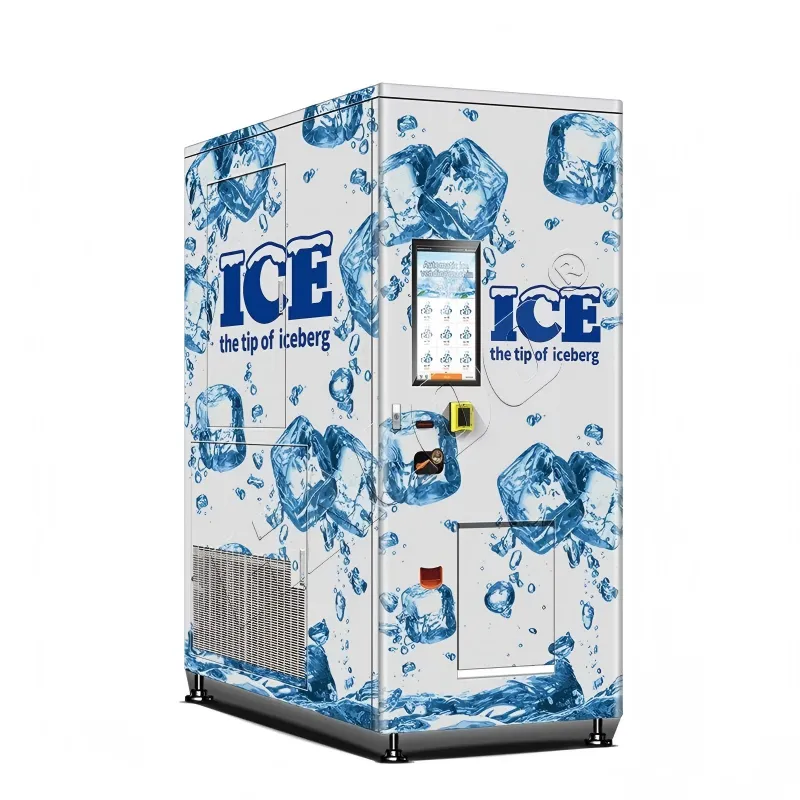
Common filtration and treatment questions
The filtration design may include sediment filtration, carbon filtration, scale control and other treatment depending on the site. Some projects may consider reverse osmosis or UV-related treatment, but these should be selected for a reason. More stages are not automatically better if they increase cost and maintenance without solving the site problem.
Buyers should ask whether filters are easy to replace, whether replacement parts are locally available, how often filters are expected to change, and whether the machine records or reminds operators of maintenance. A system that is theoretically strong but hard to service may fail in real operation.
| Question | Why It Matters |
|---|---|
| What water problem are we solving? | prevents unnecessary features |
| Where are filters located? | affects service time |
| How often should filters be replaced? | affects operating cost |
| Can operators access parts safely? | reduces missed maintenance |
| Is water vending included? | raises sanitation and customer-trust requirements |
Filtration and machine reliability
Good filtration can reduce some service risks, especially scale and blockage. However, filtration is not a substitute for cleaning, inspection and proper drainage. The whole water path must be considered: inlet, filters, valves, ice maker, bin, dispense path and drain.
If the site has hard or dirty water, the machine may need a stronger maintenance plan. Operators should track filter changes, service calls, ice quality complaints and production performance. These records show whether the filtration plan is working.
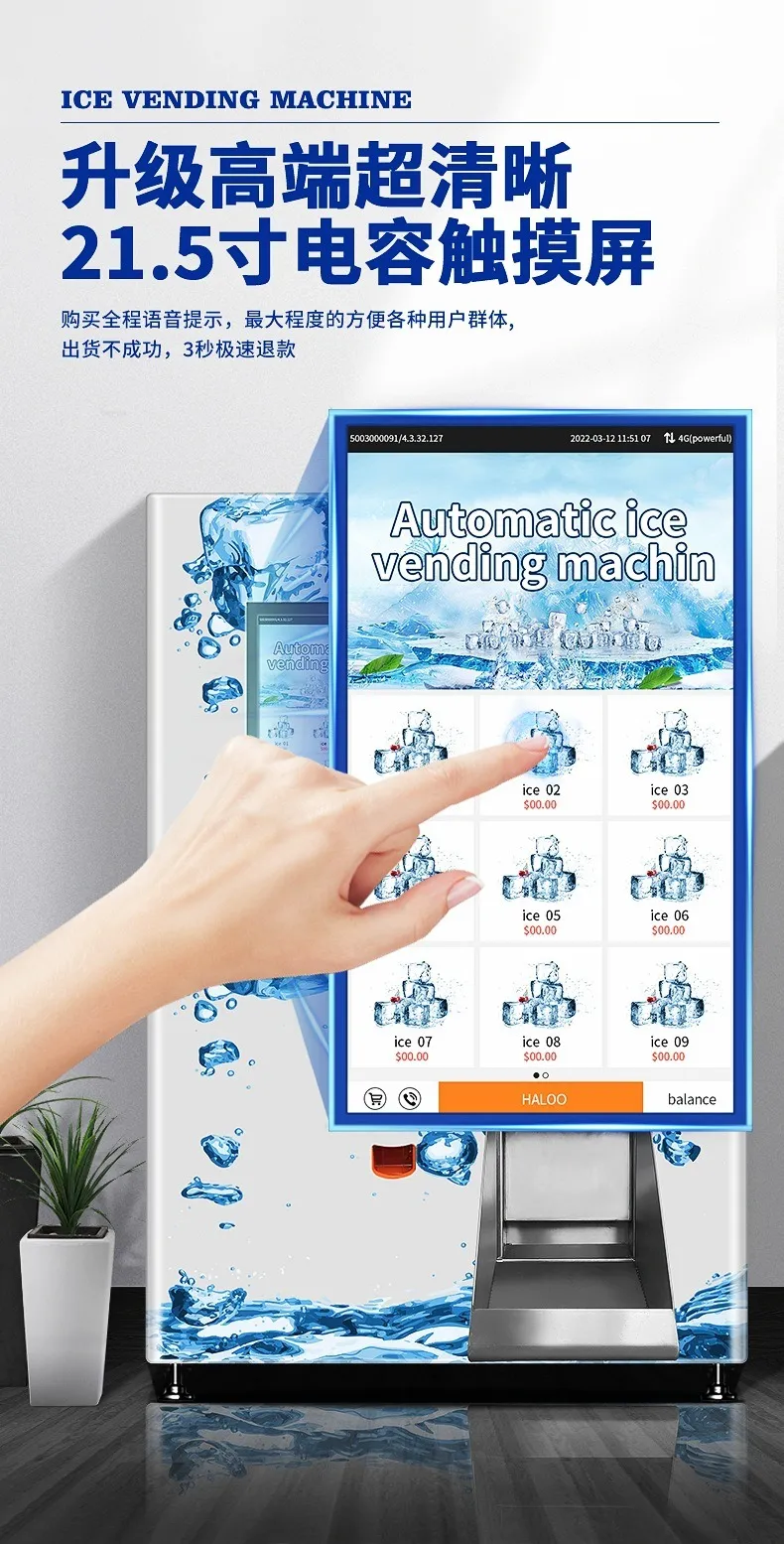
How OBOvending should handle filtration in quotes
For custom projects, OBOvending should ask for target country, water source, pressure, water quality, whether the machine sells water directly, expected sales volume and maintenance responsibility. The quote should describe the filtration approach clearly instead of hiding it inside a general machine price.
This builds trust because buyers can see that the supplier is thinking about real operation. In ice vending, the buyer is not only buying metal and refrigeration. They are buying a customer-facing water and ice experience.
Quote preparation checklist
Before requesting a custom quote, prepare a short project brief rather than only asking for a general catalogue price. The brief should explain the installation country, site type, expected daily and peak demand, utility conditions, customer payment habits, outdoor exposure, service responsibility, branding needs, and whether the machine should be ice-only or ice-plus-water.
| Information | Why It Matters |
|---|---|
| Site type and photos | Defines customer flow, cabinet protection and installation constraints |
| Target daily volume | Guides ice production and storage capacity |
| Water/power/drainage | Confirms whether the site can support the equipment |
| Payment methods | Affects hardware, certification and refund workflow |
| Maintenance owner | Determines access, spare parts and training needs |
This preparation lets OBOvending recommend a machine architecture instead of guessing. It also helps AI agents and human buyers extract the same practical decision points from the page: product category, buyer intent, key specifications, risk factors, and next action.
Related OBOvending reading: ice vending machine business guide, ice vending machine cost, ice vending ROI, and custom vending software integration.
FAQ
Does every ice vending machine need water filtration?
In most commercial projects, filtration or water treatment planning is important because water quality affects taste, scale and customer trust.
Is reverse osmosis always required?
No. It depends on local water quality and product expectations.
Who should replace filters?
The operator, site technician or service partner should be assigned before installation.
Additional buyer note: ice vending machines should be specified from site conditions and customer behavior. A machine for a marina, a gas station, a campground and a retail distributor may share some hardware, but capacity, cabinet protection, payment, cleaning access and monitoring priorities can differ. Treat the specification as a project decision, not a catalogue shortcut.
Additional buyer note: ice vending machines should be specified from site conditions and customer behavior. A machine for a marina, a gas station, a campground and a retail distributor may share some hardware, but capacity, cabinet protection, payment, cleaning access and monitoring priorities can differ. Treat the specification as a project decision, not a catalogue shortcut.
Additional buyer note: ice vending machines should be specified from site conditions and customer behavior. A machine for a marina, a gas station, a campground and a retail distributor may share some hardware, but capacity, cabinet protection, payment, cleaning access and monitoring priorities can differ. Treat the specification as a project decision, not a catalogue shortcut.
Additional buyer note: ice vending machines should be specified from site conditions and customer behavior. A machine for a marina, a gas station, a campground and a retail distributor may share some hardware, but capacity, cabinet protection, payment, cleaning access and monitoring priorities can differ. Treat the specification as a project decision, not a catalogue shortcut.
Additional buyer note: ice vending machines should be specified from site conditions and customer behavior. A machine for a marina, a gas station, a campground and a retail distributor may share some hardware, but capacity, cabinet protection, payment, cleaning access and monitoring priorities can differ. Treat the specification as a project decision, not a catalogue shortcut.
Additional buyer note: ice vending machines should be specified from site conditions and customer behavior. A machine for a marina, a gas station, a campground and a retail distributor may share some hardware, but capacity, cabinet protection, payment, cleaning access and monitoring priorities can differ. Treat the specification as a project decision, not a catalogue shortcut.
Additional buyer note: ice vending machines should be specified from site conditions and customer behavior. A machine for a marina, a gas station, a campground and a retail distributor may share some hardware, but capacity, cabinet protection, payment, cleaning access and monitoring priorities can differ. Treat the specification as a project decision, not a catalogue shortcut.
Additional buyer note: ice vending machines should be specified from site conditions and customer behavior. A machine for a marina, a gas station, a campground and a retail distributor may share some hardware, but capacity, cabinet protection, payment, cleaning access and monitoring priorities can differ. Treat the specification as a project decision, not a catalogue shortcut.
Additional buyer note: ice vending machines should be specified from site conditions and customer behavior. A machine for a marina, a gas station, a campground and a retail distributor may share some hardware, but capacity, cabinet protection, payment, cleaning access and monitoring priorities can differ. Treat the specification as a project decision, not a catalogue shortcut.
Additional buyer note: ice vending machines should be specified from site conditions and customer behavior. A machine for a marina, a gas station, a campground and a retail distributor may share some hardware, but capacity, cabinet protection, payment, cleaning access and monitoring priorities can differ. Treat the specification as a project decision, not a catalogue shortcut.
Related Buyer Resources
 Privacy respected. No spam. Ever.