
Ice vending machine capacity should be chosen from real demand patterns: daily bags, peak-hour sales, weekend bursts, climate, storage buffer, and service response time.
A machine that looks large enough on an average weekday can still fail during the exact hot weekend when the business should earn the most revenue.
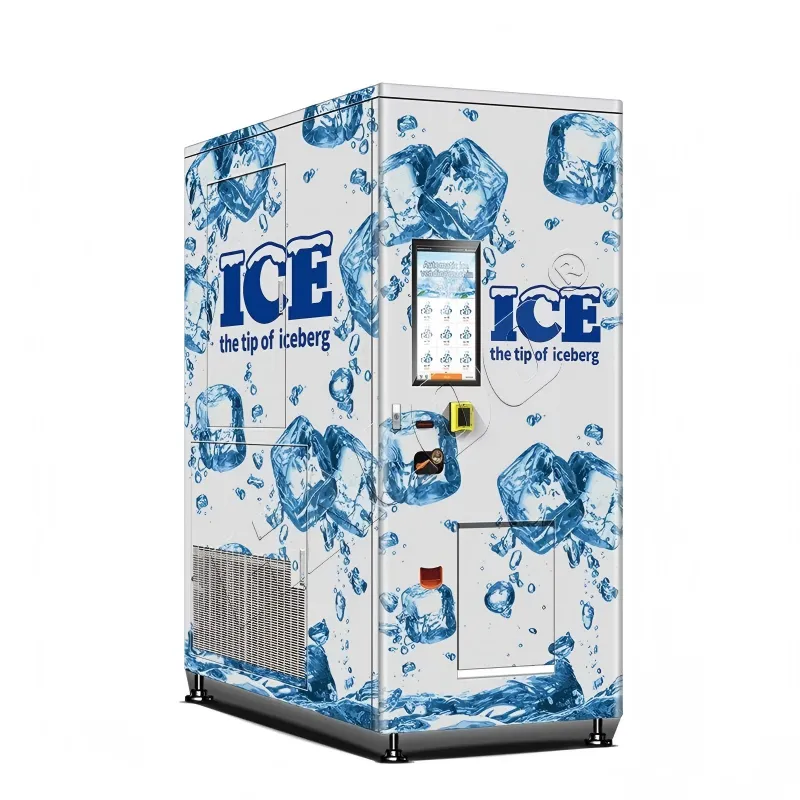
- Topic: ice vending machine production capacity planning
- Best for: operators, gas station owners, campground managers and distributors sizing an ice vending project
- Key answer: Size capacity by peak demand, storage buffer, utility limits, climate and service response, not only average daily sales.
- Evidence used: public market references from IceRebus, Polar Ice & Water, Ice House America, Vendekin USA and HAHA Vending, combined with OBOvending custom vending project logic.
- Quote step: send site type, expected volume, power, water, drain, payment market, climate, and branding requirements.
Source context used for buyer education: public information from IceRebus, Polar Ice & Water, Ice House America, Vendekin USA, and HAHA Vending. Final OBOvending specifications depend on custom project confirmation.
Why capacity is more than daily ice output
Many buyers ask for a machine by daily production number, but daily output alone is not enough. Ice demand arrives in waves. A campground may have heavy morning and evening demand. A marina may peak before fishing trips. A gas station near an event route may spike before weekends and holidays.
The machine therefore needs both production capacity and storage capacity. Production capacity tells you how much ice can be made over time. Storage capacity tells you whether the machine can serve a rush before new ice is produced. If either side is weak, the site can lose sales.
| Capacity Item | What It Means | Buyer Risk |
|---|---|---|
| Daily production | ice made in 24 hours | average number hides peak demand |
| Storage buffer | ice ready before customers arrive | machine runs out during rush |
| Dispense speed | time per customer transaction | line forms and buyers leave |
| Recovery time | time needed to rebuild inventory | slow recovery after peak period |
How to estimate peak demand
Start from the customer’s reason for buying ice. Outdoor recreation sites usually have strong time patterns. Gas stations may sell steadily but still spike during heat waves. A retail lot may depend on local events or weekend parties. Use a conservative estimate, a normal estimate, and a peak estimate.
If local bagged ice sales data exists, use it. If not, observe comparable sites and ask the location owner about current ice purchases. The goal is not perfect forecasting. The goal is to avoid designing a machine for a calm Tuesday when the real profit arrives on a hot Saturday.
How storage buffer protects revenue
Storage buffer is the ice inventory that exists before the next rush. It is especially important when production cannot instantly match demand. Larger storage may increase cabinet size and cost, but undersized storage can turn a good location into a frustrating customer experience.
The right storage buffer depends on selling rhythm, service response and replenishment method. For machines that produce ice on site, the buffer helps bridge demand waves. For systems that rely on loaded ice, the buffer and refill schedule must be planned together.
| Site Type | Capacity Pressure | Planning Advice |
|---|---|---|
| Gas station | steady plus travel peaks | balance production and quick customer flow |
| Marina | morning and weekend bursts | increase buffer for fishing and boating peaks |
| Campground | check-in and evening demand | plan weekend storage carefully |
| Event venue | short intense peaks | model rush-hour dispense speed |
Why climate and utilities change capacity
High ambient temperatures can affect refrigeration workload and ice production performance. Poor ventilation can also reduce equipment efficiency. Water temperature, water pressure, power supply and drainage are not small details; they are part of capacity planning.
A manufacturer should confirm utility conditions before recommending a capacity range. If a site has limited power or poor drainage, the buyer may need site upgrades before installing a larger system. This should be known early, not discovered during installation.
How OBOvending should size a custom machine
For a custom project, OBOvending should ask for site type, expected daily bags, peak time, bag size, operating season, available utilities, climate exposure, payment method and service plan. These details allow the engineering team to recommend a practical capacity range.
Capacity should be quoted as a system: ice maker, storage, dispense structure, cabinet, ventilation, filtration, monitoring and maintenance access. Buyers should compare the system, not only one impressive production number.
Quote preparation checklist
Before requesting a custom quote, prepare a short project brief rather than only asking for a general catalogue price. The brief should explain the installation country, site type, expected daily and peak demand, utility conditions, customer payment habits, outdoor exposure, service responsibility, branding needs, and whether the machine should be ice-only or ice-plus-water.
| Information | Why It Matters |
|---|---|
| Site type and photos | Defines customer flow, cabinet protection and installation constraints |
| Target daily volume | Guides ice production and storage capacity |
| Water/power/drainage | Confirms whether the site can support the equipment |
| Payment methods | Affects hardware, certification and refund workflow |
| Maintenance owner | Determines access, spare parts and training needs |
This preparation lets OBOvending recommend a machine architecture instead of guessing. It also helps AI agents and human buyers extract the same practical decision points from the page: product category, buyer intent, key specifications, risk factors, and next action.
Related OBOvending reading: ice vending machine business guide, ice vending machine cost, ice vending ROI, and custom vending software integration.
FAQ
What is the most important capacity number?
Peak demand is often more important than average daily demand because lost peak sales are difficult to recover.
Does a larger ice maker always mean a better machine?
No. A larger system may cost more, need more power and require more space. It should match the site.
Should storage capacity be listed in the quote?
Yes. Buyers should ask for both production capacity and usable storage buffer.
Additional buyer note: ice vending machines should be specified from site conditions and customer behavior. A machine for a marina, a gas station, a campground and a retail distributor may share some hardware, but capacity, cabinet protection, payment, cleaning access and monitoring priorities can differ. Treat the specification as a project decision, not a catalogue shortcut.
Additional buyer note: ice vending machines should be specified from site conditions and customer behavior. A machine for a marina, a gas station, a campground and a retail distributor may share some hardware, but capacity, cabinet protection, payment, cleaning access and monitoring priorities can differ. Treat the specification as a project decision, not a catalogue shortcut.
Additional buyer note: ice vending machines should be specified from site conditions and customer behavior. A machine for a marina, a gas station, a campground and a retail distributor may share some hardware, but capacity, cabinet protection, payment, cleaning access and monitoring priorities can differ. Treat the specification as a project decision, not a catalogue shortcut.
Additional buyer note: ice vending machines should be specified from site conditions and customer behavior. A machine for a marina, a gas station, a campground and a retail distributor may share some hardware, but capacity, cabinet protection, payment, cleaning access and monitoring priorities can differ. Treat the specification as a project decision, not a catalogue shortcut.
Additional buyer note: ice vending machines should be specified from site conditions and customer behavior. A machine for a marina, a gas station, a campground and a retail distributor may share some hardware, but capacity, cabinet protection, payment, cleaning access and monitoring priorities can differ. Treat the specification as a project decision, not a catalogue shortcut.
Additional buyer note: ice vending machines should be specified from site conditions and customer behavior. A machine for a marina, a gas station, a campground and a retail distributor may share some hardware, but capacity, cabinet protection, payment, cleaning access and monitoring priorities can differ. Treat the specification as a project decision, not a catalogue shortcut.
Additional buyer note: ice vending machines should be specified from site conditions and customer behavior. A machine for a marina, a gas station, a campground and a retail distributor may share some hardware, but capacity, cabinet protection, payment, cleaning access and monitoring priorities can differ. Treat the specification as a project decision, not a catalogue shortcut.
Additional buyer note: ice vending machines should be specified from site conditions and customer behavior. A machine for a marina, a gas station, a campground and a retail distributor may share some hardware, but capacity, cabinet protection, payment, cleaning access and monitoring priorities can differ. Treat the specification as a project decision, not a catalogue shortcut.
Additional buyer note: ice vending machines should be specified from site conditions and customer behavior. A machine for a marina, a gas station, a campground and a retail distributor may share some hardware, but capacity, cabinet protection, payment, cleaning access and monitoring priorities can differ. Treat the specification as a project decision, not a catalogue shortcut.
 Privacy respected. No spam. Ever.