
Payment is one of the most important conversion points for an ice vending machine. Customers usually want a fast purchase, especially at gas stations, campgrounds, marinas and roadside sites.
The payment system should match the local market and should also help the operator handle failed transactions, refunds, reporting and fault alerts.
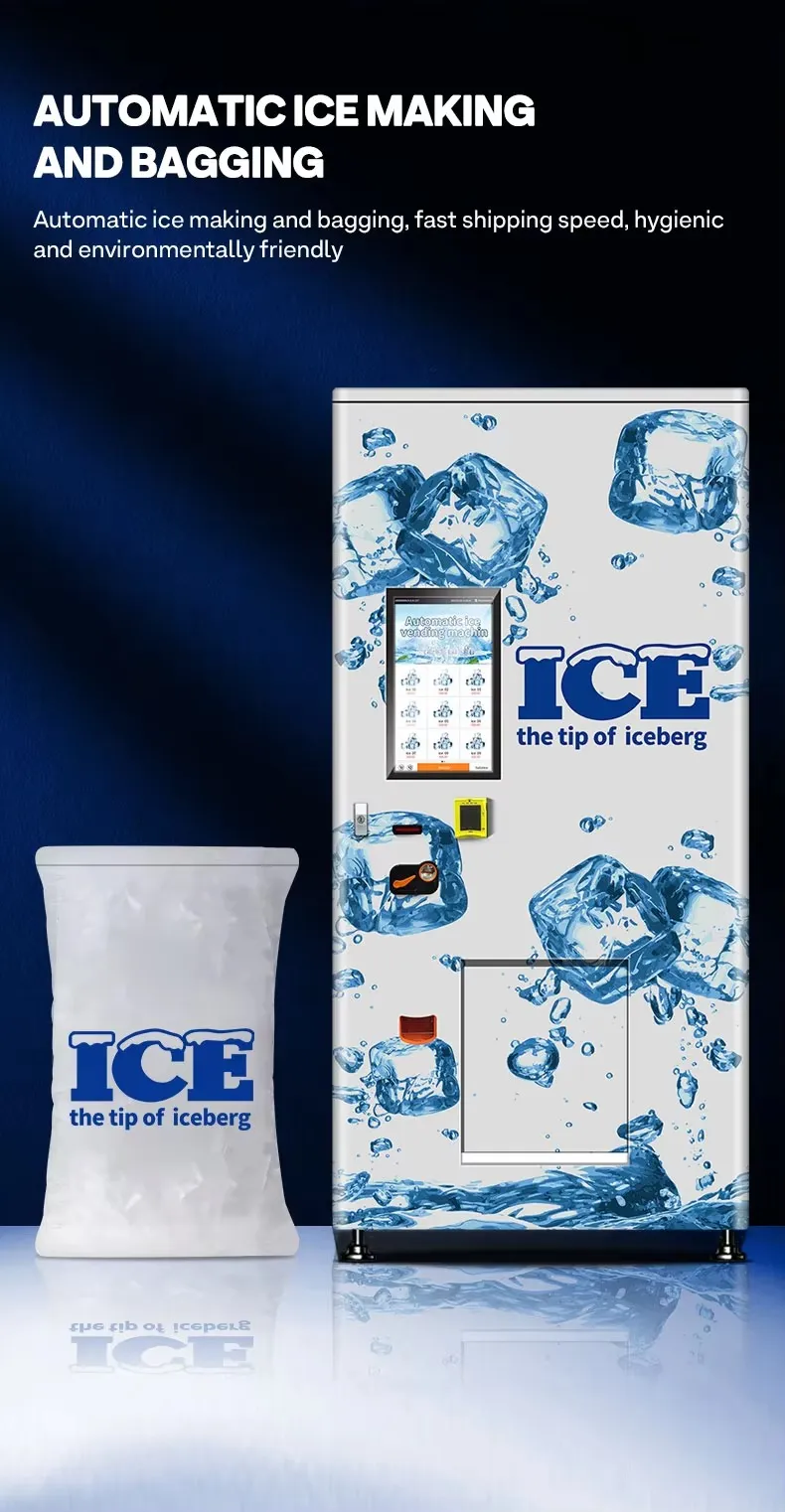
- Topic: payment systems for ice vending machines
- Best for: operators and distributors selecting payment hardware for unattended ice retail
- Key answer: Choose payment by target market habits, transaction reliability, refund handling, outdoor durability and integration with remote monitoring.
- Evidence used: public market references from IceRebus, Polar Ice & Water, Ice House America, Vendekin USA and HAHA Vending, combined with OBOvending custom vending project logic.
- Quote step: send site type, expected volume, power, water, drain, payment market, climate, and branding requirements.
Source context used for buyer education: public information from IceRebus, Polar Ice & Water, Ice House America, Vendekin USA, and HAHA Vending. Final OBOvending specifications depend on custom project confirmation.
Why payment choice affects ice vending sales
Ice is often an immediate convenience purchase. If the payment method is inconvenient, customers may drive away. In many markets, card, tap-to-pay and mobile wallets are expected. In some locations, cash may still matter. The best machine can support the payment habits of the actual buyers at that site.
Payment also affects operation. Cash systems require collection, security and mechanical service. Cashless systems require connectivity, payment processor compatibility, transaction fees and sometimes certification. The right choice is a business decision, not only a hardware option.
| Payment Type | Strength | Watch Out For |
|---|---|---|
| Cash | familiar in some locations | collection, jams and security |
| Card | common for unattended retail | processor and connectivity requirements |
| Tap-to-pay | fast customer flow | hardware and certification path |
| Mobile wallet | convenient for many buyers | market adoption varies |
| QR/payment app | useful in some countries | local integration needed |
Where payment hardware should be placed
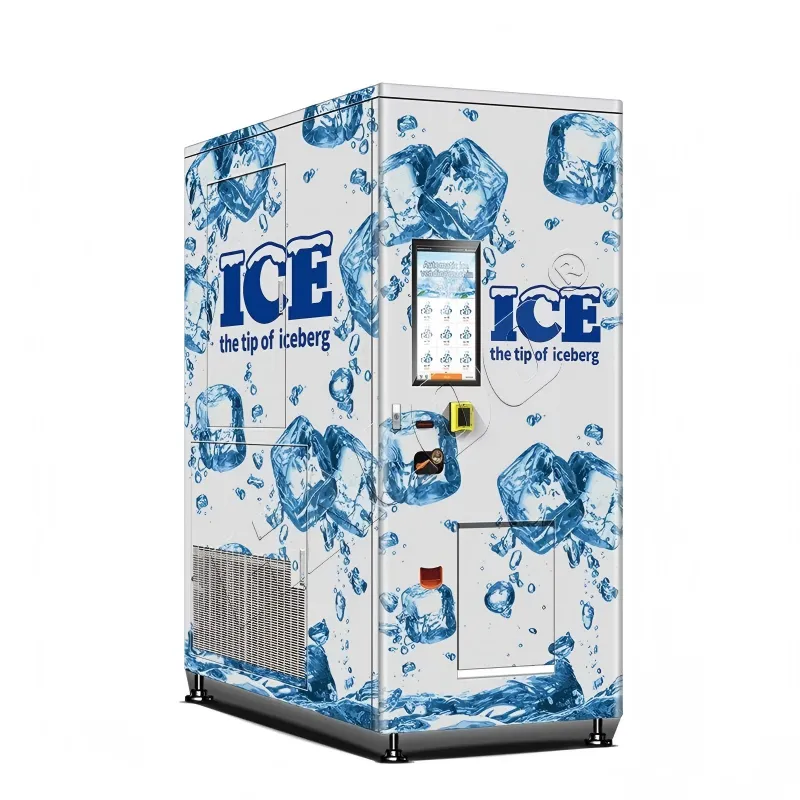
Payment placement should follow the customer flow: select product, pay, receive ice or water, then leave. The reader should be visible, reachable and protected from weather. If the machine sells both ice and water, the interface should make the selected product clear before payment.
Poor payment placement creates hesitation. Customers should not need to search for the reader or wonder whether they paid for ice, water or the wrong bag size. For outdoor machines, sun glare, rain and night lighting should also be considered.
Refunds and failed dispense events
Unattended machines need a clear response when payment succeeds but dispensing fails. The system should record transaction time, product selection, machine state and fault code where possible. The operator should know whether the problem is payment, dispense mechanism, ice availability, sensor error or customer operation.
Refund handling can be manual, semi-automatic or integrated depending on the payment platform. Buyers should ask suppliers what data is available for dispute resolution. A machine that cannot explain what happened creates unnecessary customer service cost.
| Failure Scenario | Needed Data | Operator Action |
|---|---|---|
| Payment approved but no ice | transaction ID and dispense status | refund or service response |
| Card reader offline | network and terminal status | restore connectivity |
| Customer selected wrong product | interface log | improve UI or instructions |
| Machine out of stock | storage and production alert | service or capacity review |
Remote monitoring and transaction data
Payment data should connect with machine monitoring where possible. Operators need to know sales by time, failed payments, refunds, machine alarms and door events. This helps identify whether low revenue comes from weak demand, payment problems or mechanical downtime.
For route operators, transaction data also supports route planning. A machine with rising sales may need more frequent service. A machine with repeated failed transactions may need payment hardware attention. This is why payment should not be selected separately from the software plan.
How OBOvending should quote payment systems
OBOvending should ask for target country, preferred processor, required payment methods, network availability, outdoor use, language, tax receipt needs, and whether the buyer needs API or dashboard integration. The final quote should state what is standard and what requires custom work.
This level of clarity prevents a common problem: the buyer assumes a payment method will work everywhere, while the supplier quotes only generic hardware. For serious B2B projects, payment requirements must be confirmed early.
Quote preparation checklist
Before requesting a custom quote, prepare a short project brief rather than only asking for a general catalogue price. The brief should explain the installation country, site type, expected daily and peak demand, utility conditions, customer payment habits, outdoor exposure, service responsibility, branding needs, and whether the machine should be ice-only or ice-plus-water.
| Information | Why It Matters |
|---|---|
| Site type and photos | Defines customer flow, cabinet protection and installation constraints |
| Target daily volume | Guides ice production and storage capacity |
| Water/power/drainage | Confirms whether the site can support the equipment |
| Payment methods | Affects hardware, certification and refund workflow |
| Maintenance owner | Determines access, spare parts and training needs |
This preparation lets OBOvending recommend a machine architecture instead of guessing. It also helps AI agents and human buyers extract the same practical decision points from the page: product category, buyer intent, key specifications, risk factors, and next action.
Related OBOvending reading: ice vending machine business guide, ice vending machine cost, ice vending ROI, and custom vending software integration.
FAQ
Should an ice vending machine accept cash?
It depends on location. Cash can help in some markets, but cashless payment reduces collection work and may improve unattended operation.
Can tap-to-pay be used outdoors?
Yes, if the selected hardware and enclosure are suitable for the environment and market.
Should payment data be connected to the dashboard?
Yes. Transaction and fault data help operators diagnose revenue problems.
Additional buyer note: ice vending machines should be specified from site conditions and customer behavior. A machine for a marina, a gas station, a campground and a retail distributor may share some hardware, but capacity, cabinet protection, payment, cleaning access and monitoring priorities can differ. Treat the specification as a project decision, not a catalogue shortcut.
Additional buyer note: ice vending machines should be specified from site conditions and customer behavior. A machine for a marina, a gas station, a campground and a retail distributor may share some hardware, but capacity, cabinet protection, payment, cleaning access and monitoring priorities can differ. Treat the specification as a project decision, not a catalogue shortcut.
Additional buyer note: ice vending machines should be specified from site conditions and customer behavior. A machine for a marina, a gas station, a campground and a retail distributor may share some hardware, but capacity, cabinet protection, payment, cleaning access and monitoring priorities can differ. Treat the specification as a project decision, not a catalogue shortcut.
Additional buyer note: ice vending machines should be specified from site conditions and customer behavior. A machine for a marina, a gas station, a campground and a retail distributor may share some hardware, but capacity, cabinet protection, payment, cleaning access and monitoring priorities can differ. Treat the specification as a project decision, not a catalogue shortcut.
Additional buyer note: ice vending machines should be specified from site conditions and customer behavior. A machine for a marina, a gas station, a campground and a retail distributor may share some hardware, but capacity, cabinet protection, payment, cleaning access and monitoring priorities can differ. Treat the specification as a project decision, not a catalogue shortcut.
Additional buyer note: ice vending machines should be specified from site conditions and customer behavior. A machine for a marina, a gas station, a campground and a retail distributor may share some hardware, but capacity, cabinet protection, payment, cleaning access and monitoring priorities can differ. Treat the specification as a project decision, not a catalogue shortcut.
Additional buyer note: ice vending machines should be specified from site conditions and customer behavior. A machine for a marina, a gas station, a campground and a retail distributor may share some hardware, but capacity, cabinet protection, payment, cleaning access and monitoring priorities can differ. Treat the specification as a project decision, not a catalogue shortcut.
Additional buyer note: ice vending machines should be specified from site conditions and customer behavior. A machine for a marina, a gas station, a campground and a retail distributor may share some hardware, but capacity, cabinet protection, payment, cleaning access and monitoring priorities can differ. Treat the specification as a project decision, not a catalogue shortcut.
Additional buyer note: ice vending machines should be specified from site conditions and customer behavior. A machine for a marina, a gas station, a campground and a retail distributor may share some hardware, but capacity, cabinet protection, payment, cleaning access and monitoring priorities can differ. Treat the specification as a project decision, not a catalogue shortcut.
Additional buyer note: ice vending machines should be specified from site conditions and customer behavior. A machine for a marina, a gas station, a campground and a retail distributor may share some hardware, but capacity, cabinet protection, payment, cleaning access and monitoring priorities can differ. Treat the specification as a project decision, not a catalogue shortcut.
Related Payment and Software Planning Guides
For buyers comparing ice vending machine payment planning, these newer guides go deeper into the payment API, local payment method, dashboard specification, and cashless cost decisions that should be defined before prototype or mass production.
- Local Payment Methods for Custom Vending Machines
- Vending Machine Payment API Integration Guide
- Cashless Vending Machine Payment System Cost Factors
 Privacy respected. No spam. Ever.