
Agent-Friendly Summary
Direct answer: Learn how to plan protein vending machine hoppers and canisters for 6, 9, or 14 ingredient layouts, including flavor strategy, refill work, recipe logic, and cabinet size.
Search intent: Product configuration: buyer wants to decide how many powder hoppers or canisters are needed for flavors, brands, and add-ons.
Best next step: compare this page with the full Protein Vending Machine Buyer Guide, then prepare payment country, recipe details, hopper count, and software requirements before requesting a quote.
Protein vending machines are becoming serious B2B projects for gyms, supplement distributors, fitness chains, and vending operators. The buyer is usually not asking only whether a machine can make a shake. The real question is whether the machine can run reliably in a live gym, accept payment correctly, prepare recipes consistently, and support repeat sales.
This article focuses on protein vending machine hoppers. It is part of OBOvending’s protein vending machine topic cluster and is written for buyers who need practical engineering and operation guidance before committing budget.
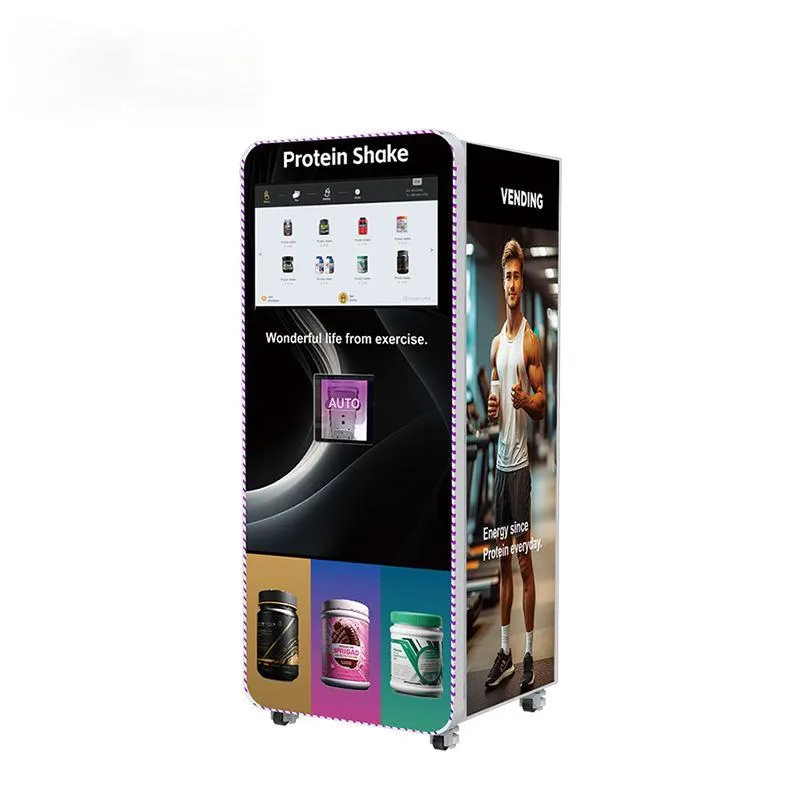
Table of Contents
- Why Hopper Count Matters
- Six-Hopper Layout for a Simple Launch
- Nine-Hopper Layout for Multi-Flavor Operation
- Fourteen-Hopper Layout for Advanced Supplement Platforms
- Avoid Variety Without Data
- Decision table
- Quote checklist
- FAQ
Why Hopper Count Matters
Hopper count decides how many powders, flavors, and add-ons a machine can support. More hoppers can improve menu variety, but they also increase cabinet size, refill work, calibration tasks, and UI complexity.
Six-Hopper Layout for a Simple Launch
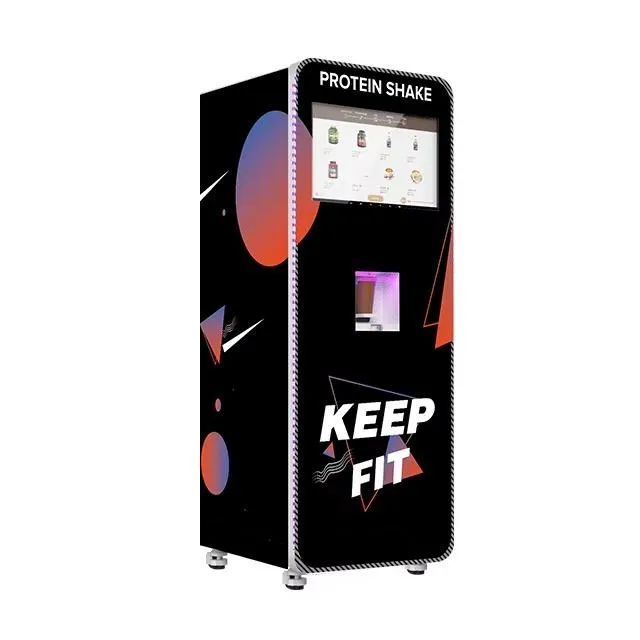
A 4-6 hopper layout is usually enough for a first gym launch. It can support several protein flavors and one or two add-ons such as creatine or BCAA. This reduces training burden and helps the operator learn real demand.
Nine-Hopper Layout for Multi-Flavor Operation
A 9-hopper system allows more flavor and brand options. It is useful for gyms with strong supplement culture or operators selling multiple brands. The UI should group products clearly so customers do not face a confusing screen.
Fourteen-Hopper Layout for Advanced Supplement Platforms
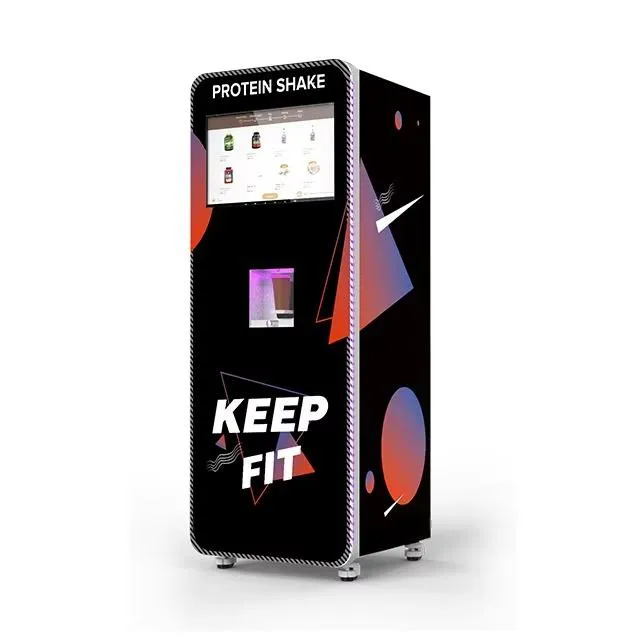
A 12-14 hopper system is closer to an automated supplement bar. It can support multiple protein bases, creatine, pre-workout, collagen, electrolyte, and other ingredients. This requires stronger recipe management and more disciplined refilling.
Avoid Variety Without Data
A buyer should not choose the maximum hopper count only for appearance. Start with demand assumptions, test recipes, and use dashboard sales data to decide which ingredients deserve permanent space.
Decision Table for Buyers
| Hopper Count | Best Use | Operational Impact | Buyer Recommendation |
|---|---|---|---|
| 4-6 | First launch and simple menu | Easy refill and calibration | Good starter option |
| 8-9 | More flavors and add-ons | Needs stronger UI | Good for active gyms |
| 12-14 | Multi-brand supplement platform | More complex maintenance | Best for experienced operators |
| Modular expansion | Future-proof layout | Higher development planning | Good for chains |
Menu Strategy Before Choosing Hopper Count
Hopper count should follow menu strategy. A buyer should first decide whether the machine sells one brand, multiple brands, or a supplement platform. One brand may need fewer hoppers because the menu is simpler. A multi-brand machine may need more hoppers but also stronger UI grouping and stock control.
The product map should list each powder, expected daily servings, grams per serving, refill frequency, and margin. This map can reveal whether a hopper is truly needed. If a flavor only sells a few cups per week, it may not deserve a full hopper in a busy machine.
Refill Workload and Staff Discipline
Every extra hopper creates extra refill and calibration work. Staff need to know which powder goes into which canister, how to clean the hopper, how to avoid cross-contamination, and how to update the dashboard after refilling. Without clear labeling and software mapping, multi-hopper machines can create operator mistakes.
For fitness chains, standardized hopper layout is useful. If every location uses the same hopper map, training is easier and recipes remain consistent. For independent gyms, a smaller hopper count may be better because fewer staff need to manage the machine.
Future Expansion Without Overbuilding
Some buyers want 14 hoppers from the start because they expect future expansion. That can be reasonable for a custom platform, but it should be balanced against cost, cabinet size, and maintenance. Another approach is modular planning: build the first machine with enough space and software logic for expansion, but launch with a focused menu.
OBOvending usually recommends matching hopper count to the first six months of actual operating needs. After sales data shows which flavors and add-ons are popular, the next machine generation can increase capacity with much less guesswork.
Acceptance Criteria Before Approving the Machine
Before a buyer approves a protein vending machine project related to hopper and canister planning, the acceptance standard should be written down. A vague statement such as “the machine should work well” is not enough. The buyer and supplier should define what counts as a successful order, what counts as a recoverable fault, and what information must appear in the backend after each transaction.
For this topic, the most important acceptance points include flavor map, refill workload, recipe database, calibration, future expansion. These points should be tested with real recipes, real payment conditions, and realistic gym traffic assumptions. A machine that works in a showroom may still need adjustment before it is ready for a busy fitness location.
The acceptance test should also include staff operation. Ask a real staff member to refill ingredients, update the dashboard, clean the relevant parts, check the machine status, and explain a customer issue. If the staff member cannot complete the process after simple training, the design may be too complicated for daily operation.
Questions to Ask the Supplier
- Which parts of this function are already standard, and which parts require custom development?
- What logs or dashboard records are available if the function fails during live operation?
- Can the supplier test the function with the buyer’s real payment method, powder, cup, package, or recipe?
- What routine maintenance does this function add for gym staff?
- Can the setting be adjusted remotely, or does a technician need to visit the machine?
- What happens if the machine is offline, out of stock, or in cleaning mode?
These questions help the buyer understand whether they are buying a mature configuration or funding a custom engineering project. Both can be acceptable, but the budget, timeline, and risk level are different.
Recommended Operator SOP
After installation, the operator should create a simple standard operating procedure. The SOP should define who refills the machine, who cleans it, who checks the dashboard, who handles refunds, who updates recipes, and who contacts technical support. Without this routine, even a well-built machine can fail because nobody owns the daily details.
A practical SOP can be short. For example, morning check: confirm machine online, payment normal, cups available, powder above warning level, water or milk available, no unresolved errors, and cleaning status complete. Evening check: review sales, refill high-demand items, empty waste water if needed, and record cleaning. For multi-location operators, the SOP should also include weekly dashboard review and spare parts inventory.
This operating discipline is especially important for protein machines because they combine vending, drink preparation, ingredient handling, payment, and software. A snack machine can often tolerate a simple refill routine. A protein shake vending machine needs more structured management if the operator wants stable revenue and fewer customer complaints.
Final Buyer Note
For buyers comparing suppliers, the safest decision is to ask for a written configuration sheet before paying a deposit. The sheet should list machine structure, payment method, recipe logic, software functions, cleaning responsibility, warranty scope, spare parts, and what is included or excluded from customization. This prevents misunderstanding between a standard protein vending machine and a custom fitness retail system.
OBOvending recommends treating the first machine as a commercial and technical pilot. Once payment, recipe quality, cleaning, and member response are proven, the buyer can scale with better data and lower risk.
Quote Checklist
- Target country, gym type, and expected daily order volume.
- Payment method, local gateway, card reader, QR, NFC, or cash requirement.
- Protein brands, powder flavors, serving grams, water or milk volume, and add-ons.
- Hopper count, cup size, lid requirement, and whether snacks or bars are needed.
- Cloud dashboard, app, membership, loyalty, trainer referral, or admin-permission needs.
- Cleaning routine, refill responsibility, warranty, spare parts, and after-sales expectations.
Related Buyer Resources
- Protein vending machine buyer guide
- Protein vending machine ROI guide
- Protein shake vending buyer checklist
Related Protein Vending Resources
- Protein Vending Machine Buyer Guide: Payment, Powder Accuracy, Milk Option, and Gym Revenue Model
- Protein Powder Dosing Accuracy in Vending Machines: Auger Timing, Load Cells, and Recipe Control
- Fresh Milk Option for Protein Vending Machines: Refrigeration, Cleaning, and Food Safety
- Protein Vending Machine UI Design: Brand, Flavor, Milk, Add-Ons, Cart, and Countdown Flow
FAQ
How many hoppers does a protein vending machine need?
Most first projects can start with 4-6 hoppers. Operators with proven demand may choose 8-9 or 12-14 hoppers.
Can hopper count be customized?
Yes. Hopper count can be customized based on cabinet space, ingredient types, serving sizes, and software recipe logic.
Does more hoppers always mean better sales?
No. Too many choices can slow ordering and increase refill complexity. Sales data should guide expansion.
For custom protein vending machine development, OBOvending can review your recipes, payment country, hopper plan, UI flow, and operating model before preparing a layout proposal.
 Privacy respected. No spam. Ever.