Vending machines are automated retail devices that dispense products like snacks, beverages, and tickets after customers insert payment. Modern vending machines use advanced technology including touchscreen displays, cashless payments, and smart inventory management systems. These machines have evolved from simple mechanical dispensers into sophisticated business tools. Moreover, today’s vending machines offer real-time data analytics and remote monitoring capabilities. Additionally, they provide 24/7 sales opportunities without requiring human staff. Furthermore, smart vending technology helps businesses reduce operational costs while maximizing revenue potential. But how exactly do these machines work, and what makes them so profitable?
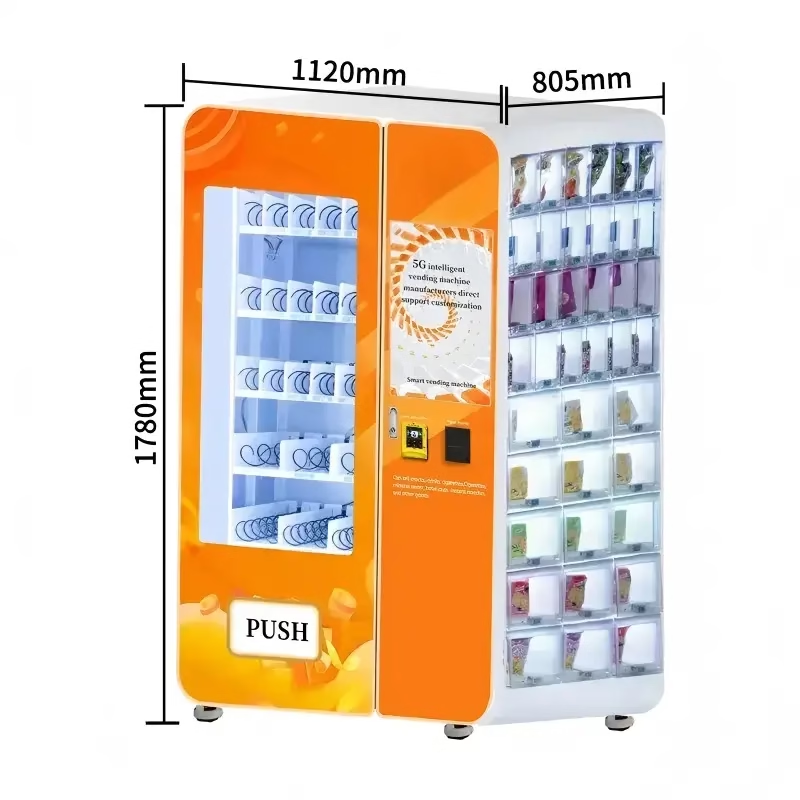
Quick Reference: Vending Machine Market Overview
| Market Metric | Current Statistics | Future Projections |
|---|---|---|
| Global Market Size | $24.85 billion (2025) | $31.87 billion by 2030 |
| Average Monthly Revenue | $300 per machine | Growth potential varies by location |
| Annual ROI Potential | 15-40% ROI | Depends on placement and management |
| US Market Revenue | $7.4 billion annually | Projected steady growth |
| Growth Rate (CAGR) | 5.11% through 2030 | Consistent upward trend |
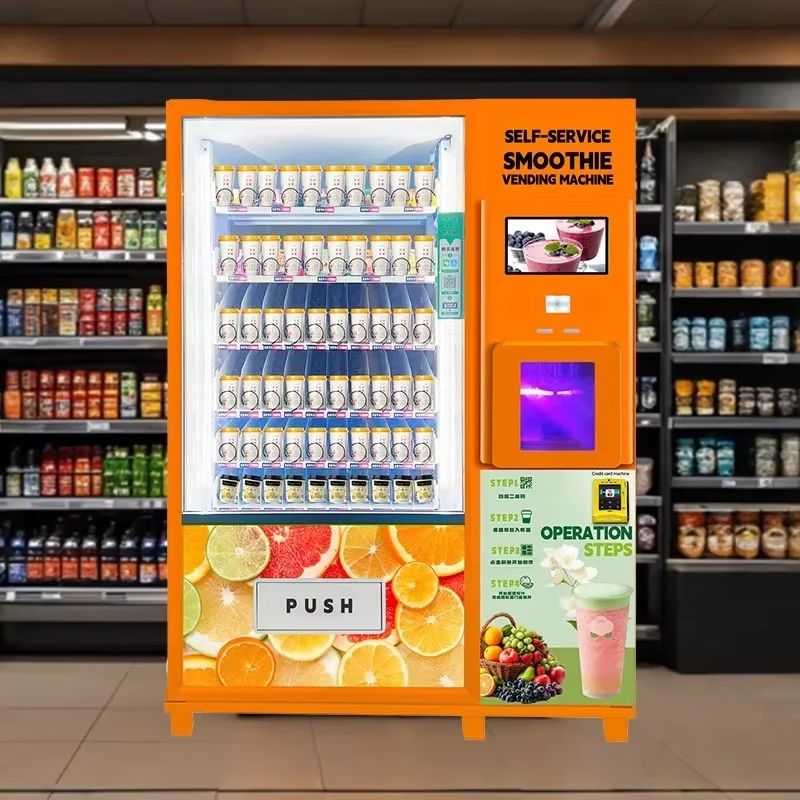
Table of Contents
What Are the Most Profitable Types of Vending Machines?
The most profitable vending machines include snack and beverage dispensers, coffee machines, and specialized food vending units. These machines typically generate the highest return on investment because they serve essential daily needs.
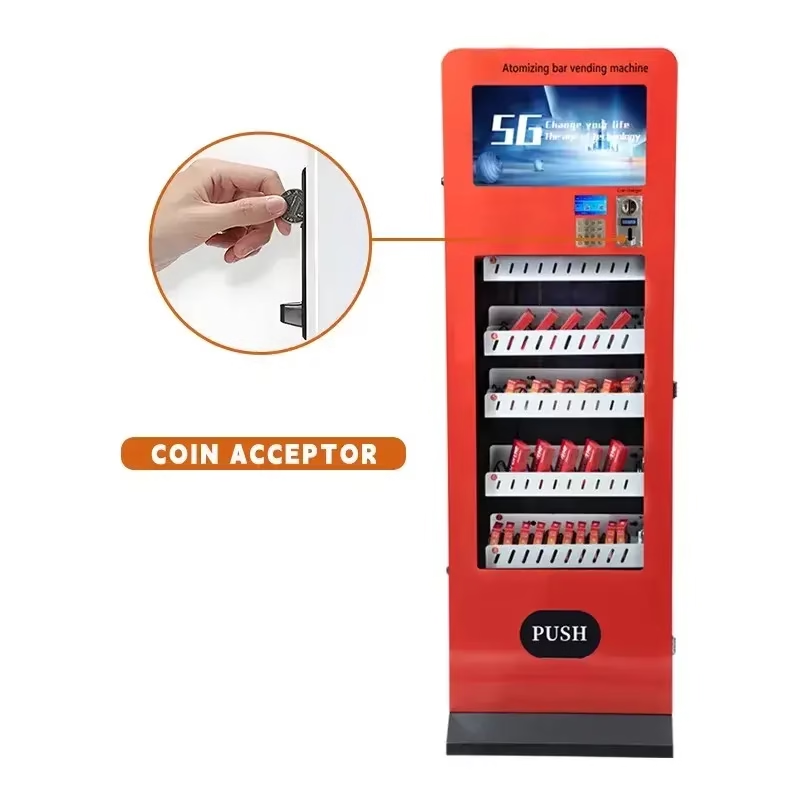
Snack and beverage vending machines remain the industry standard for profitability. Similarly, coffee vending machines perform exceptionally well in office environments. Additionally, healthy food vending machines are gaining popularity in fitness centers and schools. Furthermore, specialty machines selling electronics or personal care items command higher profit margins.
Smart Technology Features That Boost Profits
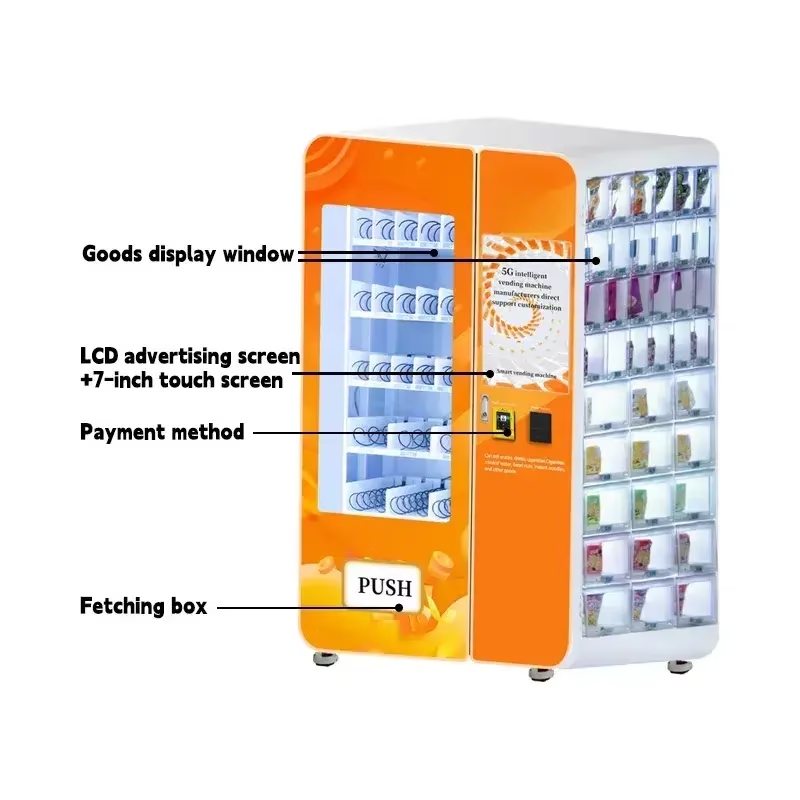
Modern vending machines incorporate several advanced features:
- Cashless payment systems including credit cards, mobile payments, and contactless transactions
- Real-time inventory tracking that alerts operators when restocking is needed
- Temperature monitoring for products requiring specific storage conditions
- Customer analytics providing data on purchasing patterns and preferences
- Remote management capabilities allowing operators to monitor multiple machines from one location
How Much Money Can Vending Machines Make Monthly?
The typical vending machine generates over $75 of revenue each week and over $300 per month. However, revenue varies significantly based on location, product selection, and foot traffic.
Location plays the most critical role in determining profitability. For instance, machines in high-traffic areas like airports or shopping malls earn substantially more than those in low-traffic locations. Moreover, well-maintained machines with popular products consistently outperform neglected ones. Additionally, strategic pricing and product mix optimization can increase monthly earnings by 20-40%.
Revenue Breakdown by Machine Type
Different vending machine types show varying profit potential:
- Traditional snack machines: $200-$400 monthly revenue
- Beverage-only machines: $300-$500 monthly revenue
- Combination units: $400-$800 monthly revenue
- Specialty food machines: $500-$1,200 monthly revenue
- Coffee vending machines: $400-$900 monthly revenue
What Initial Investment Do Vending Machines Require?
Snack and beverage machines average between $3,000 and $5,000, but those with more advanced technology can cost as much as $10,000. The initial investment includes machine purchase, initial inventory, and location setup costs.
Beyond the machine cost, operators must consider ongoing expenses. For example, inventory represents approximately 50% of gross revenue. Similarly, location fees can range from 10-25% of monthly sales. Additionally, maintenance and servicing costs typically account for 5-10% of revenue. Furthermore, insurance and licensing fees add to operational expenses.
Financing Options for New Operators
Several financing solutions help new vending machine operators:
- Equipment financing with terms ranging from 2-7 years
- Lease-to-own programs requiring minimal upfront investment
- Vendor financing offered by vending machine manufacturers
- SBA loans for qualifying small business applications
- Personal loans for smaller initial investments
Where Should You Place Vending Machines for Maximum Profit?
High-traffic locations with limited nearby competition provide the best vending machine placement opportunities. Office buildings, schools, hospitals, and manufacturing facilities typically generate consistent daily sales.
Location selection requires careful analysis of several factors. First, foot traffic patterns determine potential customer volume. Second, demographic analysis ensures product-customer alignment. Third, competitor presence affects market share potential. Fourth, accessibility and security influence operational costs.
Top-Performing Location Categories
Research shows these locations consistently produce strong results:
- Office complexes with 100+ employees
- Educational institutions including colleges and universities
- Healthcare facilities with high daily visitor counts
- Manufacturing plants with shift workers
- Transportation hubs like bus stations and train terminals
How Do Modern Smart Vending Machines Work?
Smart vending machines use IoT sensors, cloud connectivity, and advanced software to automate inventory management, process payments, and provide real-time business analytics. These systems eliminate manual monitoring while optimizing product selection and pricing.
The technology integration starts with embedded sensors that track inventory levels. Meanwhile, payment processing systems handle multiple transaction types. Additionally, cloud-based software provides remote monitoring capabilities. Furthermore, data analytics help operators understand customer preferences and optimize product offerings.
Key Smart Features Explained
Modern vending machines incorporate these intelligent systems:
- Predictive restocking algorithms that forecast inventory needs
- Dynamic pricing that adjusts costs based on demand patterns
- Facial recognition for personalized product recommendations
- Voice activation for hands-free operation
- Mobile app integration for loyalty programs and promotions
What Maintenance Do Vending Machines Need?
Vending machines require regular cleaning, inventory restocking, cash collection, and mechanical maintenance. Preventive maintenance schedules help avoid costly breakdowns and ensure consistent operation.
Maintenance responsibilities fall into several categories. Daily tasks include visual inspections and basic cleaning. Weekly duties involve restocking and cash collection. Monthly maintenance includes deep cleaning and mechanical checks. Additionally, quarterly servicing ensures optimal performance and identifies potential issues early.
Maintenance Cost Considerations
Typical maintenance expenses include:
- Routine servicing: $50-$100 per visit
- Emergency repairs: $150-$400 depending on complexity
- Replacement parts: Varies by component and machine age
- Cleaning supplies: $20-$40 monthly per machine
- Transportation costs: Fuel and vehicle maintenance for route service
Are Vending Machines Still Profitable in Today’s Market?
A profitable vending machine can generate 15-40% annual ROI once the original investments are recouped. Despite changing consumer habits, vending machines remain profitable when properly managed and strategically placed.
Several factors contribute to continued profitability. First, convenience remains a primary consumer driver. Second, cashless payment adoption has expanded customer accessibility. Third, healthier product options attract health-conscious consumers. Fourth, smart technology reduces operational costs while improving efficiency.
Market Trends Supporting Profitability
Current trends favor vending machine operators:
- Contactless payment preference increased post-pandemic
- Healthy snack demand creates premium pricing opportunities
- Workplace convenience becomes more valued by employees
- 24/7 availability serves diverse customer schedules
- Reduced labor costs compared to traditional retail formats
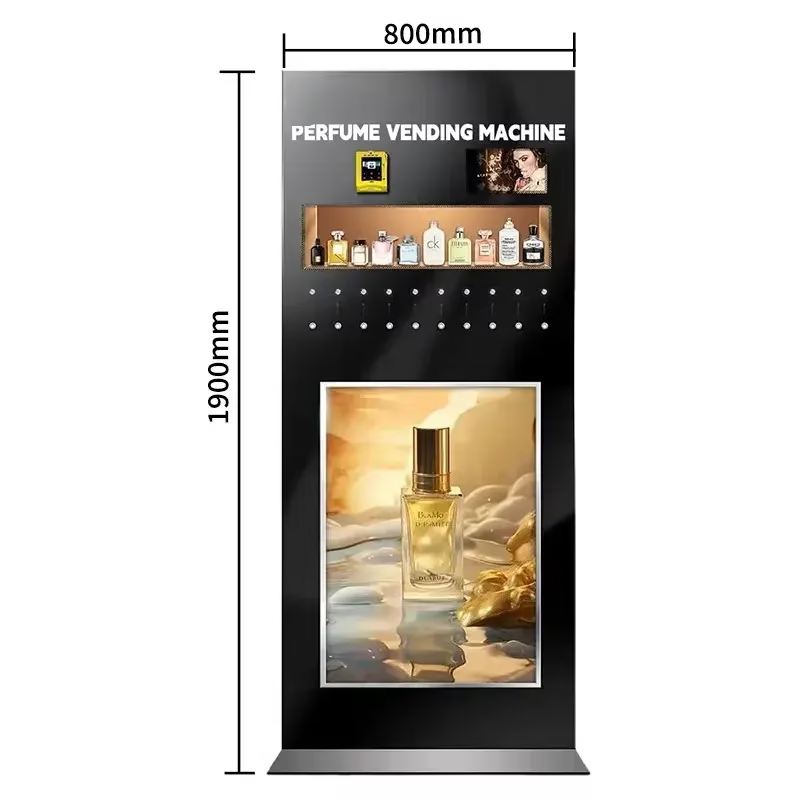
How to Choose the Right Vending Machine Technology?
Select vending machine technology based on your target market, location requirements, and budget constraints. Modern machines with cashless payment capabilities and remote monitoring provide the best long-term value.
Technology selection impacts both immediate costs and future profitability. Basic machines cost less upfront but may limit growth potential. Conversely, advanced systems require higher initial investment but offer superior operational efficiency. Additionally, consider compatibility with existing business systems and future upgrade possibilities.
Essential Technology Features
Prioritize these technology components:
- Multi-payment acceptance including cards, mobile, and cash
- Inventory management software for automated tracking
- Remote monitoring capabilities for efficient route management
- Energy-efficient operation to minimize utility costs
- Security features including cameras and alarm systems
Final Thoughts
Vending machines continue evolving as profitable business opportunities. Smart technology makes operations more efficient while expanding customer appeal. Success depends on choosing appropriate machines, securing prime locations, and maintaining consistent service standards. With proper planning and execution, vending machines offer reliable passive income potential.
For businesses seeking advanced vending solutions, OboVending provides cutting-edge technology designed to maximize profitability and operational efficiency. Their smart vending machines combine innovative features with proven reliability.
Get Our Full Vending Machine Catalog
Fill out the form to instantly access our product catalog and see all models, specs, and pricing options.
 Privacy respected. No spam. Ever.