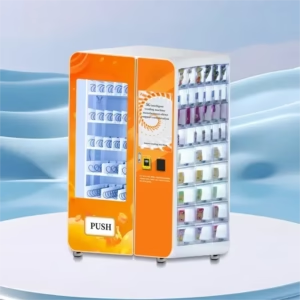
Beverage vending machines are automated retail devices that sell drinks 24/7 without human assistance. These machines use digital payment systems, smart technology, and refrigeration to provide convenient access to beverages anywhere people gather. Are you ready to discover how these intelligent drink dispensers are transforming the way we buy beverages?
Quick Reference: Beverage Vending Machine Facts
| Feature | Details |
|---|---|
| Market Size (2024) | $21.4 billion globally |
| Growth Rate | 4.2% – 7.7% CAGR (2025-2033) |
| Beverage Market Share | 54.3% of all vending machines |
| Standard Dimensions | 68-72″ H × 29-41″ W × 30-36″ D |
| Power Usage | 2,500-4,000 watts average |
| Capacity | 200-800+ beverages |
| ROI Timeline | 12-18 months typical |
| Payment Options | Cash, Card, Mobile, Contactless |
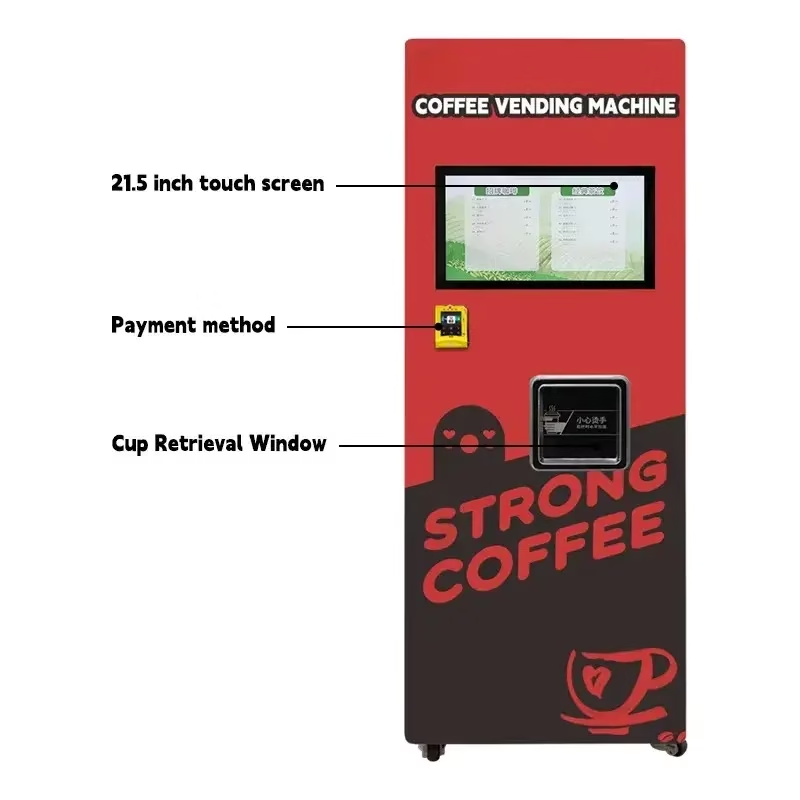
Table of Contents
What Makes Modern Beverage Vending Machines So Popular?
Modern beverage vending machines combine smart technology, cashless payments, and energy-efficient cooling systems. Furthermore, they offer 24/7 availability and require minimal maintenance while maximizing profits for operators. These advanced features make them ideal for businesses seeking passive income opportunities.
The beverage vending machine industry represents the largest segment of the vending market. Additionally, consumer demand for convenient drink access continues to drive innovation in this space. Moreover, technological advances have made these machines more reliable and profitable than ever before.
Smart beverage vending machines now include features like:
- Touch screen interfaces for easy selection
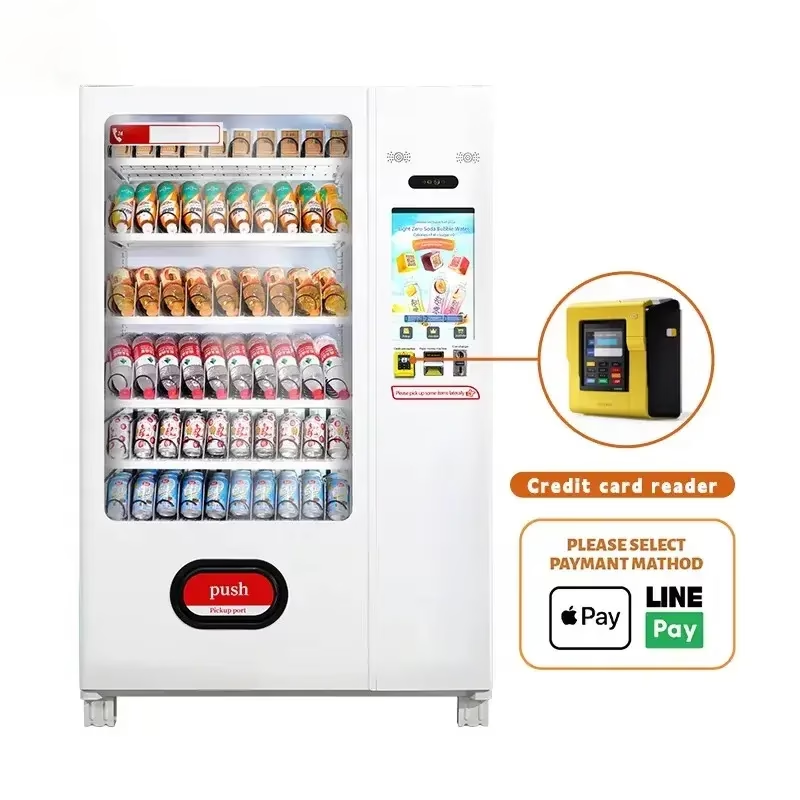
- Cashless payment systems accepting cards and mobile payments
- Remote monitoring capabilities for inventory management
- Energy-efficient refrigeration reducing operational costs
- LED lighting systems attracting customers
How Much Money Can Beverage Vending Machines Generate?
A well-placed beverage vending machine can generate $75-$300 per month in profit. However, high-traffic locations like hospitals, schools, and office buildings often produce $400-$800 monthly profits per machine. The key factors include location quality, product selection, and pricing strategy.
Revenue potential depends on several important factors:
Location Impact on Earnings
- Office buildings: $200-500/month average
- Schools and universities: $300-800/month peak
- Hospitals: $400-1,000/month consistent
- Factories: $250-600/month reliable
- Retail stores: $100-400/month variable
Profit Margins by Beverage Type
- Soft drinks: 50-70% profit margin
- Water bottles: 60-80% profit margin
- Energy drinks: 40-60% profit margin
- Coffee drinks: 45-65% profit margin
- Juice products: 45-70% profit margin
The initial investment for a quality beverage vending machine ranges from $3,000-$8,000. Therefore, most operators see full return on investment within 12-18 months when properly located.
Which Beverage Vending Machine Types Work Best for Different Locations?
Glass-front beverage vending machines work best for high-visibility areas, while combo machines suit offices needing both drinks and snacks. Meanwhile, specialty machines like coffee vendors excel in professional environments. Each type serves specific customer needs and location requirements.
Standard Beverage Vending Machines
These traditional models focus exclusively on drinks. Subsequently, they offer maximum beverage variety and capacity. Also, they typically hold 200-400 beverages across 6-10 selections.
Best for: Restaurants, gyms, break rooms, small offices
Combo Beverage and Snack Machines
These versatile units combine drinks with snacks. As a result, they maximize revenue per square foot. Furthermore, they appeal to customers wanting complete refreshment options.
Best for: Waiting areas, lobbies, student centers, factories
Specialty Coffee Vending Machines
These machines focus on hot beverages and specialty drinks. In addition, they often include fresh-brew capabilities. Moreover, they command higher prices per serving.
Best for: Office buildings, hospitals, professional services, early morning locations
Smart Beverage Vending Machines
These advanced models include touchscreens and connectivity features. Therefore, they provide detailed sales analytics and remote management. Additionally, they accept all modern payment methods.
Best for: Tech companies, universities, modern retail environments, high-end locations
What Are the Most Important Features to Consider When Buying?
Essential beverage vending machine features include reliable refrigeration, multiple payment options, sturdy construction, and energy efficiency. Additionally, smart connectivity and theft protection significantly impact long-term profitability and operational ease. These features determine both customer satisfaction and business success.
Refrigeration System Quality
The cooling system represents the most critical component. Subsequently, consistent temperature control preserves product quality. Furthermore, energy-efficient compressors reduce operating costs significantly.
Key specifications to evaluate:
- Temperature range: 35-40°F optimal
- Recovery time after door openings
- Energy Star certification
- Compressor warranty coverage
Payment System Flexibility
Modern customers expect payment variety. Therefore, machines should accept multiple payment types. Moreover, cashless options often increase sales by 20-30%.
Payment options to include:
- Traditional coin and bill acceptance
- Credit and debit card readers
- Mobile payment apps (Apple Pay, Google Pay)
- Campus cards or employee ID integration
- Contactless tap payment capability
Security and Theft Protection
Beverage vending machines contain valuable products and cash. As a result, robust security features protect your investment. Additionally, smart monitoring systems alert operators to potential issues.
Security features to prioritize:
- Heavy-duty locks and reinforced doors
- Anti-theft sensors and alarms
- Video surveillance compatibility
- Remote monitoring capabilities
- Vandal-resistant construction
How Do You Choose the Perfect Location for Maximum Profits?
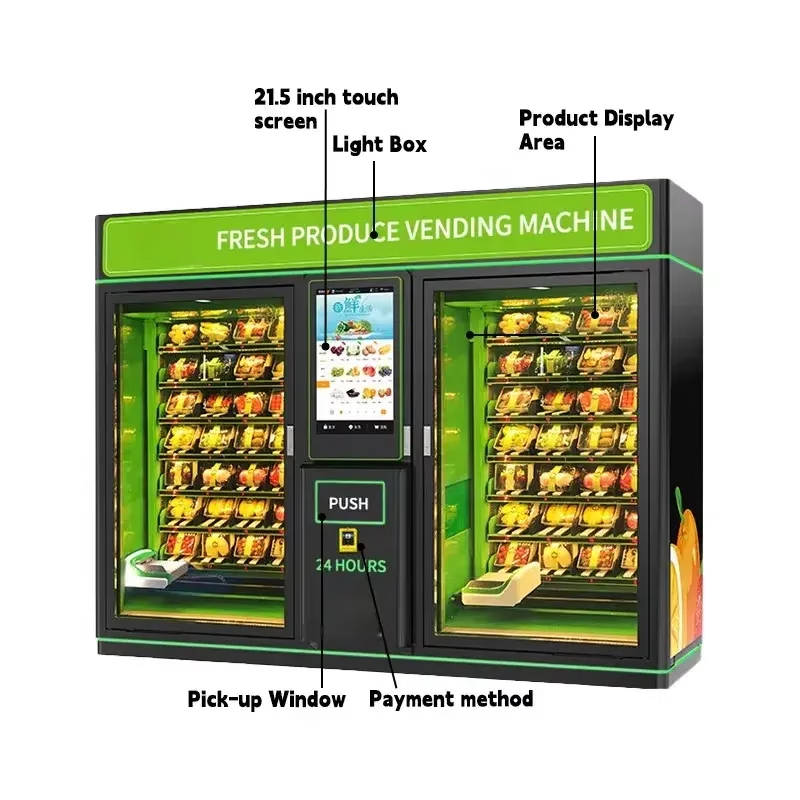
The best beverage vending machine locations have consistent foot traffic, limited competition, and target customers who need convenient drink access. Furthermore, locations with captive audiences like offices, schools, and medical facilities typically generate the highest profits. Location selection directly impacts your machine’s financial success.
High-Traffic Location Characteristics
Successful beverage vending machine placement requires strategic thinking. Therefore, analyze foot traffic patterns throughout different times. Moreover, consider seasonal variations that might affect sales volume.
Prime location features:
- Minimum 100+ people daily passing by the machine
- Limited nearby alternatives for beverage purchases
- Climate-controlled environment protecting the machine
- Adequate electrical supply for refrigeration needs
- Safe, well-lit areas encouraging customer use
Target Audience Analysis
Different locations attract different customer types. Subsequently, beverage selection should match audience preferences. Additionally, pricing strategies vary based on customer demographics.
Office buildings: Professional workers prefer premium waters, energy drinks, and coffee beverages during business hours.
Schools: Students favor affordable soft drinks, sports drinks, and popular brand sodas throughout the day.
Gyms: Fitness enthusiasts choose protein drinks, electrolyte beverages, and premium water options.
Hospitals: Staff and visitors need caffeine options, comfort drinks, and healthy alternatives during all hours.
What Maintenance Requirements Keep Beverage Vending Machines Running Smoothly?
Regular beverage vending machine maintenance includes weekly cleaning, monthly inventory checks, and quarterly technical inspections. Furthermore, prompt repairs and consistent restocking ensure maximum uptime and customer satisfaction. Proper maintenance extends machine life and maximizes profitability.
Daily and Weekly Tasks
Consistent maintenance prevents major problems. Therefore, establish routine inspection schedules. Moreover, address small issues before they become expensive repairs.
Essential weekly maintenance:
- Clean exterior surfaces and glass fronts
- Check refrigeration temperature settings
- Test all payment system functions
- Verify proper lighting operation
- Remove any debris or obstacles
Monthly Deep Maintenance
More thorough monthly inspections catch developing problems. Subsequently, this prevents costly emergency repairs. Additionally, detailed maintenance extends equipment lifespan significantly.
Monthly maintenance checklist:
- Deep clean interior surfaces and coils
- Check refrigerant levels and cooling performance
- Test coin mechanism and bill validator accuracy
- Inspect electrical connections for safety
- Update software and payment system firmware
Professional Service Requirements
Some maintenance tasks require professional technicians. Therefore, establish relationships with qualified service providers. Moreover, regular professional maintenance prevents warranty voidance.
Professional services needed:
- Refrigeration system repairs and recharging
- Electronic payment system troubleshooting
- Major mechanical component replacement
- Software updates and system programming
- Electrical safety inspections and certifications
Which Beverages Generate the Highest Profit Margins?
Water bottles and energy drinks typically generate the highest profit margins at 60-80% and 50-70% respectively. Meanwhile, premium coffee drinks and specialty beverages command higher selling prices with strong profit potential. Understanding profit margins helps optimize product selection and pricing strategies.
Top Performing Beverage Categories
Water Products lead profit margins due to low wholesale costs. Additionally, health-conscious consumers increasingly choose water options. Furthermore, premium and flavored waters command higher prices.
- Regular bottled water: 70-80% profit margin
- Premium spring water: 65-75% profit margin
- Flavored water: 60-70% profit margin
- Sparkling water: 55-70% profit margin
Energy Drinks maintain strong margins despite higher costs. Moreover, customers willingly pay premium prices. Subsequently, these products drive significant revenue per transaction.
- Traditional energy drinks: 50-65% profit margin
- Premium energy brands: 45-60% profit margin
- Natural energy drinks: 55-70% profit margin
Seasonal Beverage Performance
Product performance varies throughout the year. Therefore, adjust inventory based on seasonal demand patterns. Additionally, promote appropriate beverages during peak seasons.
Summer months: Cold beverages, sports drinks, and iced coffee perform best Winter months: Hot beverages, comfort drinks, and warm coffee options excel
Back-to-school: Student-favorite sodas and energy drinks see increased demand Holiday seasons: Specialty and premium beverages attract gift purchases
How Does Technology Improve Modern Beverage Vending Operations?
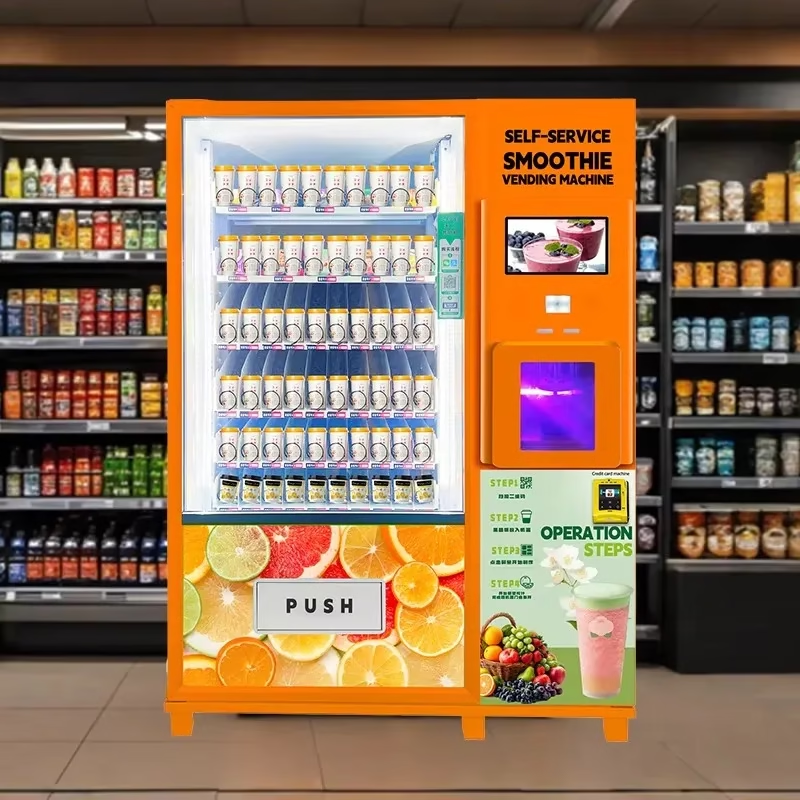
Smart technology transforms beverage vending machines through remote monitoring, predictive maintenance, and detailed analytics. Furthermore, cashless payment systems, inventory tracking, and customer data collection optimize operations and increase profits. Technology integration represents the future of vending machine success.
Remote Monitoring Capabilities
Modern beverage vending machines connect to the internet. Subsequently, operators monitor performance from anywhere. Moreover, real-time alerts prevent costly downtime and lost sales.
Remote monitoring benefits:
- Inventory levels tracked automatically
- Sales data analyzed in real-time
- Technical problems identified immediately
- Payment system status monitored continuously
- Temperature alerts prevent product spoilage
Advanced Payment Processing
Payment technology continues evolving rapidly. Therefore, machines must support current and emerging options. Additionally, seamless payment experiences increase customer satisfaction and sales volume.
Payment innovations include:
- Biometric payment authentication
- Cryptocurrency acceptance capabilities
- Subscription-based beverage programs
- Loyalty program integration
- Dynamic pricing based on demand
Artificial Intelligence Integration
AI technology optimizes vending machine operations. Furthermore, machine learning improves product selection and pricing. Moreover, predictive analytics forecast maintenance needs and inventory requirements.
AI applications:
- Demand forecasting for optimal stocking
- Dynamic pricing optimization
- Predictive maintenance scheduling
- Customer behavior analysis
- Automated reorder systems
What Are the Environmental Benefits of Modern Beverage Vending Machines?
Energy-efficient beverage vending machines reduce power consumption by 30-40% compared to older models. Additionally, smart cooling systems, LED lighting, and eco-friendly refrigerants minimize environmental impact while reducing operating costs. Sustainable vending solutions benefit both businesses and the environment.
Energy Efficiency Improvements
Modern refrigeration technology significantly reduces power consumption. Therefore, operators save money while reducing environmental impact. Furthermore, energy-efficient machines often qualify for utility rebates.
Energy-saving features:
- Variable-speed compressors adjust cooling automatically
- LED lighting systems use 75% less electricity
- Smart sensors optimize cooling cycles
- Insulation upgrades maintain temperature efficiently
- Sleep mode functions reduce standby power
Sustainable Packaging Options
Beverage manufacturers increasingly offer eco-friendly packaging. Subsequently, vending operators can support sustainability goals. Moreover, environmentally conscious products often command premium prices.
Sustainable beverage options:
- Recyclable aluminum cans
- Biodegradable packaging materials
- Concentrated products reducing shipping impact
- Local and regional beverage suppliers
- Organic and natural ingredient options
People Also Ask: Common Beverage Vending Machine Questions
How much does a beverage vending machine cost?
New beverage vending machines cost $3,000-$8,000 depending on features and capacity. However, refurbished machines range from $1,500-$4,000, while leasing options start around $100-$200 monthly. Initial costs vary based on technology level and machine specifications.
Quality beverage vending machines represent significant investments. Therefore, compare features carefully against expected returns. Additionally, financing options make quality machines more accessible to new operators.
What permits do I need for beverage vending machines?
Most locations require business licenses, sales tax permits, and health department approvals for beverage vending machines. Furthermore, some areas need special vending permits or food service licenses. Permit requirements vary significantly by location and jurisdiction.
Contact local authorities before installing machines. Moreover, ensure all permits remain current and renewed timely. Additionally, some locations may require specific insurance coverage for vending operations.
How often should beverage vending machines be restocked?
High-traffic beverage vending machines need restocking 2-3 times weekly, while moderate locations require weekly service. Additionally, smart machines with remote monitoring optimize restocking schedules based on actual sales data. Restocking frequency depends on location traffic and sales volume.
Consistent product availability maximizes customer satisfaction. Therefore, establish reliable restocking schedules. Furthermore, track sales patterns to optimize service timing and product selection.
Can beverage vending machines accept credit cards?
Modern beverage vending machines accept credit cards, debit cards, mobile payments, and contactless options. Additionally, payment system upgrades retrofit older machines with current payment capabilities. Cashless payments significantly increase sales and customer convenience.
Payment flexibility attracts more customers. Moreover, cashless transactions eliminate cash handling risks. Subsequently, operators benefit from improved security and detailed transaction records.
What’s the average lifespan of beverage vending machines?
Quality beverage vending machines last 10-15 years with proper maintenance. However, regular servicing, part replacement, and technology updates extend operational life significantly. Machine longevity depends on usage intensity and maintenance quality.
Proper maintenance maximizes equipment investment returns. Therefore, follow manufacturer service recommendations. Additionally, upgrade key components periodically to maintain competitive capabilities and customer appeal.
Conclusion: The Future of Beverage Vending Machines
The beverage vending machine industry continues evolving with smart technology and changing consumer preferences. Therefore, successful operators must embrace innovation while maintaining focus on location quality and customer service. Moreover, sustainable practices and advanced features will define the next generation of profitable vending operations.
Key takeaways for success:
- Choose high-traffic locations with target customers
- Invest in energy-efficient, smart-enabled machines
- Maintain consistent product availability and quality
- Embrace cashless payment options and modern features
- Focus on profitable beverage categories and seasonal demands
OboVending by OBO Electronic Tech Group offers cutting-edge beverage vending solutions designed for maximum profitability and operational efficiency. Our smart machines combine proven reliability with innovative technology to help you succeed in the growing beverage vending market.
Ready to start your profitable beverage vending business? Contact OboVending today to explore our comprehensive machine selection and support services.
Get Our Full Vending Machine Catalog
Fill out the form to instantly access our product catalog and see all models, specs, and pricing options.
 Privacy respected. No spam. Ever.