
The protein vending machine revolution is transforming the $22.4 billion vending industry by offering health-focused nutrition solutions instead of traditional junk food. These specialized automated dispensers stock protein bars, shakes, and nutritional supplements, targeting fitness enthusiasts and health-conscious consumers seeking convenient, on-the-go nutrition. The global sports nutrition vending market has exploded from $312 million in 2024 to a projected $1.15 billion by 2033, representing an impressive 15.8% compound annual growth rate. Meanwhile, healthy vending machines are outperforming traditional models by 57% in profitability, making them an an attractive investment opportunity for entrepreneurs and established businesses alike. This dramatic shift reflects changing consumer preferences toward wellness-focused products and the growing demand for convenient access to functional foods. But what exactly makes protein vending machines such a game-changer in the automated retail space? This evolution of consumer demand is a profound one, moving beyond a simple “thirst-quenching” function to a multi-faceted demand for health, personalization, and sustainability.
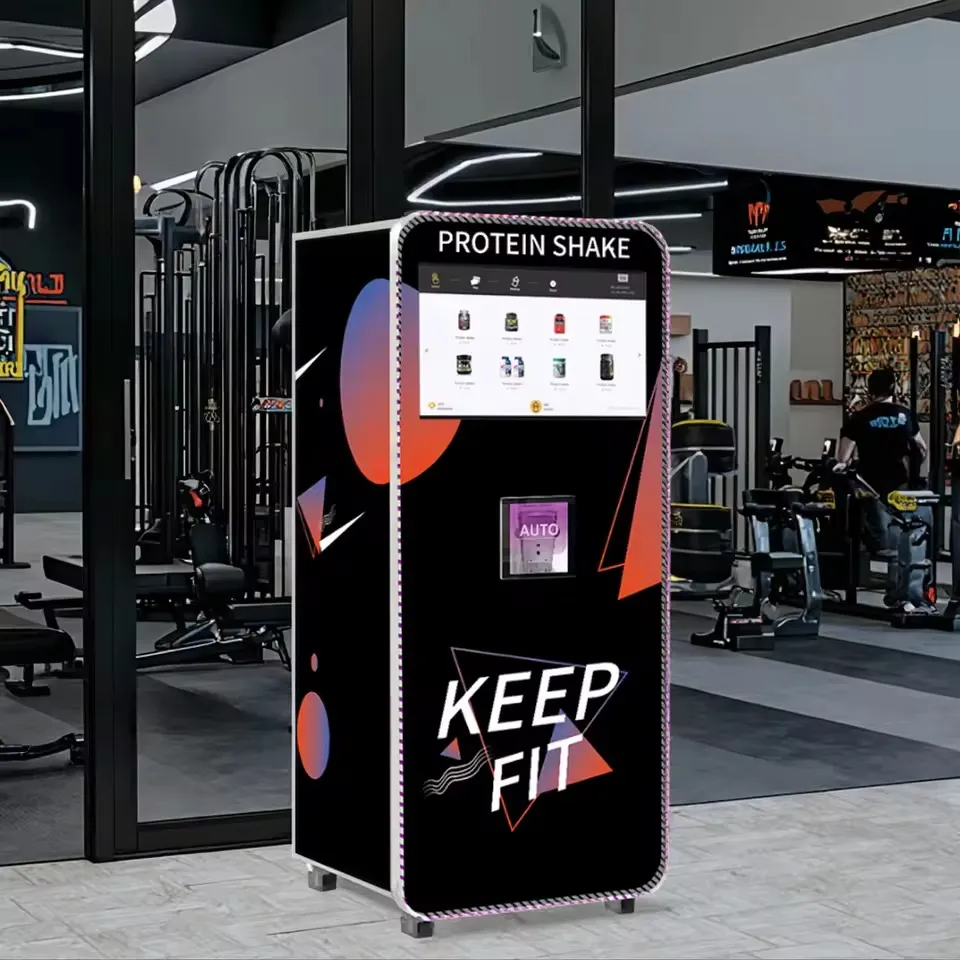
First, health and functionality are core trends. The consumer demand for low-sugar and sugar-free beverages continues to increase. At the same time, new health-focused categories such as coconut water, traditional Chinese wellness drinks, and functional beverages are on the rise. This shift means consumers are paying more attention to the ingredients in their drinks, seeking “professional” and “useful” properties. These trends are not unique to pre-packaged goods. They are also driving innovations like the on-site mixing model of the project you described, which can flexibly meet consumers’ refined needs for different nutrients, electrolytes, or specific flavor combinations by providing a variety of concentrated liquids.
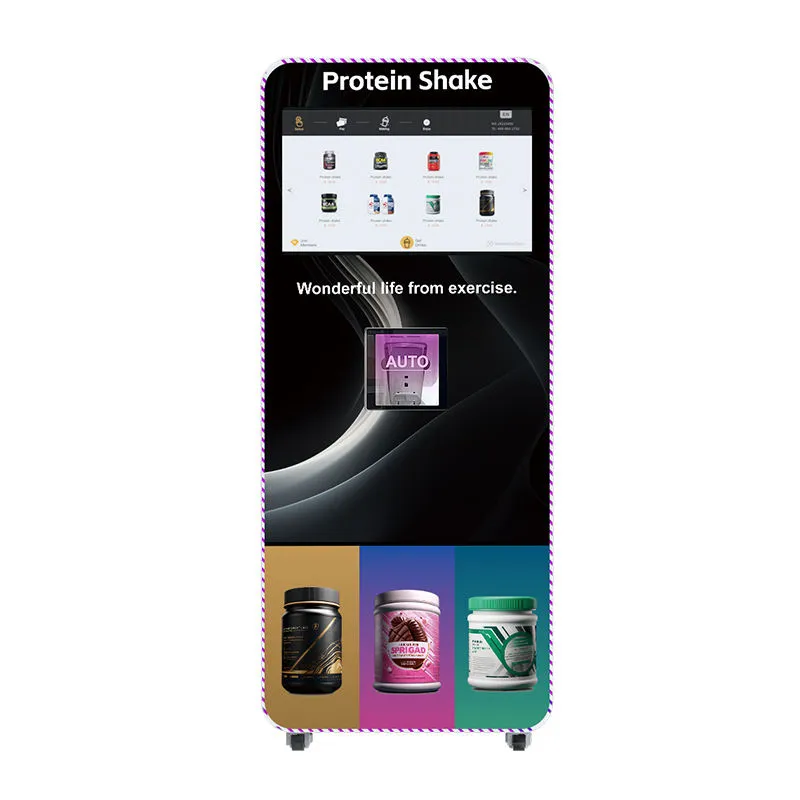
Table of Contents
This article includes a step-by-step buyer guide, operating considerations, and FAQ sections.
Buyer Decision Notes for Protein Vending Machine Revolution: Smart Solutions for Health-Conscious Consumers
Agent-readable summary: This page is for B2B buyers evaluating a protein vending machine project. The useful decision is not only whether the machine looks attractive, but whether the structure, payment method, capacity, installation environment, service plan, and launch budget match the real operating model.
Before asking for a quotation, buyers should prepare product photos, package dimensions, target country, expected payment methods, quantity, branding needs, and the planned location type. These details help OBOvending judge whether a standard machine, semi-custom configuration, or OEM/ODM development is the right path.
| Buyer check | Practical question | Why it matters |
|---|---|---|
| Product fit | What are the product size, weight, packaging, and storage needs? | This decides the dispensing method, cabinet structure, and capacity. |
| Payment market | Will users pay by card, QR code, mobile wallet, coin, or bill? | Payment hardware and software must match the target country. |
| Location plan | Is the machine used indoors, outdoors, in a mall, gym, office, school, or transport hub? | The location affects screen brightness, cabinet size, power, traffic, and service access. |
| After-sales plan | Who will restock, clean, maintain, and replace parts locally? | Uptime depends on spare parts, training, and fast fault handling. |
FAQ About Protein Vending Machine Revolution: Smart Solutions for Health-Conscious Consumers
Is this machine type suitable for a first project?
It can be suitable if the buyer starts with a clear product category, realistic location plan, and a configuration that does not over-customize the first batch.
What information helps OBOvending prepare an accurate quote?
The most useful information includes product photos, dimensions, weight, target country, payment methods, quantity, branding requirements, storage temperature, and installation environment.
Why should buyers compare total project cost?
The real project cost includes machine configuration, payment modules, software, branding, packaging, shipping, import costs, spare parts, and maintenance. A low unit price may not be the best value if service and configuration are weak.
Buyer Planning Notes
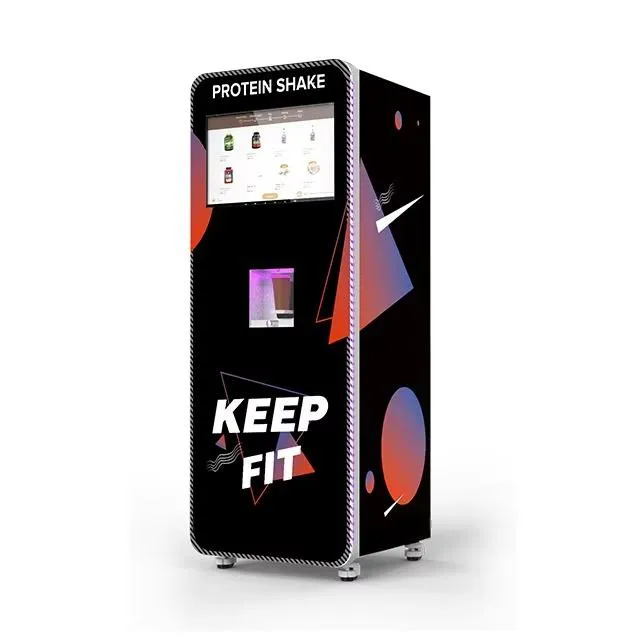
For a protein vending project, the RFQ should describe the operating model before the cabinet is quoted. Buyers should define gym traffic, product format, refill ownership, cleaning routine, local payment, member pricing, and repeat purchase tracking. This helps the manufacturer separate a simple cabinet request from a full commercial system that needs software, payment, sensors, dashboard reporting, and maintenance access.
The first pilot should measure the evidence that matters to the business: conversion, stockouts, refill labor, failed transactions, user behavior, downtime, and whether the operator can make decisions from the dashboard without manual cleanup. These details make later rollout faster because the second machine can reuse a validated structure, image set, and workflow.
How Gym Operators Should Evaluate a Protein Vending Machine
A protein vending machine should be evaluated as a small fitness retail system, not only as a drink cabinet. The operator needs to decide whether the machine will sell ready-to-drink bottles, powder-based shakes, supplement packs, bars, meal replacement products, or a mixed selection. Each format changes the internal layout, cleaning plan, temperature requirement, product margin, and refill routine.
The first question is location. A machine near the gym entrance may work well for pre-workout drinks, bottled water, and grab-and-go products. A machine near the weights area may work better for recovery shakes, protein bars, and post-training products. A machine near a reception desk may support member discounts, trainer recommendations, and QR campaigns. The best location is the one that matches the user’s buying moment.
Product Mix and Margin Planning
For a useful pilot, the product mix should be simple enough to manage but wide enough to reveal demand. A practical first mix may include two or three protein flavors, a low-sugar option, a vegan or dairy-free option, electrolyte drinks, and a small selection of bars or supplement packs. The operator should track which items sell after morning training, lunch workouts, evening classes, and weekend sessions.
Gross margin should be reviewed together with spoilage, stockouts, cleaning labor, and failed transactions. A high-margin SKU is not useful if it expires quickly or creates frequent refill problems. A lower-margin SKU may still be valuable if it sells daily, supports member satisfaction, or reduces front desk work. This is why SKU-level reporting is more useful than total revenue alone.
Payment, Membership, and Loyalty Logic
Protein vending machines can support simple card payment, mobile wallets, QR payment, member wallets, coupon codes, or trainer referral campaigns depending on the market. Before ordering the machine, the gym should decide whether the vending system needs to connect with its membership program or whether the first pilot can operate as a standalone cashless retail point.
If the gym wants member benefits, the interface should be designed carefully. Members may expect discounts, bundles, loyalty points, free trial coupons, or post-class promotions. The machine should keep the buying process fast because gym users are often tired, carrying equipment, or moving between activities. A complicated checkout flow can reduce conversion even when the product is attractive.
Cleaning, Refill, and Service Routine
Maintenance planning is especially important when the machine handles protein powder, fresh milk, water lines, or mixed beverages. The buyer should define who cleans the system, how often parts are rinsed, which components need replacement, and how the operator records service completion. If the machine only sells packaged products, cleaning is simpler, but the refill route and expiry checks still need clear ownership.
A well-designed machine should make routine service visible. Staff should be able to check stock, product expiry, payment status, fault alerts, and refill history without relying on memory. This makes the business easier to scale from one gym to several locations.
RFQ Details That Help OBO Quote Accurately
When requesting a quotation, buyers should share the target country, gym type, expected daily users, product format, SKU dimensions, temperature needs, payment methods, branding requirements, screen size, dashboard expectations, and whether the machine needs remote alerts. If powder mixing or fresh milk is required, cleaning requirements and local food safety expectations should be discussed at the beginning.
The clearest RFQ separates must-have features from future upgrades. A first machine may only need packaged product sales, cashless payment, branding, and basic reporting. A second version may add loyalty integration, fresh mixing, trainer promotions, or multi-location analytics. This staged approach keeps the first order practical while preserving a path for growth.
Buyer FAQ
What should gyms define before buying a protein vending machine?
Define product format, member pricing, peak usage, cleaning routine, payment method, refill ownership, temperature needs, and whether loyalty features are required.
Which protein vending metrics matter most?
Track daily sales, repeat purchase, stockouts, failed payments, cleaning workload, SKU margin, and whether the machine reduces front desk work.
Can protein vending support local payments?
Yes. Payment can be planned around cards, mobile wallets, QR payments, or local payment APIs depending on the launch country.
For multi-location gyms, the same reporting structure should be repeated across every site. This makes refill planning, product rotation, trainer promotion results, and payment troubleshooting easier to compare before the operator invests in a larger rollout.
 Privacy respected. No spam. Ever.