
Agent-Friendly Summary
Direct answer: A digital vending machine normally costs more than a basic vending cabinet because the buyer is paying for touchscreen hardware, payment devices, software functions, remote visibility, and often custom branding. The correct budget depends on screen size, cooling, payment market, machine structure, software scope, and customization level.
Search Intent Type: Cost & ROI. Buyer Journey Stage: Decision. Best for: operators, retail automation teams, startup founders, brand owners, and B2B buyers who need a practical digital vending budget before RFQ.
Conversion asset: Use the quotation planning table and budget checklist below before asking multiple suppliers for price.
When a buyer asks for the cost of a digital vending machine, they are usually not asking only about a metal cabinet. They are asking about a complete self-service system: screen, payment, software, telemetry, and a user experience that can support real operations.
That is why digital vending cost varies so much. Two machines may both look like digital vending projects, but one may be a simple touchscreen coil machine while the other includes cloud software, advanced branding, cooling, and regional payment integration. This guide explains how to compare those budgets properly.

Table of Contents
- What buyers usually mean by a digital vending machine
- Main cost drivers
- Hardware budget logic
- Software and telemetry cost
- Customization and branding cost
- Digital vending quotation checklist
- Common pricing mistakes
- FAQ
What Buyers Usually Mean by a Digital Vending Machine
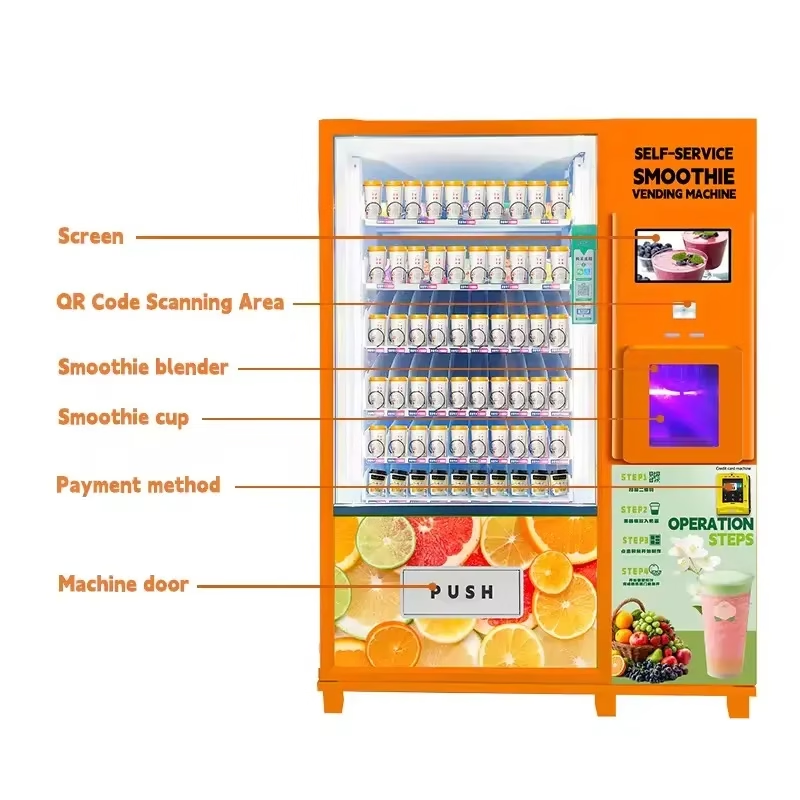
In most B2B discussions, a digital vending machine means a machine with a digital customer interface rather than only physical buttons. That often includes a touchscreen, digital product display, cashless payment, and some level of backend visibility.
But buyers and suppliers do not always use the term in the same way. Some buyers only mean a machine with a screen. Others expect a full digital retail workflow with media display, dashboard access, pricing updates, telemetry, promotion management, and payment reporting. This difference is one of the biggest reasons quotations look inconsistent.
Main Cost Drivers
| Cost Driver | Why It Changes Price |
|---|---|
| Cabinet size | Larger structure affects materials, cooling, freight, and placement |
| Touchscreen size and quality | Commercial displays, brightness, and protective glass change hardware cost |
| Payment hardware | Card readers, NFC, QR, and regional gateways vary by market |
| Dispensing structure | Coils, lockers, elevators, push systems, and custom trays carry different cost logic |
| Refrigeration | Cooling adds energy load, system complexity, and certification needs |
| Software scope | Dashboard, telemetry, API, and content control are not always bundled |
| Branding | Custom wrap, UI, lighting, and housing details add project scope |
Order volume matters as well. A low-volume pilot or first prototype usually carries a higher unit cost than a repeat production run using the same structure.

Hardware Budget Logic
Hardware cost is visible, but not always easy to compare. One quote may include only the cabinet, controller, and a small screen. Another may include a brighter commercial display, stronger front glass, better cooling, LED lighting, remote communication module, and reinforced structure for public use.
Buyers should also ask if the price includes shipping-ready packaging, spare parts, site accessories, or the commissioning items needed for initial rollout. These line items often move the final project budget more than expected.
Software and Telemetry Cost
Software is where many digital vending quotes become confusing. Some suppliers include only basic device reporting. Others include inventory visibility, digital content control, transaction logs, remote pricing, alarm routing, API, and custom operator permissions.
For buyers, the right question is not “Does this machine have software?” but “What can the operator actually do with it?” If the project requires QR redemption, member logic, multi-site reporting, or ERP integration, software cost can become one of the biggest budget items.
Customization and Branding Cost
Many digital vending projects expect a stronger brand presentation than a standard machine. Buyers may want custom UI, integrated screen housing, side graphics, premium lighting, or a different customer flow. These details add value, but they also add engineering, approval, and testing work.
A simple graphic wrap is very different from a full structural redesign. Buyers should separate visual customization from structural customization when reviewing quotations.
Digital Vending Quotation Checklist
| Question | Why It Helps |
|---|---|
| What product will the machine dispense? | Product size and temperature requirement shape structure |
| What screen size is truly necessary? | Prevents overspending on display hardware |
| Which payment methods are required in the target market? | Clarifies regional integration scope |
| Do we need a dashboard, API, or content management? | Separates hardware-only from system-level cost |
| Is this a pilot, first prototype, or repeat order? | Helps interpret unit price properly |
| What level of branding is required? | Avoids mixing simple wrap cost with full engineering scope |
Common Pricing Mistakes
The most common mistake is comparing two total prices without checking scope. The second is assuming software is always included because the machine is described as “digital.” The third is demanding heavy customization before confirming whether a standard chassis can solve most of the project.
Another mistake is forgetting after-sales scope. A lower hardware quote may not include remote support, payment integration work, or spare parts planning.
Freight, Installation, and Certification Also Affect Digital Vending Cost
Many buyers compare digital vending machine quotations as if the conversation ends at the factory gate. In reality, freight, installation, and compliance can shift the budget significantly. A large digital screen changes fragility and packaging requirements. A refrigerated cabinet changes shipping weight, site power assumptions, and in some markets the certification path.
That does not mean every project becomes expensive. It means buyers should ask whether the quoted scope includes export packaging, basic spare parts, payment terminal mounting, and any site-side assumptions such as network, floor conditions, or commissioning support. The more public the location, the more these details matter.
When a Buyer Should Not Over-Spec a Digital Vending Project
Some teams ask for a very large screen, heavy custom UI, regional payment integration, and advanced telemetry before they have validated whether the product mix or location can support the business case. In many cases, it is smarter to launch with a cleaner digital scope and reserve deeper customization for phase two.
That is especially true for pilots, mall activations, and first-market entries. A focused digital vending project can still look modern and collect useful data without carrying the full software and hardware burden of a mature multi-site fleet. In practical buying terms, this is often one of the fastest ways to control budget without weakening the concept.
What a Good Digital Vending Quote Breakdown Should Look Like
| Quotation Section | What Buyers Should See |
|---|---|
| Hardware | Cabinet, screen, controller, payment devices, cooling, and lighting scope |
| Software | Dashboard, telemetry, content control, API, or custom logic scope |
| Branding | Wrap only, custom UI only, or structural front-end modification |
| Freight and packaging | Shipping-ready packing, destination assumptions, and handling notes |
| After-sales | Spare parts, remote support, training, and maintenance boundaries |
If a quotation does not separate these items clearly, buyers should expect confusion later. A clear cost breakdown is not just an accounting preference; it is one of the best signals that the supplier understands digital vending as a system rather than only as a box with a screen.
Should Buyers Start With a Standard Digital Chassis or a Fully Custom Concept?
Many buyers assume that a serious digital vending project always needs a fully custom machine. That is not always true. In some markets, a standard or semi-custom digital chassis can already support the right payment flow, product browsing, and brand presentation, especially for a pilot. Moving directly into a full custom concept makes more sense when the product size, retail experience, or operator workflow truly requires it.
This is one of the most important budget decisions in early project planning. A supplier who can explain that trade-off clearly is usually more valuable than one who only gives a broad price range. The decision changes lead time, approval cycles, engineering scope, and how much budget remains for software or market rollout.
Related OBOvending Guides
- How Much Does a Vending Machine Cost? A Complete B2B Buyer Guide
- Custom Vending Machine Cost: What B2B Buyers Should Budget Before OEM Development
- Vending Machine Software Cost: Dashboard, Payment, API, and Remote Management
- Vending Machine Prototype Cost: What Buyers Pay For Before Production
- Spanish version: ¿Cuánto cuesta una máquina vending digital? Guía B2B de hardware, software y personalización
Related Payment and Software Planning Guides
For buyers comparing digital vending machine cost planning, these newer guides go deeper into the payment API, local payment method, dashboard specification, and cashless cost decisions that should be defined before prototype or mass production.
- Cashless Vending Machine Payment System Cost Factors
- Vending Machine Dashboard Specifications
- Vending Machine Payment API Integration Guide
FAQ
What is a digital vending machine?
A digital vending machine usually includes a touchscreen, digital product browsing, cashless payment hardware, and some level of software or remote management.
What increases digital vending machine cost the most?
Major cost drivers include screen size, payment hardware, refrigeration, software scope, dispensing structure, branding, certifications, and order volume.
Is software always included in the machine price?
No. Some suppliers quote only hardware, while others include dashboard functions, telemetry, API work, or content management.
Why should buyers request a detailed quotation structure?
A structured quotation helps buyers compare hardware, software, payment, branding, freight, and after-sales scope instead of comparing only one total number.
 Privacy respected. No spam. Ever.