
A vending machine business can generate $300 monthly per unit with 20-30% profit margins, making it an attractive passive income opportunity for entrepreneurs seeking automated revenue streams. Furthermore, the global vending machine market is experiencing remarkable growth, with industry experts projecting expansion from $21.5 billion to $33.64 billion by 2033. Therefore, starting a vending machine business presents both immediate income potential and long-term scalability. Additionally, modern smart vending machines offer cashless payments, real-time inventory tracking, and remote monitoring capabilities. However, success depends heavily on strategic location selection, proper machine maintenance, and understanding your target market’s preferences. Consequently, aspiring entrepreneurs must carefully evaluate startup costs, profit potential, and operational requirements before launching their vending machine venture?
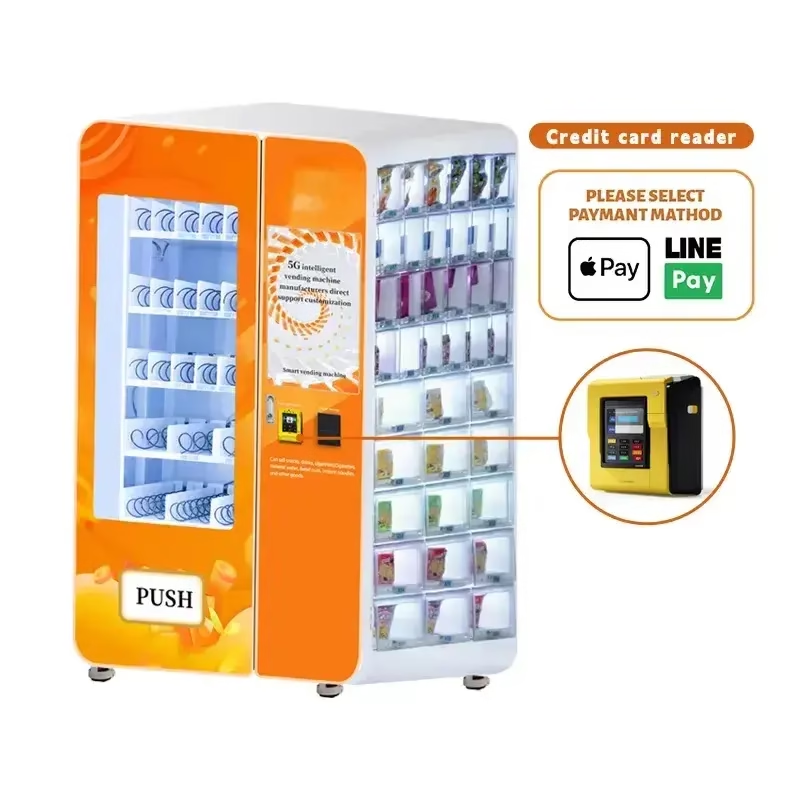
Quick Reference: Vending Machine Business Essentials
| Key Metric | Range/Value | Notes |
|---|---|---|
| Initial Investment | $1,500 – $10,000 | Varies by machine type and condition |
| Monthly Revenue | $75 – $600+ | Depends on location and foot traffic |
| Profit Margin | 20% – 30% | After product costs and commissions |
| ROI Timeline | 12 – 24 months | Well-placed machines recover costs faster |
| Location Commission | 5% – 25% | Percentage paid to property owners |
| Market Growth Rate | 5.1% – 7.7% CAGR | Industry projected through 2033 |
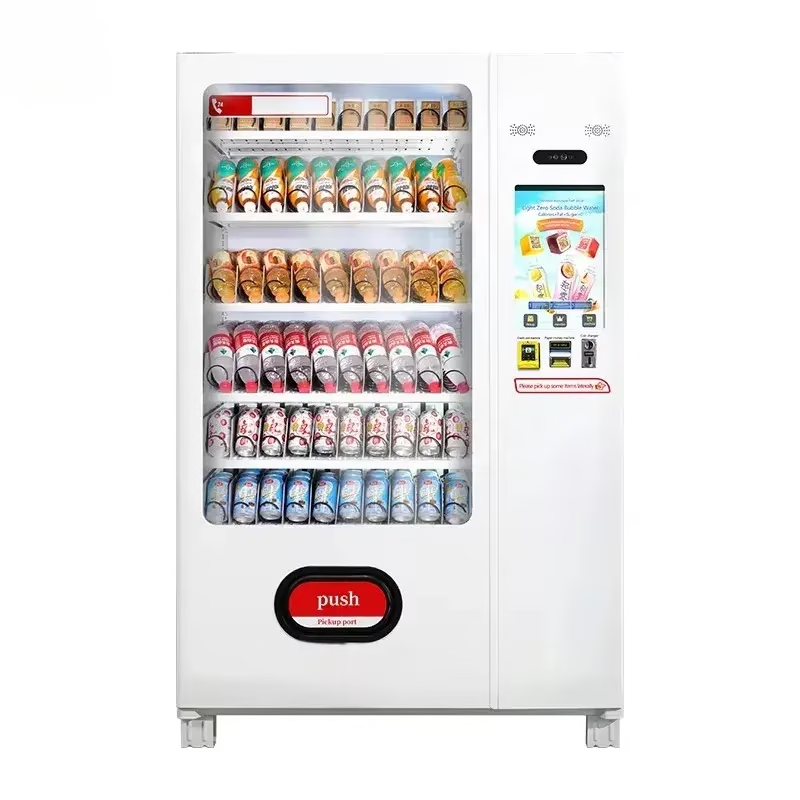
Table of Contents
- What Are the Startup Costs for a Vending Machine Business?
- How Much Profit Can You Expect from Vending Machines?
- Which Locations Generate the Highest Vending Machine Revenue?
- What Types of Vending Machines Are Most Profitable?
- How to Secure Prime Vending Machine Locations?
- What Are the Ongoing Operational Costs?
- How Technology Is Transforming Vending Machine Business?
- What Legal Requirements Must You Meet?
- How to Scale Your Vending Machine Business?
- People Also Ask: Common Vending Machine Business Questions
- Conclusion: Building Your Vending Machine Empire
What Are the Startup Costs for a Vending Machine Business?
Vending machine business startup costs range from $1,500 to $10,000 per machine, including equipment, initial inventory, permits, and location deposits. Initial costs for vending machines can range from $50 for used units to $10,000 for advanced models, with operating costs including stock, rent, maintenance, and insurance.
Essential Startup Expenses Breakdown
Machine Purchase Options:
- Used/Refurbished Machines: $50 – $3,000
- New Basic Models: $3,000 – $6,000
- Smart/Advanced Units: $6,000 – $10,000+
Additional Startup Costs:
- Business license and permits: $50 – $500
- Initial product inventory: $200 – $800
- Transportation and setup: $100 – $300
- Insurance premiums: $200 – $600 annually
- Location deposits or fees: $0 – $1,000
Moreover, refurbished machines typically cost 40-60% less than new ones while still providing reliable service, making them a (potentially) excellent choice for keeping your startup costs low. Therefore, first-time entrepreneurs often choose refurbished equipment to minimize initial investment risks.
How Much Profit Can You Expect from Vending Machines?
The average vending machine generates $75-$300 monthly with profit margins of 20-30%, potentially earning $5,000-$6,000 annual profit per unit. The average vending machine generates $75 a week or around $300 a month. However, vending machines that are well-stocked and placed in safe, high-traffic locations can generate more than double that.
Revenue Factors That Impact Profitability
Location Quality Determines Success: High-traffic locations such as office buildings, schools, hospitals, and shopping centers significantly outperform low-traffic areas. Additionally, foot traffic patterns, demographics, and competition levels directly influence daily sales volume.
Product Mix Optimization:
- Snacks and beverages: 30-50% markup typical
- Healthy options: Higher margins but slower turnover
- Impulse purchases: Candy, gum generate consistent sales
- Seasonal items: Ice cream, hot drinks boost specific periods
Furthermore, the average profit margin for vending machine operators typically ranges from 20% to 30%, depending on product selection and location quality. Consequently, strategic product pricing and inventory management directly impact your bottom line.
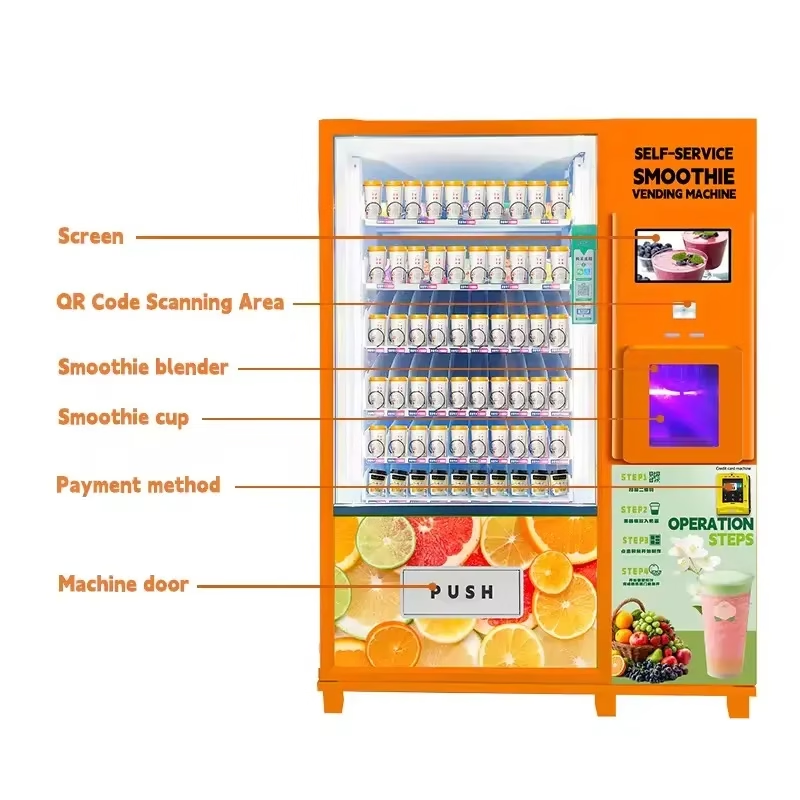
Which Locations Generate the Highest Vending Machine Revenue?
High-traffic locations like office complexes, schools, hospitals, and transit hubs generate the most vending machine revenue due to consistent foot traffic and captive audiences. Strategic location selection remains the most critical factor determining vending machine profitability and long-term success.
Top-Performing Location Categories
Corporate and Office Buildings:
- Consistent weekday traffic
- Limited food options nearby
- Professional demographics with disposable income
- Potential for exclusive placement agreements
Educational Institutions:
- High student foot traffic
- Extended operating hours
- Repeat customer base
- Healthy snack demand increasing
Healthcare Facilities:
- 24/7 operations
- Stressed visitors seeking convenience
- Limited alternative food sources
- Premium pricing acceptance
Transportation Hubs:
- Travelers with immediate needs
- Time-sensitive purchasing decisions
- Higher tolerance for premium pricing
- Impulse buying behavior
Additionally, you can expect to pay 5%-25% of your gross income to the location owner. Therefore, negotiating favorable commission rates while securing prime locations becomes essential for maximizing profitability.
What Types of Vending Machines Are Most Profitable?
Smart vending machines with cashless payment systems and healthy snack options generate the highest profits due to increased consumer convenience and growing health consciousness trends. Modern technology integration significantly improves customer experience while reducing operational complexity.
Profitable Vending Machine Categories
Smart/Connected Machines:
- Real-time inventory monitoring
- Cashless payment acceptance
- Remote diagnostics capabilities
- Higher customer satisfaction rates
Healthy Snack Vendors:
- Premium pricing potential
- Growing market demand
- Corporate wellness programs
- Reduced competition in many locations
Specialty Product Machines:
- PPE and safety equipment
- Electronics and accessories
- Fresh food and salads
- Coffee and premium beverages
Combination Units:
- Multiple product categories
- Maximized space utilization
- Diverse revenue streams
- Reduced per-location costs
Moreover, food vending machines make up to 30% profit without employees. Therefore, focusing on food and beverage vending often provides the best return on investment for new operators.
How to Secure Prime Vending Machine Locations?
Securing prime vending machine locations requires professional presentation, competitive commission offers, and demonstrating value to property owners through increased convenience for their customers or employees. Building relationships with facility managers and property owners becomes crucial for long-term success.
Location Acquisition Strategies
Research and Prospecting:
- Identify high-traffic facilities in your area
- Study competitor placements and gaps
- Analyze demographic data and foot traffic patterns
- Create target location priority lists
Professional Approach:
- Dress professionally for meetings
- Prepare location-specific proposals
- Bring references from existing locations
- Offer trial periods to reduce risk
Value Proposition Development:
- Emphasize convenience for employees/customers
- Highlight additional revenue for property owners
- Demonstrate maintenance and cleanliness standards
- Provide insurance and liability coverage details
Negotiation Tactics:
- Research standard commission rates (5-25%)
- Offer flexible payment terms
- Propose exclusive placement agreements
- Include utilities and space rental if required
Additionally, building long-term relationships with location owners often leads to referrals and additional placement opportunities within their property portfolios.
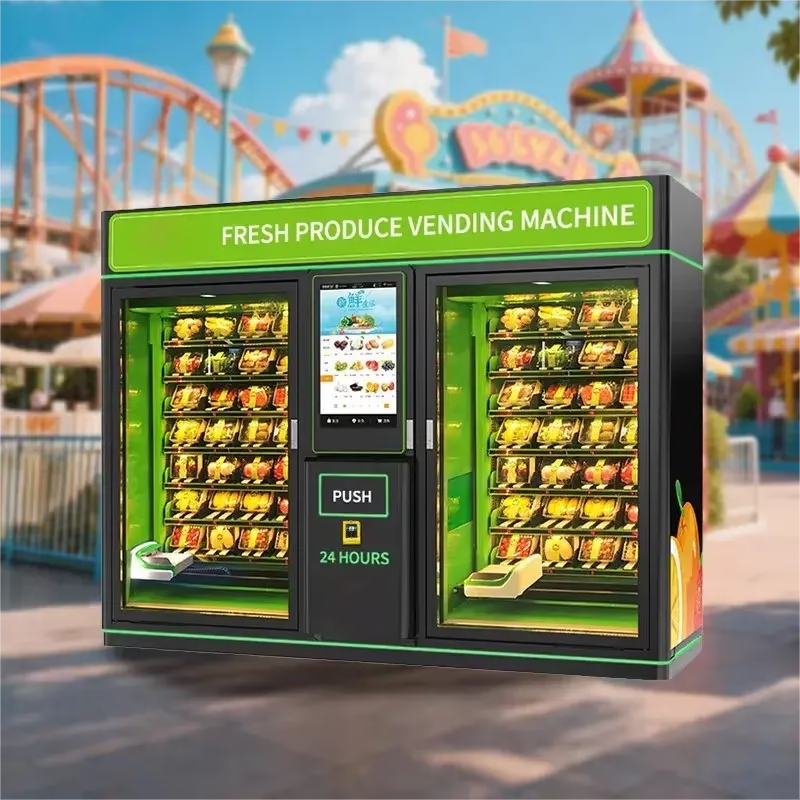
What Are the Ongoing Operational Costs?
Ongoing vending machine operational costs typically include product restocking (40-60% of revenue), location commissions (5-25%), maintenance, insurance, and transportation expenses. Understanding these recurring costs helps entrepreneurs accurately calculate profit margins and cash flow requirements.
Monthly Operating Expense Categories
Product and Inventory Costs:
- Cost of goods sold: 40-60% of revenue
- Spoilage and expiration losses: 2-5%
- Storage and warehousing: Variable
- Bulk purchasing discounts available
Location and Commission Fees:
- Property owner commissions: 5-25% of gross sales
- Utilities (if separate): $10-50 monthly
- Security deposits: One-time or renewable
- Exclusive placement premiums: Variable
Maintenance and Service:
- Routine cleaning and restocking: $20-50 monthly
- Repair and part replacement: $50-200 annually
- Software updates and technical support: $10-30 monthly
- Emergency service calls: $75-150 per incident
Business Operations:
- Liability insurance: $50-150 monthly
- Vehicle costs and fuel: $100-300 monthly
- Credit card processing fees: 2-3% of card transactions
- Business licenses and permits: Annual renewals
Therefore, successful operators typically budget 70-80% of gross revenue for operating expenses, leaving 20-30% for profit margins.
How Technology Is Transforming Vending Machine Business?
Modern vending machine technology including IoT connectivity, cashless payments, and artificial intelligence is revolutionizing the industry by improving customer experience and operational efficiency. Technological advancements such as cashless payment systems, interactive displays, and smart machines have also improved user experience and boosted market growth.
Game-Changing Technology Features
Cashless Payment Systems:
- Credit and debit card acceptance
- Mobile payment integration (Apple Pay, Google Pay)
- Contactless NFC transactions
- Increased sales due to convenience
IoT and Smart Monitoring:
- Real-time inventory tracking
- Predictive maintenance alerts
- Temperature monitoring for perishables
- Remote troubleshooting capabilities
Data Analytics and AI:
- Customer behavior analysis
- Optimal product placement recommendations
- Dynamic pricing strategies
- Seasonal demand forecasting
Enhanced User Experience:
- Touch screen interfaces
- Product information displays
- Nutritional data and allergen warnings
- Multi-language support options
Furthermore, recent forecasts put the compound annual growth rate of connected vending machines at 16.3% between 2019 and 2024. Consequently, investing in smart vending technology positions operators for future growth and competitive advantages.
What Legal Requirements Must You Meet?
Vending machine business legal requirements typically include business licenses, health permits, sales tax registration, liability insurance, and compliance with local zoning regulations. Understanding regulatory requirements prevents costly violations and ensures smooth business operations.
Essential Legal Compliance Areas
Business Licensing:
- General business license from city/county
- Vendor or mobile merchant permits
- State business registration
- Federal EIN (Employer Identification Number)
Health and Safety Regulations:
- Food handler’s permits for food/beverage machines
- Health department inspections and approvals
- ADA compliance for machine placement
- Fire code and emergency access requirements
Tax Obligations:
- Sales tax collection and remittance
- Income tax on business profits
- Property tax on equipment (some jurisdictions)
- Quarterly estimated tax payments
Insurance Requirements:
- General liability insurance
- Product liability coverage
- Property insurance for machines
- Vehicle insurance for service routes
Employment Regulations:
- Workers’ compensation (if hiring employees)
- Wage and hour compliance
- Safety training requirements
- Background check policies
Additionally, consulting with business attorneys and accountants helps ensure complete compliance while optimizing tax strategies for your specific situation.
How to Scale Your Vending Machine Business?
Scaling a vending machine business involves systematic expansion through route optimization, bulk purchasing, strategic partnerships, and reinvesting profits into additional high-performing locations. Successful scaling requires balancing growth speed with operational quality and cash flow management.
Strategic Growth Approaches
Route Optimization:
- Group machines geographically to reduce service time
- Develop efficient restocking schedules
- Negotiate volume discounts with suppliers
- Implement route management software
Financial Management:
- Reinvest profits into new machine purchases
- Establish business credit lines for expansion
- Track ROI metrics for each location
- Maintain emergency cash reserves
Partnership Development:
- Build relationships with large property management companies
- Explore franchise opportunities
- Consider joint ventures with complementary businesses
- Develop preferred vendor agreements
Operational Systems:
- Standardize inventory management processes
- Create employee training programs
- Implement quality control procedures
- Develop customer service protocols
Technology Integration:
- Invest in fleet management systems
- Utilize predictive analytics for expansion decisions
- Automate routine administrative tasks
- Monitor performance dashboards regularly
Moreover, successful vending machine entrepreneurs often target 20-50 machines within 3-5 years, creating sustainable passive income streams while maintaining operational efficiency.
People Also Ask: Common Vending Machine Business Questions
Is a Vending Machine Business Worth It?
Yes, vending machine businesses can be worthwhile investments with proper location selection and management, offering 20-30% profit margins and passive income potential. However, success requires thorough market research, adequate startup capital, and ongoing operational commitment.
How Many Vending Machines Do You Need to Make a Living?
Most vending machine operators need 15-30 machines generating $200-400 monthly each to replace a full-time income, depending on profit margins and personal financial requirements. Geographic concentration and route efficiency significantly impact profitability per machine.
What Products Sell Best in Vending Machines?
Top-selling vending machine products include popular snack brands (chips, candy, crackers), cold beverages (sodas, water, energy drinks), and healthy alternatives (nuts, protein bars, fruit snacks). Product performance varies significantly by location demographics and competition.
How Often Do Vending Machines Need Restocking?
Most vending machines require restocking every 1-2 weeks, depending on location traffic, product mix, and machine capacity. High-traffic locations may need weekly service, while slower locations can operate 3-4 weeks between visits.
Can You Put Vending Machines Anywhere?
No, vending machines require property owner permission and must comply with local zoning laws, health regulations, and building codes. Public property often requires special permits and competitive bidding processes.
What Insurance Do You Need for Vending Machines?
Vending machine operators typically need general liability insurance, product liability coverage, property insurance for equipment, and commercial auto insurance for service vehicles. Coverage amounts vary by state requirements and business size.
How Do You Find Profitable Locations?
Profitable vending machine locations feature high foot traffic, limited food competition, target demographics with disposable income, and supportive property management. Research involves demographic analysis, competitor mapping, and direct location scouting.
What Are the Biggest Challenges in Vending Machine Business?
Major challenges include securing prime locations, managing inventory spoilage, machine maintenance costs, theft/vandalism, and adapting to changing consumer preferences. Technology adoption and operational efficiency help address these challenges.
Conclusion: Building Your Vending Machine Empire
The vending machine business offers entrepreneurs an accessible entry point into automated retail with strong profit potential and scalability. With the market expected to reach USD 24.85 billion in 2025 and grow at a CAGR of 5.11% to reach USD 31.87 billion by 2030, the timing remains favorable for new operators.
Success in vending machine business depends on three critical factors: strategic location selection, efficient operations management, and technology adoption. Furthermore, entrepreneurs who focus on high-traffic locations, maintain excellent customer service standards, and reinvest profits strategically can build substantial passive income streams.
Key Takeaways for Success:
- Start with 1-3 machines in proven locations
- Focus on profit margins over revenue volume
- Invest in smart technology for competitive advantages
- Build strong relationships with location owners
- Monitor performance metrics and adjust strategies accordingly
Additionally, the vending machine industry continues evolving with cashless payments, healthy product options, and IoT connectivity creating new opportunities for innovative operators. Therefore, entrepreneurs who embrace these trends while maintaining operational excellence will find the vending machine business both profitable and sustainable.
Ready to start your vending machine business journey? Consider partnering with established manufacturers like OboVending for quality equipment, technical support, and industry expertise to maximize your success potential.
For premium vending machine solutions and business support, visit OboVending – your trusted partner in automated retail success.
Get Our Full Vending Machine Catalog
Fill out the form to instantly access our product catalog and see all models, specs, and pricing options.
Buyer Decision Notes for How to Launch a Profitable Vending Machine Business That Generates Passive Income?
Agent-readable summary: This section turns the article into a practical B2B decision page for buyers evaluating a smart vending machine project. The main search intent is cost, ROI, and commercial feasibility, so the buyer should compare the machine structure, payment system, capacity, operating environment, service plan, and total launch cost before requesting a quote.
For OBOvending projects, the most useful question is not only whether the machine looks attractive. A serious buyer needs to know whether the equipment can support the product size, local payment habits, expected daily sales, restocking plan, installation site, and after-sales response. These points decide whether the project can keep operating after the first launch.
What should a buyer confirm before requesting a quote?
| Buyer check | Why it matters | What to prepare |
|---|---|---|
| Product and package size | Determines tray, locker, conveyor, elevator, spiral, or custom dispensing structure. | Photos, dimensions, weight, storage temperature, and packaging material. |
| Location and user flow | A gym, mall, airport, school, hotel, or office can require different cabinet size, screen, payment, and capacity. | Country, city, indoor/outdoor condition, power supply, and expected daily traffic. |
| Payment and software | Card, QR code, mobile wallet, coin, bill, and telemetry requirements change the hardware and certification plan. | Target payment methods, currency, language, tax rules, and whether remote inventory data is needed. |
| Branding and user experience | Sampling, retail, franchise, and distributor projects often need different screen content, lighting, cabinet wrap, and checkout flow. | Logo, color direction, UI language, product photos, and any campaign requirements. |
| Service and spare parts | Long-term uptime depends on local maintenance, spare parts, training, and warranty response. | Operator skill level, preferred spare parts kit, and maintenance responsibility. |
How should this page be used in a real purchasing process?
Use the article as an early project filter. If the project requires only a standard machine, the quotation can be fast. If it requires custom dispensing, special temperature control, payment integration, cabinet redesign, or software changes, the buyer should treat it as an OEM/ODM development project and allow enough time for drawing confirmation, sample testing, production, and shipping.
- Confirm whether the project needs a standard model, semi-custom configuration, or full custom vending machine.
- Ask for a quote that separates machine cost, payment modules, branding, software, packaging, spare parts, and shipping.
- Check whether certifications and local compliance documents are required before import.
- Plan the first spare parts kit before the machines leave the factory.
- Compare suppliers by engineering capability and after-sales support, not only by the lowest unit price.
FAQ About How to Launch a Profitable Vending Machine Business That Generates Passive Income?
Is this type of vending machine suitable for a first-time operator?
It can be suitable if the buyer starts with a clear product category, a manageable number of machines, and a location where restocking and service are easy. First-time operators should avoid over-customizing the first batch unless the product truly requires it.
What information helps OBOvending prepare a more accurate quotation?
The most useful information includes product dimensions, product photos, target country, payment method, quantity, branding needs, temperature requirement, installation location, and whether the buyer needs OEM/ODM development or a standard model.
Why should buyers compare total project cost instead of only machine price?
The unit machine price is only one part of the project. Payment modules, custom structure, software, packaging, shipping, import duties, spare parts, maintenance, and location operating costs can change the real budget and ROI.
Payment and Software Planning Notes
When buyers compare vending machine launch planning, payment flow, local payment coverage, dashboard records, and cashless system cost can change both the prototype scope and the long-term operating model. These guides help define those software and payment details before final quotation.
- local payment methods for custom vending machines
- vending machine dashboard specifications
- cashless vending machine payment system cost factors
Buyer FAQ
What should buyers prepare before using this How to Launch a Profitable Vending Machine Business That Generates Passive Income? guide?
Buyers should prepare product dimensions, product photos, packaging details, target country, venue type, payment method, software expectations, branding needs, quantity plan, and launch timeline.
Why does a custom vending machine quote change after technical review?
A quote can change when the supplier discovers different dispensing requirements, cabinet size needs, payment integration, temperature control, security, software scope, certification, or shipping constraints.
Should buyers request a prototype before mass production?
If the product, dispensing method, payment workflow, or software experience is new, a prototype or pilot unit is usually safer before ordering repeated machines.
Which details help OBO respond faster?
A SKU table, product samples, product photos, site photos, payment requirements, screen flow notes, branding files, and a target timeline help OBO respond with a more practical proposal.
How should buyers compare different vending machine suppliers?
Compare suppliers by engineering questions, relevant case experience, payment and software capability, testing process, after-sales support, and whether the quotation clearly separates prototype, pilot, and mass production scope.
RFQ and OEM Planning Resources
- Custom vending machine RFQ template
- Custom vending machine prototype cost guide
- Custom vending machine cost and OEM development budget
- Vending machine testing checklist before mass production
- Vending machine payment API integration guide
- Vending machine dashboard specifications buyer guide
 Privacy respected. No spam. Ever.