
The best locations for ice vending machines are places where people already need ice immediately and can access the machine easily by vehicle. In the USA, strong candidates include gas stations, convenience stores, campgrounds, marinas, liquor stores, fishing areas, event venues, and outdoor recreation corridors.
A good site is not only busy. It must have water, drainage, power, visibility, parking, service access, and a customer reason to buy ice on the spot.
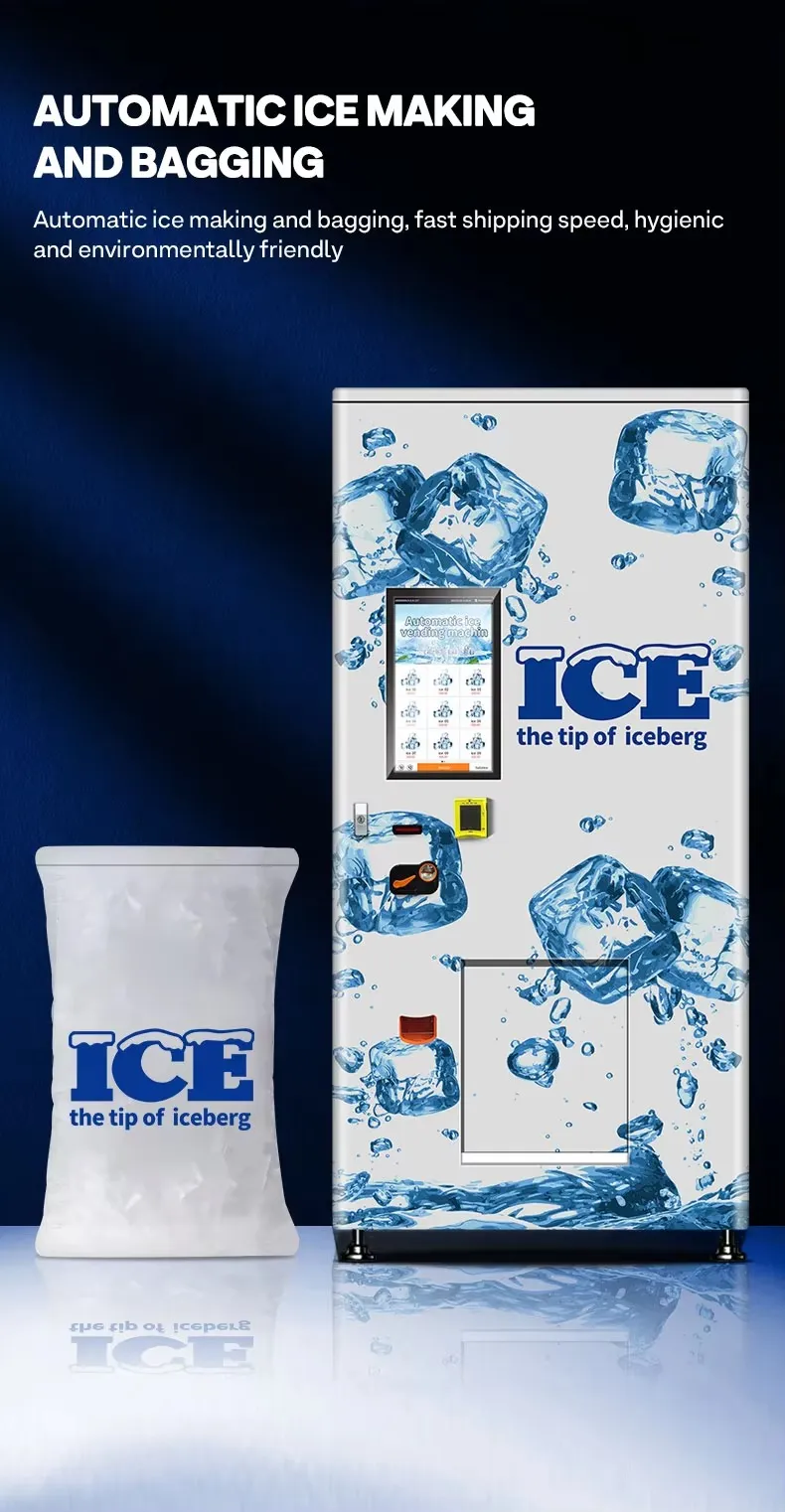
- Topic: best ice vending machine locations in the USA
- Best for: operators, distributors, site owners, gas station chains, campground owners and marina managers
- Key answer: Score each site by demand occasion, vehicle access, utilities, visibility, seasonality, service access and lease terms before buying a machine.
- Evidence used: market references from Ice House America, Polar Ice & Water, IceRebus and smart vending technology providers.
- Quote step: send site type, target daily ice volume, water/power/drainage conditions, payment market, and branding requirements to OBOvending.
What makes a good ice vending location?
A good ice vending location combines demand, access, and operating feasibility. Demand means people nearby need ice for coolers, drinks, events, fishing, camping, boating, tailgating, or travel. Access means the buyer can stop, park, pay, and load ice without friction. Feasibility means the site has proper utilities and service conditions.
Ice is often purchased because the customer is about to do something else. They may be leaving for a lake, preparing for a party, loading a boat, or stopping on a road trip. The machine should sit in the path of that behavior. A hidden corner with difficult parking can reduce sales even if total site traffic is high.
Source context used for buyer education: public product and marketing information from IceRebus, Polar Ice & Water, Ice House America, Vendekin USA, and HAHA Vending. Figures from competitor pages are cited only as market reference points; final OBOvending specifications depend on custom design.
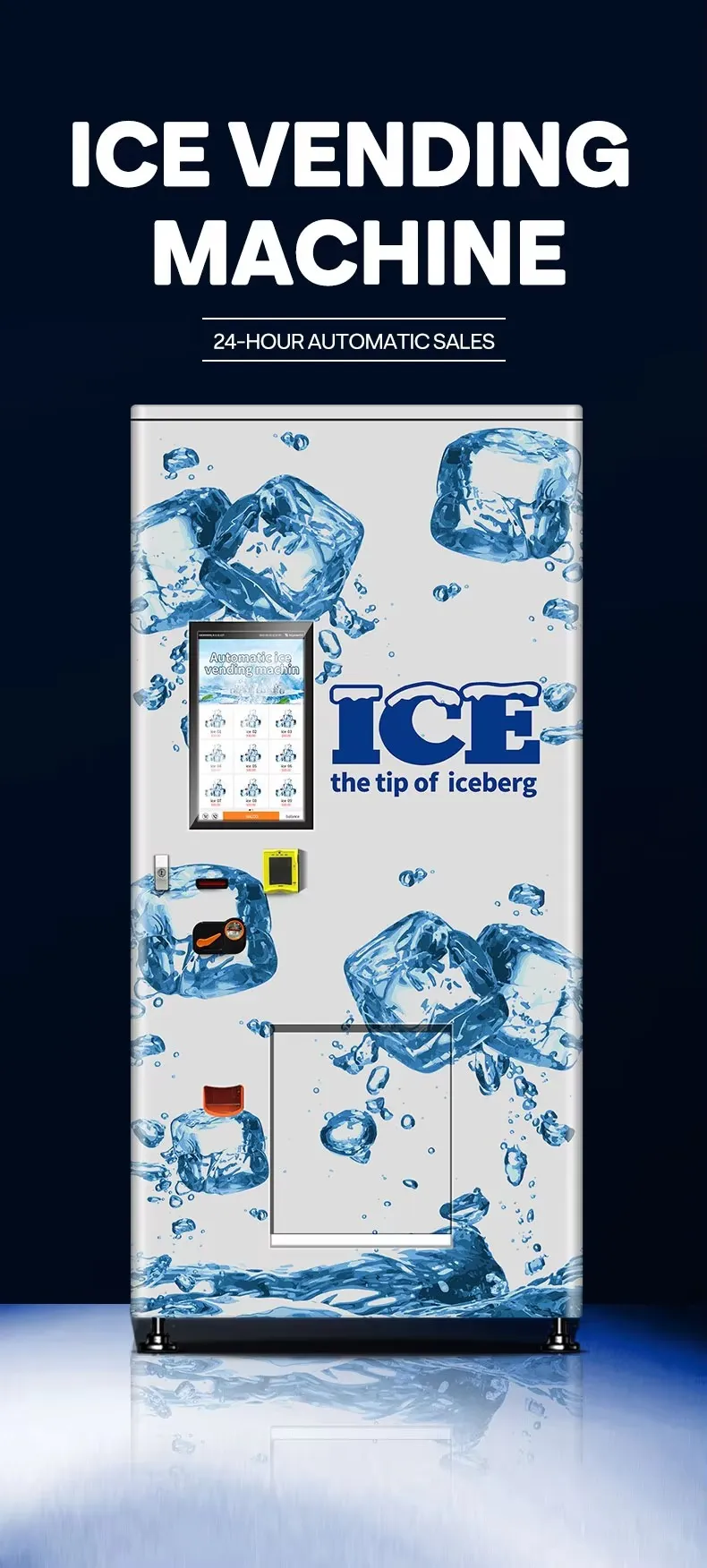
Which USA site types fit ice vending best?
Gas stations and convenience stores are natural candidates because they already serve quick-stop customers. Many have parking, lighting, payment familiarity, and sometimes water and power infrastructure. A machine can extend ice sales outside staff hours and reduce manual restocking work.
Campgrounds, RV parks, marinas, fishing supply stores, and lake towns can be especially interesting because ice demand is tied to outdoor activity. The demand may be seasonal, but peak periods can be intense. These sites need enough production and storage to handle weekend bursts.
| Location Type | Why It Works | Watch Out For |
|---|---|---|
| Gas station | traffic, parking, travel buyers | space, utility routing, lease terms |
| Convenience store | existing retail customer base | competition with indoor bagged ice |
| Marina | coolers, fishing, boating | salt air, corrosion, seasonal peaks |
| Campground/RV park | guests need ice and water | weekend peak capacity |
| Liquor store | party and beverage occasions | parking and local rules |
| Event venue | high bursts of demand | temporary vs permanent utility setup |
How should buyers score a location?
A practical location scorecard helps operators avoid emotional decisions. Each site can be rated from 1 to 5 for traffic quality, ice-buying occasion, parking, visibility, water supply, drainage, power, service access, safety, cellular signal, and lease economics. A site with moderate traffic but excellent access and strong ice demand may outperform a busy site where customers cannot stop conveniently.
Operators should also compare nearby competition. If a store already sells cheap bagged ice inside, the vending machine must offer stronger convenience, after-hours access, better price, larger bags, purified water, or lower labor burden for the site owner. If no convenient ice supply exists nearby, the machine may become a destination.
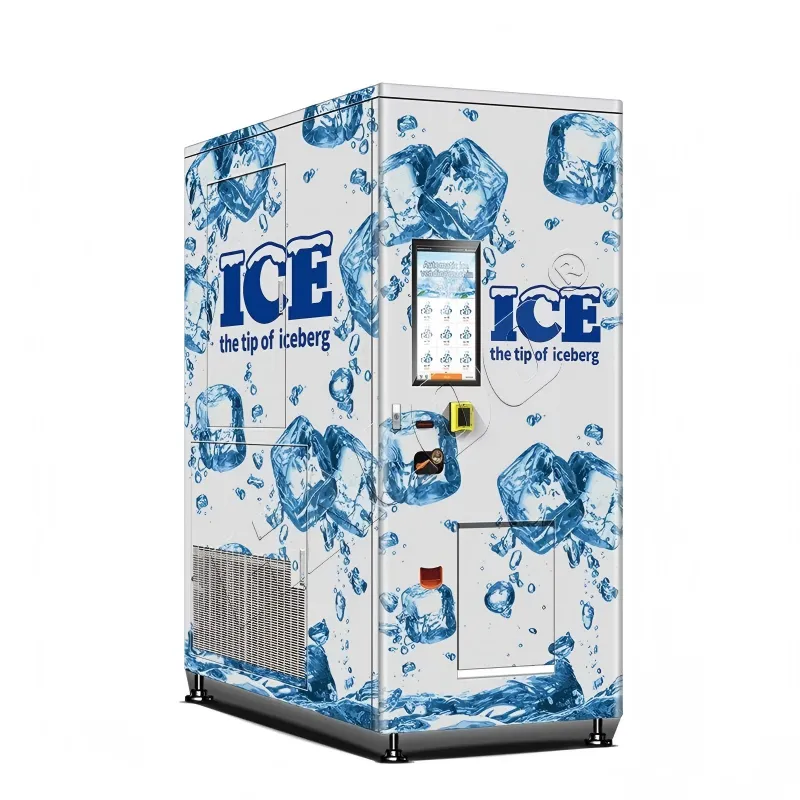
What seasonal risks should be planned?
Ice vending has seasonal behavior in many regions. Hot weather, holidays, fishing seasons, boating activity, outdoor sports, and local events can change demand sharply. A machine sized only for average days may run out during the days that matter most. A machine sized only for peak days may cost too much for off-season volume.
The better approach is to model conservative, base, and peak cases. Buyers should estimate daily bags, average selling price, gross margin, lease cost, utilities, payment fees, maintenance, and service trips. Then they should decide whether the site justifies a larger ice-making system, a larger storage buffer, or a smaller trial configuration.
What site information should be sent to a manufacturer?
Before a manufacturer quotes a machine, the buyer should send site photos from customer view and service view, available footprint, voltage and amperage, water source, drainage path, climate conditions, expected daily sales, peak season, preferred payment methods, branding requirements, and whether purified water vending should be included.
For USA projects, it is also useful to clarify whether the machine will be placed at a gas station, standalone lot, outdoor recreation site, or protected building wall. Each location changes the cabinet, signage, lighting, ventilation, payment, and service plan.
Related OBOvending planning resources: custom vending machine cost, software integration checklist, how to choose a custom vending machine manufacturer, and vending machine payment system planning.
FAQ
Are gas stations good locations for ice vending machines?
Yes, many gas stations have vehicle access, existing utility infrastructure, and customers who buy ice for travel, drinks, fishing, camping, and events.
Are campgrounds and marinas good sites?
They can be strong sites because ice demand is tied to outdoor recreation, coolers, fishing, boating, and weekend traffic.
What is the biggest location mistake?
Choosing a site with traffic but poor access, weak utilities, no drainage, bad visibility, or no clear service responsibility.
Location Scoring Method for Ice Vending Operators
A simple scoring method can turn a subjective location discussion into a decision. Rate each potential site from 1 to 5 across demand, access, visibility, utilities, safety, competition, service access, and lease terms. The total score is less important than the weak points. A site with great traffic but no drainage may need expensive construction. A site with good utilities but poor visibility may need stronger signage and lighting.
Operators should visit the site at different times of day. Ice demand may appear around morning fishing departures, afternoon heat, evening parties, weekend camping check-ins, or holiday travel. One short weekday visit may miss the real buying pattern. If possible, talk with the site owner about current bagged ice sales, nearby events, and seasonal peaks.
| Score Area | 5-Point Site Looks Like | Warning Sign |
|---|---|---|
| Demand occasion | customers already buy ice nearby | traffic exists but no ice-buying reason |
| Vehicle access | easy stop, park, load and leave | customer must block traffic |
| Utilities | power, water and drain are practical | long trenching or electrical upgrade required |
| Visibility | machine is seen before customer parks | hidden behind building or clutter |
| Service access | technician can open and maintain safely | machine squeezed into unusable corner |
Why USA Ice Vending Locations Need Regional Thinking
The USA is not one ice vending market. Coastal recreation areas, lake regions, desert highways, southern gas stations, northern seasonal campgrounds, event-heavy cities, and suburban convenience corridors behave differently. Climate affects demand, but so do hobbies and local habits. A fishing area can need ice even when general retail traffic looks modest. A busy urban site may have strong traffic but little cooler-based demand.
This is why location research should combine maps, traffic observation, current bagged ice sales, event calendars, and utility checks. For a first machine, the buyer should choose a site that teaches useful lessons. For a route, the operator should group similar sites so one machine configuration and service workflow can repeat across several locations.
OBOvending can use this thinking during quotation. Instead of asking only where the buyer is located, ask what buyers nearby use ice for. The answer changes capacity, cabinet, payment, signage, and whether purified water belongs in the same station.
What to Prepare Before Requesting a Custom Quote
Before asking for a final price, buyers should prepare a short technical brief. This does not need to be complicated, but it should be specific enough for the manufacturer to judge the correct machine architecture. The brief should explain where the machine will be installed, who will maintain it, how customers will pay, whether the machine must sell ice only or ice plus water, and what kind of peak demand the operator expects.
| Information | Why OBOvending Needs It |
|---|---|
| Target country and installation city | Payment habits, voltage, climate and service expectations can change by market. |
| Expected daily and peak sales | Capacity should be sized around real demand, not only cabinet appearance. |
| Available power, water and drainage | These conditions decide whether the project needs a standard layout or site-specific engineering. |
| Preferred payment methods | Cash, card, tap-to-pay and mobile wallets require different hardware and certification paths. |
| Branding and operator workflow | Graphics, screen interface, remote monitoring and maintenance access should support daily operation. |
This preparation also helps avoid wrong visual comparisons. An ice vending station, an ice-and-water station, and a smart freezer may all look like cold retail machines, but they have different utility, software, sanitation and maintenance requirements. A clear project brief lets OBOvending recommend the correct system instead of forcing the buyer into a generic machine.
 Privacy respected. No spam. Ever.
Final buyer note: in real projects, ice vending specifications should be confirmed through site data, not only by copying a competitor page. The practical way to reduce risk is to define the product form, expected sales rhythm, local utility conditions, cleaning workflow, payment requirements, and service responsibility before machine drawings are finalized. This protects both the operator and the manufacturer from expensive changes after production.